Letter-sound correlation Easy Letter Sounds Worksheets for Ages 3-5
3 filtered results
-
From - To
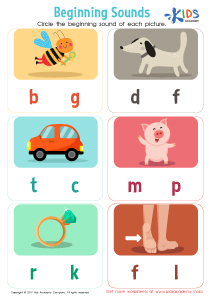
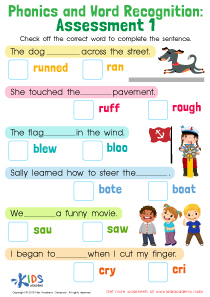
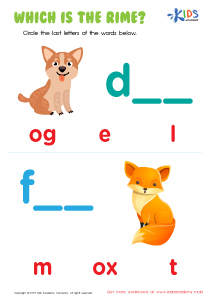
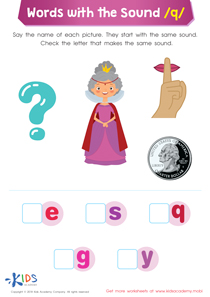
Introduce your little ones to the fascinating world of phonics with our "Letter-sound correlation Easy Letter Sounds Worksheets for Ages 3-5." Designed to build a strong foundation in early reading skills, these engaging activities help children connect letters with their corresponding sounds. Perfect for young learners, these printable worksheets offer a mix of fun and education to empower preschoolers and kindergarteners. Through tracing, matching, and interactive exercises, kids will develop essential pre-literacy skills, setting them on the path to successful reading. Start building confident early readers today with our age-appropriate, easy-to-use resources!
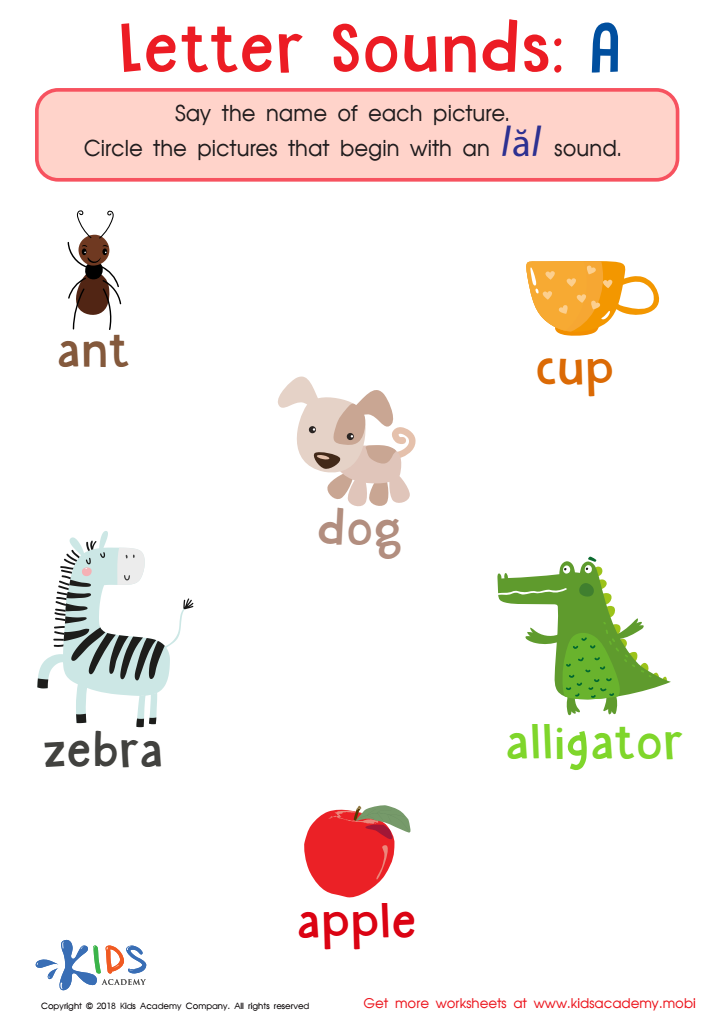
Letter A Sounds Worksheet
 Assign to My Students
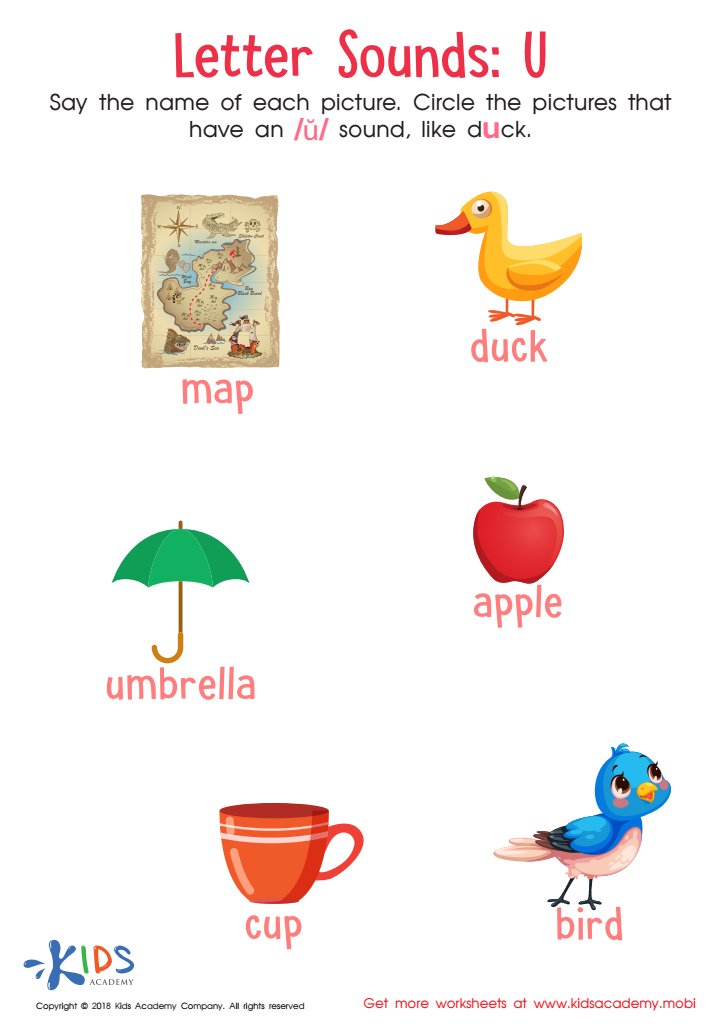
Letter U Sounds Worksheet
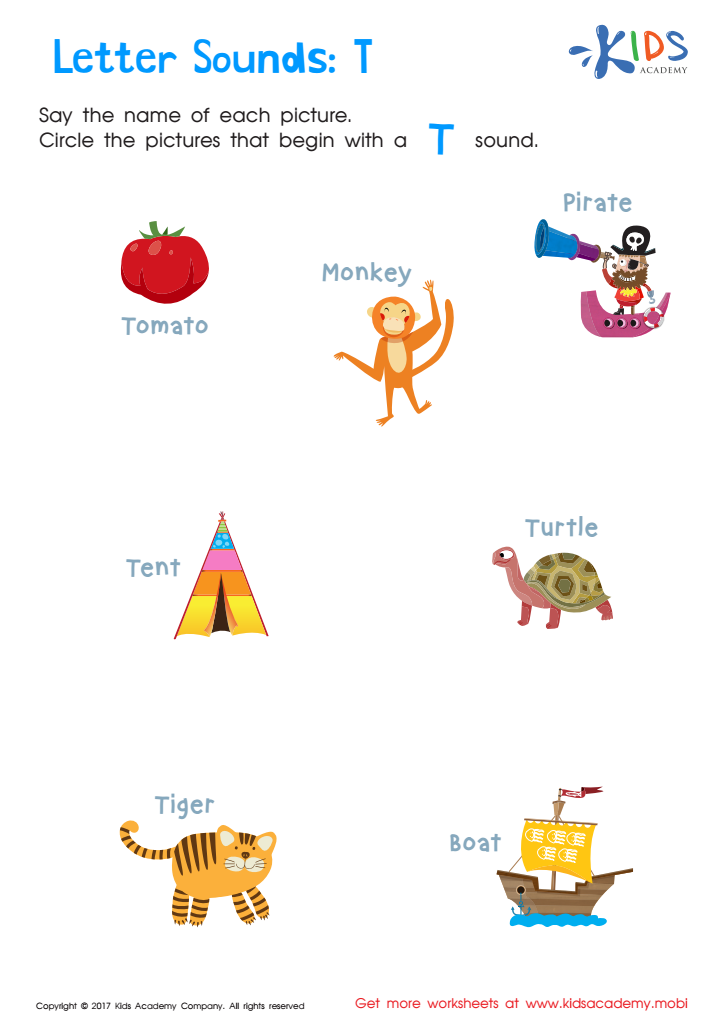
Letter T Sounds Worksheet








Parents and teachers play a pivotal role in early childhood education, and one of the foundational skills they should focus on is letter-sound correlation. For children aged 3-5, understanding the basics of letter sounds is crucial for several reasons. First, it lays the groundwork for phonemic awareness, a critical pre-reading skill that involves recognizing and manipulating sounds in words. This awareness significantly influences a child's future reading success and literacy development.
Second, learning letter sounds helps young children start associating written text with spoken language, making reading more accessible and less intimidating. By mastering these correlations early on, children can begin to sound out unfamiliar words on their own, fostering independence and confidence in their reading abilities.
Additionally, research indicates that early knowledge of letter-sound relationships is a strong predictor of later spelling and writing skills. When children understand that letters represent specific sounds, they can more easily write words they hear, which is an essential step in developing effective communication skills.
Therefore, parents and teachers should prioritize letter-sound correlation exercises in fun and engaging ways—such as through games, songs, and interactive activities—ensuring young learners develop these important foundational skills in a supportive environment. Investing time in these early literacy skills pays substantial dividends in a child's academic and personal growth.