Number Recognition Easy Addition & Subtraction Worksheets for Ages 3-5
20 filtered results
-
From - To
Welcome to our "Number Recognition Easy Addition & Subtraction Worksheets" designed specifically for children ages 3-5! Our engaging worksheets foster early math skills while promoting number recognition, making learning fun and accessible. These activities encourage little ones to practice addition and subtraction through colorful visuals and interactive exercises. Perfect for at-home learning or classroom use, these worksheets help build a strong foundation in math concepts. Watch your child gain confidence as they learn to recognize numbers and perform simple calculations. Start their math journey today with worksheets that inspire curiosity and support early literacy development!
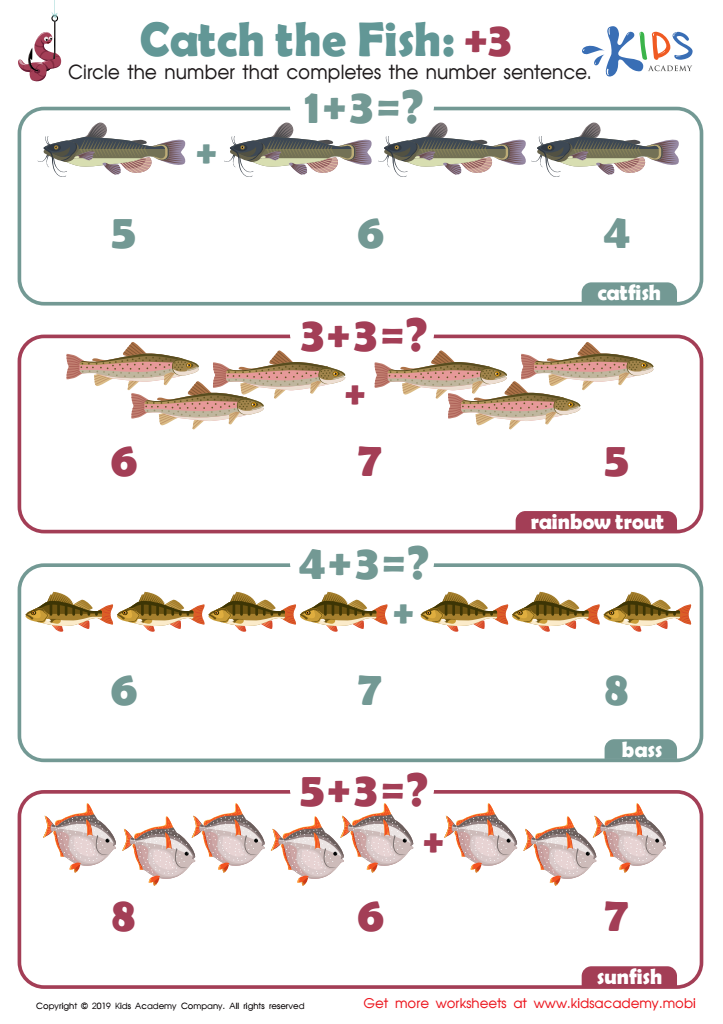
Catch the Fish: +3 Worksheet
 Assign to My Students
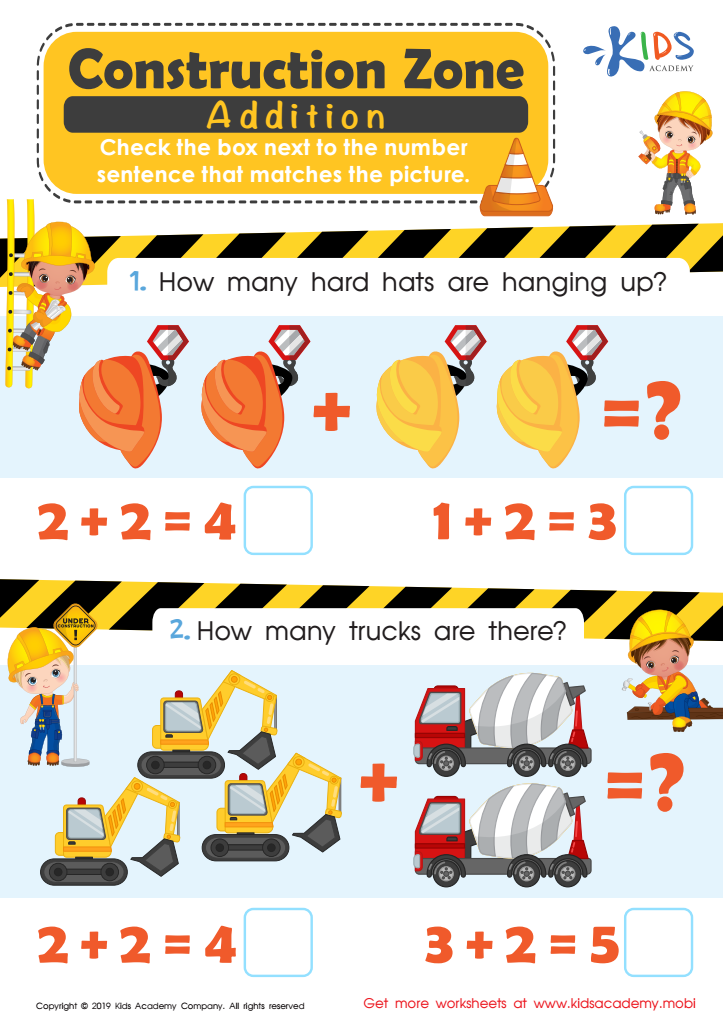
Construction Zone Addition Worksheet
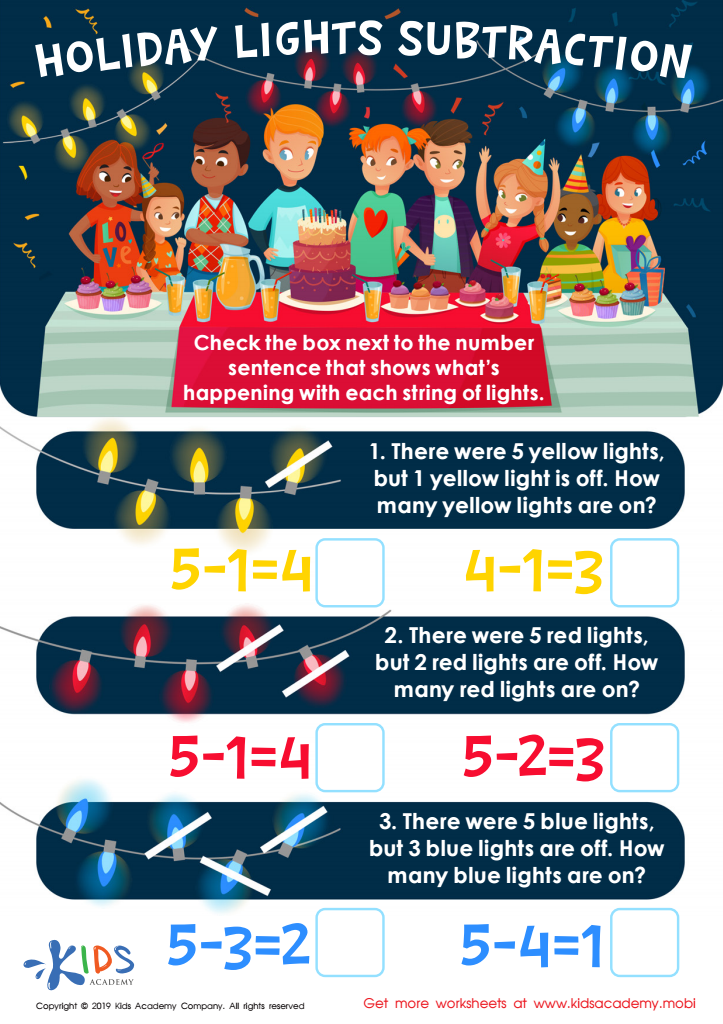
Holiday Lights Subtraction Worksheet
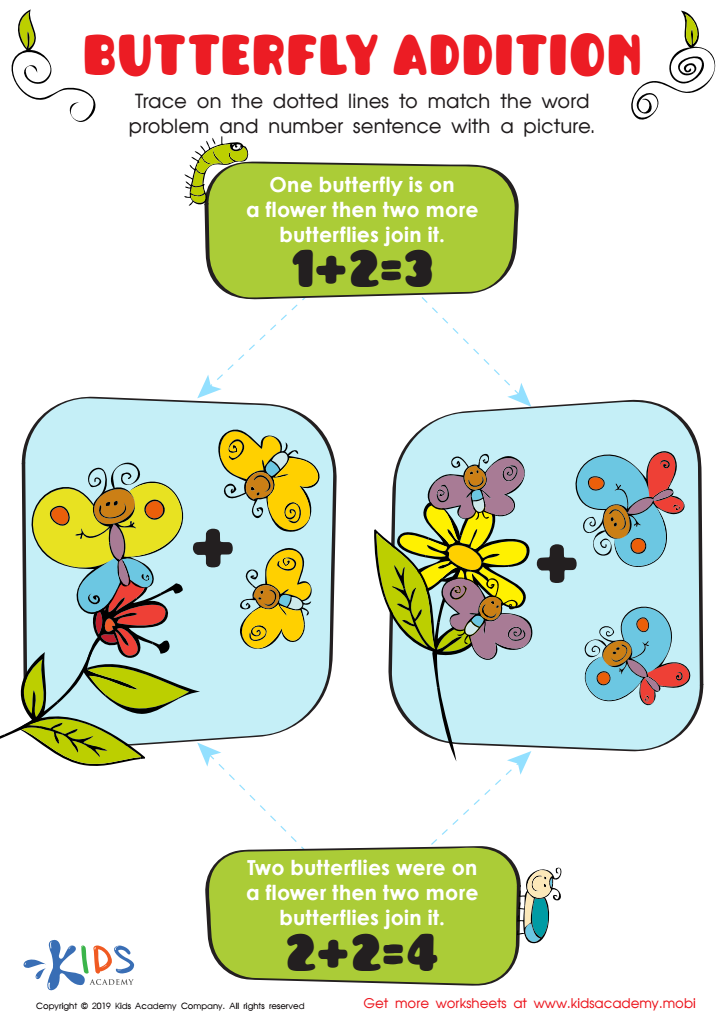
Butterfly Addition Worksheet
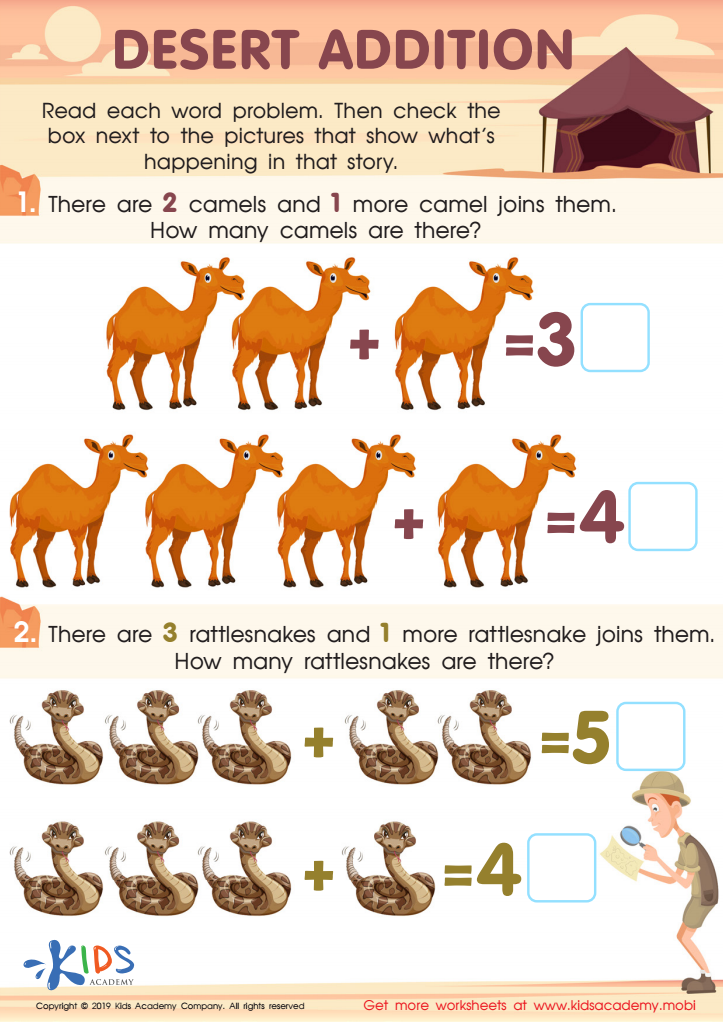
Desert Addition Worksheet
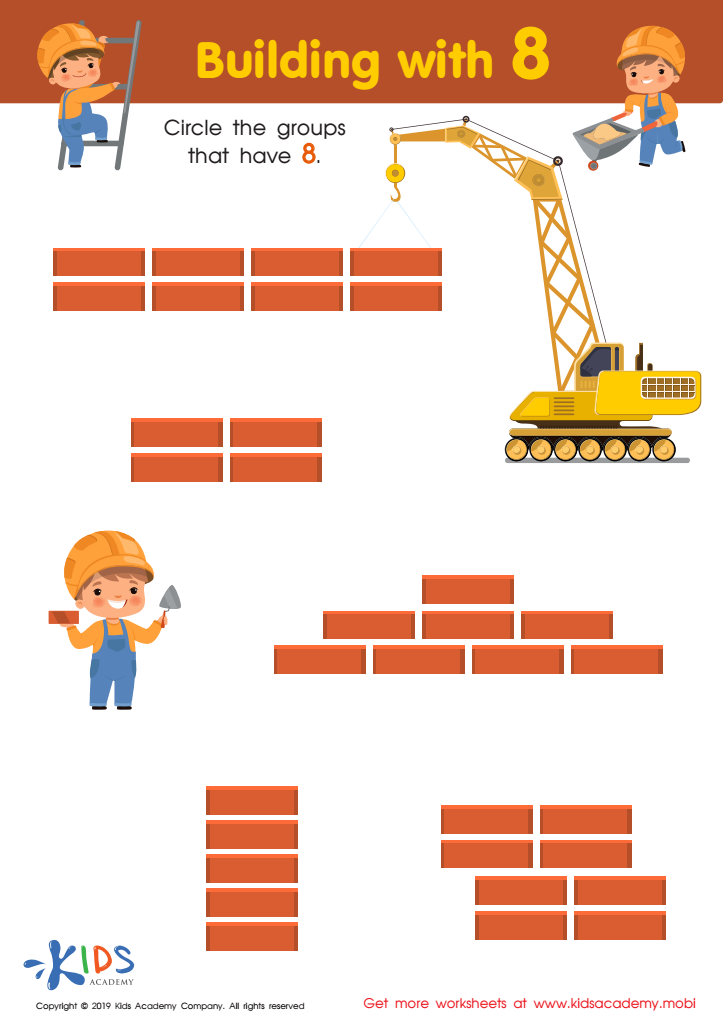
Building with 8 Worksheet
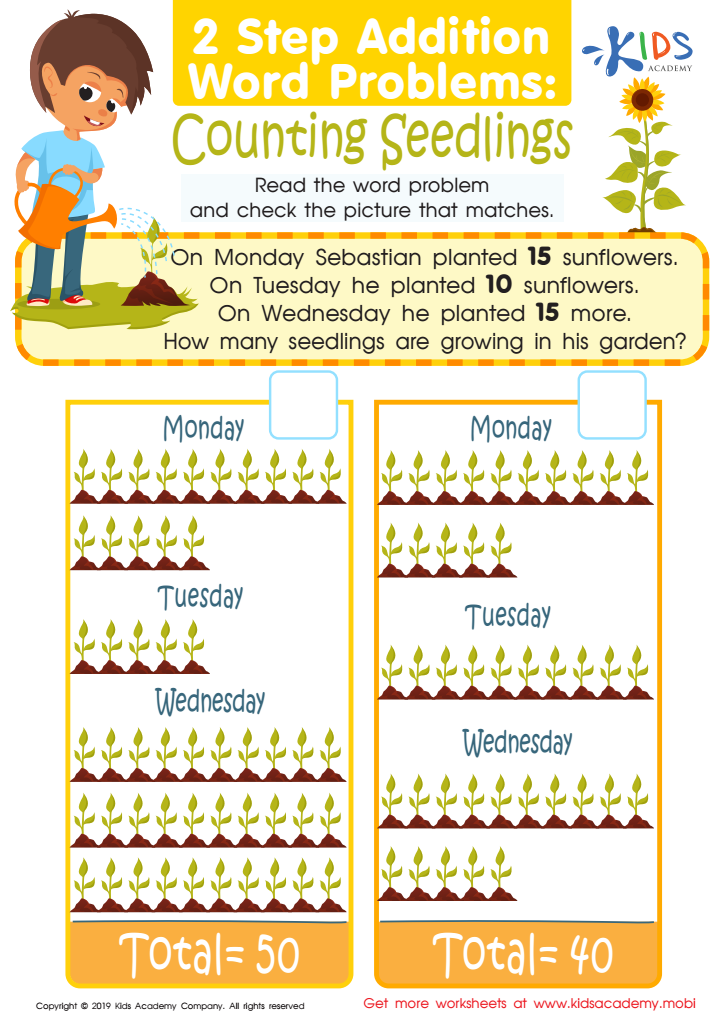
Counting Seedlings Worksheet
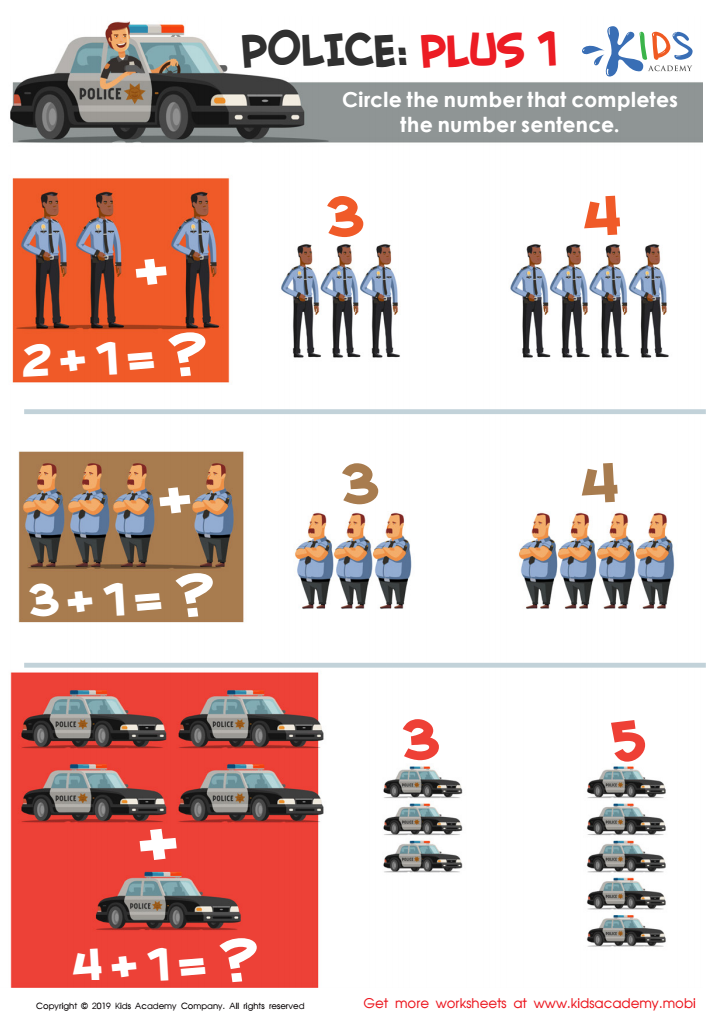
Police: Plus 1 Worksheet
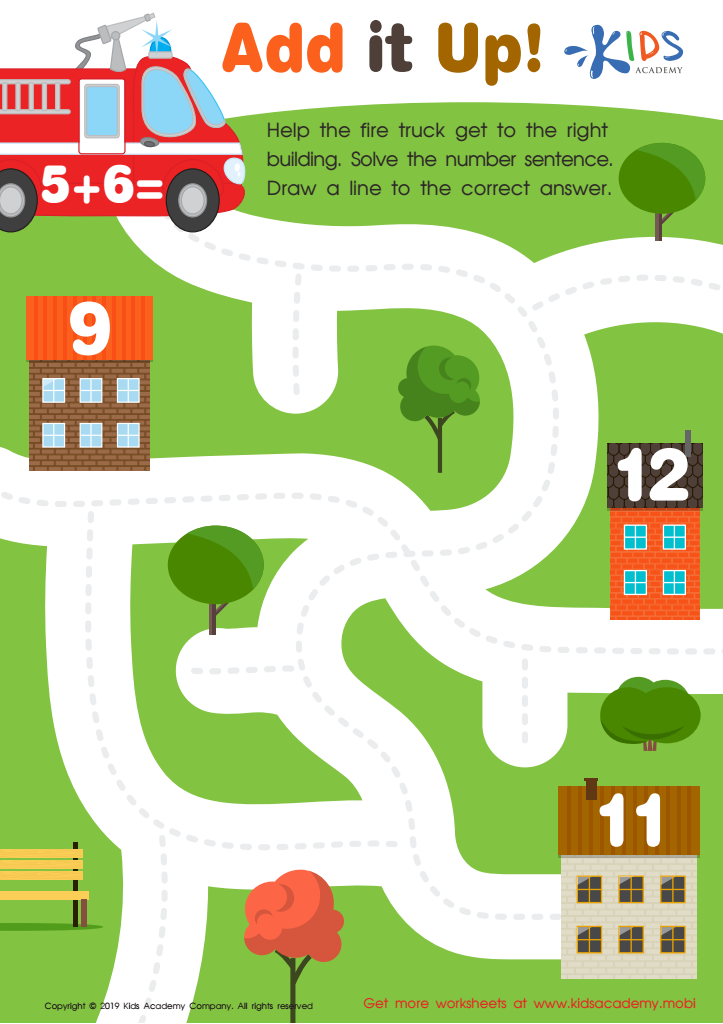
Add it Up Worksheet
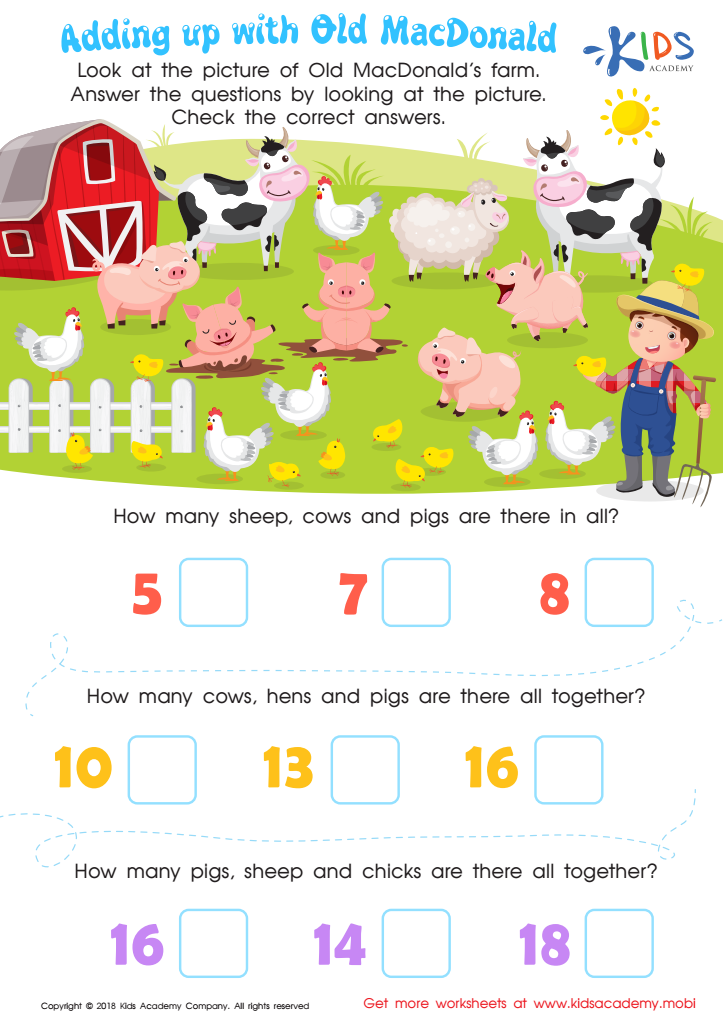
Adding Up with Old MacDonald Worksheet
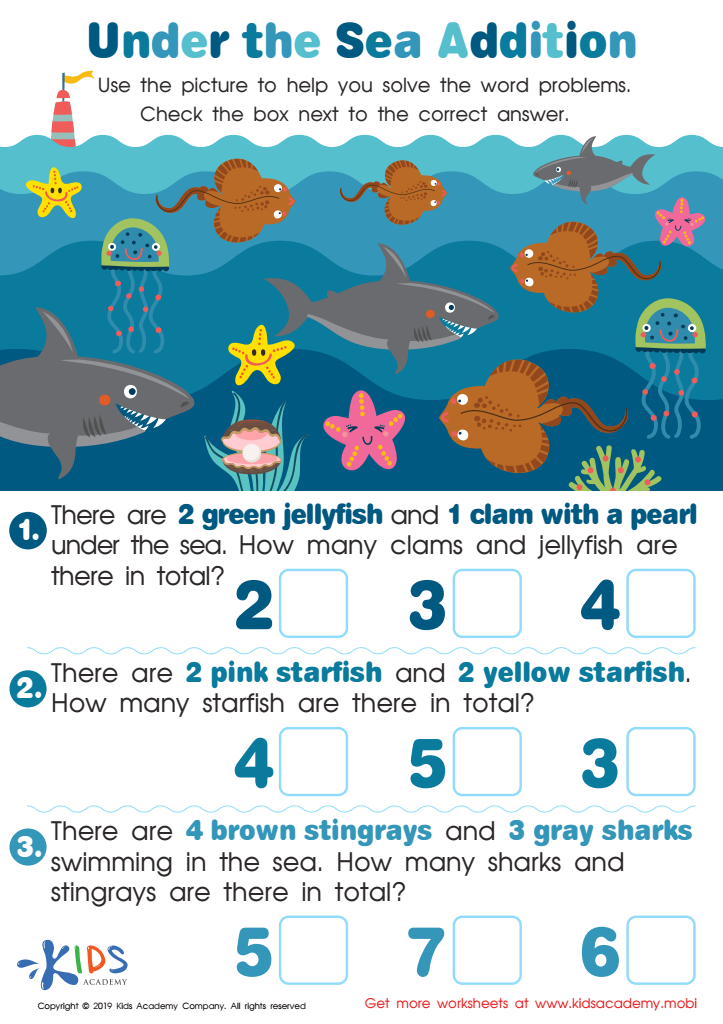
Under the Sea Addition Worksheet
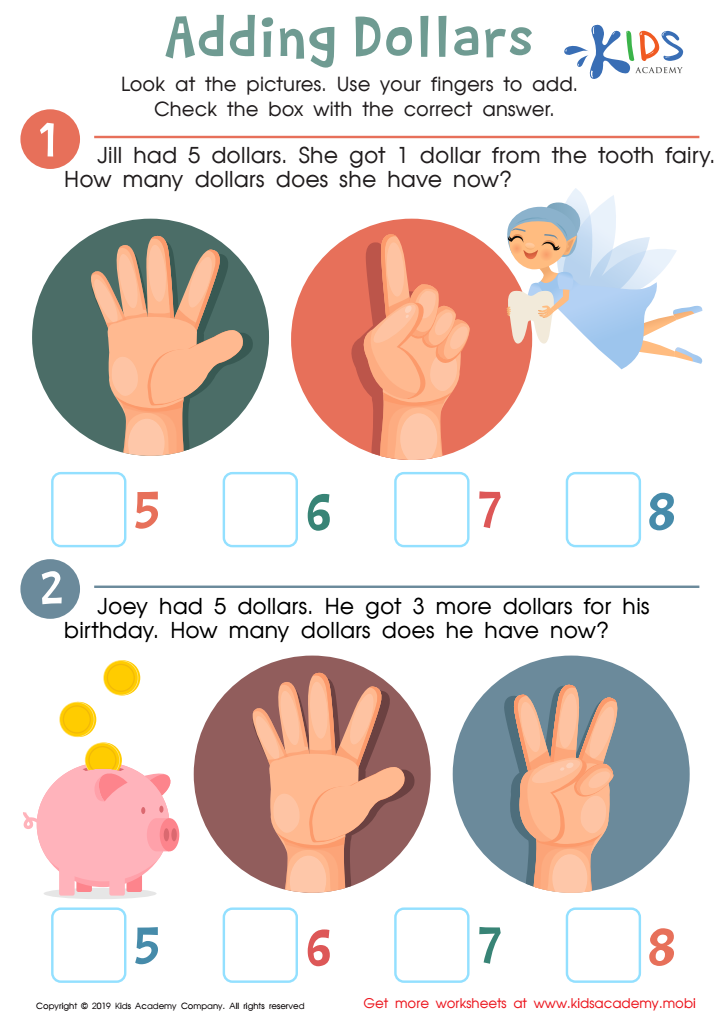
Tooth Fairy Addition Worksheet
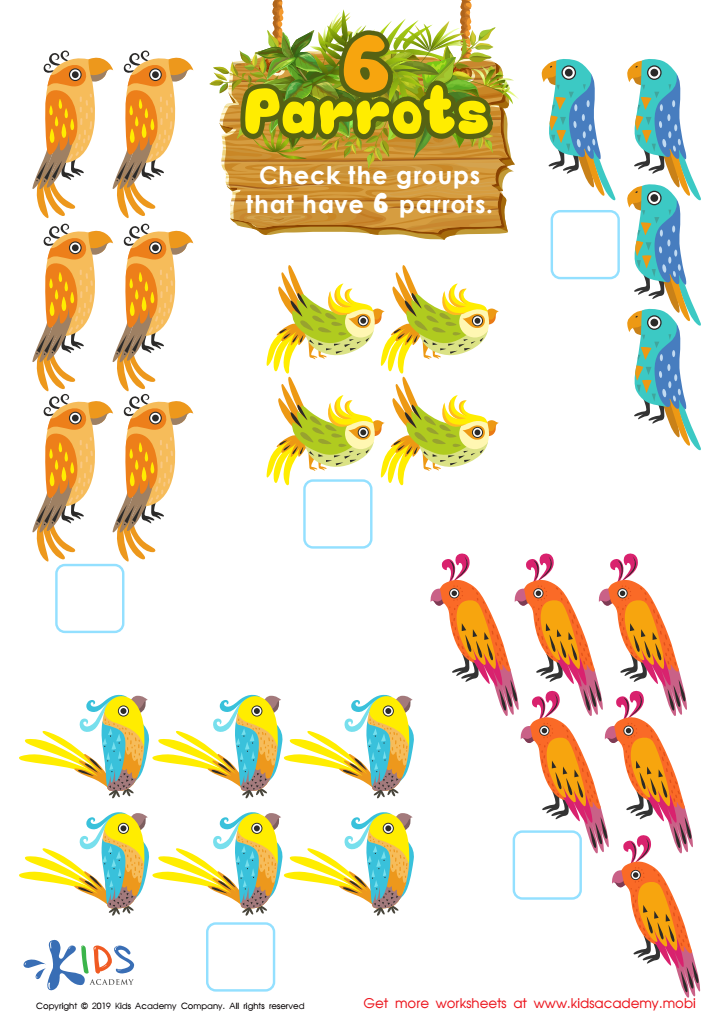
6 Parrots Worksheet
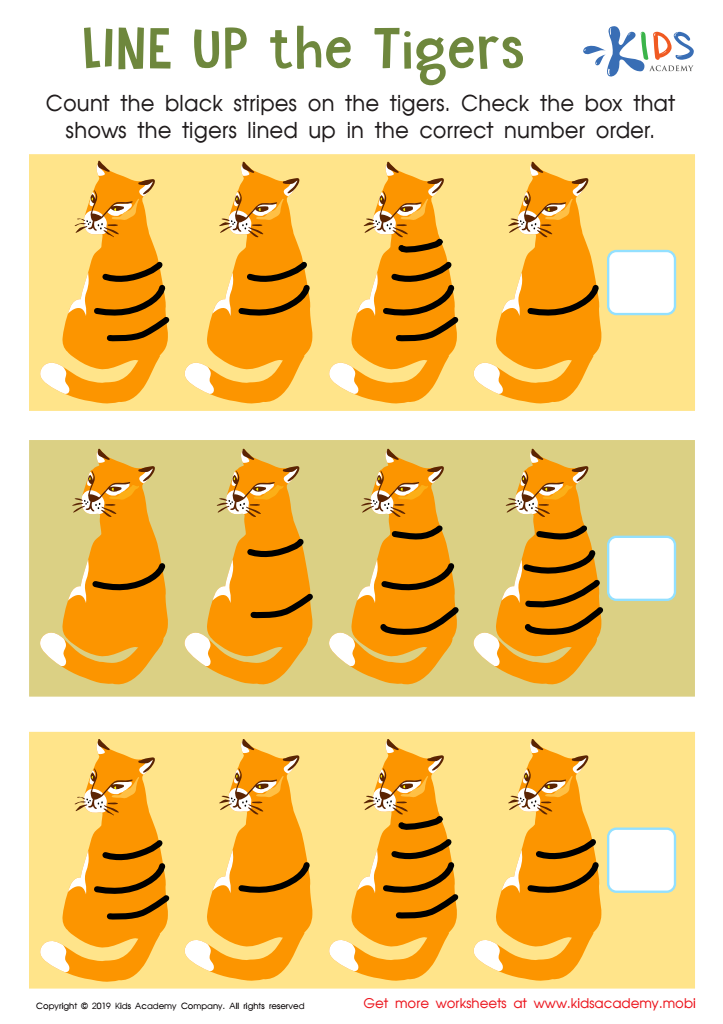
Line up the Tigers Worksheet
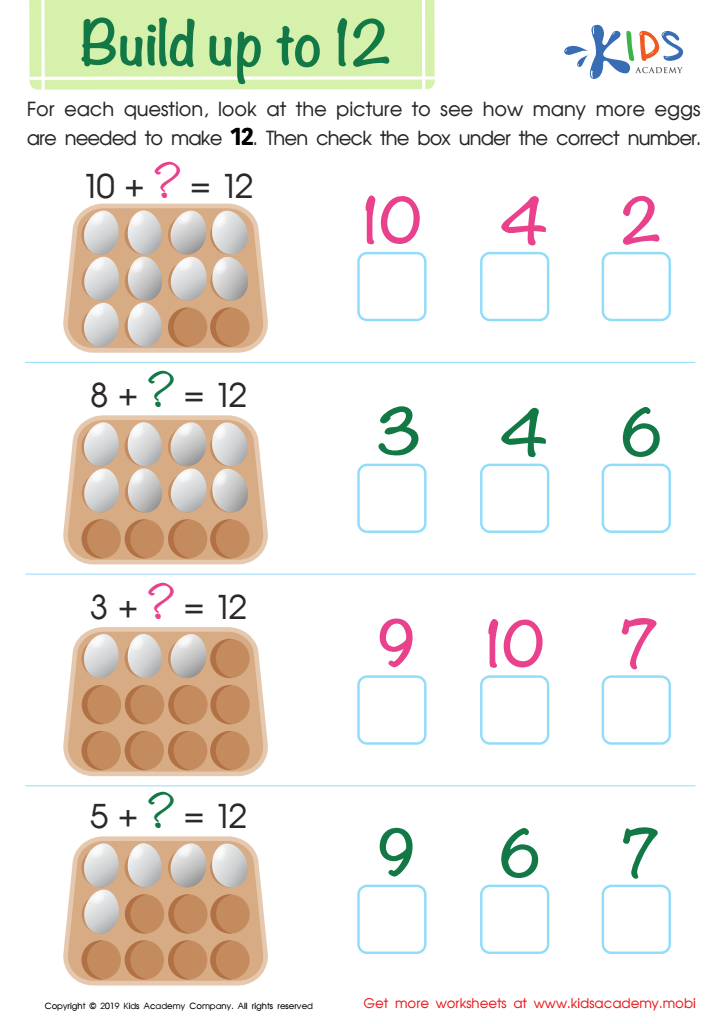
Build up to 12 Worksheet
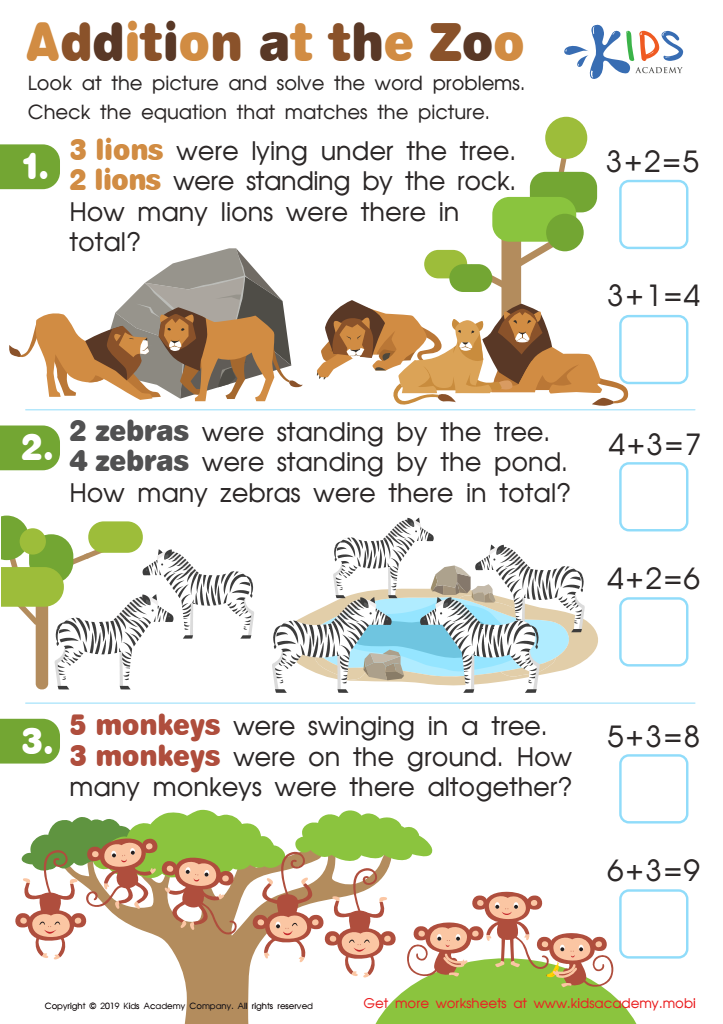
Addition at the Zoo Worksheet
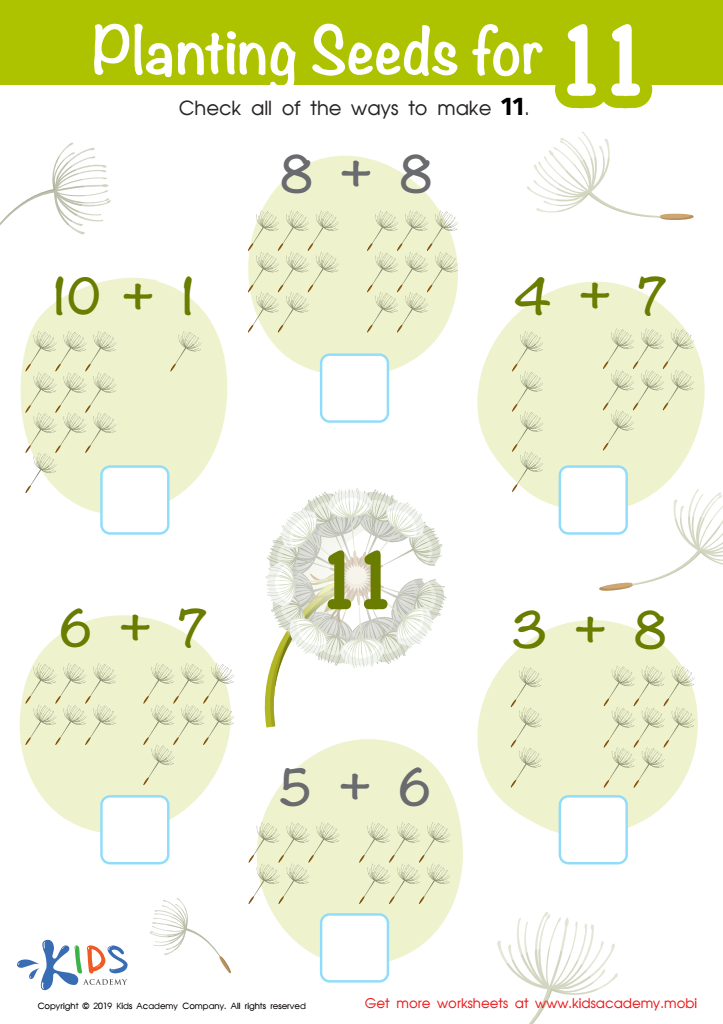
Planting Seeds for 11 Worksheet
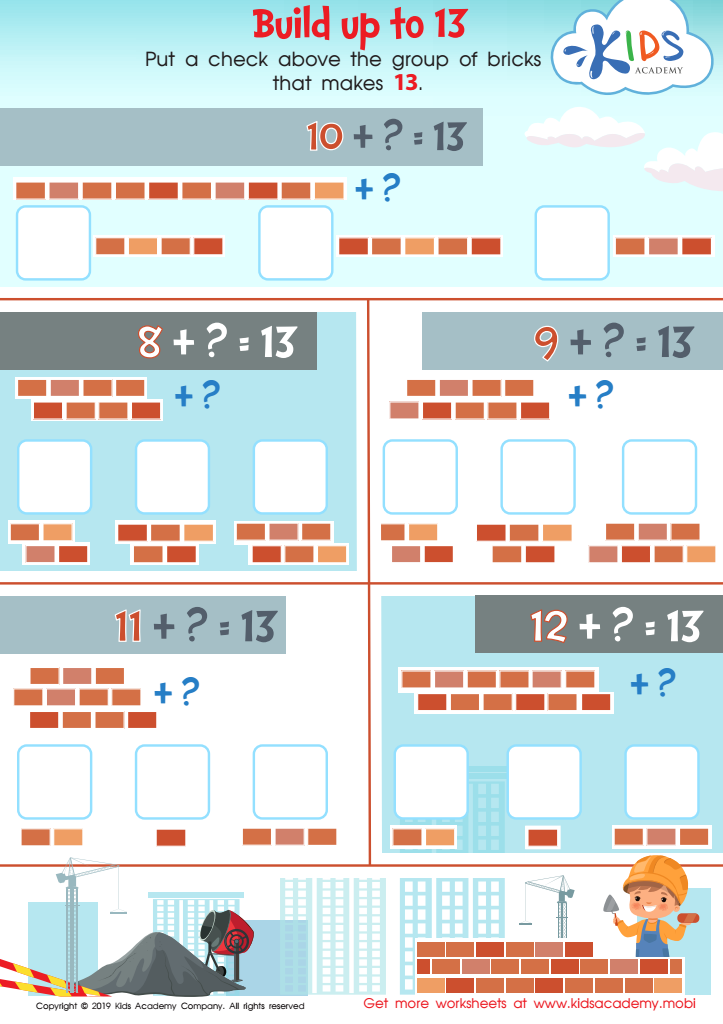
Build up to 13 Worksheet
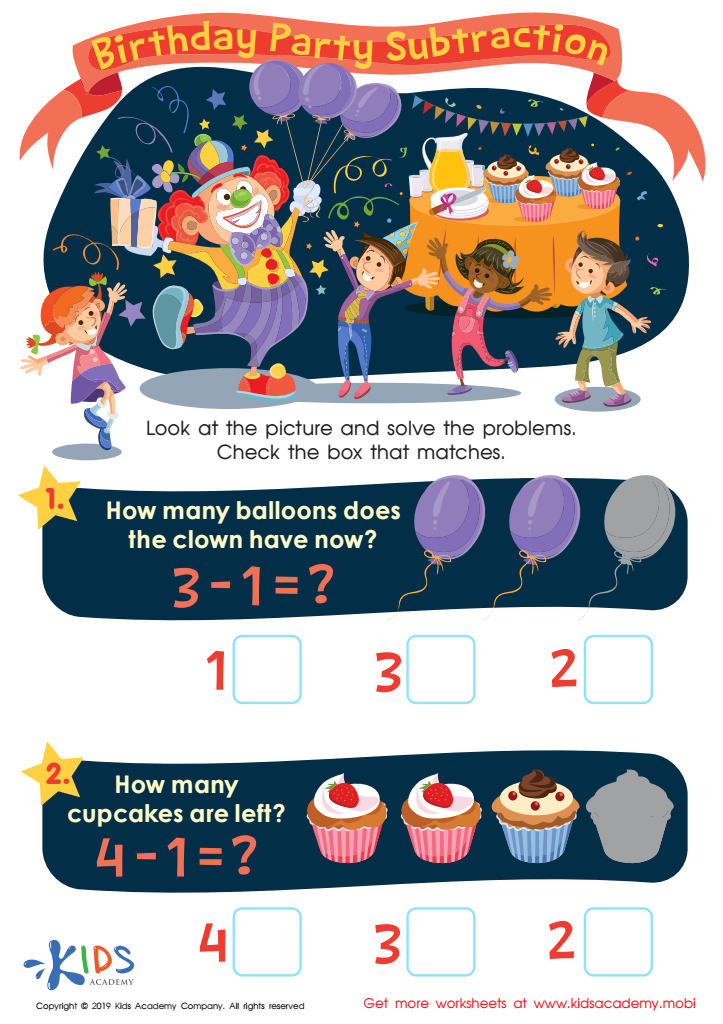
Birthday Party Subtraction Worksheet
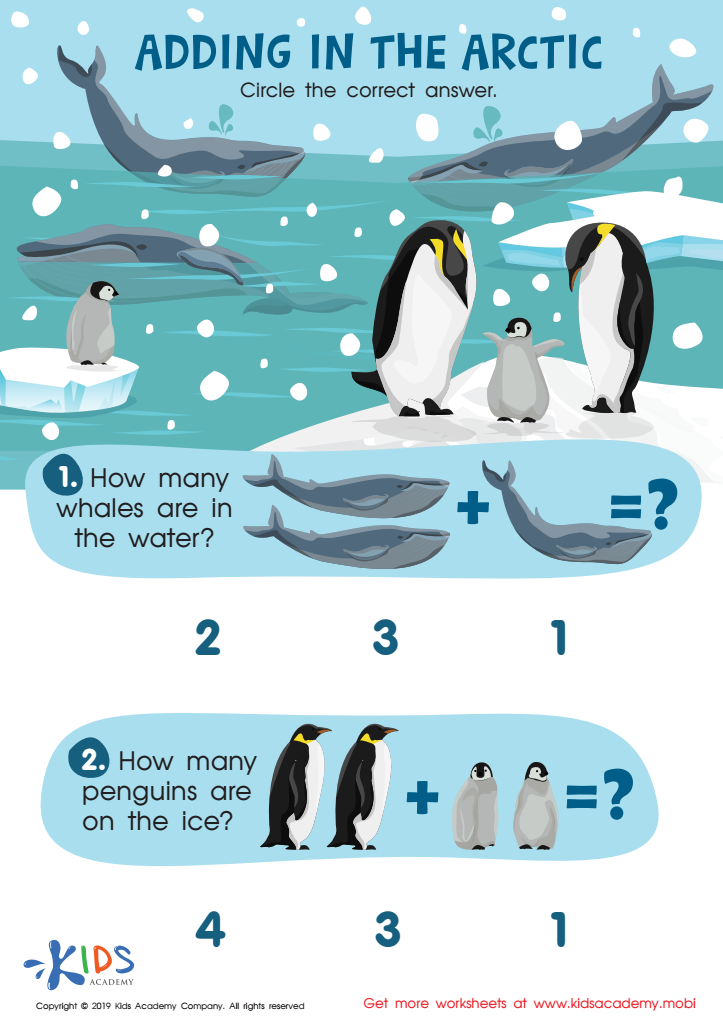
Adding in the Arctic Worksheet








Number recognition and basic addition and subtraction are foundational skills for young children aged 3-5. For parents and teachers, fostering these skills is crucial because they serve as stepping stones for future mathematical understanding and academic success.
Firstly, number recognition helps children develop a sense of numeracy, allowing them to understand quantity, sequence, and relationships between numbers. It nurtures their ability to recognize numbers in their environment, an essential skill for everyday tasks like counting objects or telling time.
Secondly, easy addition and subtraction provide early experiences with math that are pivotal for cognitive development. These basic operations stimulate critical thinking, problem-solving, and logical reasoning. Engaging children in fun activities that involve counting and simple calculations can enhance their confidence and enjoyment of math.
Moreover, introducing math concepts at this age supports the development of perseverance and resilience. Children learn to tackle challenges, understand that mistakes are part of the learning process, and gain a positive attitude towards math.
Encouraging number recognition and basic arithmetic in early childhood creates a strong foundation for lifelong learning, ensuring that children are well-prepared for more complex mathematical concepts as they grow. Therefore, parents and teachers play an essential role in making math engaging and accessible for young learners.








