Easy Beginning Sounds Worksheets for Ages 3-6
4 filtered results
-
From - To
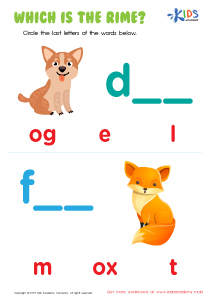
Introduce your little learners to the world of phonics with our Easy Beginning Sounds Worksheets for Ages 3-6! Perfectly designed for young children, these engaging worksheets help kids master the basics of alphabet recognition and phonemic awareness. Vibrant illustrations and fun activities make learning interactive and enjoyable. Tailored for early learners, each worksheet fosters confidence in identifying initial sounds of words, promoting foundational reading skills. Ideal for parents and teachers seeking effective educational resources, these worksheets are a great addition to any early childhood learning plan. Boost your child's literacy journey today with our expertly crafted materials!
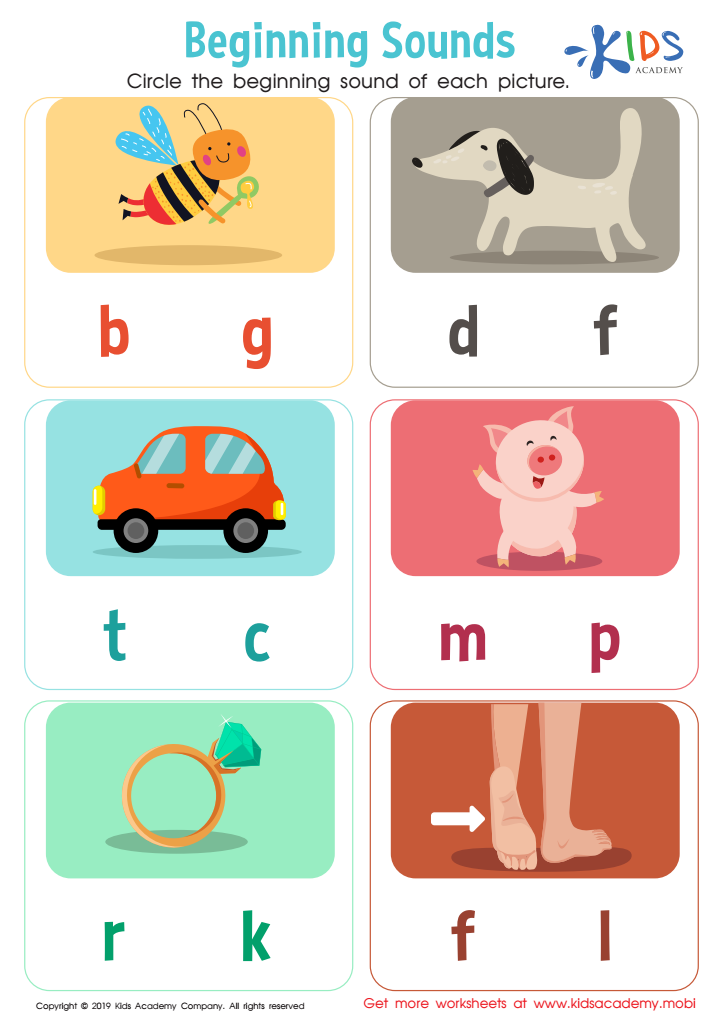
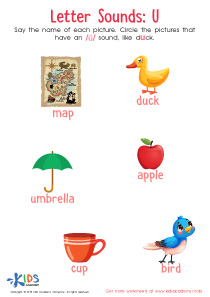
Beginning Sounds Worksheet
 Assign to My Students
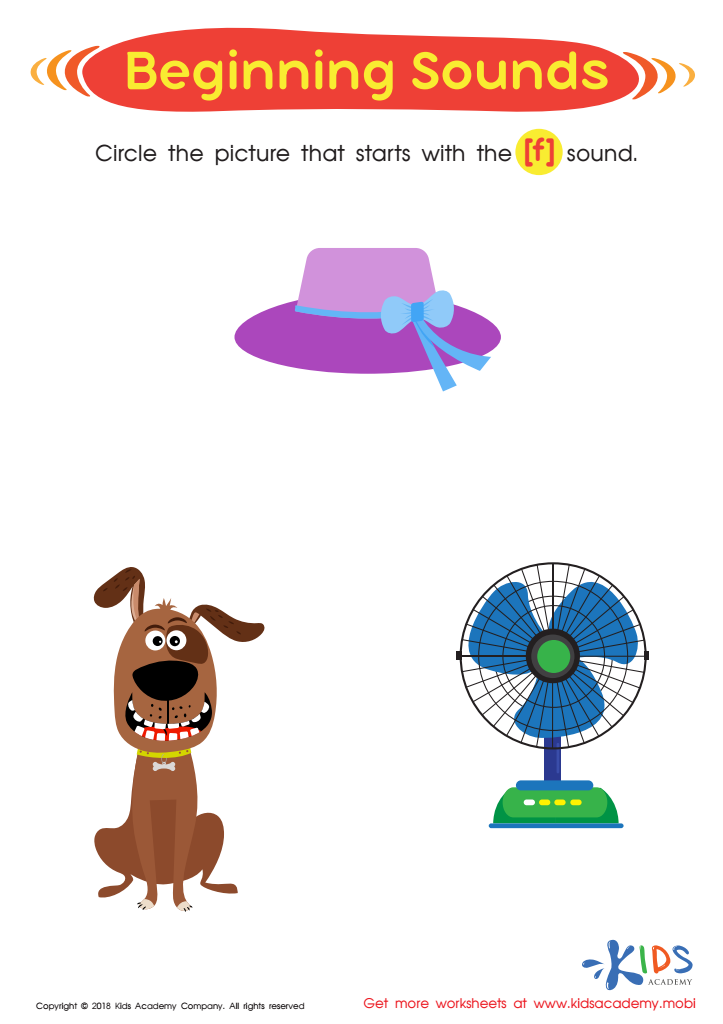
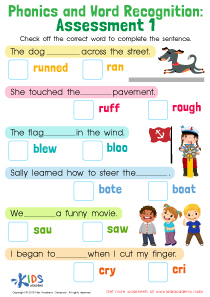
Beginning Sounds Assessment Printable
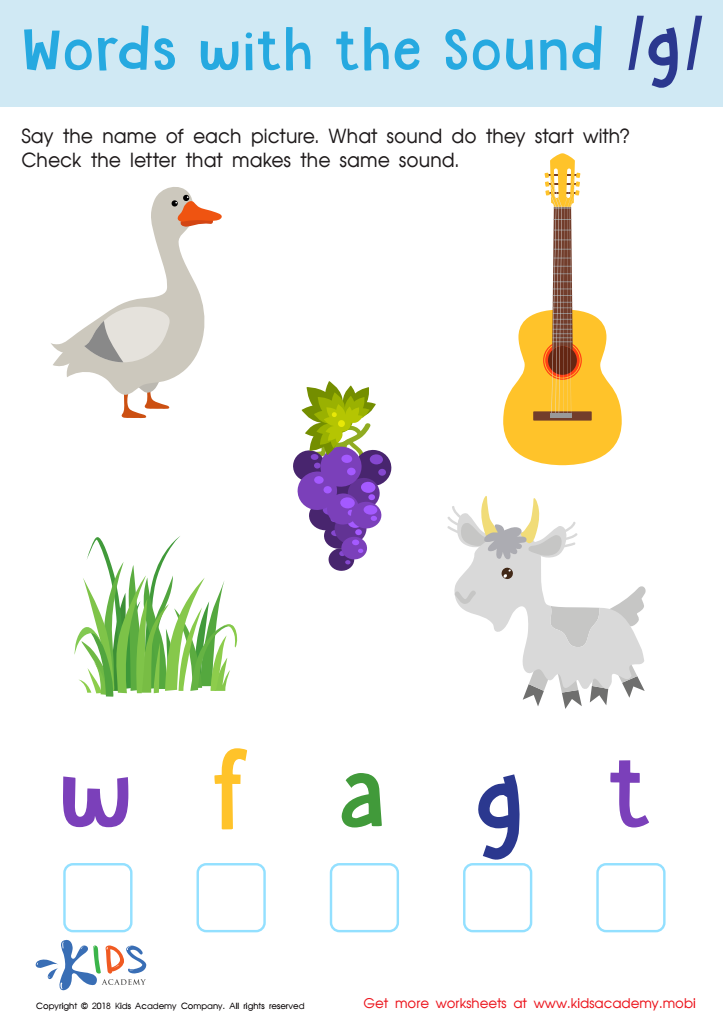
Words with sound g Reading Worksheet
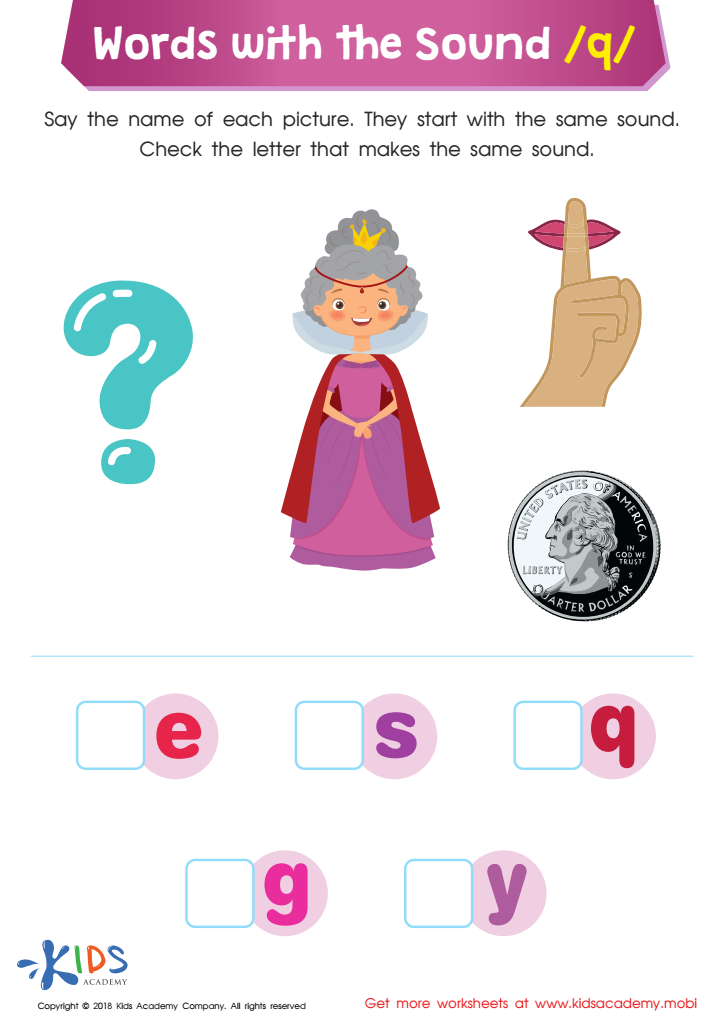
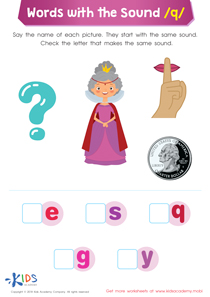
Words with Sound Q Reading Worksheet








Easy Beginning Sounds is a crucial foundation for children ages 3-6 as it lays the groundwork for reading and literacy skills. At this formative stage, children’s brains are highly receptive to learning sounds, letters, and words. Recognizing beginning sounds helps children connect letters to their corresponding sounds, an essential step in phonemic awareness. Phonemic awareness, the ability to hear and manipulate sounds in words, is a predictive skill for future reading success.
When parents and teachers emphasize beginning sounds, they support children in recognizing patterns in letters and sounds, helping them decode new words and facilitating smoother, more confident reading. This early literacy foundation makes learning to read a more natural and enjoyable process, fostering a lifelong love for reading and learning.
Moreover, integrating beginning sounds education into everyday activities can promote social interaction, enhance vocabulary, and boost cognitive development. Activities like singing alphabet songs, engaging in phonics games, or reading aloud can also strengthen the bond between adult and child, creating a positive learning environment.
Overall, focusing on Easy Beginning Sounds for young children is vital since it builds essential literacy skills, giving them the confidence and tools they need for academic success and beyond.