Capitalization rules Easy Alphabet Worksheets for Ages 3-6
4 filtered results
-
From - To
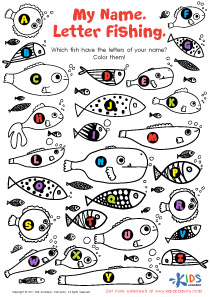
Discover our "Capitalization Rules Easy Alphabet Worksheets" designed for children ages 3-6! These engaging worksheets simplify the concept of capitalization, making it fun for young learners to understand when to capitalize letters. By incorporating colorful illustrations and interactive activities, we help kids recognize proper nouns, beginning sentences, and specific names. Ideal for preschool and kindergarten, our worksheets not only develop handwriting skills but also promote critical thinking as children learn the importance of capitalization in reading and writing. Perfect for at-home learning or classroom use, these resources lay a strong foundation for literacy while keeping learning enjoyable and accessible!
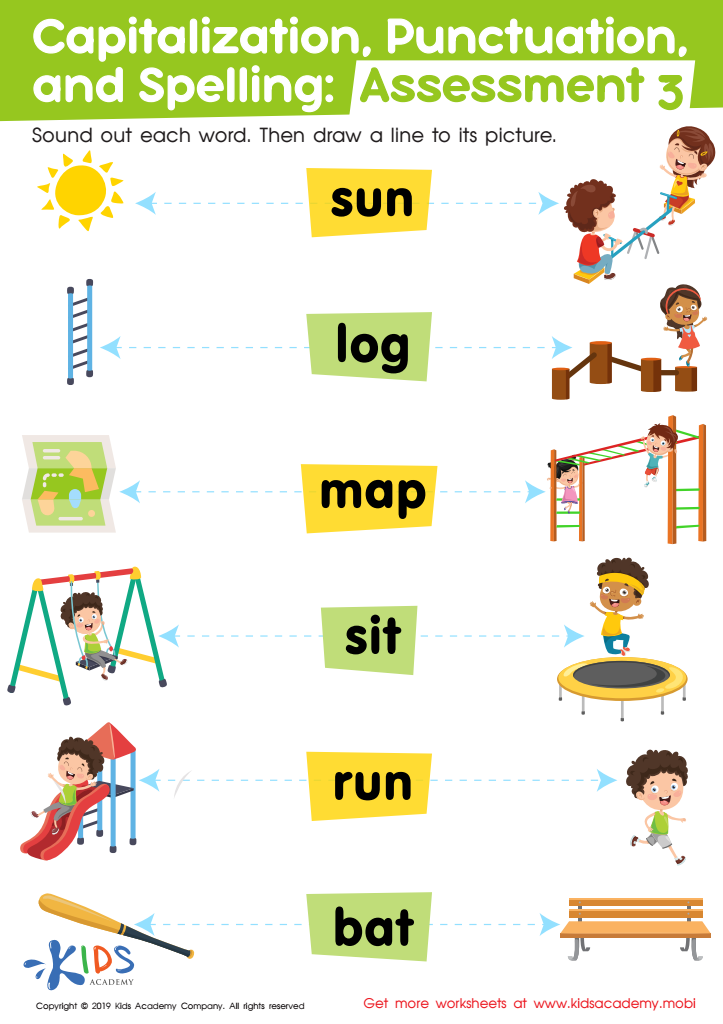
Capitalization. Punctuation. Spelling. Assessment 3 Worksheet
 Assign to My Students
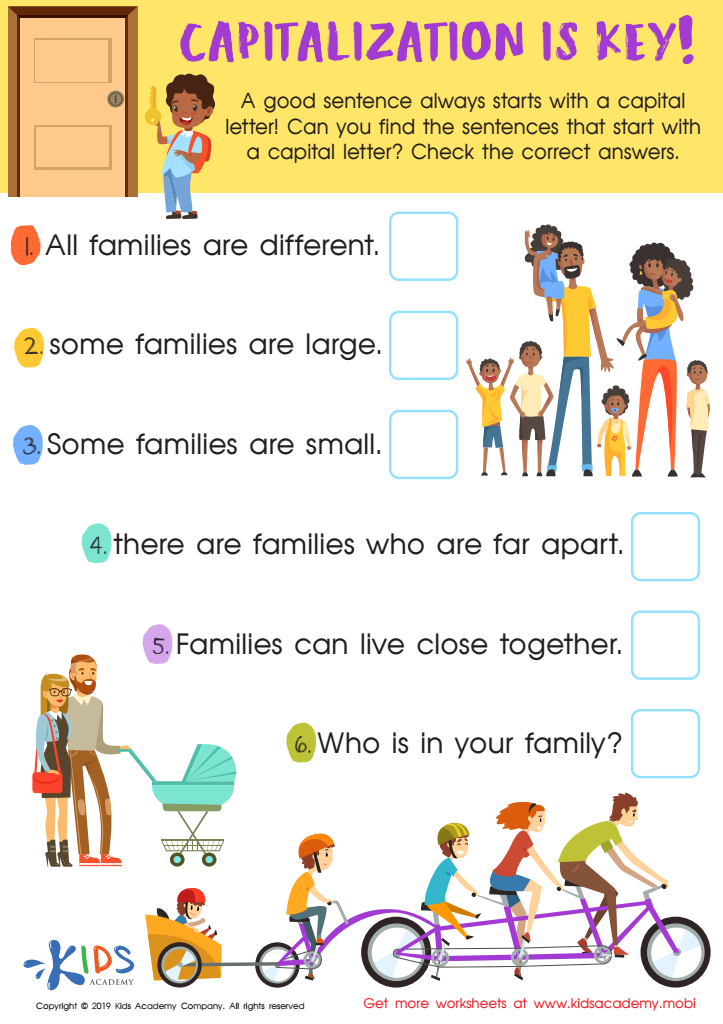
Capitalization Key Worksheet
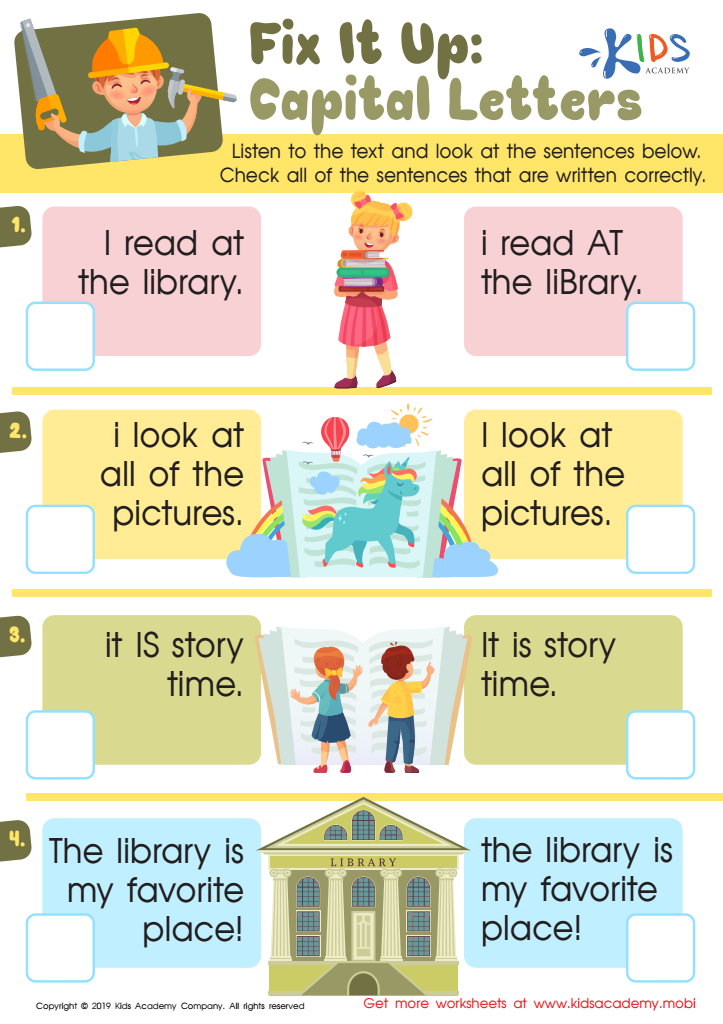
Fix Capital Letters Worksheet
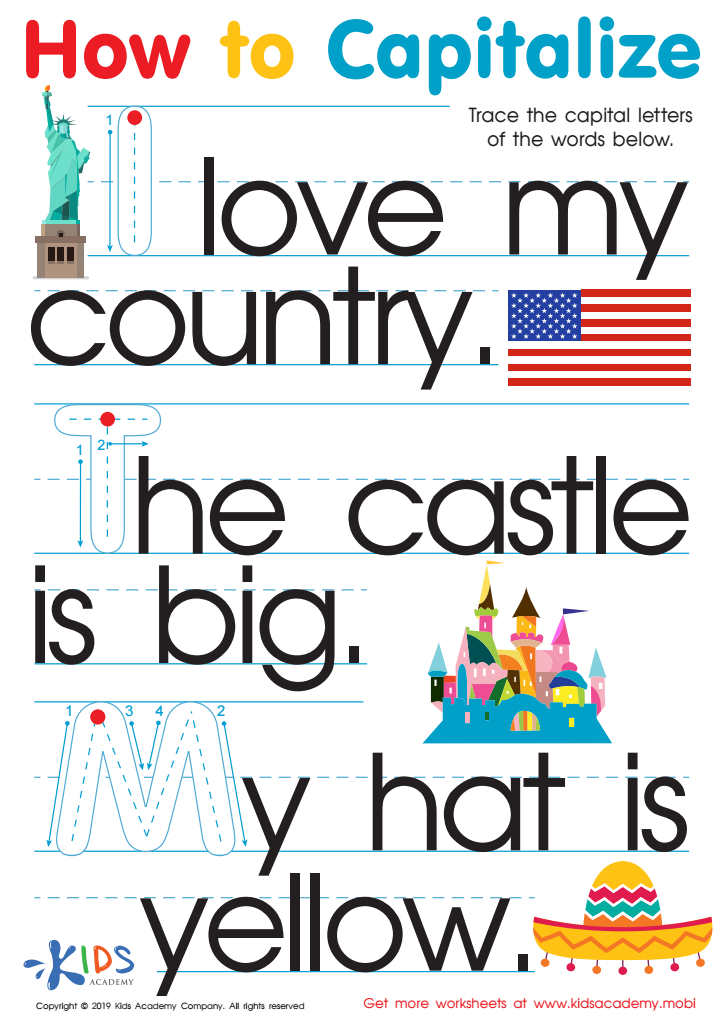
How to Capitalize Worksheet







Capitalization rules are foundational components of early literacy that play a crucial role in a child's learning journey. For parents and teachers of children aged 3-6, understanding these rules lays the groundwork for effective communication and reading skills. Proper capitalization differentiates between common and proper nouns, marking the beginning of sentences, and highlighting important aspects of text, which aids in comprehension.
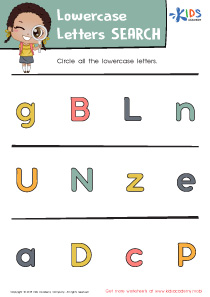
When children begin to recognize and apply capitalization rules, they develop important language skills, enhance their writing abilities, and boost their confidence. Observing how caps and lowercase letters work offers young learners a grasp of written language structures that will serve them as they progress academically.
Incorporating fun and engaging activities around capitalization, such as storytelling or interactive games, makes learning enjoyable and memorable. This early exposure instills good writing habits and sets the stage for future literacy development.
Moreover, being attentive to capitalization helps foster a sense of creativity as children take ownership of their writing. When children feel empowered to express themselves while following basic writing rules, they are more likely to engage in writing activities, enhancing both their engagement and enthusiasm for learning. Hence, parents and teachers play a vital role in nurturing these skills.