Hand-eye Coordination Easy Alphabet Worksheets for Ages 3-6
3 filtered results
Difficulty Level
Grade
Age
-
From - To
Subject
Activity
Standards
Enhance your child's hand-eye coordination with our Easy Alphabet Worksheets, specifically designed for children ages 3-6. These engaging, printable activities help young learners effortlessly connect letters with motor skills, making the learning process enjoyable and effective. Each worksheet features fun illustrations and interactive exercises that encourage kids to practice writing, tracing, and recognizing letters while improving their coordination. Perfect for both classroom settings and at-home practice, these worksheets provide a solid foundation for literacy development. Watch as your little ones gain confidence in their abilities while exploring the exciting world of the alphabet! Start their educational journey today!
Favorites
With answer key
Interactive
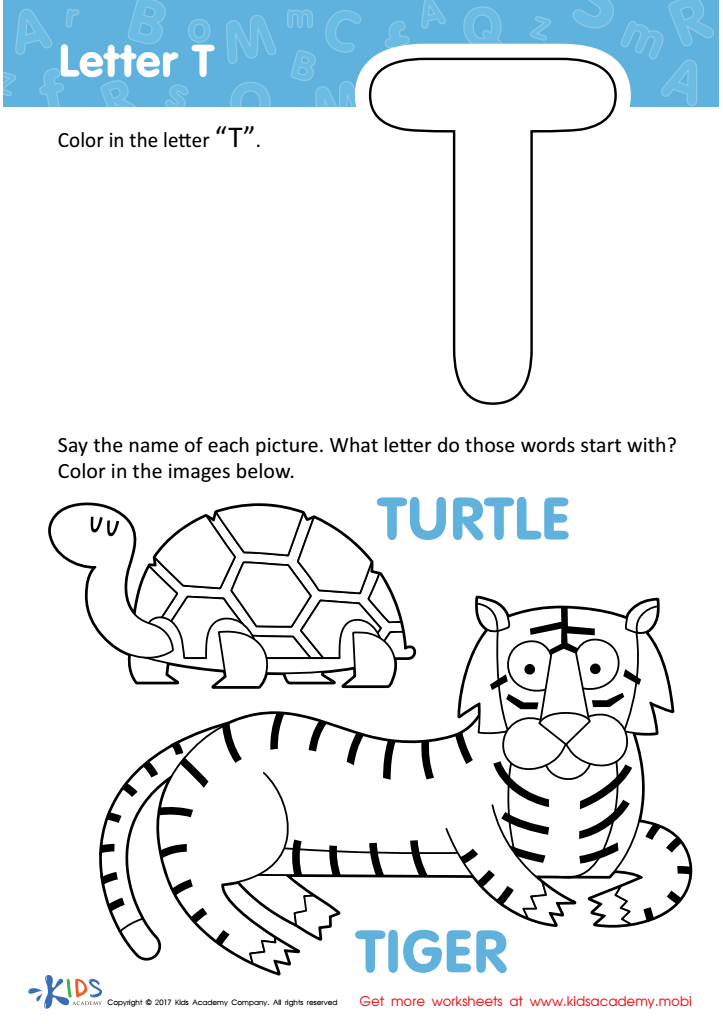
Letter T Coloring Sheet
Introduce your child to the letter "T" and its animals – turtles and tigers! With this coloring page, you can stimulate your child's imagination and creativity, while helping them recognize the letter "T". Have fun with your child and get coloring!
Download (PDF)
 Assign to My Students
Assign to My Students
Letter T Coloring Sheet
Worksheet
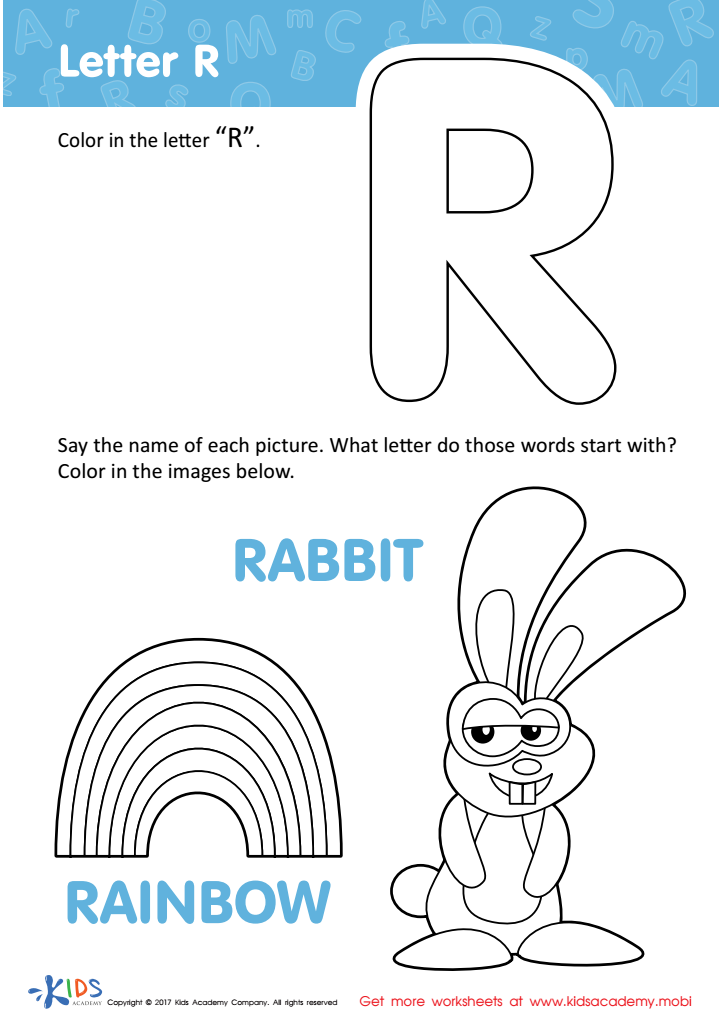
Letter R Coloring Sheet
Let your child explore the rainbow with this fun letter "R" coloring page! They can learn to recognize the letter and make connections to words, all while having fun! Make alphabet learning enjoyable with joyful coloring pages.
Download (PDF)
Assign to My Students
Assign to My Students
Letter R Coloring Sheet
Worksheet
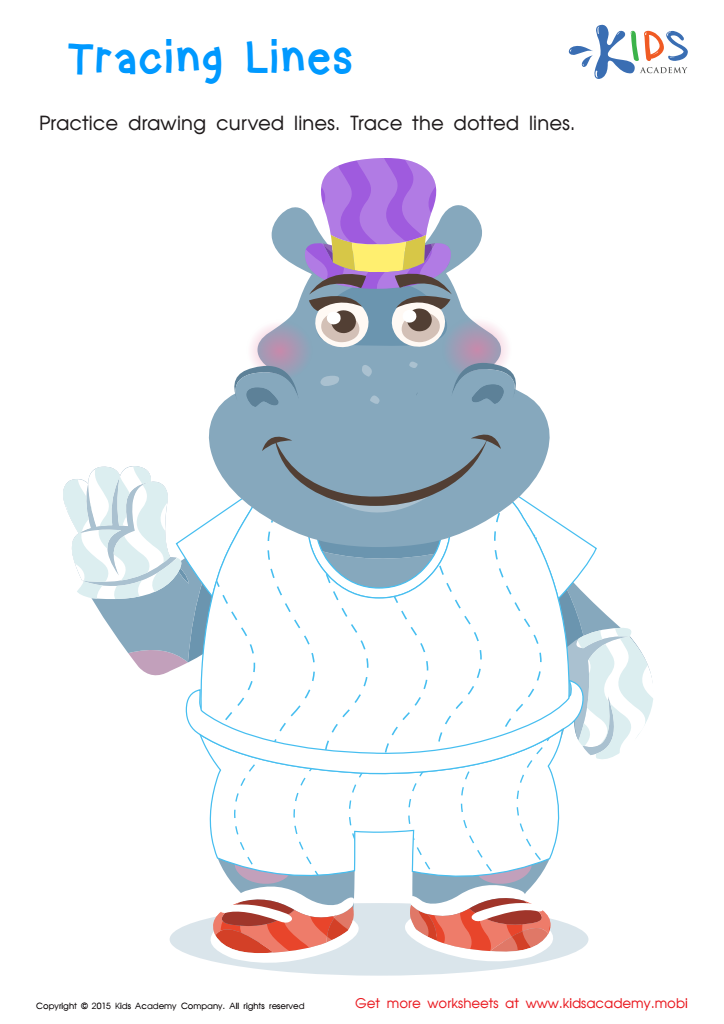
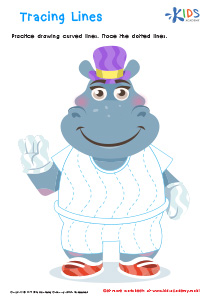
Tracing Lines Worksheet
Help your child nurture their writing and drawing skills with this cute tracing lines PDF worksheet. It improves pencil grip and hand-to-eye coordination, a key step in learning to write. Have fun and watch your child's confidence grow!
Tracing Lines Worksheet
Worksheet
Join Kids Academy for Free
Who is primarily going to use this learning content?








Hand-eye coordination plays a vital role in a child's overall development, especially for ages 3 to 6. As young children engage with activities like the Easy Alphabet, they enhance their ability to coordinate their visual input with motor actions, essential for tasks like writing, drawing, and even sport-related skills. Developing this skill fosters confidence in navigating activities requiring precision and control.
Parents and teachers should prioritize resources like Hand-eye Coordination Easy Alphabet to reinforce early learning in a fun, engaging way. Activities stemming from this program not only teach letter recognition but also promote fine motor skills by involving hands-on activities like tracing, coloring, or assembling letters. These activities enhance not just motor skills but cognitive processes called “visual-motor integration,” crucial as children progress to higher levels of learning.
Furthermore, fostering strong hand-eye coordination during these formative years lays a solid foundation for future academic success. Consequently, ensuring children engage in such playful yet educational activities equips them with the skills required for more complex tasks in later childhood, making parental and educator involvement pivotal in creating a conducive learning environment. This investment in early development can lead to better academic performance and increased self-esteem as children develop new abilities.