Alphabet Recognition Easy Letter Recognition Worksheets for Ages 3-6
5 filtered results
-
From - To
Alphabet Recognition Easy Letter Recognition Worksheets for Ages 3-6 are perfect for young learners beginning their alphabet journey. These engaging, easy-to-follow printable worksheets aid in teaching each letter, both uppercase and lowercase, through fun activities like tracing, reading, and matching. Designed to build a strong foundation in letter recognition, these worksheets support early reading skills and phonics development. Ideal for children ages 3-6, they combine learning and play, making them ideal for home or preschool classrooms. Help your little one navigate the world of letters with our comprehensive alphabet recognition worksheets!
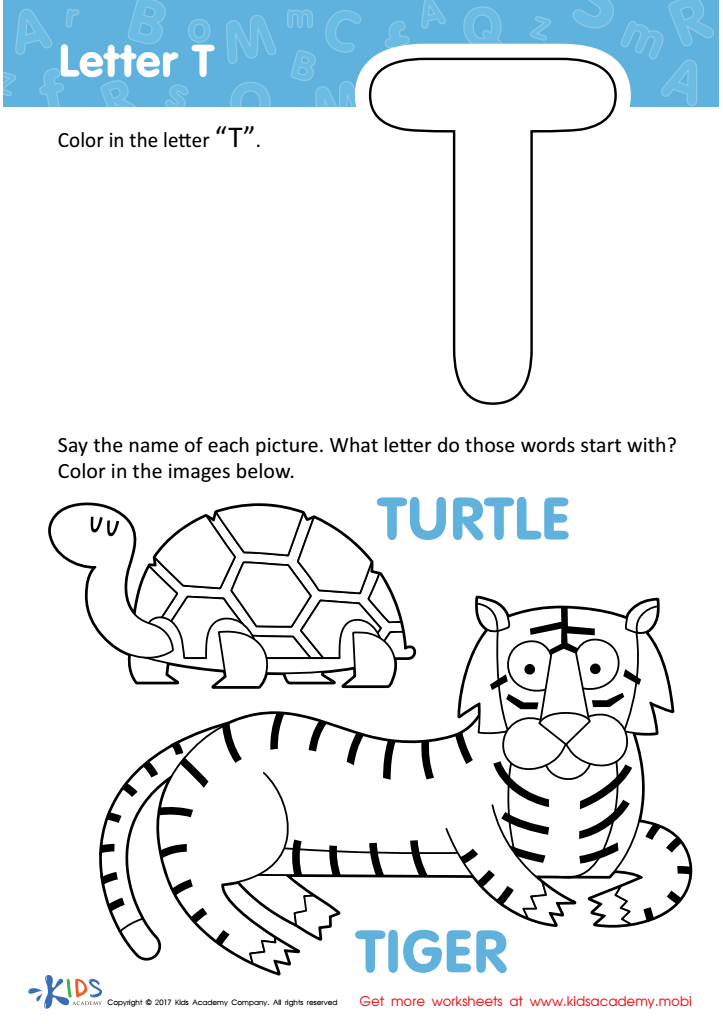
Letter T Coloring Sheet
 Assign to My Students
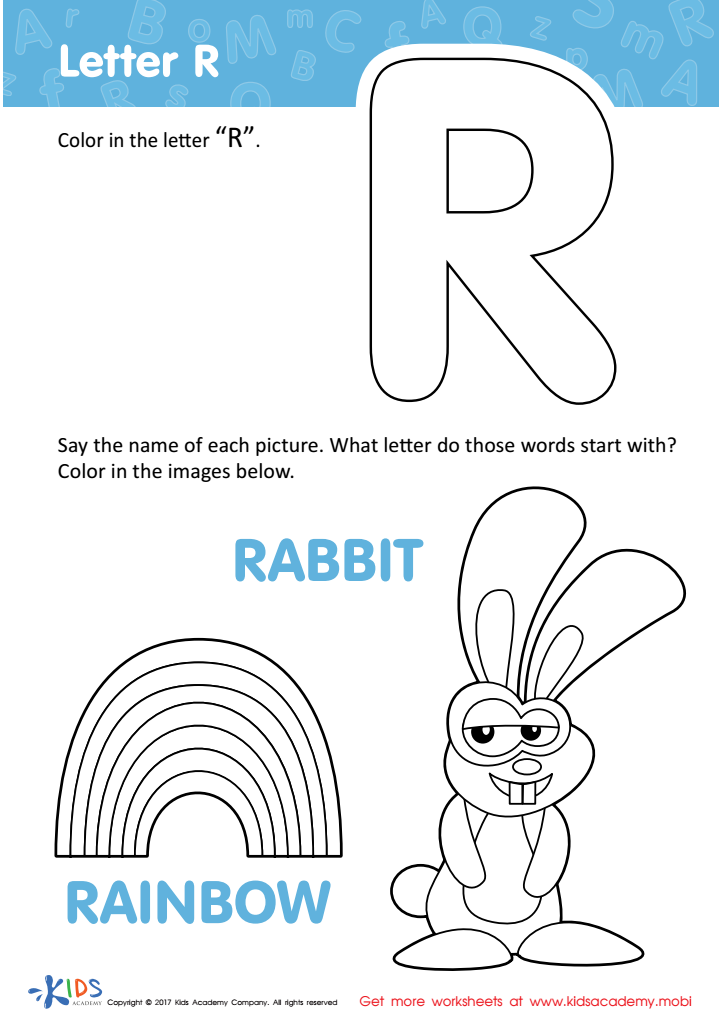
Letter R Coloring Sheet
Assign to My Students
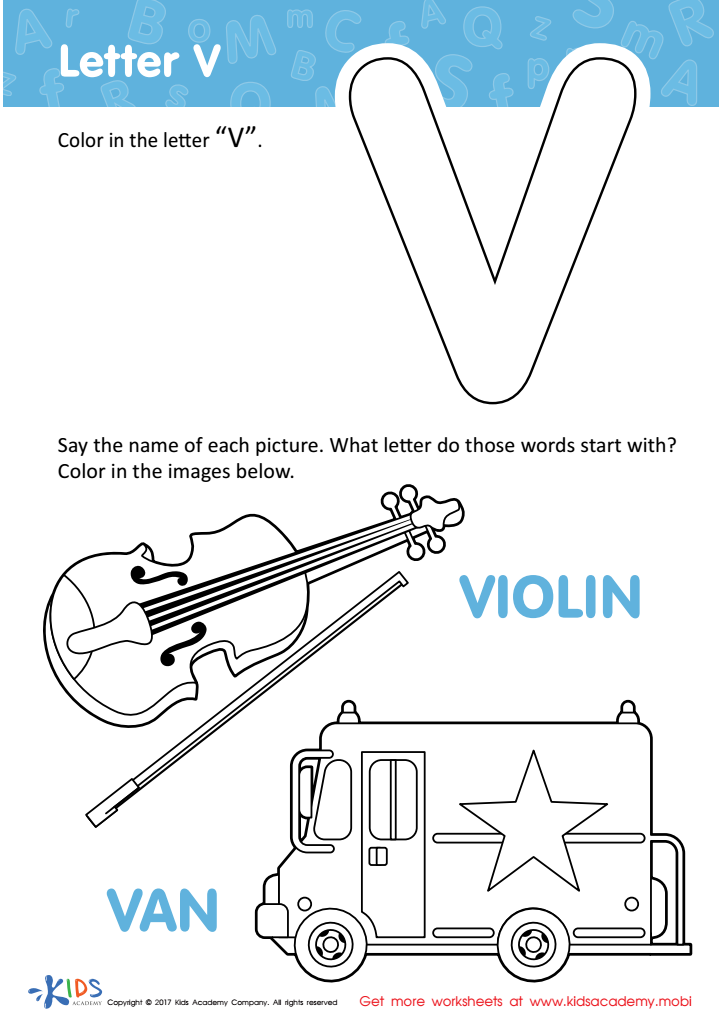
Letter V Coloring Sheet
Assign to My Students
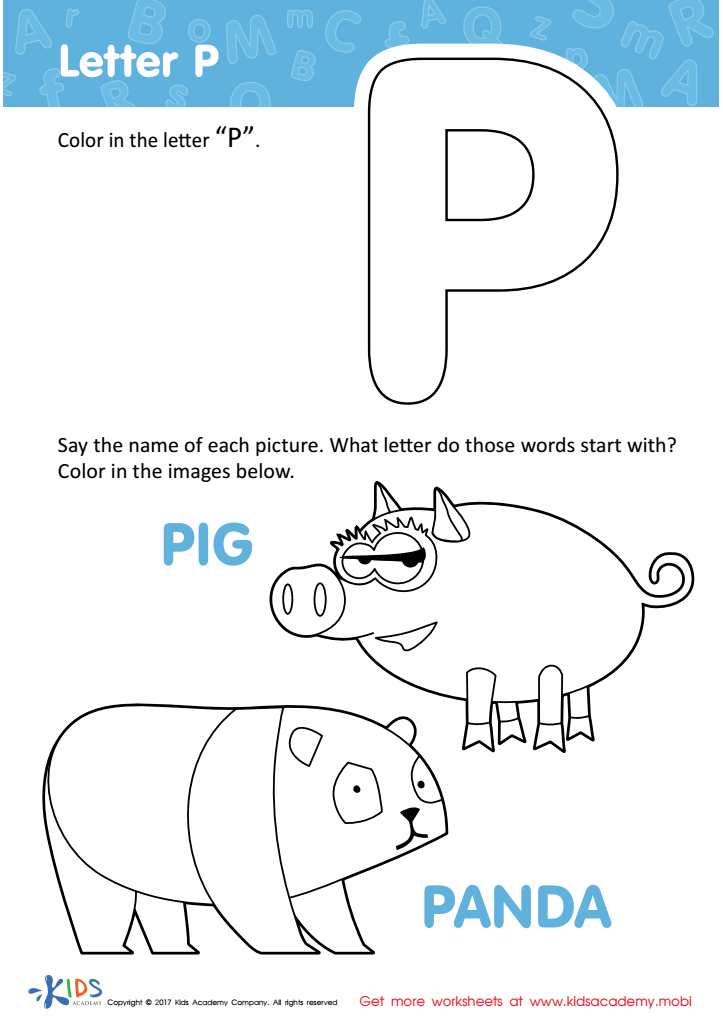
Letter P Coloring Sheet
Assign to My Students
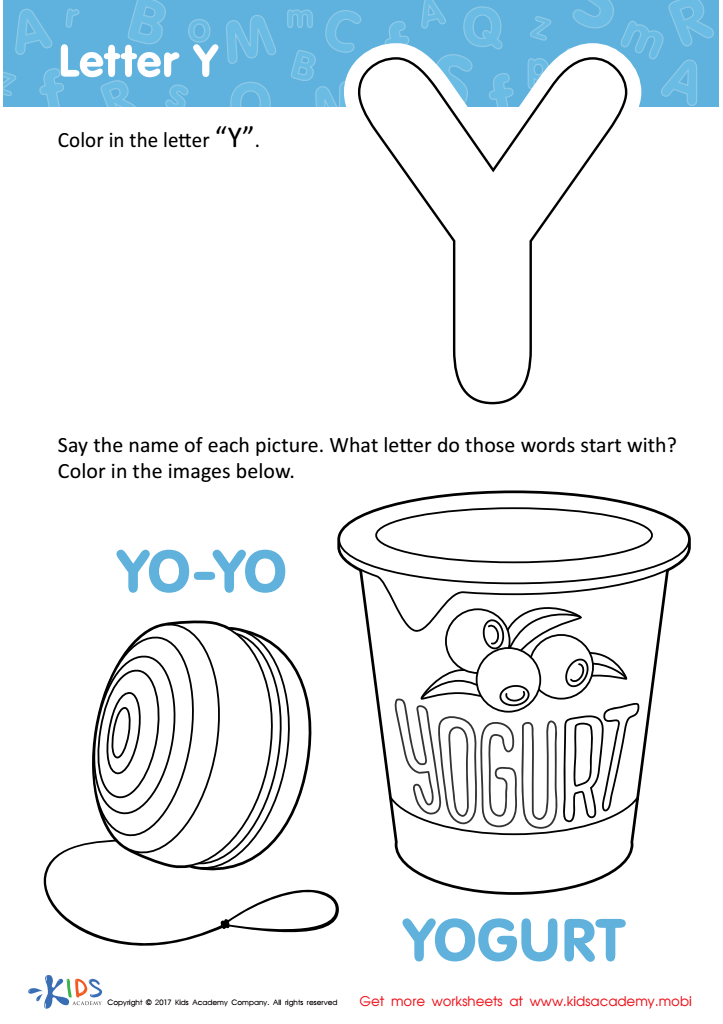
Letter Y Coloring Sheet
Assign to My Students








Alphabet Recognition is a foundational skill for early childhood development and literacy, pivotal for children aged 3-6. Parents and teachers should care deeply about Alphabet Recognition Easy Letter Recognition, because it is a cornerstone of future learning. The recognition of letters is one of the earliest steps in reading and writing. When children can easily identify letters and differentiate between their shapes and sounds, they are prepared to comprehensively learn to read words, sentences, and paragraphs.
Mastery of letter recognition supports phonemic awareness, helping children understand that words are made up of smaller sound units, which is a critical reading skill. It also fosters confidence as children start recognizing letters in their environment, like signs and books, promoting a love for reading. Additionally, it boosts cognitive development, enhancing memory, focus, and problem-solving skills as children practice recalling and identifying different letters.
Early acquisition of alphabet recognition prepares children for preschool and kindergarten curricula, giving them a head start. At this formative age, playful and engaging educational activities that emphasize alphabet recognition can set the stage for a lifelong love of learning, academic excellence, and overall better preparedness for future educational endeavors. Therefore, focusing on this skill is crucial for proactive childhood education.