Historical Knowledge Easy 4th of July Worksheets for Ages 3-6
4 filtered results
Difficulty Level
Grade
Age
-
From - To
Subject
Activity
Standards
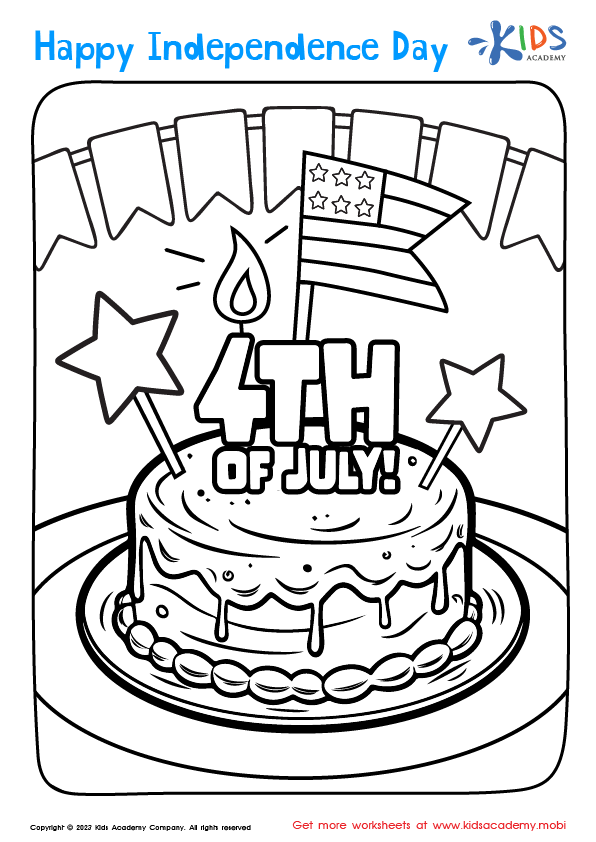
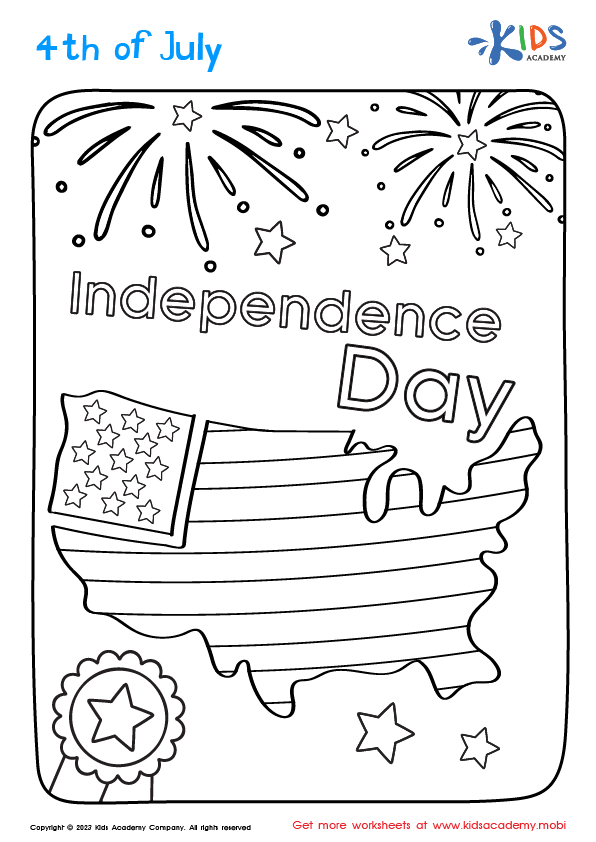
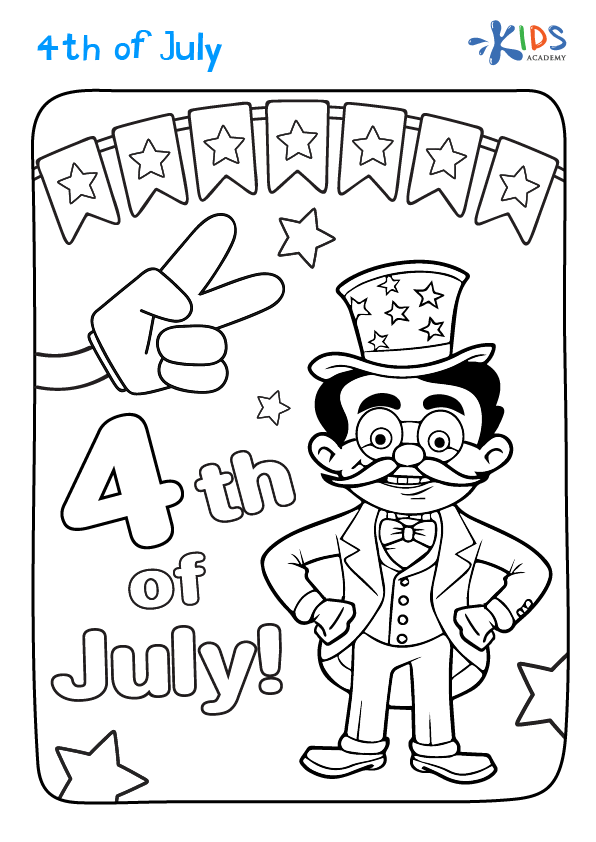
Discover "Historical Knowledge Easy 4th of July Worksheets" for ages 3-6—a perfect introduction to Independence Day! Designed by educational experts at Kids Academy, these printable worksheets create a fun, engaging way for young learners to grasp American history. Through coloring pages and simple activities, children will learn about key symbols, figures, and events of Independence Day. Boost historical knowledge and spark curiosity with these age-appropriate worksheets. Ideal for parents and educators seeking to cultivate a love for history in young minds during the 4th of July celebrations. Explore now and make learning a part of the holiday fun!
Favorites
With answer key
Interactive
Join Kids Academy for Free
Who is primarily going to use this learning content?



Understanding historical events, even simplified ones like the Fourth of July, can be profoundly beneficial for children ages 3-6. At this young age, children are curious sponges, soaking up knowledge and forming their foundational understanding of the world. Introducing the history of the Fourth of July can impart critical values and cultivate a sense of identity and belonging in these young learners.
Teaching children about why we celebrate the Fourth of July can help them develop a sense of national pride and community. They learn that this holiday is more than just fireworks and barbecues—it's a celebration of freedom and independence. Simplifying the complex story into engaging activities, songs, or a simple narrative can make it accessible and memorable for them.
This historical knowledge fosters critical thinking. By understanding that societies have origins and histories, children start to appreciate the importance of rules, communities, and working together for a common good. Additionally, sharing these stories enhances language skills, as children are introduced to new vocabulary and storytelling structures.
Parents and teachers can create a nurturing learning environment that values history, thereby helping children grow into informed and conscientious adults. Early education about our nation’s history sets a precedent for lifelong curiosity, respect for heritage, and civic engagement.