Hand-eye Coordination Easy Worksheets for Ages 3-6 - Page 2
25 filtered results
-
From - To
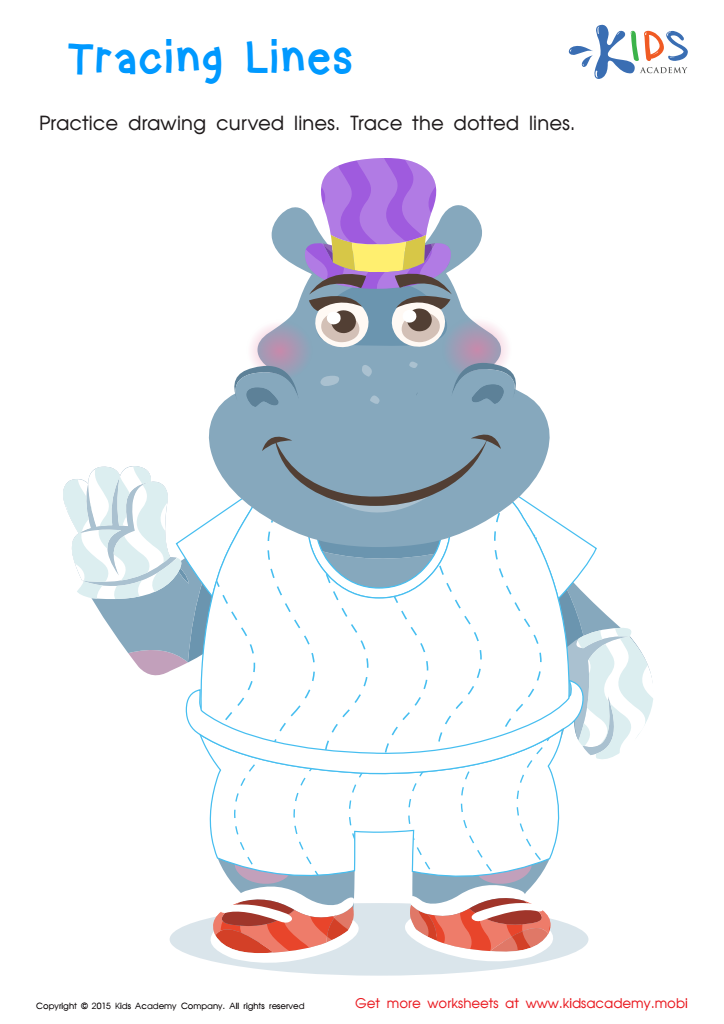
Tracing Lines Worksheet
 Assign to My Students


.jpg)




Hand-eye coordination is crucial for children's overall development, especially between the ages of 3 and 6. This skill involves synchronizing visual input with hand movements, enabling children to perform tasks that require precise control of their actions. For young children, developing hand-eye coordination lays a foundation for essential life skills.
Firstly, good hand-eye coordination boosts academic readiness. Simple activities like coloring, drawing, and writing require fine motor coordination. Efficient hand-eye coordination helps children hold a pencil correctly and start learning to write letters and numbers, a crucial step for future literacy.
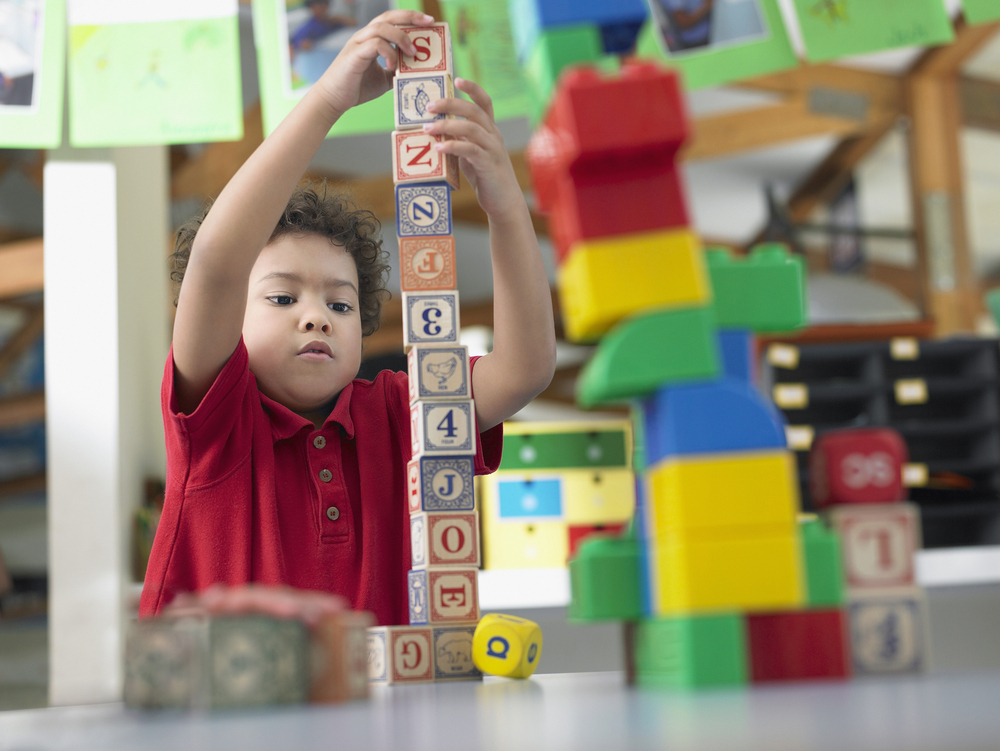
Additionally, hand-eye coordination impacts physical activities. It enables children to catch a ball, build with blocks, or manipulate puzzle pieces. As their coordination improves, so does their ability to participate in sports and playground games, which are significant for physical fitness and social interaction.
Furthermore, hand-eye coordination supports cognitive development. Many toys and games for young children are designed to enhance this skill, promoting problem-solving abilities and concentration.
Lastly, improved hand-eye coordination builds confidence and independence. When children can successfully complete tasks by themselves, whether tying their shoelaces or using utensils, it gives them a sense of achievement and boosts their self-esteem.
Therefore, fostering hand-eye coordination through playful activities and practice is essential for overall development in early childhood.








