Reading practice Easy Worksheets for Ages 3-6
4 filtered results
-
From - To
Welcome to our "Reading Practice Easy Worksheets for Ages 3-6" page, where early literacy comes to life! Our engaging worksheets are designed to spark children's interest in reading while developing essential skills. Tailored for young learners, these fun and interactive resources focus on letter recognition, phonics, vocabulary building, and comprehension. Each worksheet is visually appealing and age-appropriate, ensuring that learning remains enjoyable. Perfect for home or classroom use, our easy-to-print worksheets help reinforce key concepts and promote a love for reading. Dive in and watch your child flourish as they embark on their literacy journey!
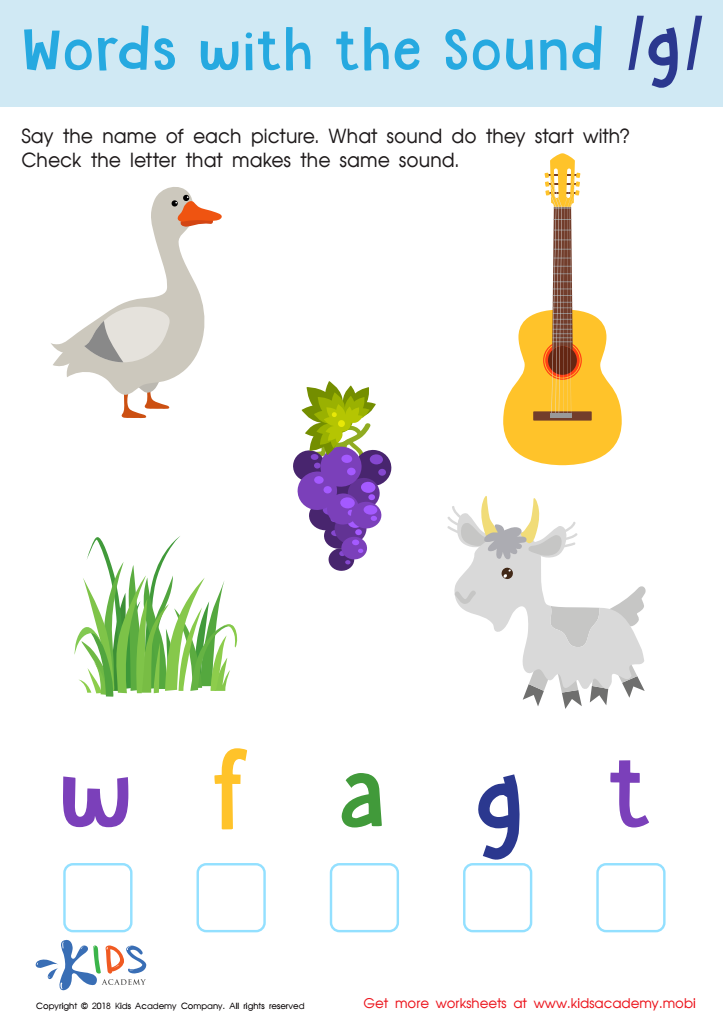
Words with sound g Reading Worksheet
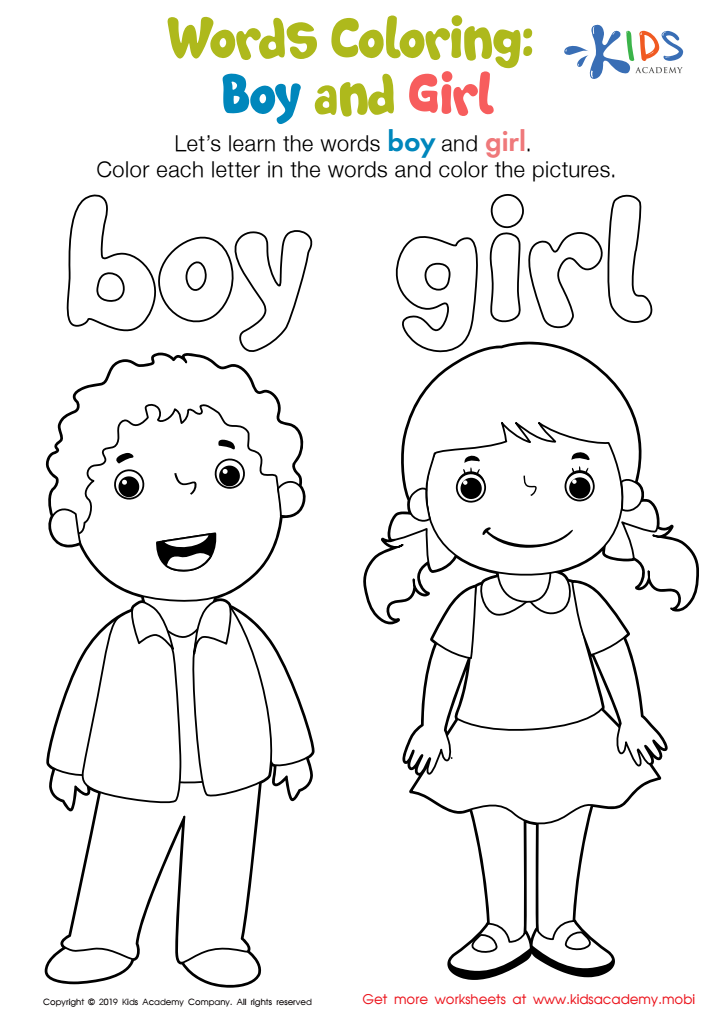
Boy and Girl Words Coloring Worksheet
 Assign to My Students
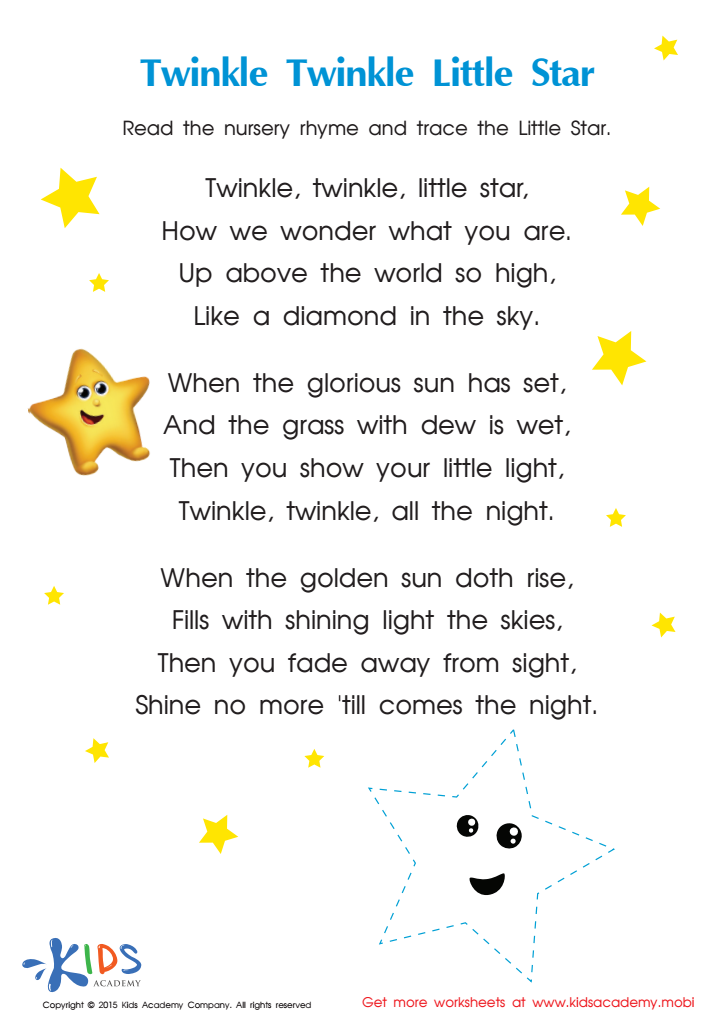
Nursery Rhymes: Twinkle Little Star Worksheet
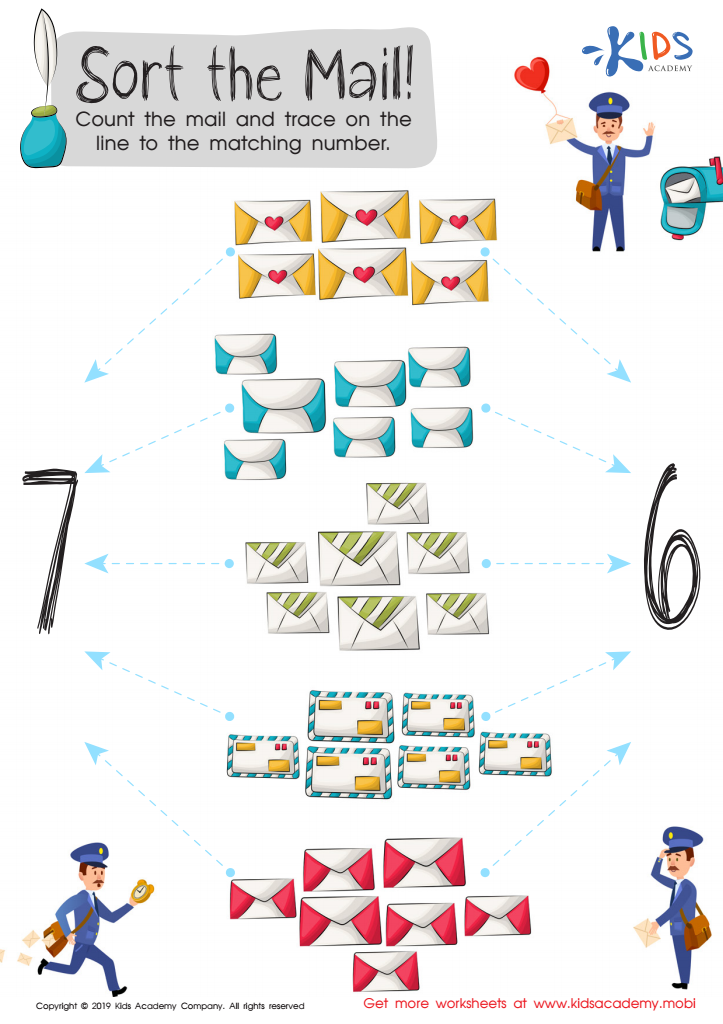
Sort the Mail Worksheet








Parents and teachers should prioritize reading practice for children ages 3-6 because it forms the foundation for lifelong literacy and learning. At this young age, children develop vital skills such as phonemic awareness, vocabulary, and comprehension through interactive reading experiences. Engaging with books helps foster a love for reading, encouraging curiosity and imagination, which are crucial for cognitive development.
Early exposure to reading also supports social-emotional growth by introducing children to diverse characters and scenarios, enhancing their empathy and cultural understanding. Additionally, reading practice enhances critical thinking skills, as children learn to predict outcomes and connect stories to their own lives.
Through regular vocalization of stories, children improve their language skills, articulation, and communication abilities. Practicing reading in a supportive environment encourages confidence and fluency, setting the stage for future academic success.
Furthermore, cooperative reading activities can strengthen the bond between parents, teachers, and children, making learning a shared, joyful experience. In summary, prioritizing reading practices for young children is essential for their overall development, fostering both intellectual and emotional growth that benefits their educational journey and personal lives.








