Understanding Quantities Easy Worksheets for Ages 3-6
6 filtered results
-
From - To
Discover "Understanding Quantities Easy Worksheets" designed specifically for children ages 3-6! Our engaging and interactive worksheets help young learners grasp essential counting and quantity concepts in a fun and approachable way. Each worksheet features colorful illustrations and simple activities that encourage children to recognize numbers, compare quantities, and develop early math skills. Perfect for parents and educators, these printables can be used at home or in the classroom to enhance children's learning experiences. Foster a strong foundation in math and unlock your child's potential with our easy-to-use resources. Start your journey toward understanding quantities today!
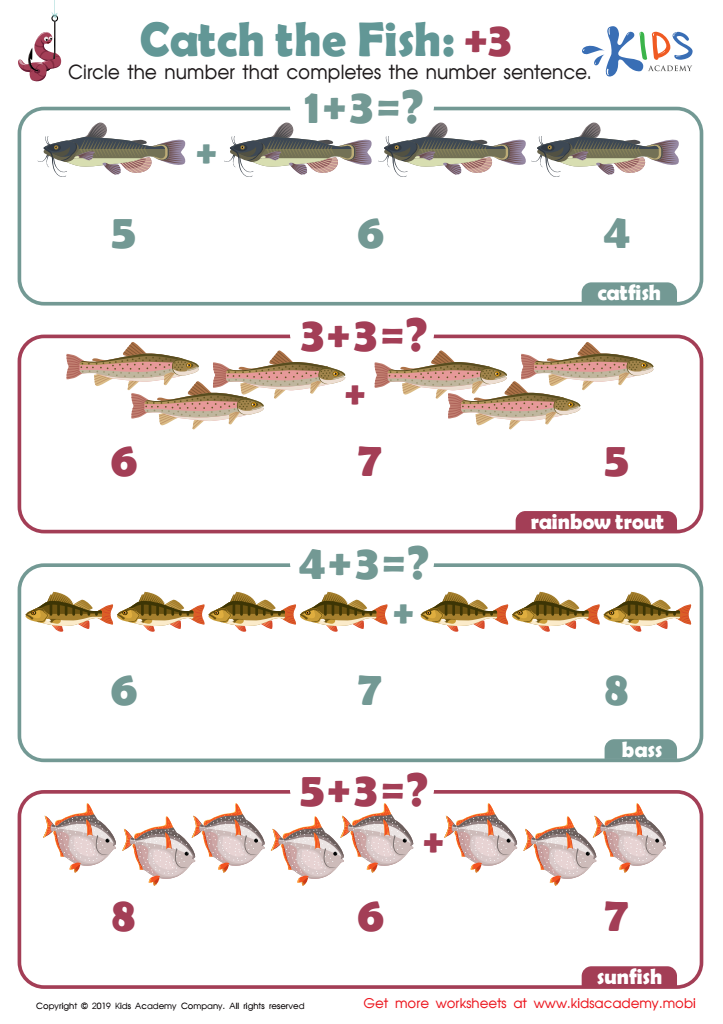
Catch the Fish: +3 Worksheet
 Assign to My Students
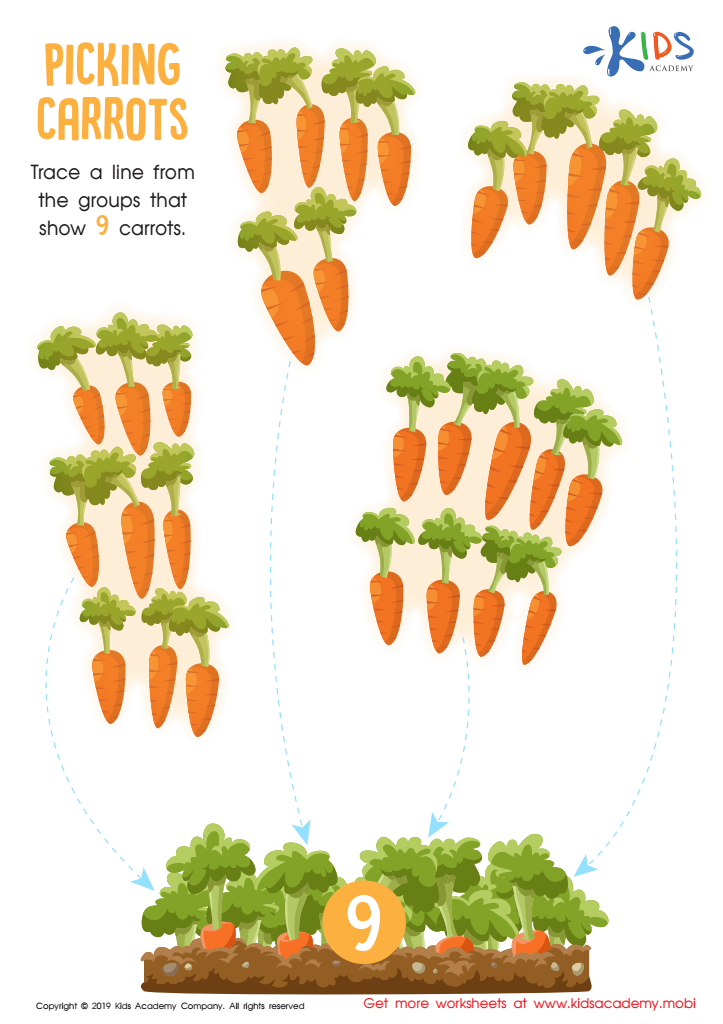
Picking Carrots Worksheet
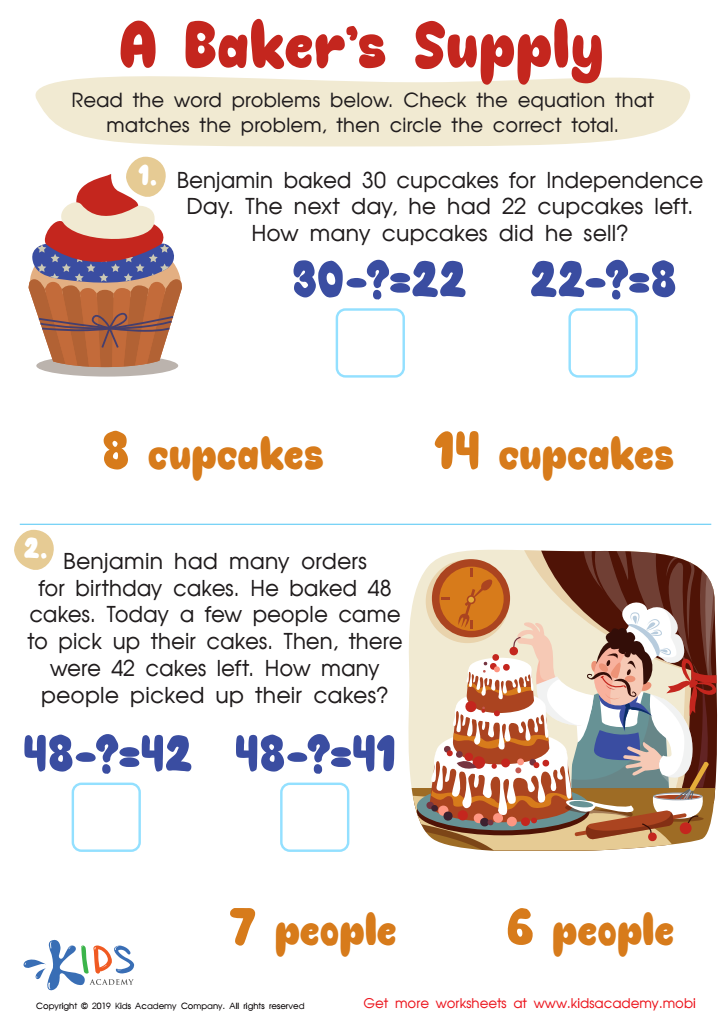
A Baker's Supply Worksheet
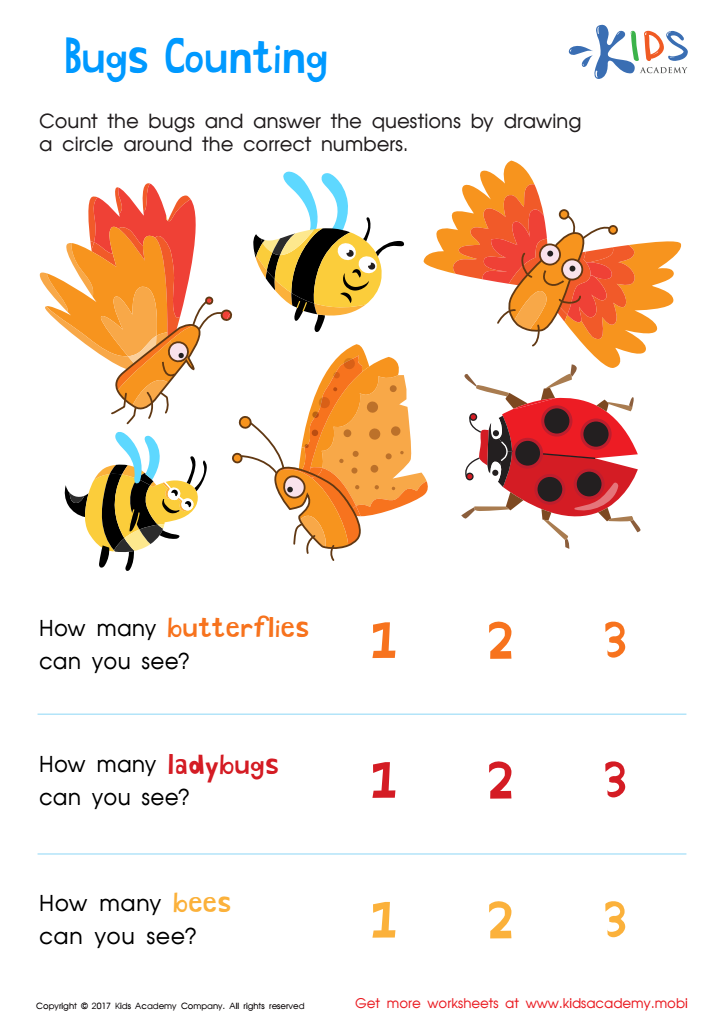
Bugs Counting Worksheet
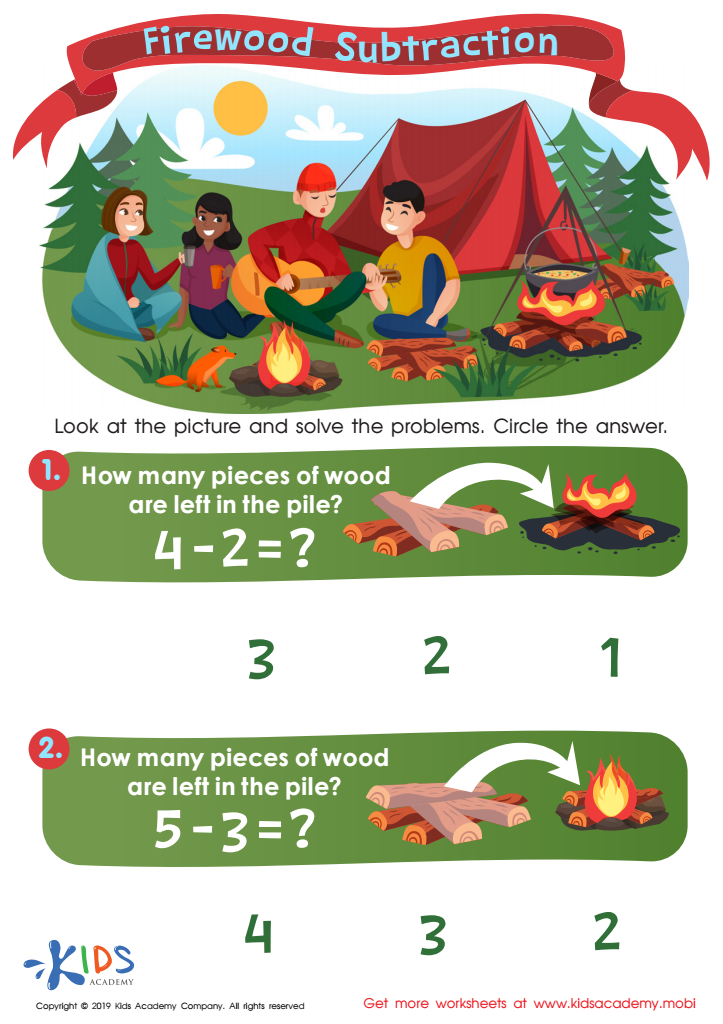
Firewood Subtraction Worksheet
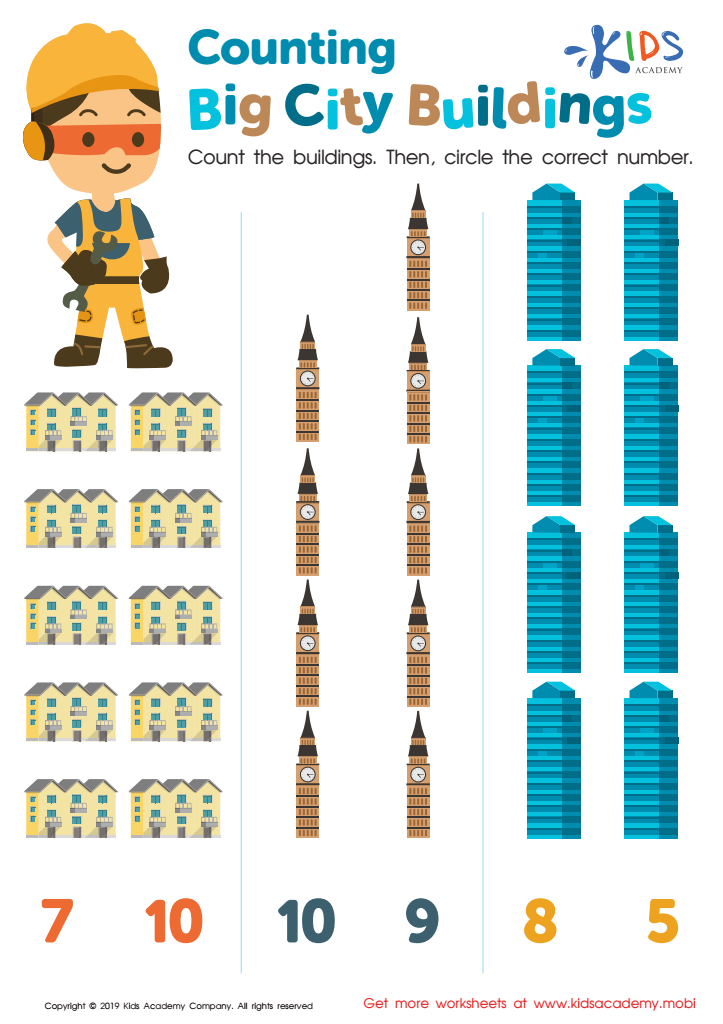
Counting Big City Buildings Worksheet





Understanding quantities is a foundational skill that plays a crucial role in early childhood development, particularly for children aged 3-6. Parents and teachers should prioritize this skill because it sets the stage for future academic success, particularly in mathematics. Early exposure to the concepts of counting, comparing quantities, and basic operations fosters a sense of numerical literacy, enabling children to navigate the world around them with confidence.
Developing an understanding of quantities also enhances critical thinking and problem-solving abilities. Engaging in activities that involve counting objects, grouping similar items, or exploring concepts of “more” and “less” helps children develop cognitive skills they will use throughout their education and life.
Moreover, early mastery of quantitative concepts supports social and emotional growth. Children learn to share, take turns, and develop a sense of fairness through group activities that focus on quantities. This reinforces positive interactions with peers and adults, building a sense of community.
Finally, fostering an early appreciation of numbers can ignite a lifelong interest in mathematics and science, areas that are essential for thriving in our increasingly complex world. For these reasons, both parents and teachers should actively engage young learners in exploring quantities.








