Understanding Sequences Easy Math Worksheets for Ages 3-6
4 filtered results
-
From - To
Welcome to our "Understanding Sequences" easy math worksheets designed specifically for children aged 3-6! These engaging and age-appropriate resources help young learners grasp the concept of sequences through fun activities and colorful illustrations. By exploring patterns and ordering, your child will build foundational math skills while developing critical thinking abilities. Our worksheets make learning enjoyable, promoting essential cognitive growth through interactive exercises. Whether at home or in the classroom, these resources are perfect for nurturing a love for math in early learners. Start your journey today and watch your child master sequences with confidence and joy!
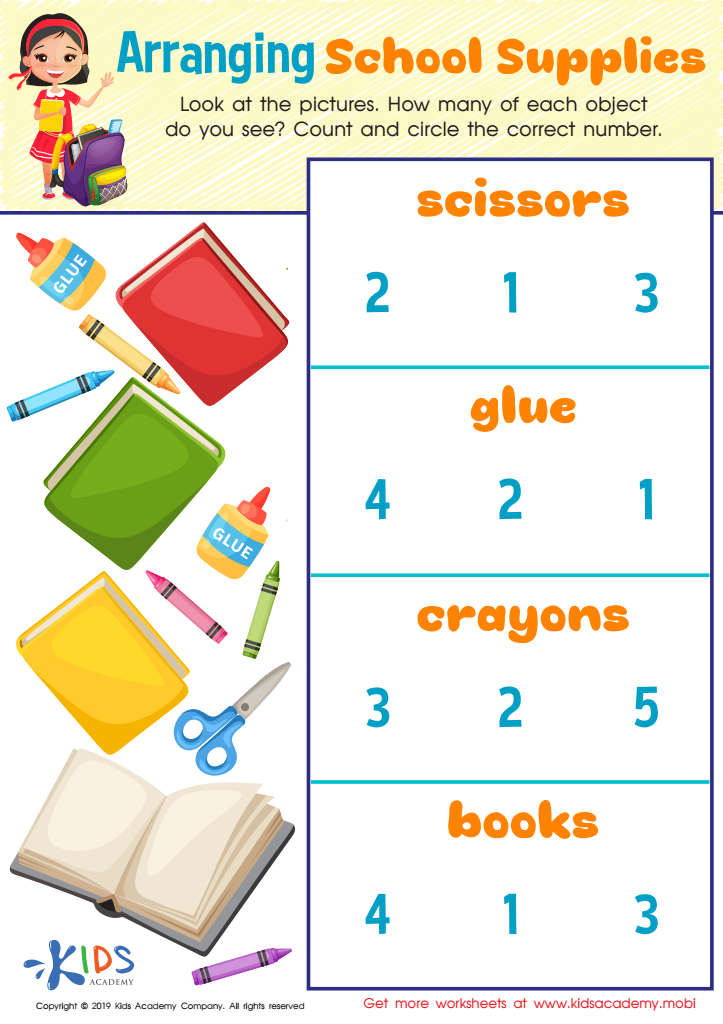
Arranging School Supplies Worksheet
 Assign to My Students
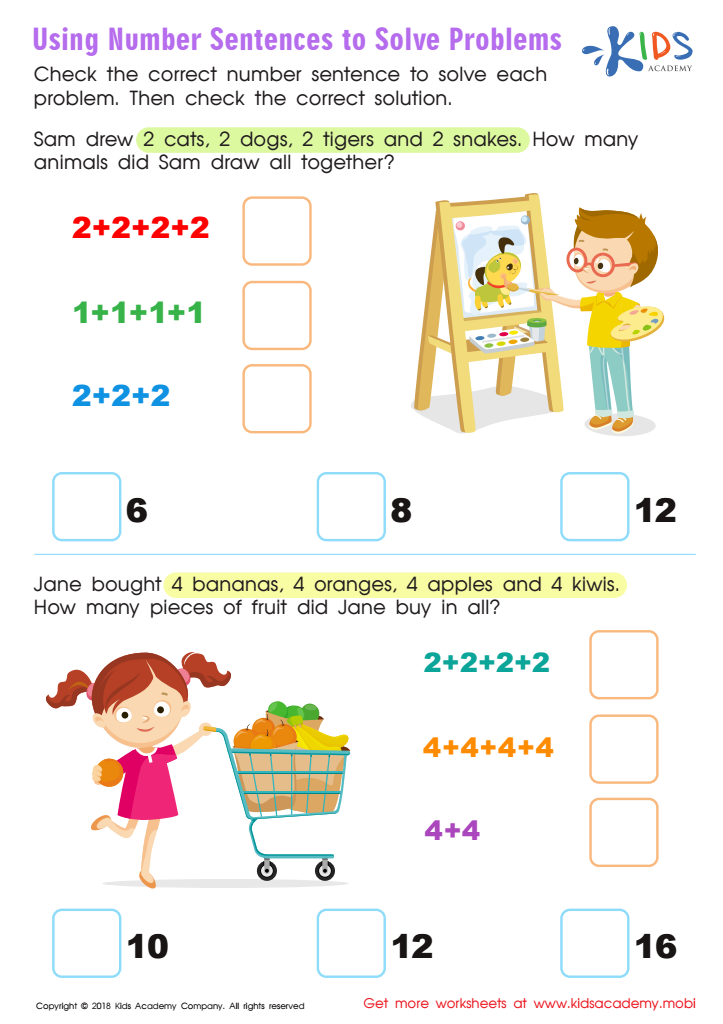
Using Number Sentences to Solve Problems Worksheet
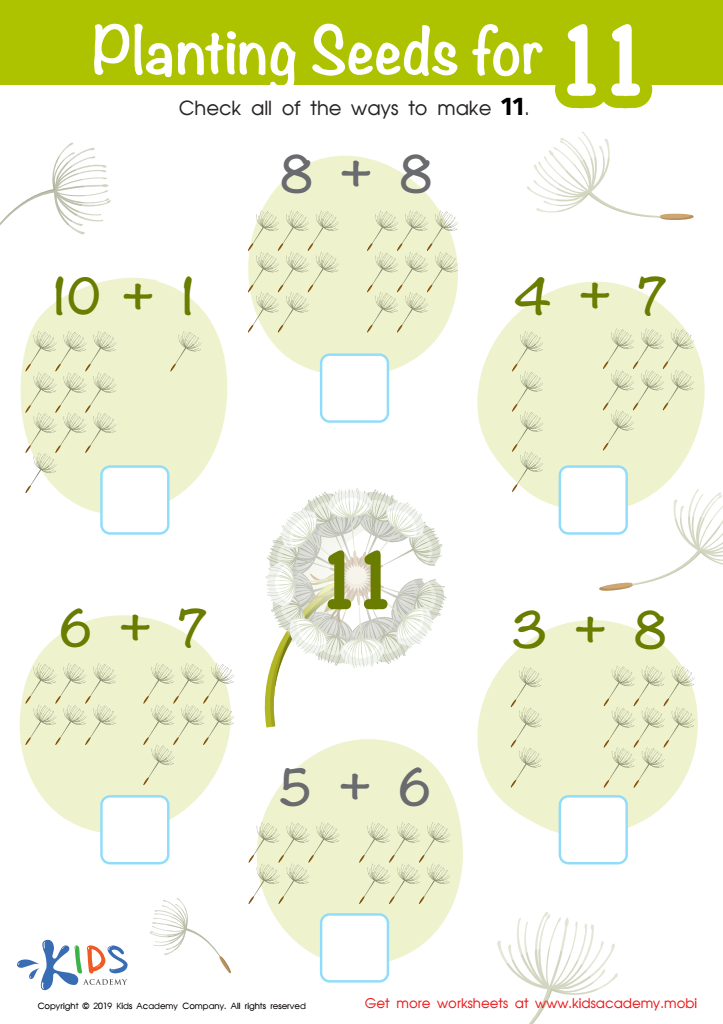
Planting Seeds for 11 Worksheet
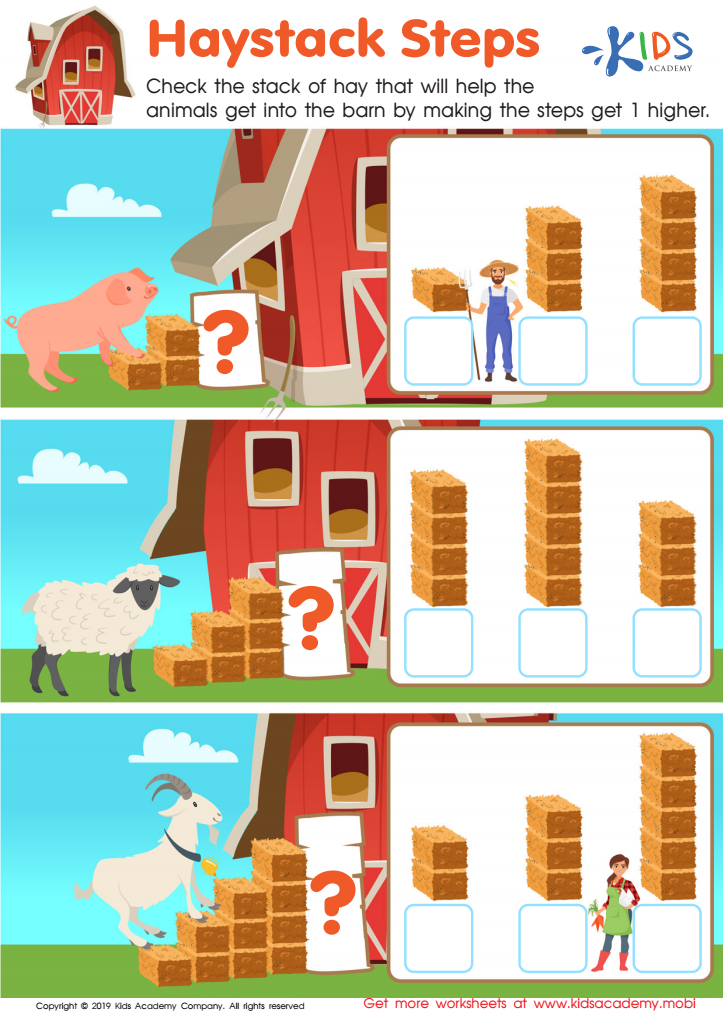
Haystack Steps Worksheet








Understanding sequences is a fundamental mathematical concept that plays a crucial role in early childhood education for children aged 3-6. Parents and teachers should prioritize teaching sequences because they lay the groundwork for various cognitive skills, including pattern recognition, logical reasoning, and problem-solving abilities. By mastering sequences, young learners develop critical thinking skills that will serve them well in more complex mathematical concepts later on.
Engaging with sequences enhances language development and improves memory, as children learn to express order and series of events verbally. This understanding also aligns with everyday life, helping children make sense of routines, such as daily schedules and seasons.
Moreover, early exposure to sequences fuels an interest in mathematics, setting a positive attitude toward learning. Through enjoyable activities and games, children can learn about sequences in a fun and relatable way. This foundational skill not only prepares them for more advanced math concepts but also supports their overall academic growth.
In sum, when parents and teachers emphasize the importance of understanding sequences, they empower young children to navigate their world more effectively, equipping them with essential skills for both math and real-life situations.








