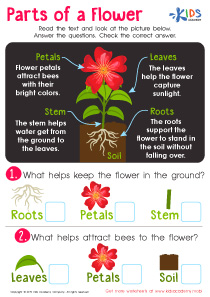
Cognitive Development Easy Reading Fiction Worksheets for Ages 3-6
2 filtered results
-
From - To
Introduce your little ones to the world of fiction with our Cognitive Development Easy Reading Fiction Worksheets, designed for ages 3-6. These engaging printable worksheets not only foster a love for reading but also enhance critical thinking and comprehension skills. Each story is paired with fun activities that encourage imagination while developing cognitive abilities. Perfect for parents and educators, these worksheets provide a balanced mix of entertainment and education, aiding in vocabulary expansion and narrative understanding. Help your child take their first steps into the joy of reading with our expertly crafted resources, essential for early cognitive growth and literacy success.
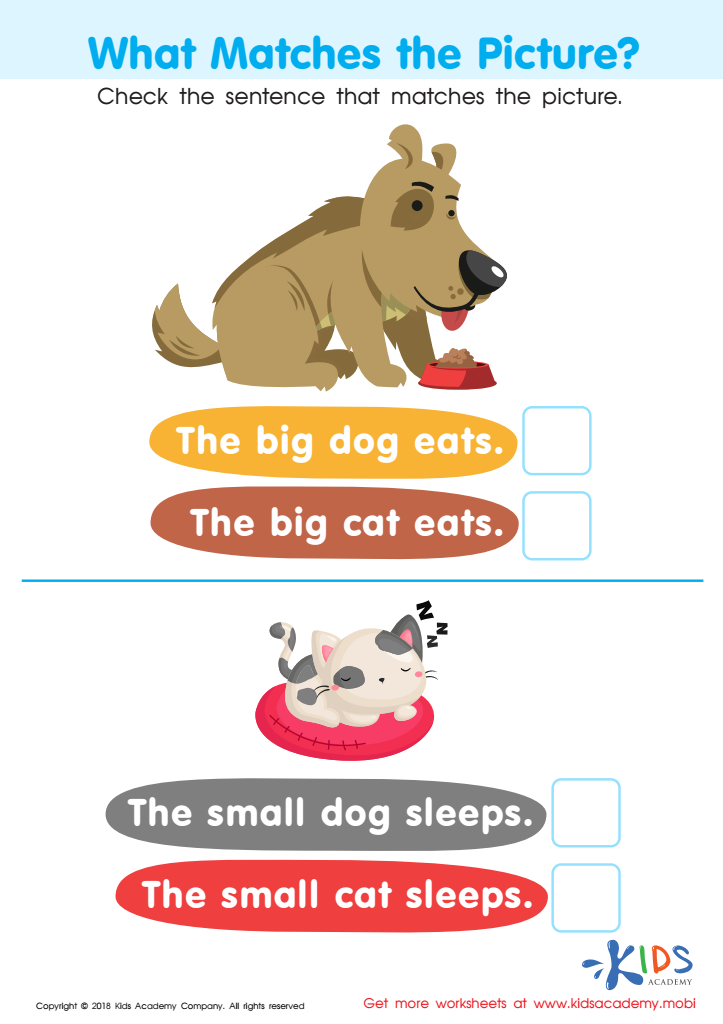
What Matches the Picture? Worksheet
 Assign to My Students
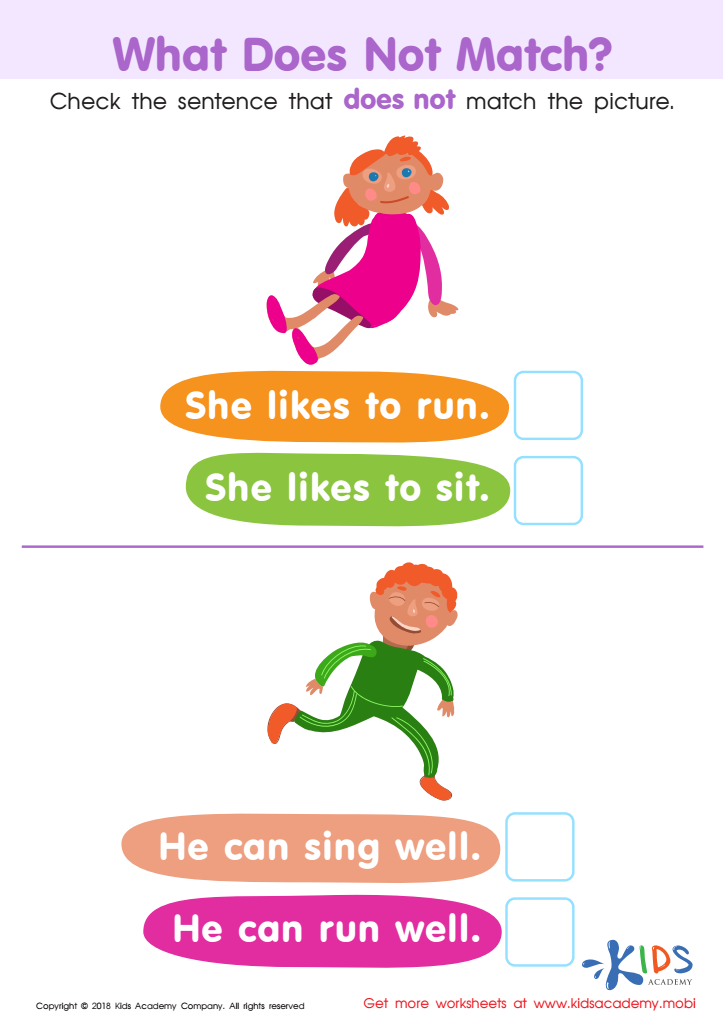
What Does Not Match? Worksheet








Cognitive development in early childhood is crucial, as this period lays the foundation for lifelong learning and intellectual growth. Easy reading fiction for ages 3-6 is an incredibly effective tool in nurturing cognitive development among young children. These books are designed with simple language, engaging stories, and vibrant illustrations, capturing children's attention and encouraging them to explore new ideas.
Engaging with easy reading fiction helps to develop children's language skills by introducing them to new vocabulary and sentence structures in an enjoyable context. Through stories, children learn about the world around them, enhancing their understanding and promoting curiosity. Additionally, these books often incorporate problem-solving scenarios, which stimulate critical thinking and reasoning abilities.
Furthermore, reading fiction fosters imagination and creativity. As children visualize characters and settings, they develop the ability to think abstractly. Emotional intelligence is also enhanced, as kids empathize with characters and experience various emotions through the storyline.
For parents and teachers, prioritizing easy reading fiction supports a child's cognitive development in a balanced and enjoyable way. It transforms learning into a pleasurable activity, thereby fostering a love for reading and lifelong learning habits. By investing in age-appropriate fiction, parents and teachers can significantly contribute to children's intellectual and emotional growth.