Writing practice Easy ABC Letters Worksheets for Ages 3-7
3 filtered results
-
From - To
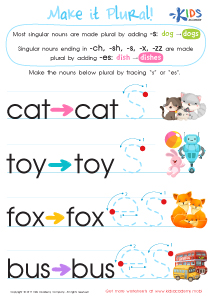
Introduce your little ones to the exciting world of writing with our "Easy ABC Letters Worksheets" designed for ages 3-7! These engaging worksheets help develop essential handwriting skills while making learning fun. Perfect for preschool and early elementary students, each page focuses on individual letters through colorful illustrations and guided tracing exercises. Children will enhance their fine motor skills, letter recognition, and writing confidence in a playful manner. Our easy-to-use worksheets can be printed at home, allowing kids to practice at their own pace. Watch your child flourish in their writing journey with these delightful ABC resources!
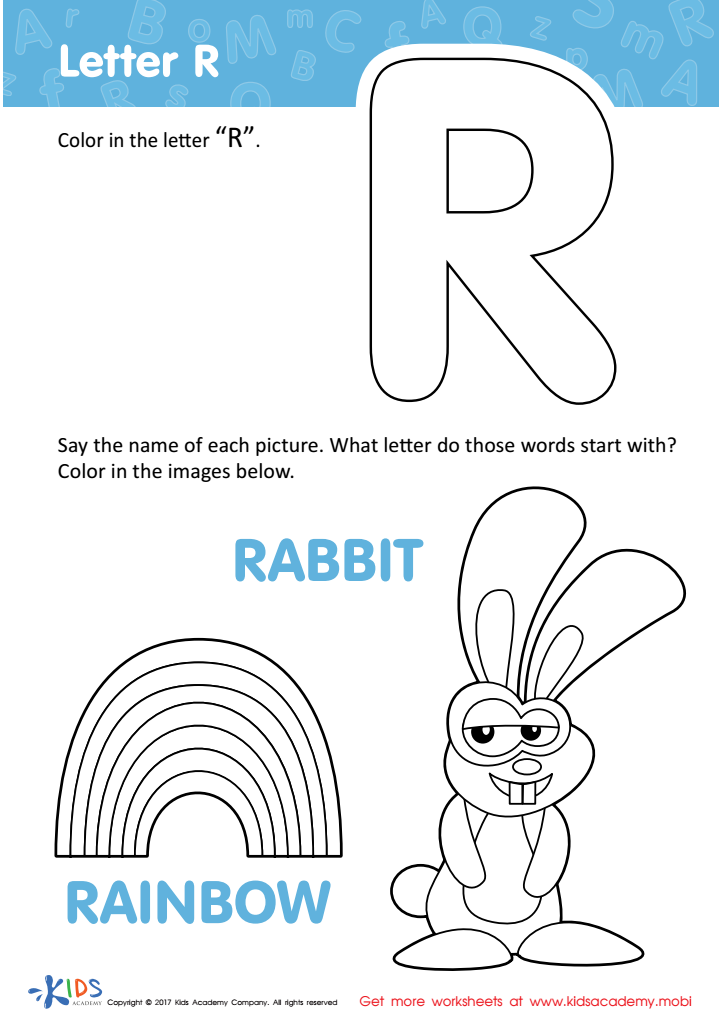
Letter R Coloring Sheet
 Assign to My Students






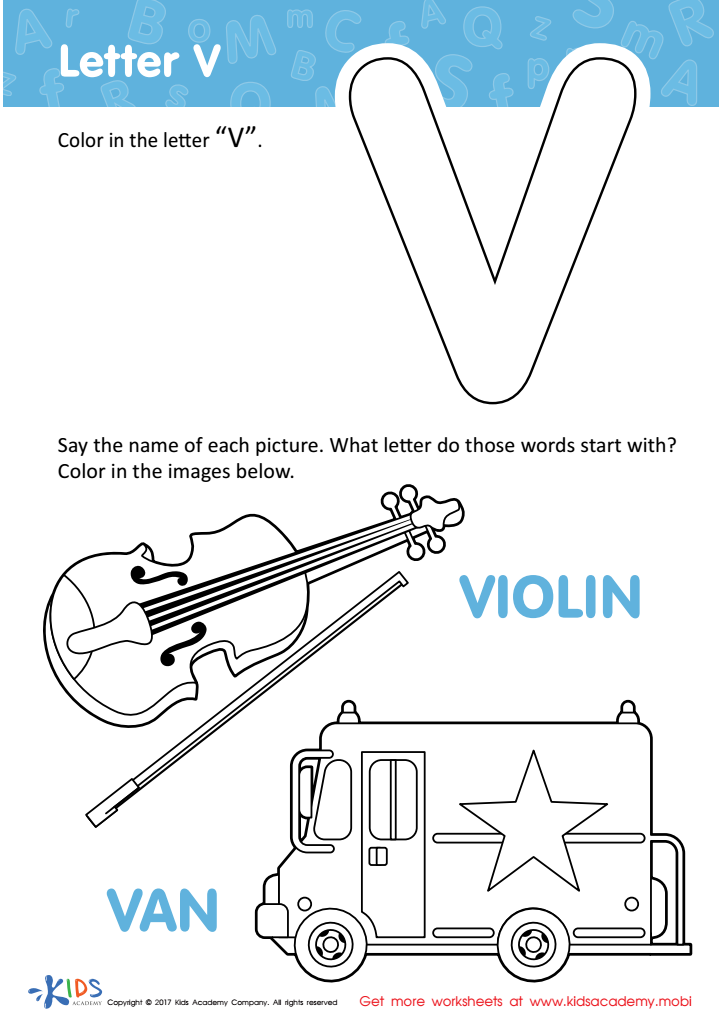
Letter V Coloring Sheet
Assign to My Students
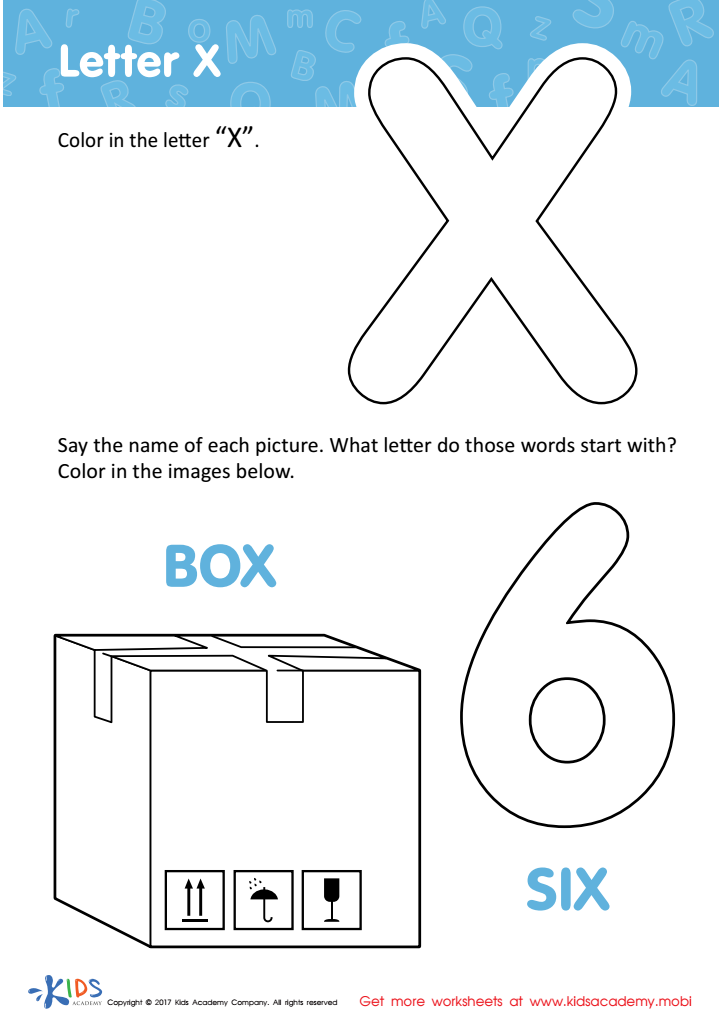
Letter X Coloring Sheet
Assign to My Students







Writing practice, particularly focusing on easy ABC letters for children aged 3-7, is crucial for several reasons. Firstly, early writing skills are foundational for literacy development. By practicing letters, children enhance their fine motor skills, hand-eye coordination, and handwriting techniques. These skills help in forming the basis for reading comprehension and communication abilities.
Moreover, learning to write the alphabet fosters a sense of accomplishment. Children gain confidence as they master each letter, which encourages them to express their thoughts and creativity through writing. It can also aid in cognitive development, as associating letters with sounds paves the way for phonemic awareness, a critical element in learning to read.
Additionally, writing practice is not merely a solitary activity; it promotes interaction between parents and children, creating valuable bonding experiences. Engaging kids in fun writing-related activities can help strengthen family relationships while reinforcing the importance of education. Teachers benefit as well, as promoting a positive attitude towards writing leads to enhanced classroom participation and enthusiasm.
In essence, writing practice in early childhood sets a solid foundation for literacy while fostering skill development, confidence, and family engagement, making it vital for both parents and educators.