Alphabet Recognition Easy Phonics Worksheets for Ages 3-7
4 filtered results
-
From - To
Discover our engaging Alphabet Recognition Easy Phonics Worksheets designed specifically for ages 3-7! These interactive resources make learning letters fun and effective. Each worksheet focuses on helping young learners recognize and familiarize themselves with the alphabet through colorful images and stimulating activities. From tracing letters to matching games, these worksheets enhance phonics skills and pave the way for early reading success. Ideal for homeschooling or classroom settings, our alphabet worksheets promote essential skills while keeping young minds entertained. Explore our collection and watch your child gain confidence as they embark on their phonics learning journey! Perfect for little learners ready to thrive!
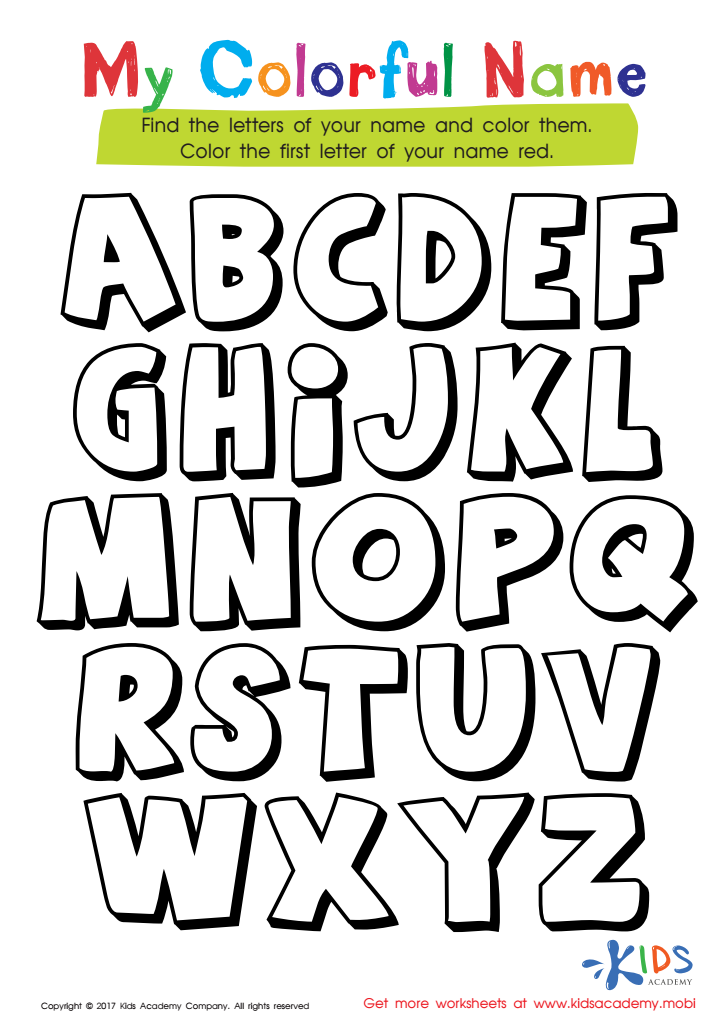
My Colorful Name Worksheet
 Assign to My Students
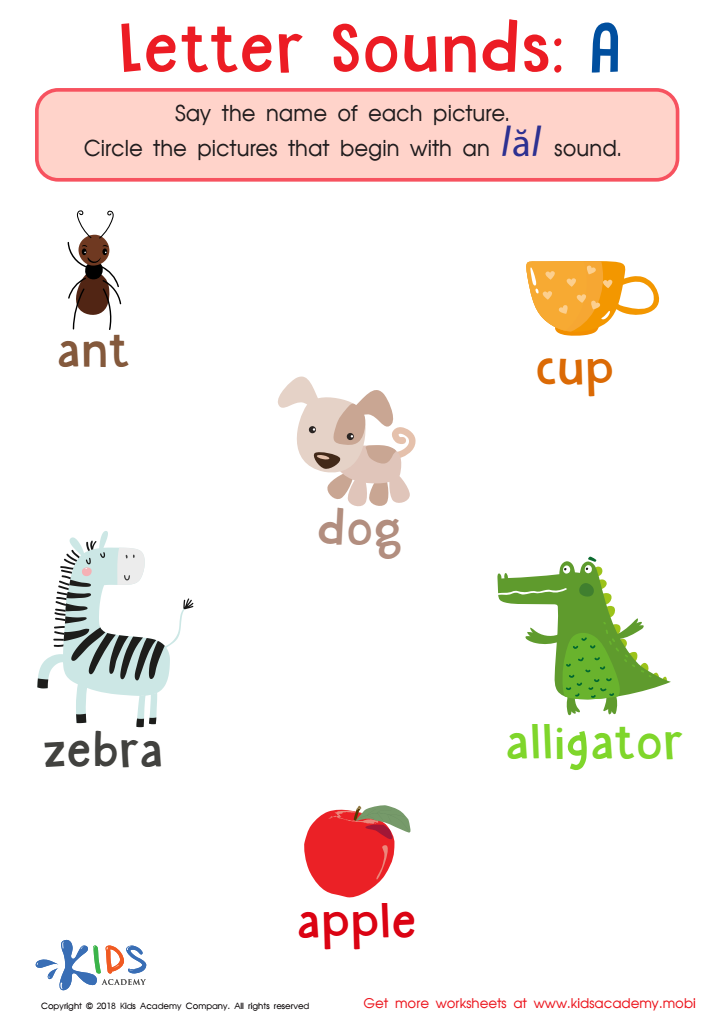
Letter A Sounds Worksheet
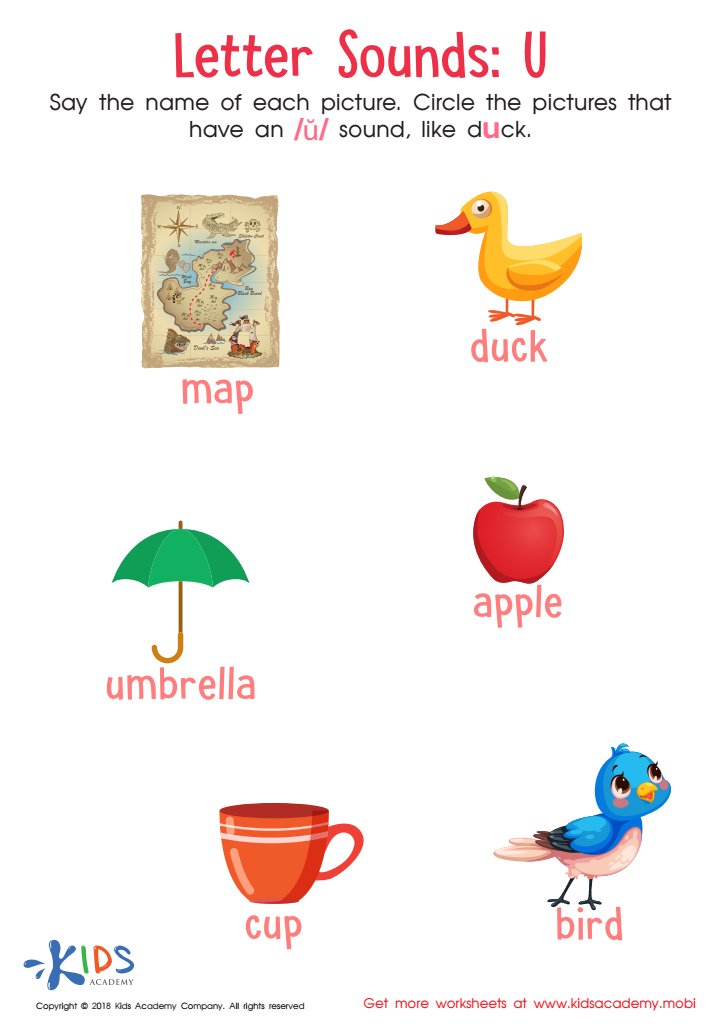
Letter U Sounds Worksheet
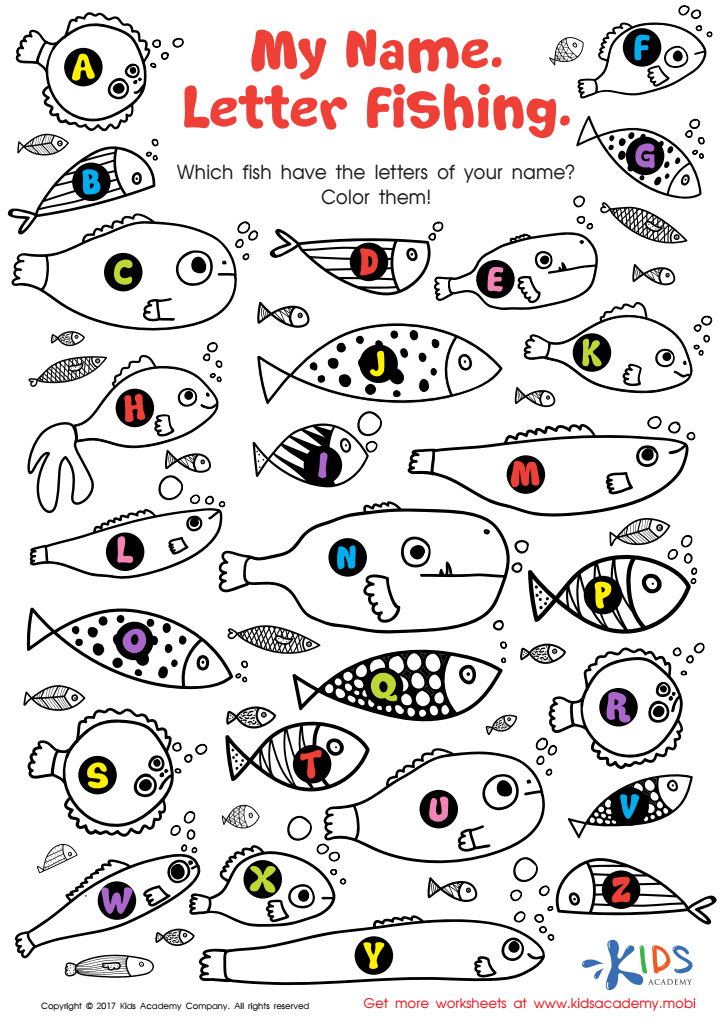
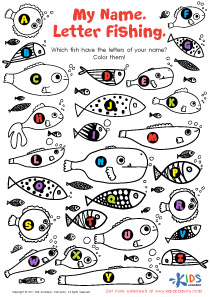
My Name: Letter Fishing Worksheet
Assign to My Students








Alphabet recognition and phonics are essential building blocks for early literacy, making them crucial for parents and teachers of children ages 3-7. As children begin to read, recognizing letters and understanding their sounds accelerates language development, enhances vocabulary, and fosters overall academic success.
Research shows that strong early literacy skills are linked to later reading proficiency, which significantly impacts a child's educational trajectory. Alphabet recognition aids in decoding words during reading activities, promoting fluency and comprehension. For parents, engagement with alphabet activities at home strengthens their child's literacy foundation and fosters a love for reading. Simple games, songs, or storytime focusing on letters and sounds invite enjoyable and meaningful learning experiences.
Teachers, on the other hand, play a critical role in structured phonics instruction. Incorporating alphabet recognition into daily lessons empowers students to connect sounds to letters, helping them transcribe their thoughts and stories effectively. Engaged learners thrive in a supportive environment where phonics instruction is purposeful and fun, leading to improved participation and interest in future reading.
In short, both parents and teachers should prioritize alphabet recognition and phonics as they encourage children's early literacy skills, setting the stage for lifelong learning and success.