Listening skills Easy Phonics Worksheets for Ages 3-7
3 filtered results
-
From - To
Enhance your child's listening skills with our Easy Phonics Worksheets designed for ages 3-7! Tailored for early learners, these engaging worksheets foster auditory comprehension through fun, interactive activities. Each worksheet focuses on phonics fundamentals while encouraging children to listen carefully and respond accurately. Our resources promote language development and ensure a strong foundation for reading success. Ideal for home or classroom use, these worksheets are perfect for enhancing both fine motor skills and overall literacy. Explore our dynamic collection and watch your child flourish as they build confidence in their listening abilities today!
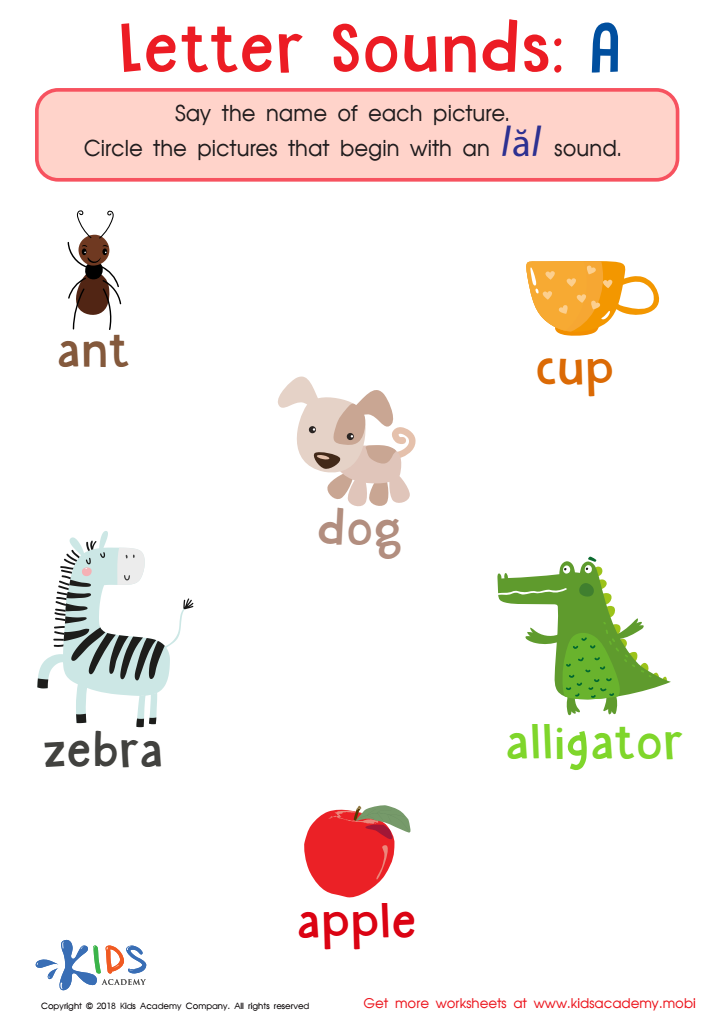
Letter A Sounds Worksheet
 Assign to My Students
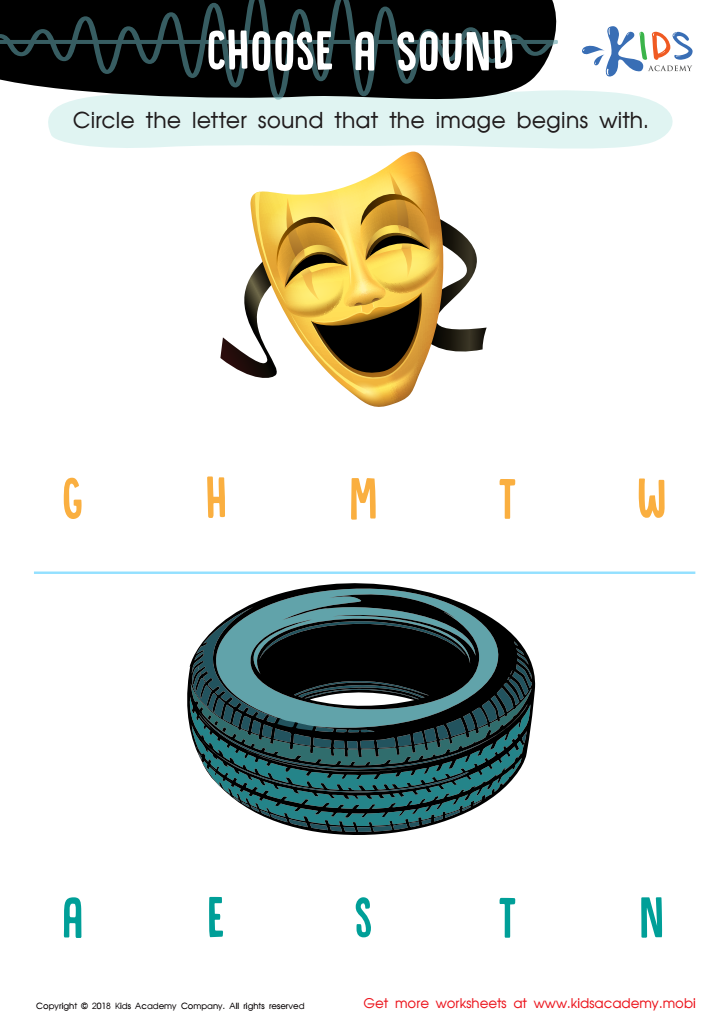
Choose a Sound Worksheet
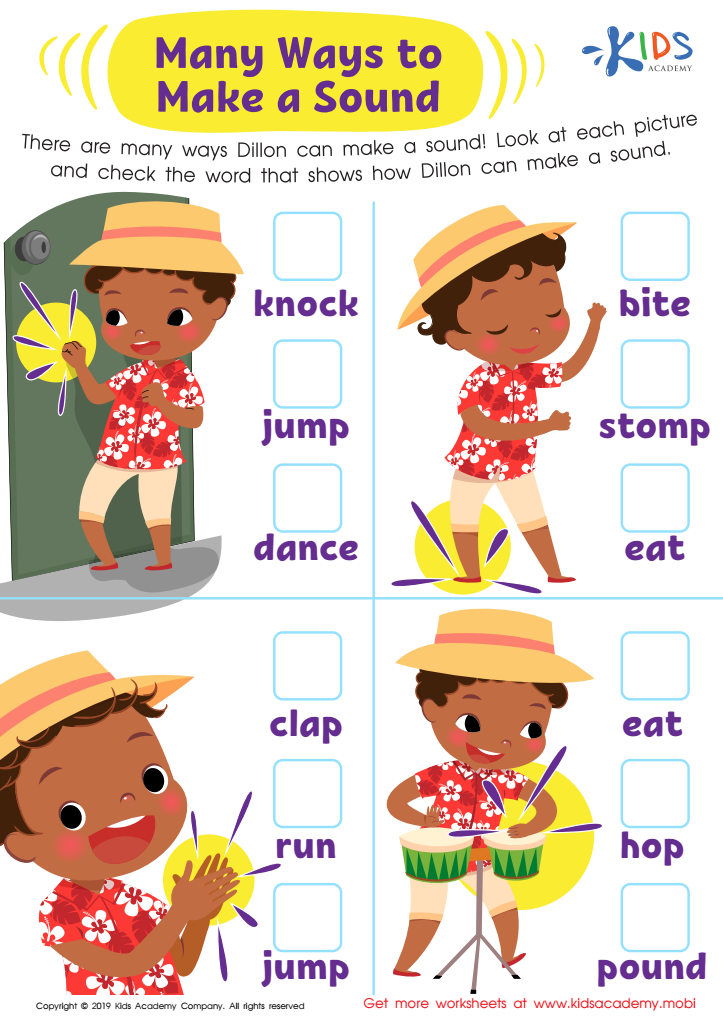
Many Ways to Make a Sound Worksheet








Listening skills are a foundational component of early childhood education, especially in the context of Easy Phonics for children aged 3-7. Developing strong listening abilities enhances a child’s overall language skills and lays the groundwork for effective communication and reading. When children learn to listen attentively, they can better understand phonetic sounds, which are critical for decoding words.
Parents and teachers play crucial roles in this process. By fostering an environment where listening is prioritized, they help children grasp the nuances of language. During phonics lessons, strong listening skills enable children to distinguish between similar sounds, make connections between sounds and letters, and enhance their vocabulary. This early focus on listening encourages active participation in discussions, promotes comprehension skills, and cultivates a lifelong love of learning.
Moreover, strengthening listening abilities supports social skills, enabling children to engage effectively with peers and adults. This contributes to their overall self-confidence and emotional development. Therefore, incorporating activities that boost listening skills into phonics education is essential, creating well-rounded learners who are equipped to succeed in school and beyond. Ultimately, prioritizing listening can have lasting benefits, making parents and teachers key partners in this critical aspect of early education.