Basic subtraction Easy Math Worksheets for Ages 3-7
4 filtered results
-
From - To
Discover our Basic Subtraction Easy Math Worksheets, expertly crafted for young learners aged 3-7! At Kids Academy, we provide engaging and enjoyable activities that help children master the fundamentals of subtraction with ease. Our worksheets feature fun illustrations and simple exercises designed to build confidence and boost math skills. Perfect for beginners, these educational resources are ideal for both classroom and at-home learning. Help your child develop a strong foundation in math through interactive practice tailored to their age and ability. Join us at Kids Academy and make math delightful and accessible for your little ones today!
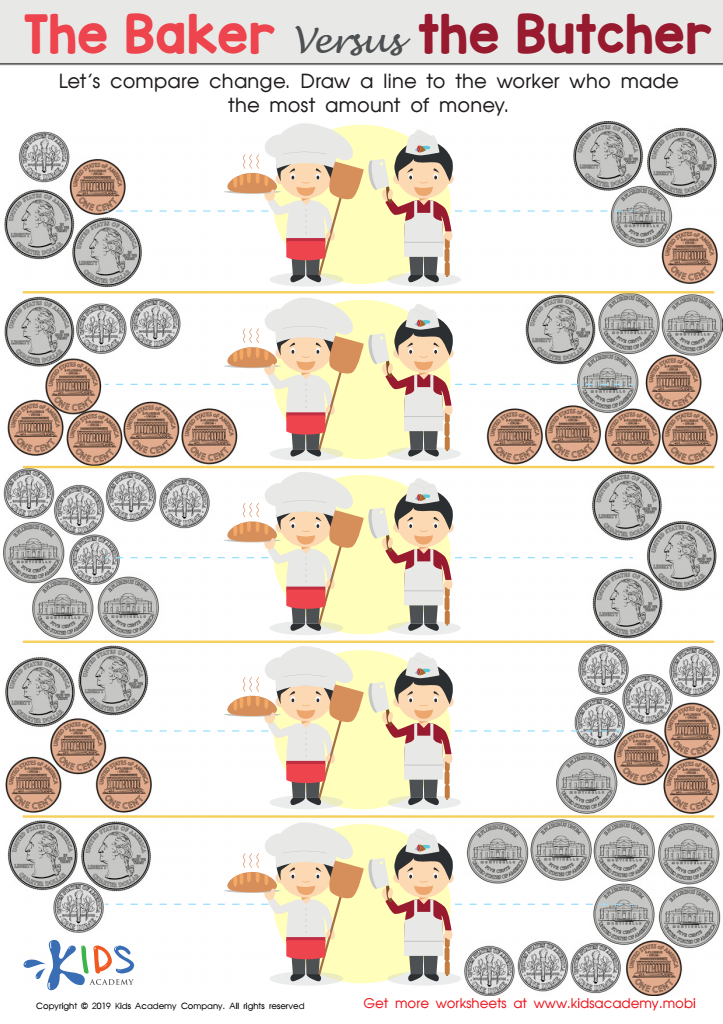
The Baker versus the Butcher Worksheet
 Assign to My Students
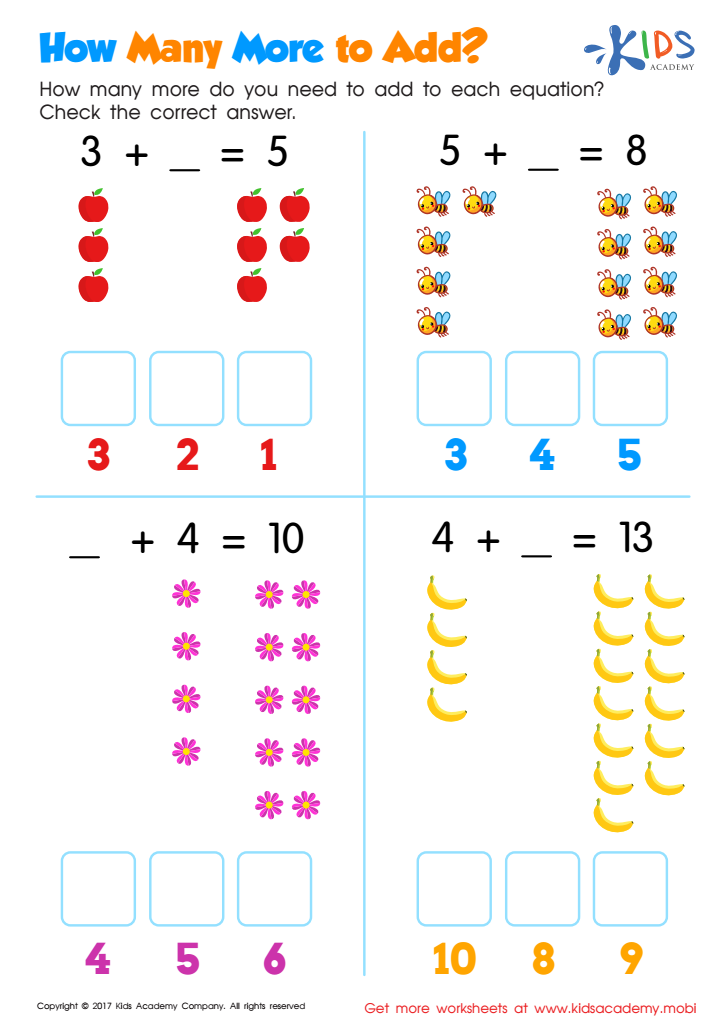
How Many More to Add Worksheet
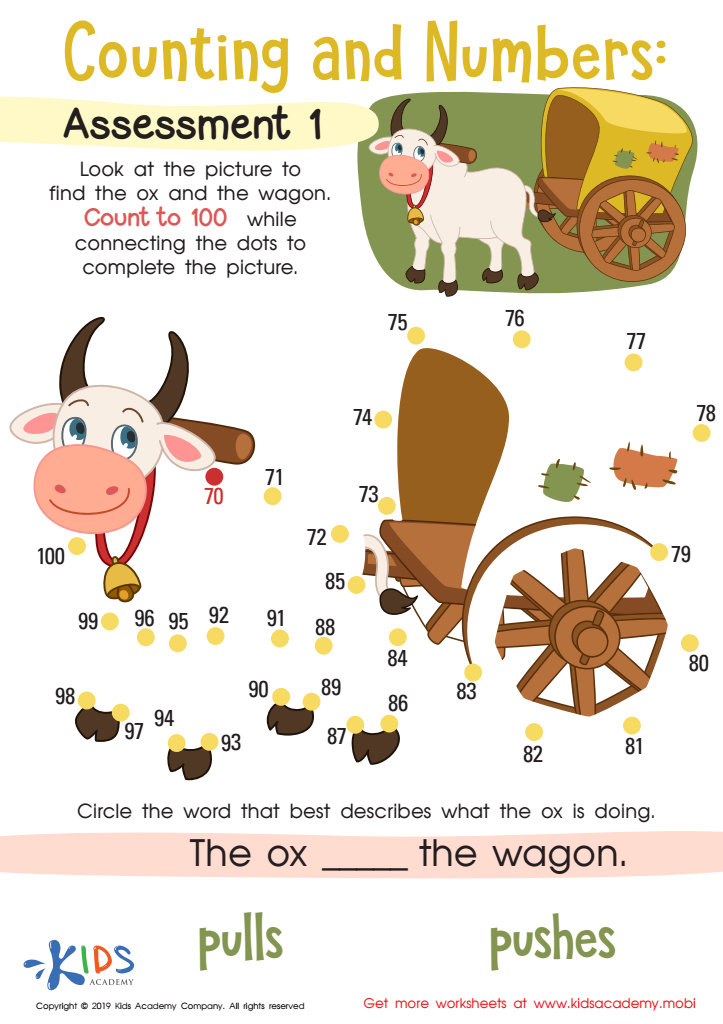
Counting and Numbers: Assessment 1 Worksheet
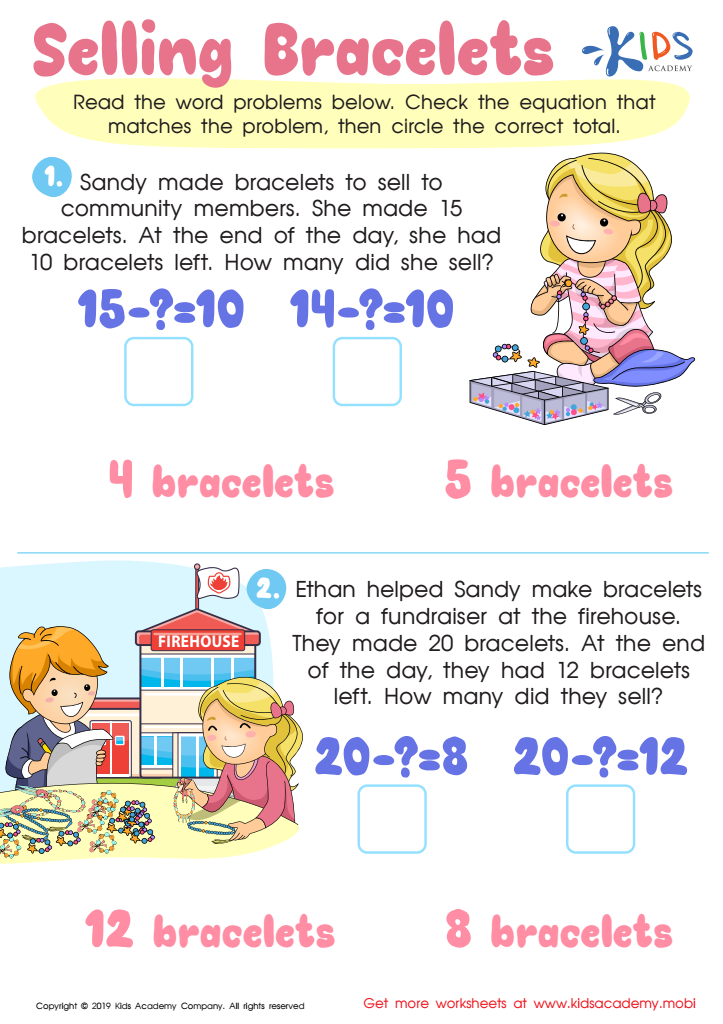
Selling the Bracelets Worksheet








Basic subtraction is a fundamental skill that forms the foundation for all future mathematical learning. For children aged 3-7, grasping this concept is crucial for several reasons. First, it enhances their number sense, helping them understand how numbers relate to each other and enabling them to perform everyday tasks like counting and sharing. Strong number sense is a predictor of future success in mathematics.
Second, mastering subtraction at an early age helps to build confidence. When children successfully tackle basic math problems, they develop a positive attitude toward learning and problem-solving. This confidence extends beyond math, influencing their performance in other subjects too.
Furthermore, early exposure to subtraction promotes cognitive development. It encourages logical thinking and improves memory by requiring children to recall and manipulate information. These cognitive skills are vital for academic success across all disciplines.
Lastly, practical applications of subtraction, such as understanding spending and saving money, come into play in everyday life. As children encounter settings requiring subtraction, their early foundation allows them to approach these situations competently and independently.
In conclusion, caring about basic subtraction for young children helps lay a strong groundwork for their future academic achievements and everyday problem-solving abilities, making it an essential part of early education.








