Color Identification Easy Math Worksheets for Ages 3-7
3 filtered results
-
From - To
Introduce young learners to the world of mathematics with our Color Identification Easy Math Worksheets for Ages 3-7! Designed to make learning fun and engaging, these printable worksheets help children practice identifying and matching colors while developing essential early math skills. Perfect for preschoolers and early elementary students, the activities encourage creativity, critical thinking, and color recognition. The bright, cheerful images capture kids' interest, making learning a delightful adventure. Great for both classroom and home use, our worksheets pave the way for a strong foundation in math and a love for learning. Teach, inspire, and watch your child's skills bloom!
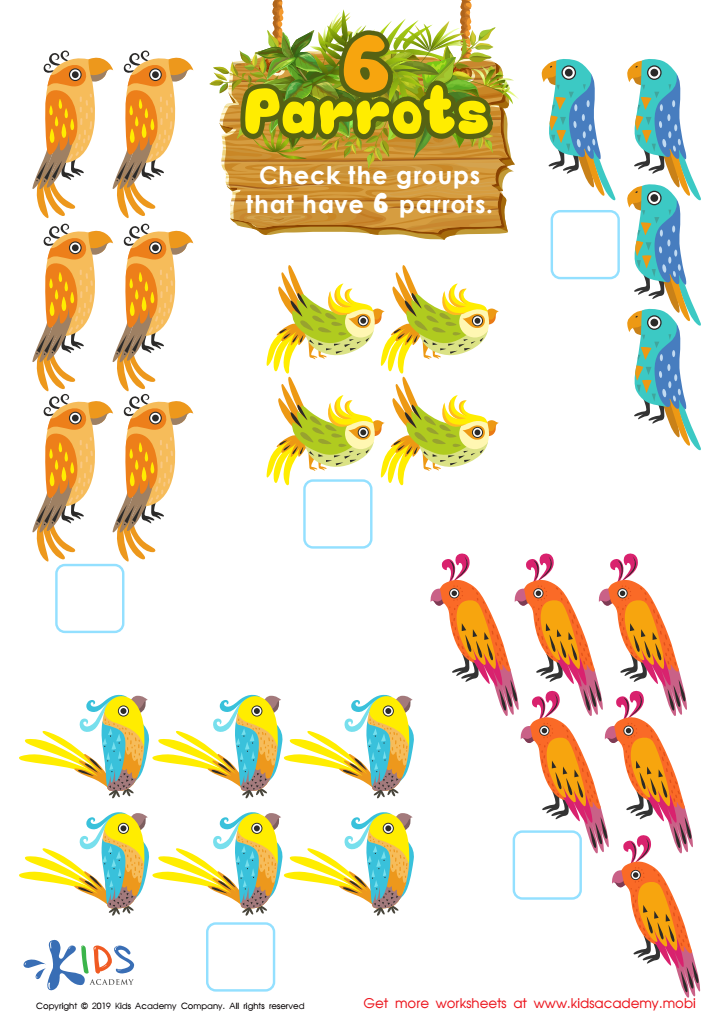
6 Parrots Worksheet

Color the Shapes Worksheet
 Assign to My Students
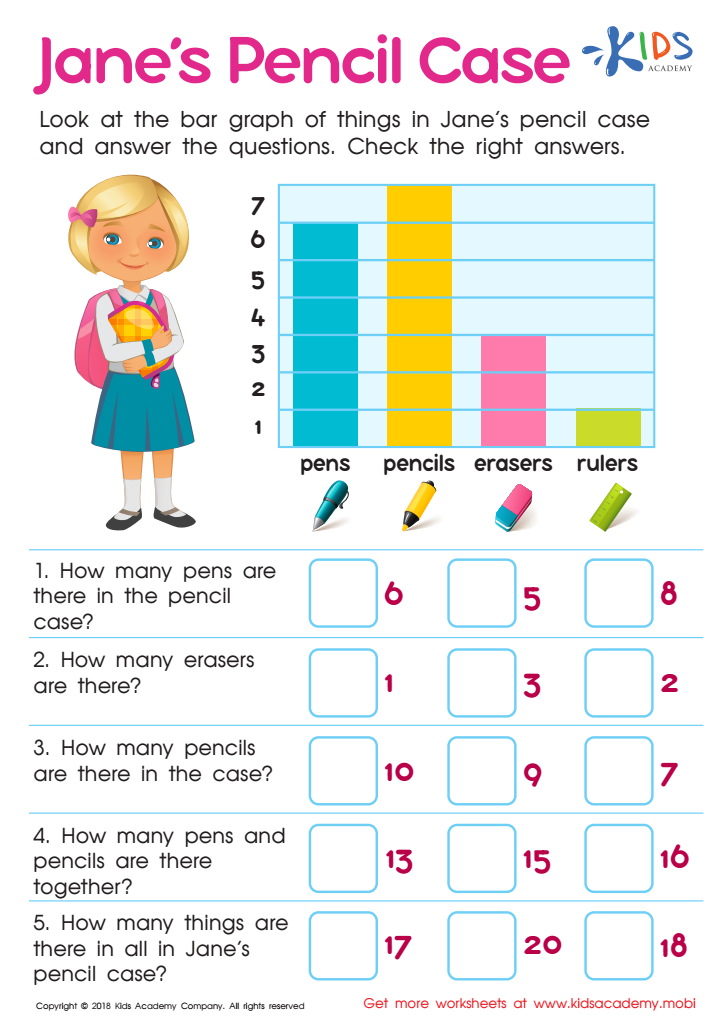
Jane's Pencil Case Worksheet







%20(1).jpg)
Color identification and early math skills are fundamental building blocks for cognitive development in children ages 3-7. During these formative years, children’s brains are highly receptive and can absorb information quickly. Teaching them to identify colors enhances their visual perception and categorization skills, which are crucial for later learning tasks.
Recognizing colors isn’t just about knowing the names of different hues; it cultivates their ability to notice details and differences. This visual discrimination is important for reading, writing, and critically analyzing information.
Similarly, introducing easy math concepts, such as counting, recognizing numbers, and basic addition or subtraction, helps build a strong foundation for future mathematics learning. Early math skills foster problem-solving abilities and logical thinking.
Integrating color identification with math concepts builds a multi-faceted learning experience. For instance, using colored objects to teach counting helps solidify these notions in an engaging way. These integrated lessons are often more engaging for children, making learning feel like play.
By supporting children in mastering these skills early, parents and teachers set them up for success in school and beyond, reinforcing confidence and a positive attitude toward education. This foundational knowledge paves the way for more complex concepts and lifelong learning attitudes.








