Comparing Fractions Easy Math Worksheets for Ages 3-7
4 filtered results
-
From - To
Welcome to our "Comparing Fractions Easy Math Worksheets" page, designed specifically for children aged 3-7! These engaging and colorful worksheets help young learners grasp the concept of fractions in a fun and interactive way. With activities that emphasize visual comparisons, children will learn to identify and distinguish between different fractions easily. Our age-appropriate exercises cater to various learning styles, making math accessible and enjoyable for all. Perfect for classroom use or at-home practice, these worksheets will lay a solid foundation in fraction understanding, boosting confidence and skills. Get started today with our free printable resources and watch your child's math confidence grow!
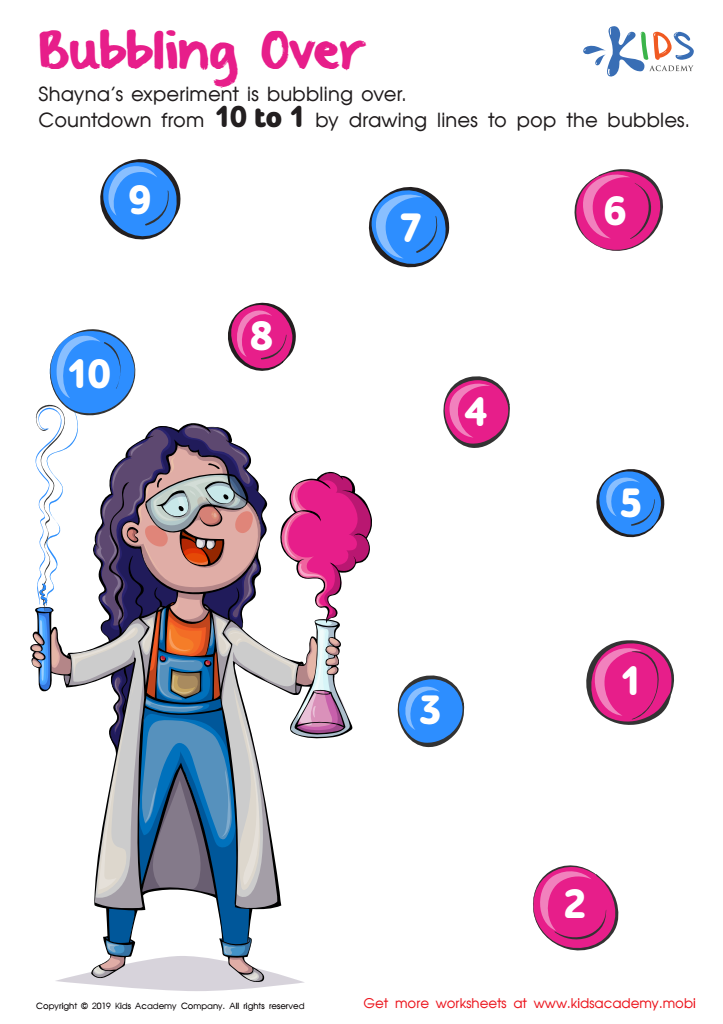
Bubbling Over Worksheet
 Assign to My Students
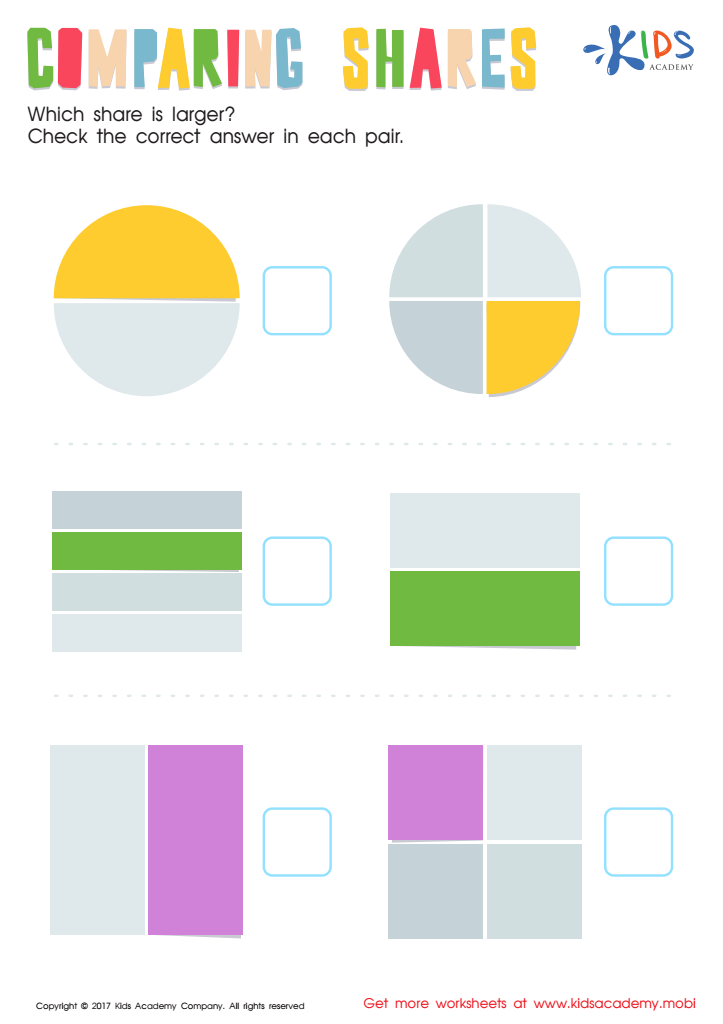
Comparing Shares Worksheet
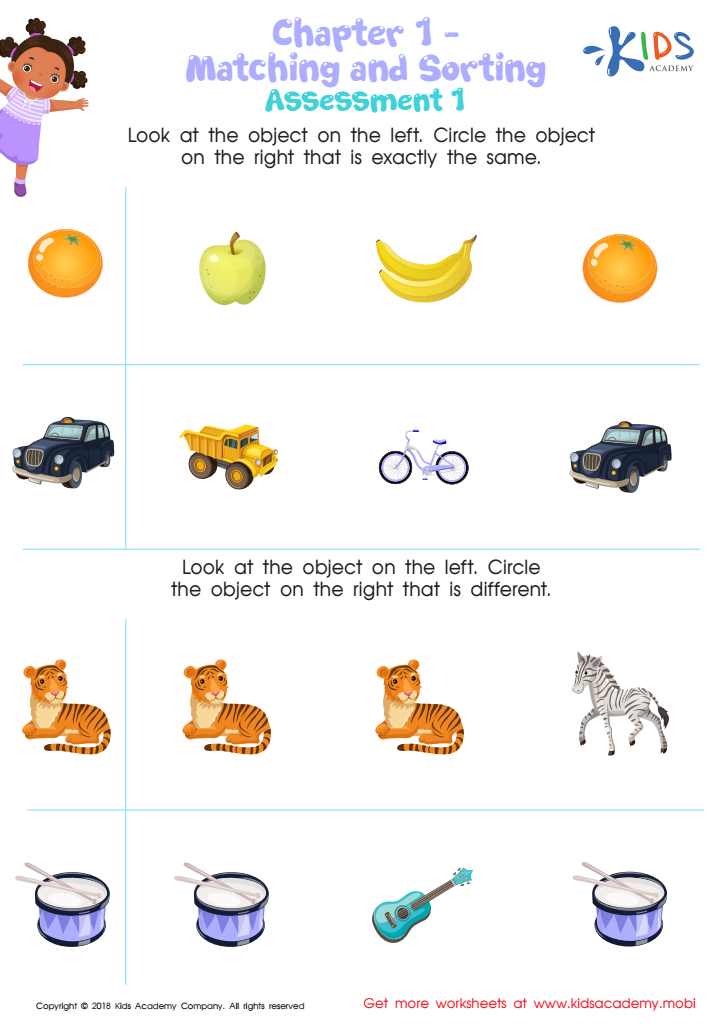
Matching and Sorting for Preschool: Assessment 1 Worksheet
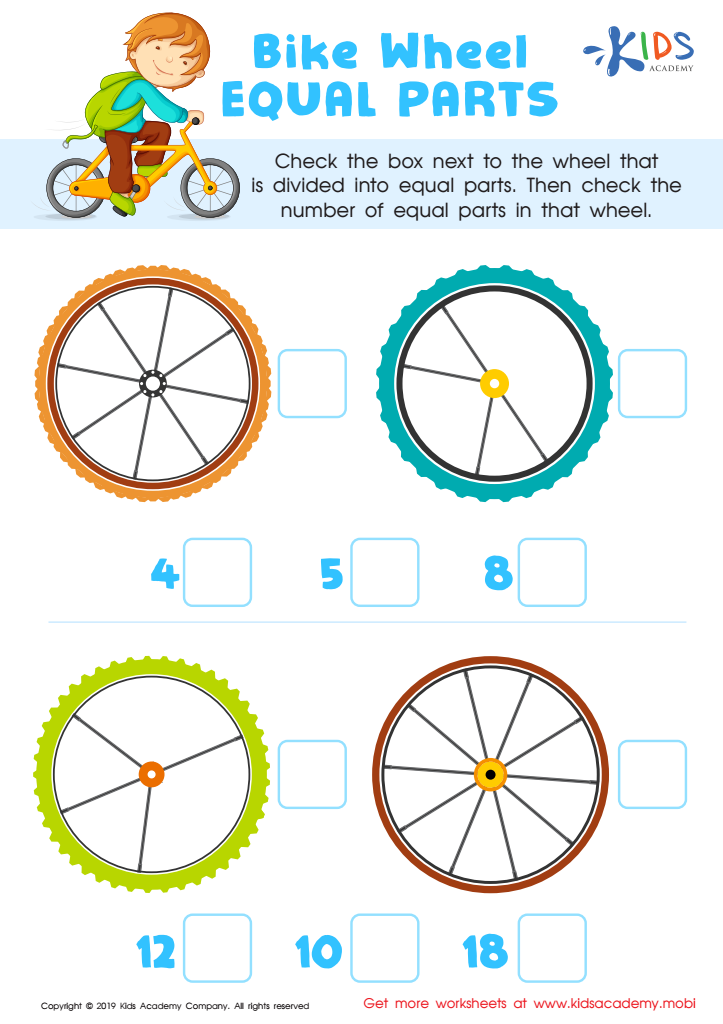
Bike Wheel Equal Parts Worksheet






Understanding comparing fractions is crucial for young learners aged 3-7, as it builds a foundation for their future mathematical skills and critical thinking. Parents and teachers should care about this concept because it introduces children to essential mathematical ideas early on. Teaching comparing fractions fosters number sense, helping children grasp the relationship between different quantities, which is fundamental for all areas of math.
At this age, children are naturally curious and eager to explore new ideas. Engaging them in fun activities that involve comparing fractions not only makes learning enjoyable but also solidifies their understanding. By using visual aids, like pie charts and fraction bars, children can clearly see how different fractions relate to one another, reinforcing comprehension through tangible experiences.
Moreover, mastering comparing fractions enhances children's problem-solving skills and boosts their confidence in math. It prepares them for more complex concepts they'll encounter later in school. As parents and teachers play a vital role in shaping a child's learning journey, encouraging mastery of comparing fractions at an early age helps set the stage for lifelong learning and appreciation for mathematics. Ultimately, fostering this skill directly influences their success in future academic endeavors.








