Reading comprehension Easy Coloring Pages Worksheets for Ages 3-8
19 filtered results
-
From - To
Discover the joy of learning with our "Reading Comprehension Easy Coloring Pages Worksheets" designed for children ages 3-8! Our engaging and colorful worksheets combine fun coloring activities with essential reading skills, helping young learners improve their comprehension while expressing their creativity. Each worksheet features simple, age-appropriate texts that encourage children to think critically about what they read. By integrating art and literacy, these worksheets make learning enjoyable and effective. Download and print our easy-to-use resources to create an inspiring learning environment at home or in the classroom. Foster a love for reading in your child today!
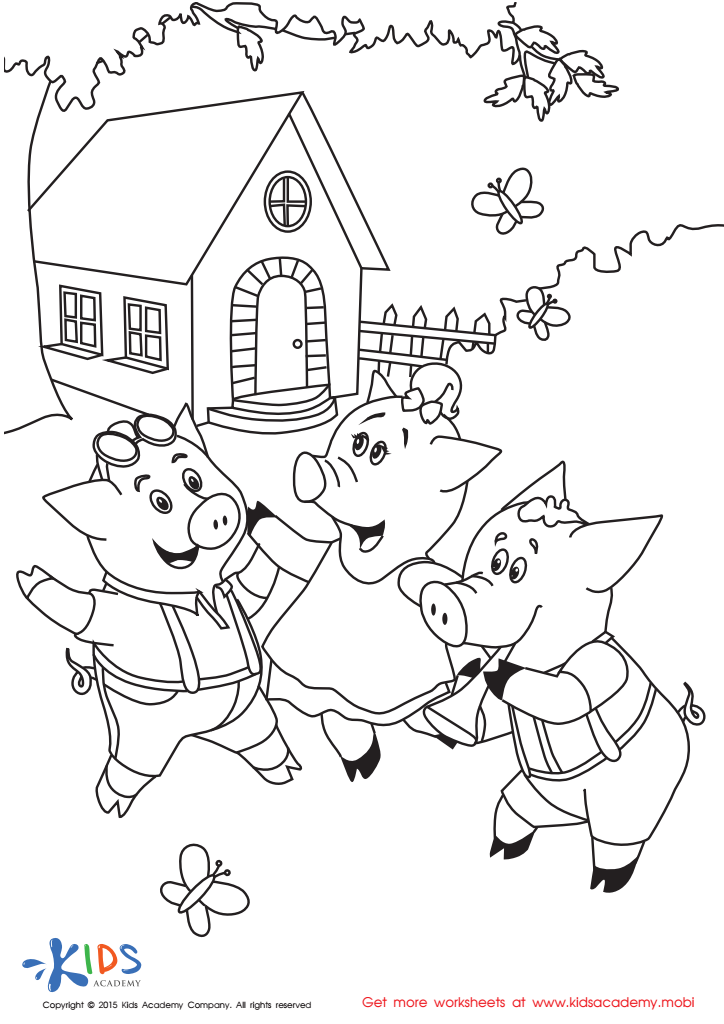
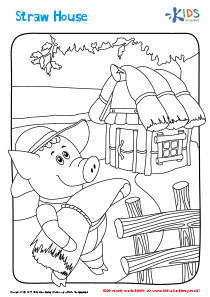
Folktales Printable PDF Worksheet: The 3 Little Pigs
 Assign to My Students
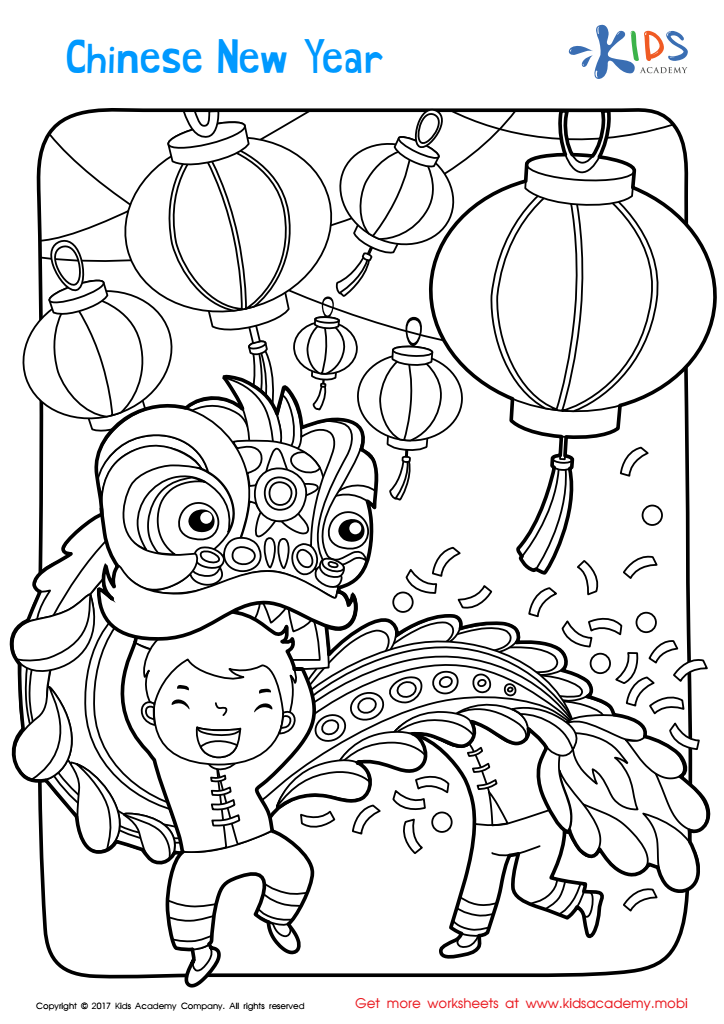
Chinese New Year Worksheet
Assign to My Students
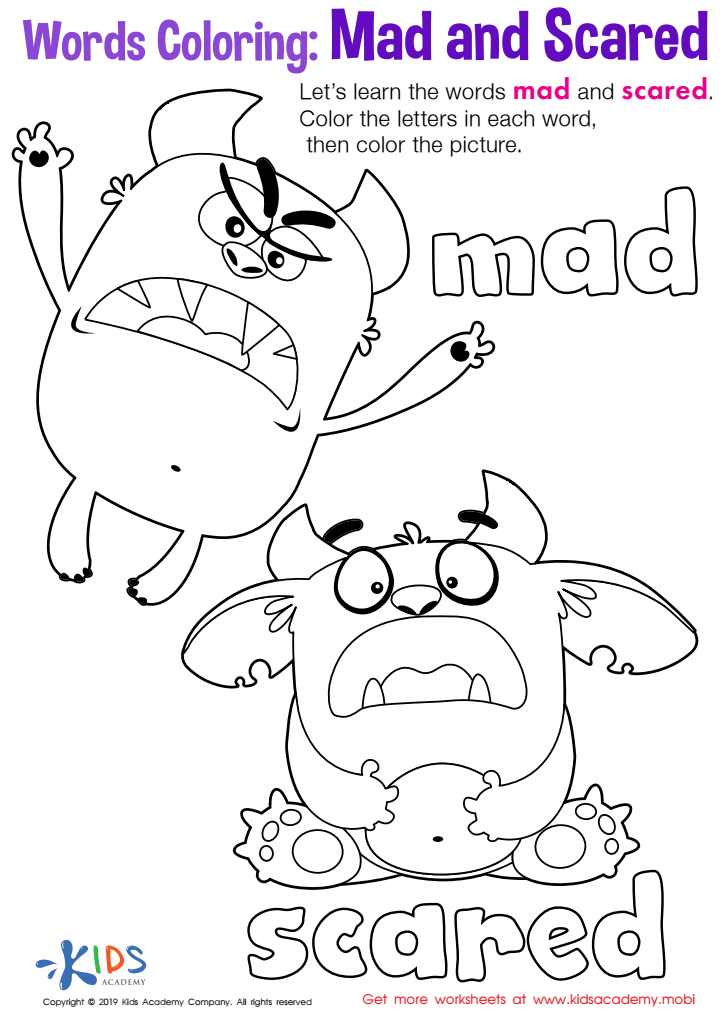
Mad and Scared Words Coloring Worksheet
Assign to My Students
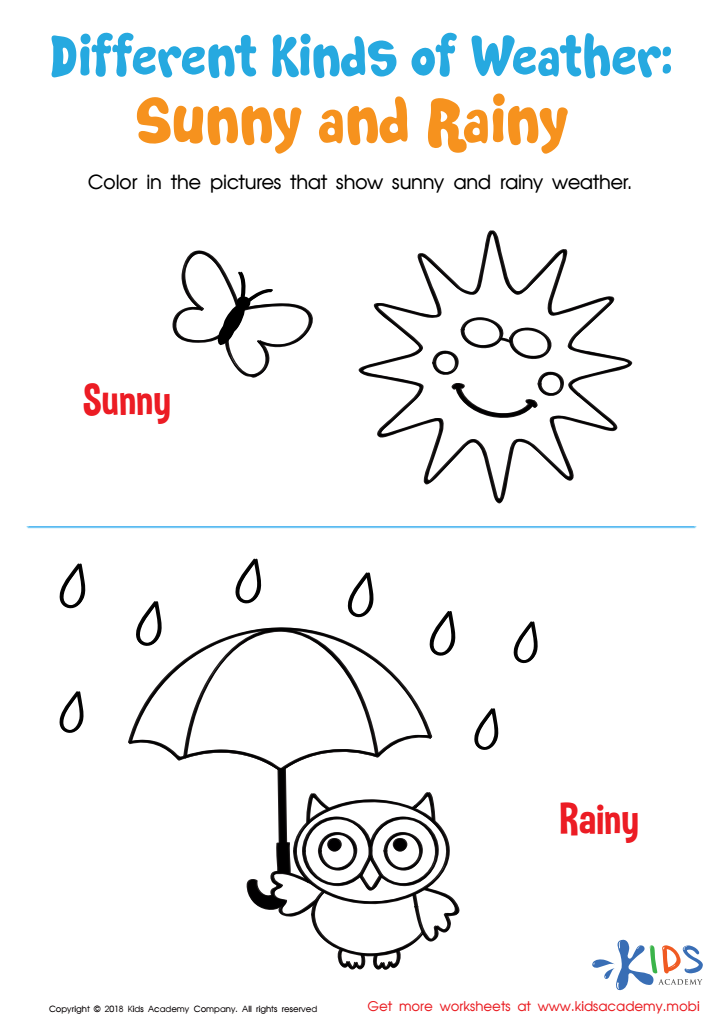
Different Kinds of Weather: Sunny and Rainy Worksheet
Assign to My Students
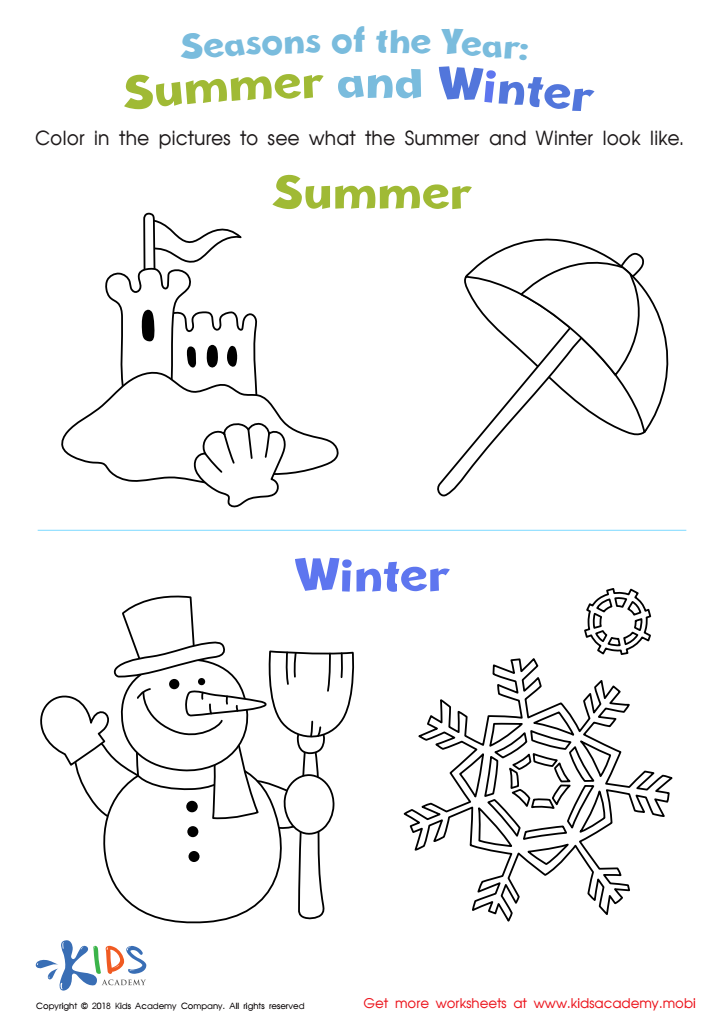
Summer and Winter Worksheet
Assign to My Students
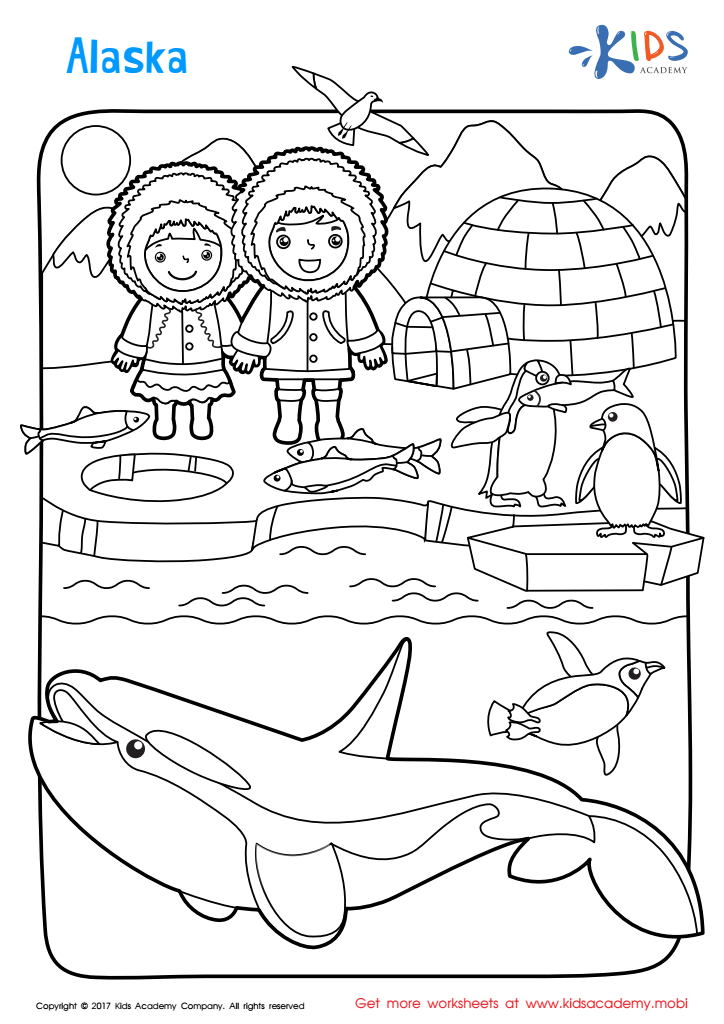
Alaska Coloring Page Worksheet
Assign to My Students
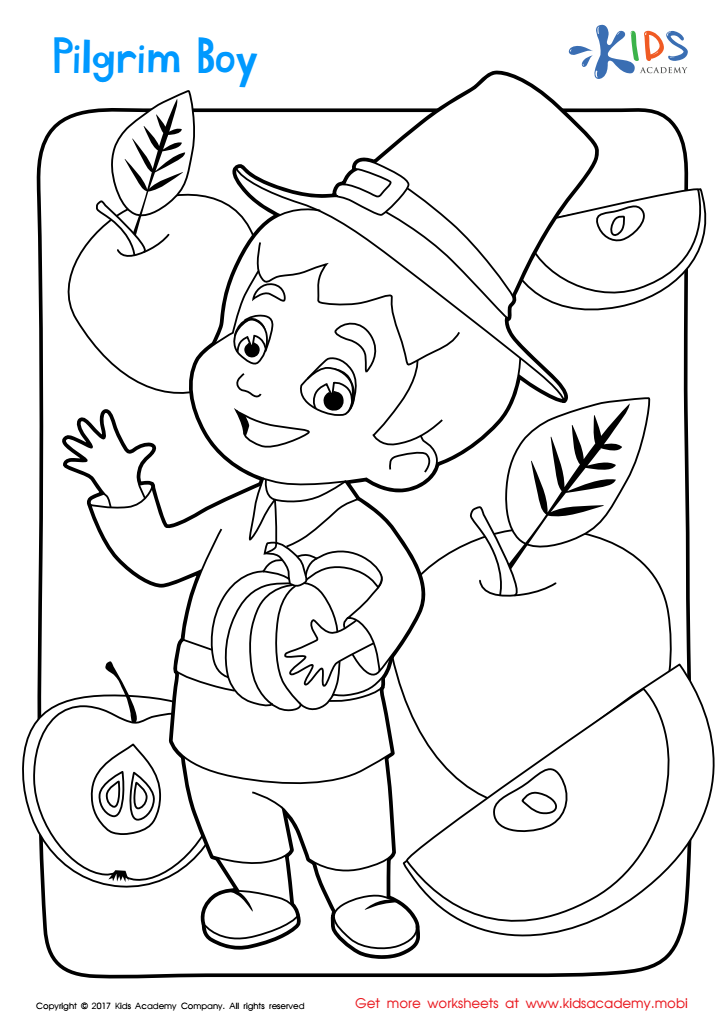
Pilgrim Boy Printable
Assign to My Students
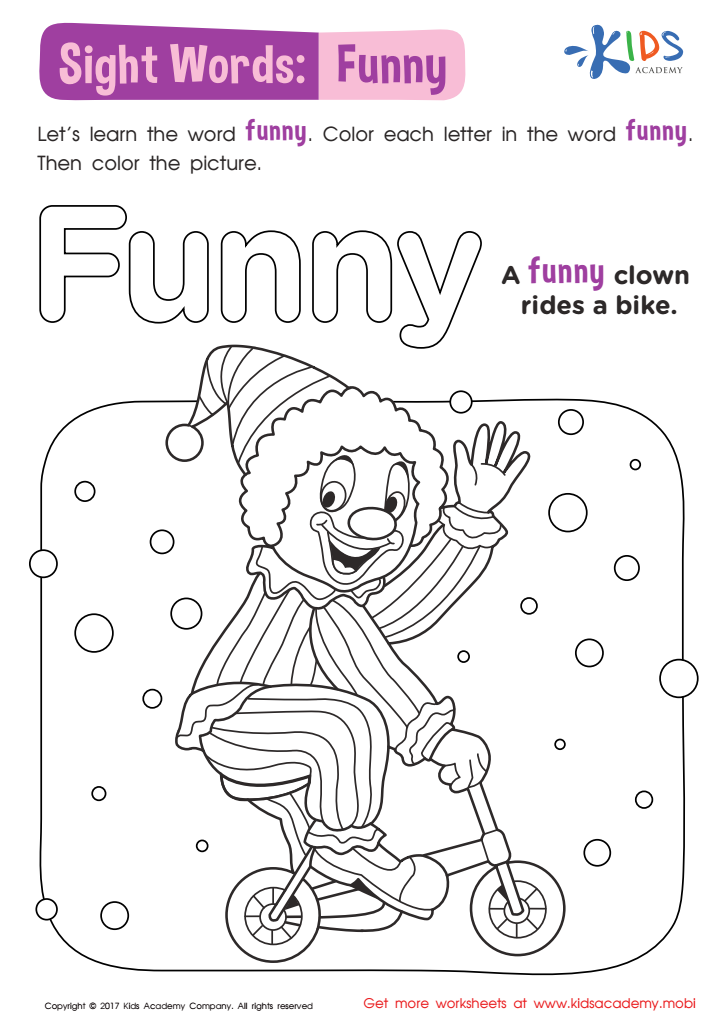
Funny Worksheet Sight Words Worksheet
Assign to My Students
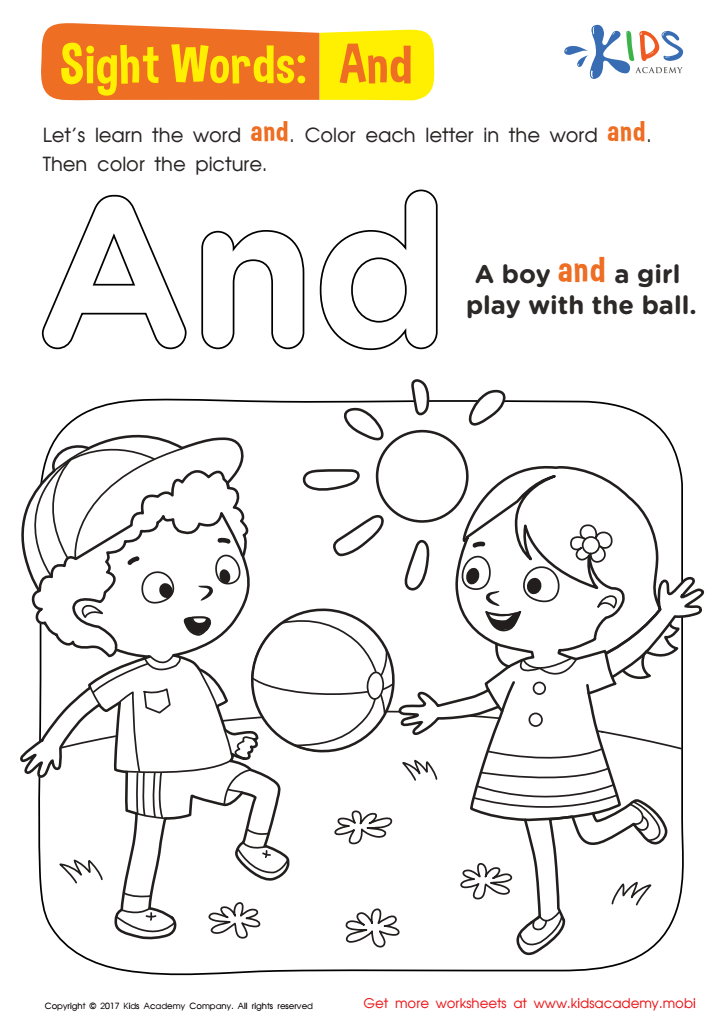
And Worksheet Sight Words Worksheet
Assign to My Students


.jpg)




Reading comprehension is a foundational skill that sets the stage for lifelong learning. For children ages 3-8, engaging activities like Easy Coloring Pages can play a vital role in developing this skill. These coloring pages are not just fun; they incorporate elements of storytelling and context that encourage children to think critically about the characters, settings, and plotlines.
Parents and teachers should care about these resources because they promote literacy skills in a playful and engaging manner. Coloring encourages fine motor skills, while the accompanying stories help boost vocabulary, comprehension, and imaginative thinking. As children color, they can discuss the images, predict outcomes, or relate the story to their own experiences. This interplay between creative expression and literacy aids children in understanding concepts, making inferences, and answering questions—all vital components of reading comprehension.
Moreover, introducing comprehension activities in a low-pressure environment helps foster a love for reading. By nurturing these early skills through enjoyable methods, adults set children on a path toward academic success, critical thinking, and a lifelong passion for learning. Investing time in such engaging activities benefits both cognitive development and emotional growth, making it essential for parents and teachers to prioritize these resources.