Writing practice Easy Letter Recognition Worksheets for Ages 3-9
3 filtered results
-
From - To
Welcome to our Writing Practice Easy Letter Recognition Worksheets, designed for children ages 3-9! These engaging worksheets help young learners master letter recognition and improve their writing skills in a fun, interactive way. Featuring colorful illustrations and creative activities, each worksheet encourages kids to trace, write, and identify letters while building their vocabulary. Perfect for preschool, kindergarten, and early elementary students, these resources foster a strong foundation in literacy through enjoyable and educational content. Boost your child's confidence and love for learning with our user-friendly worksheets, designed to make letter recognition an exciting journey! Start exploring today!
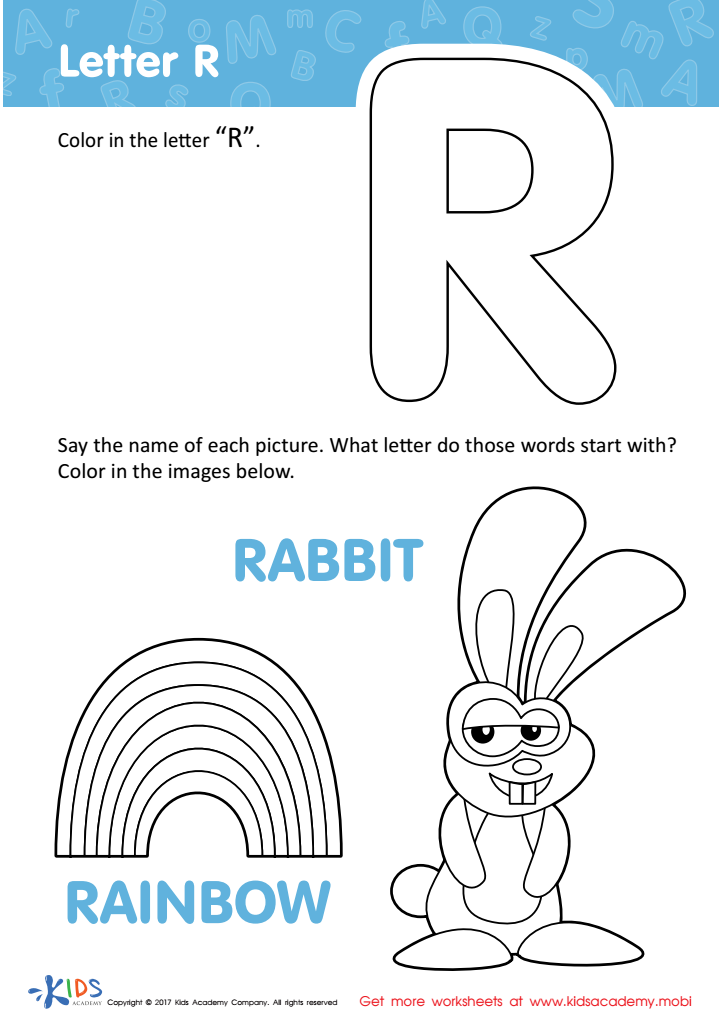
Letter R Coloring Sheet
 Assign to My Students
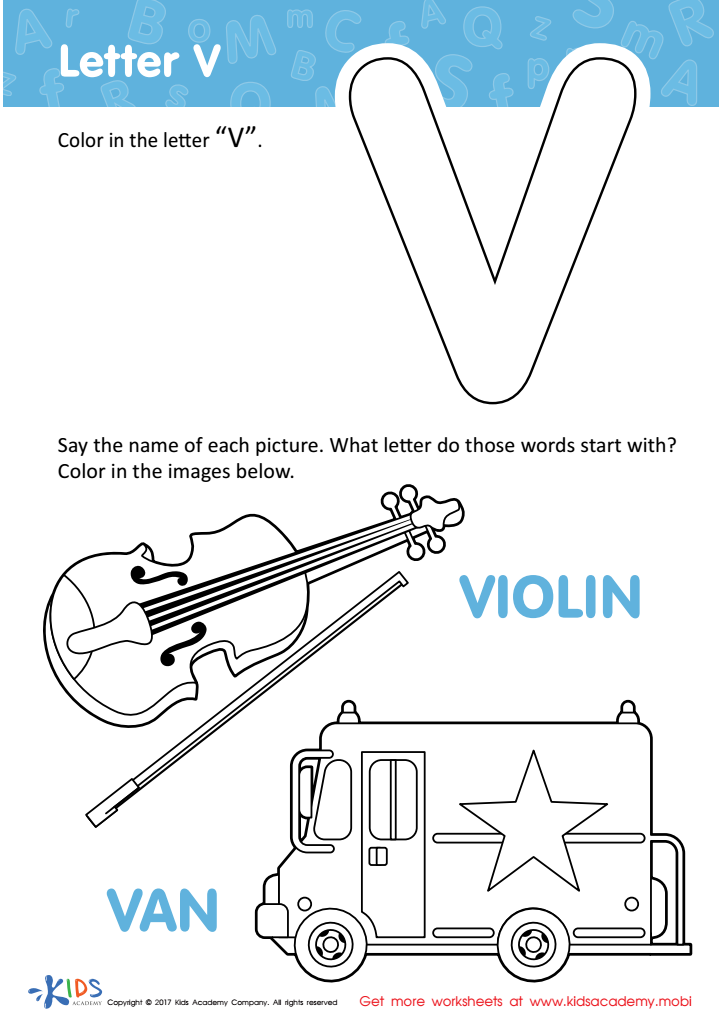
Letter V Coloring Sheet
Assign to My Students
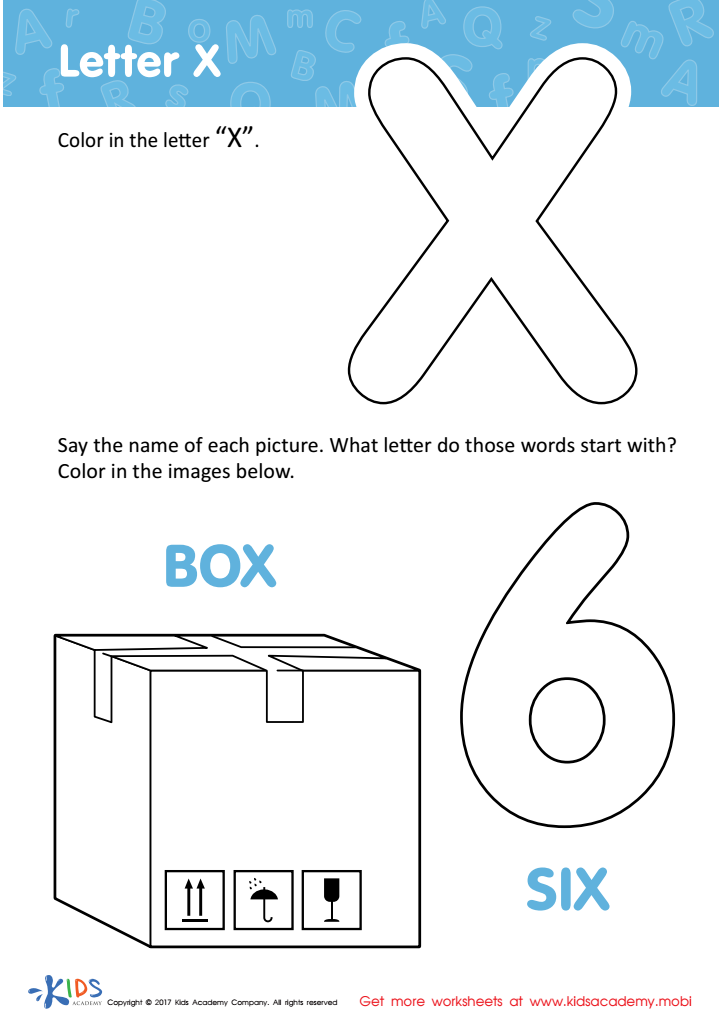
Letter X Coloring Sheet
Assign to My Students








Writing practice and easy letter recognition are crucial for children aged 3-9, serving as foundational skills for effective communication and literacy. At this age, children's brains are highly receptive to learning new concepts, and focusing on writing and letter recognition can foster cognitive development and boost self-esteem. When children engage in writing practice, they refine their motor skills, enhancing their ability to control a pencil or crayon, which is essential for more advanced writing tasks later on.
Letter recognition, on the other hand, plays a vital role in literacy. It allows children to identify and differentiate letters, setting the stage for reading and spelling. By fostering these skills early on, parents and teachers can help children develop a love for language and enhance their overall academic success.
Moreover, practicing writing and recognizing letters can be an enjoyable experience, encouraging creativity and imaginative thinking. It also opens opportunities for children to express their thoughts and feelings, promoting emotional intelligence. Ultimately, emphasizing writing and easy letter recognition supports a well-rounded education, empowering children to communicate effectively and confidently as they grow. Parents and teachers play a crucial role in nurturing these skills, equipping children for lifelong learning and success.