Visual Learning Easy Addition and Subtraction Word Problems Worksheets for Ages 3-9
3 filtered results
-
From - To
Unlock the fun in math with our Visual Learning Easy Addition and Subtraction Word Problems Worksheets! Designed for ages 3-9, these engaging worksheets blend vibrant visuals and interactive word problems to help young learners grasp basic arithmetic skills effortlessly. Each sheet introduces a unique scenario and colorful characters to make learning addition and subtraction both captivating and understandable. Perfect for homeschooling or classroom use, these resources offer a playful yet educational approach to problem-solving, ensuring your child builds a solid foundational understanding of math while boosting confidence and critical thinking skills. Ideal for early learners!
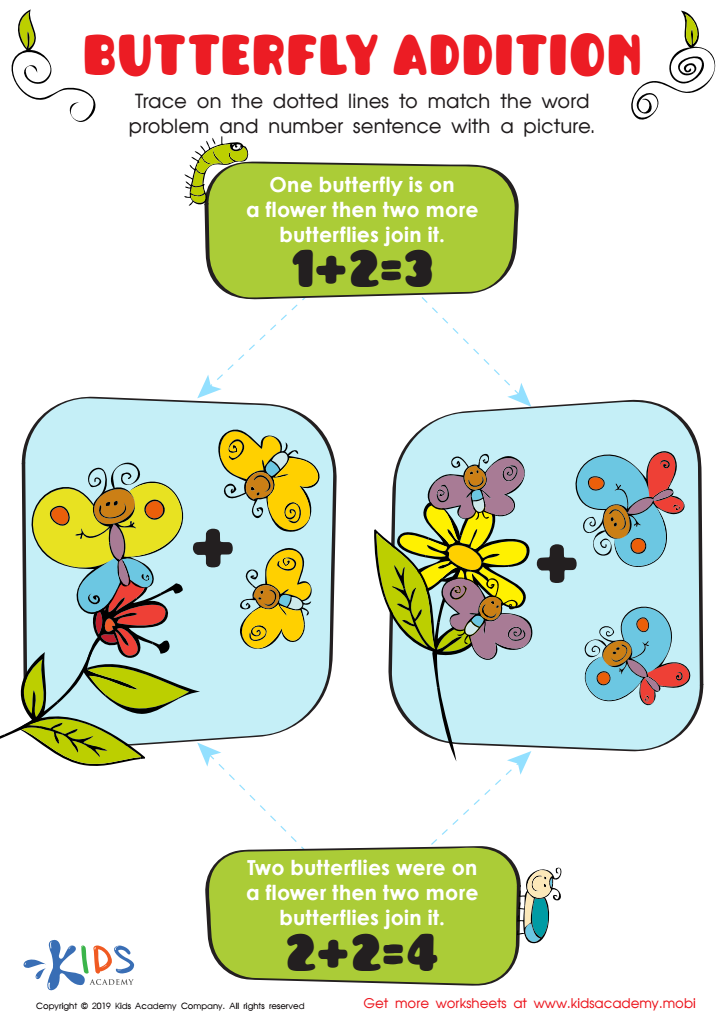
Butterfly Addition Worksheet
 Assign to My Students
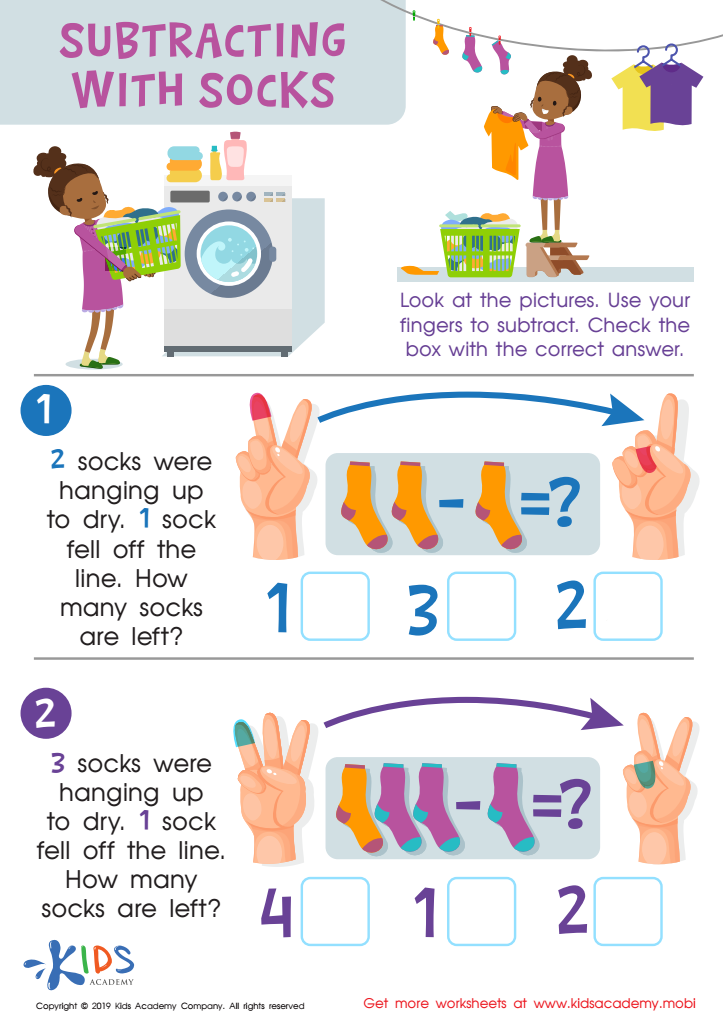
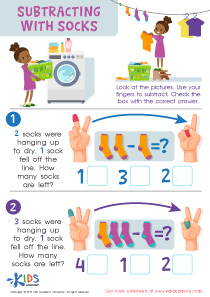
Subtracting Socks Worksheet
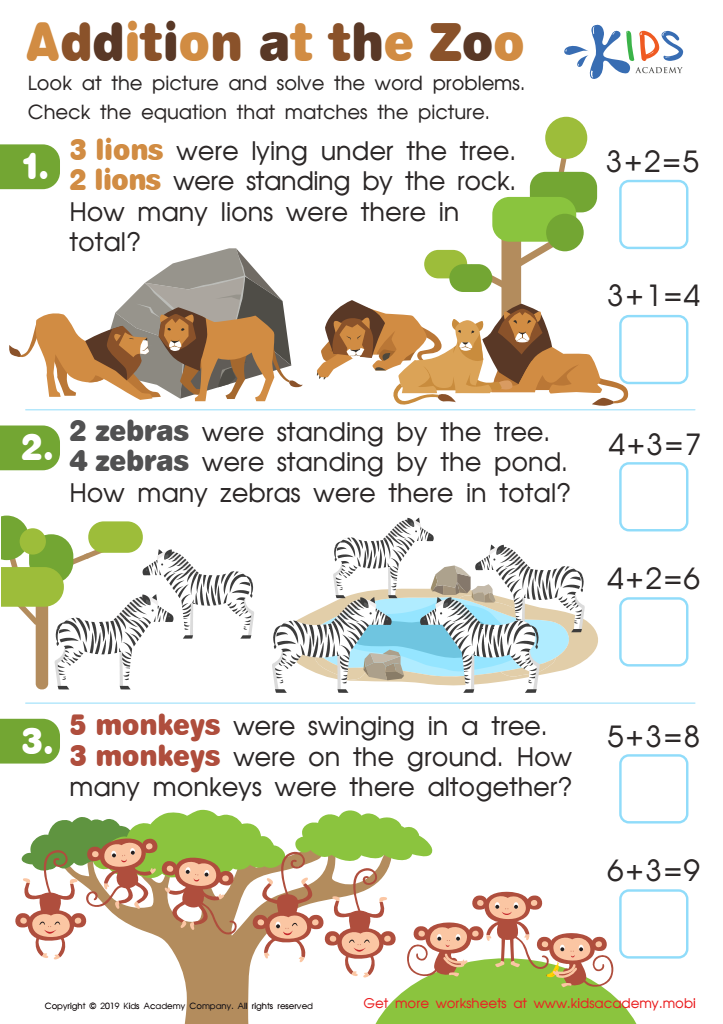
Addition at the Zoo Worksheet








Parents and teachers should prioritize Visual Learning Easy Addition and Subtraction Word Problems for children ages 3-9 because these techniques are foundational for developing critical math skills and overall cognitive development. Visual learning leverages pictures, diagrams, and other visual aids to make abstract math concepts more concrete and understandable for young learners. In the early ages, children are concrete thinkers who grasp ideas better when they can see them.
Engaging with visual word problems helps children translate real-world situations into mathematical terms, making addition and subtraction more relatable and less daunting. This builds a strong foundation for subsequent mathematical concepts and enhances problem-solving skills. Early mastery of these basic skills fosters confidence, making future learning experiences more positive.
Moreover, visual learning supports diverse learning styles. Not all children learn best through auditory or textual instruction; some need visual stimuli to grasp and retain information effectively. By incorporating visual elements, teachers and parents cater to a broader range of learners, increasing each child's chances of success.
Finally, visual addition and subtraction problems not only build math skills but also enhance other cognitive abilities such as attention to detail, critical thinking, and pattern recognition, forming a holistic educational approach that benefits children in all areas of learning. Parents and teachers investing in these techniques eventually cultivate a love for learning and problem-solving in young minds.