Reading comprehension Easy Numbers Worksheets for Ages 3-9
6 filtered results
-
From - To
Enhance your child's reading comprehension skills with our Easy Numbers Worksheets, designed specifically for ages 3-9. These engaging worksheets combine fun activities with essential learning concepts, helping young learners grasp basic number concepts while boosting their literacy. Through interactive exercises, children will practice reading comprehension, develop critical thinking skills, and enjoy exploring numbers in a playful manner. Our thoughtfully crafted worksheets offer a variety of approaches to keep learning fresh and exciting, ensuring that children build a strong foundation in both math and reading. Perfect for use at home or in the classroom, these resources make learning enjoyable for every young learner!
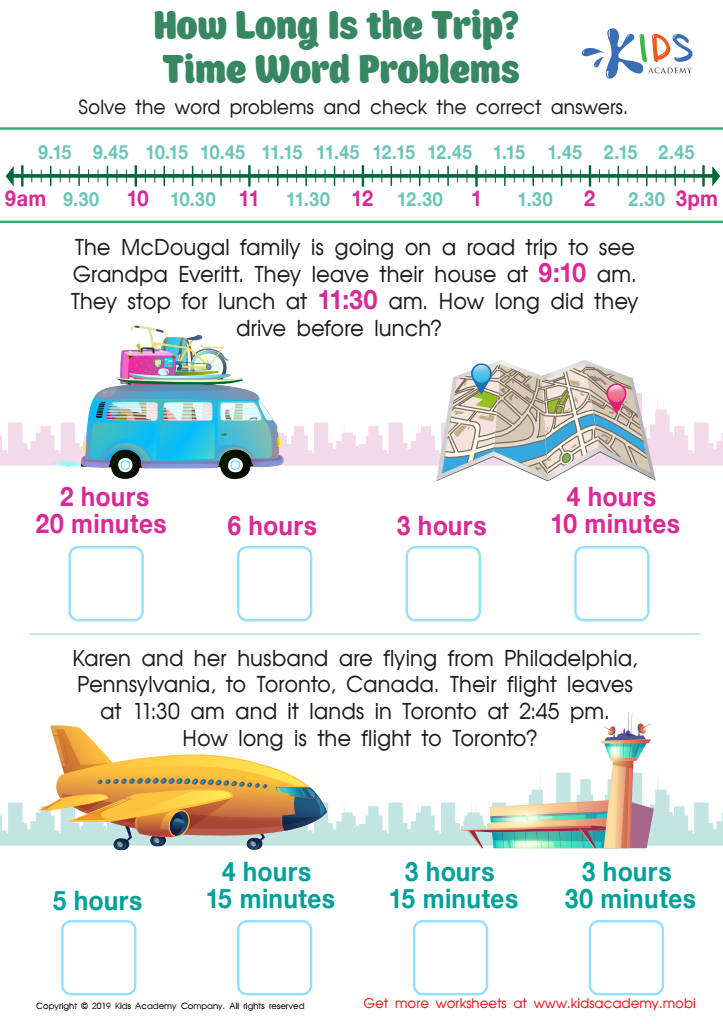
How long is the Trip? Time Word Problems Worksheet
 Assign to My Students
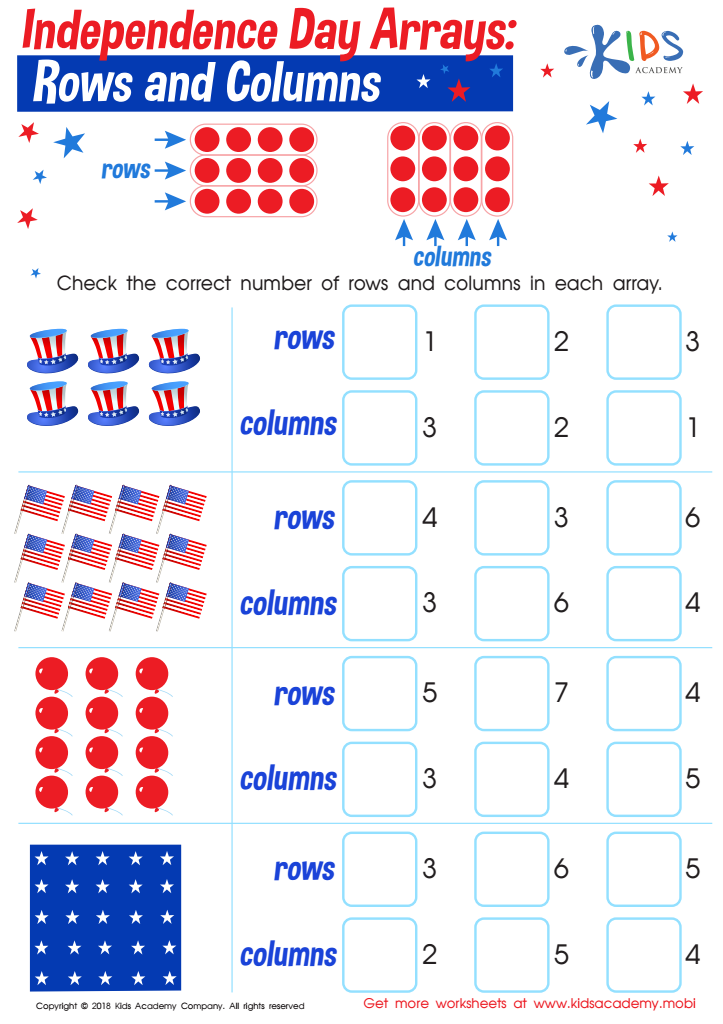
Independence Day Arrays: Rows and Columns Worksheet
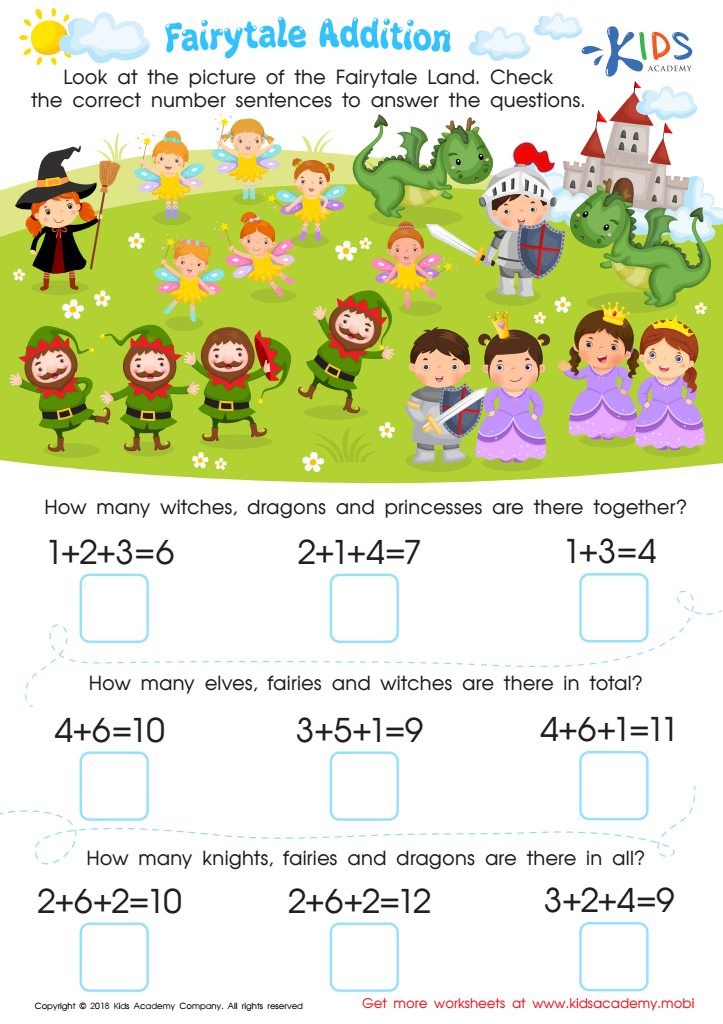
Fairytale Addition Worksheet
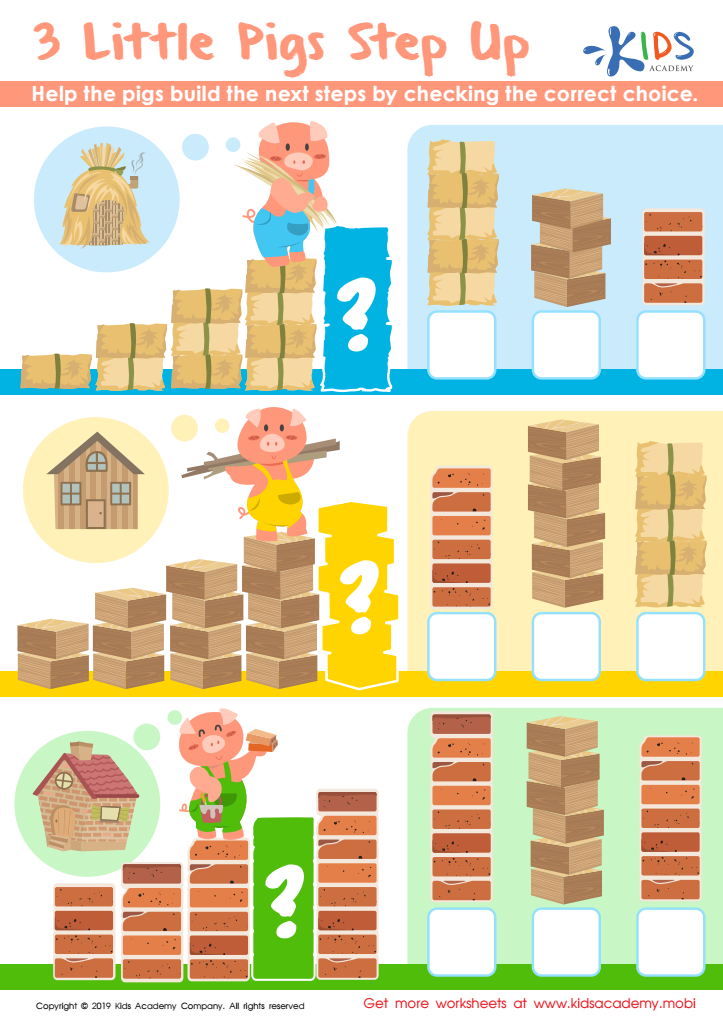
3 Little Pigs Step Up Worksheet

Transportation: Steps Worksheet
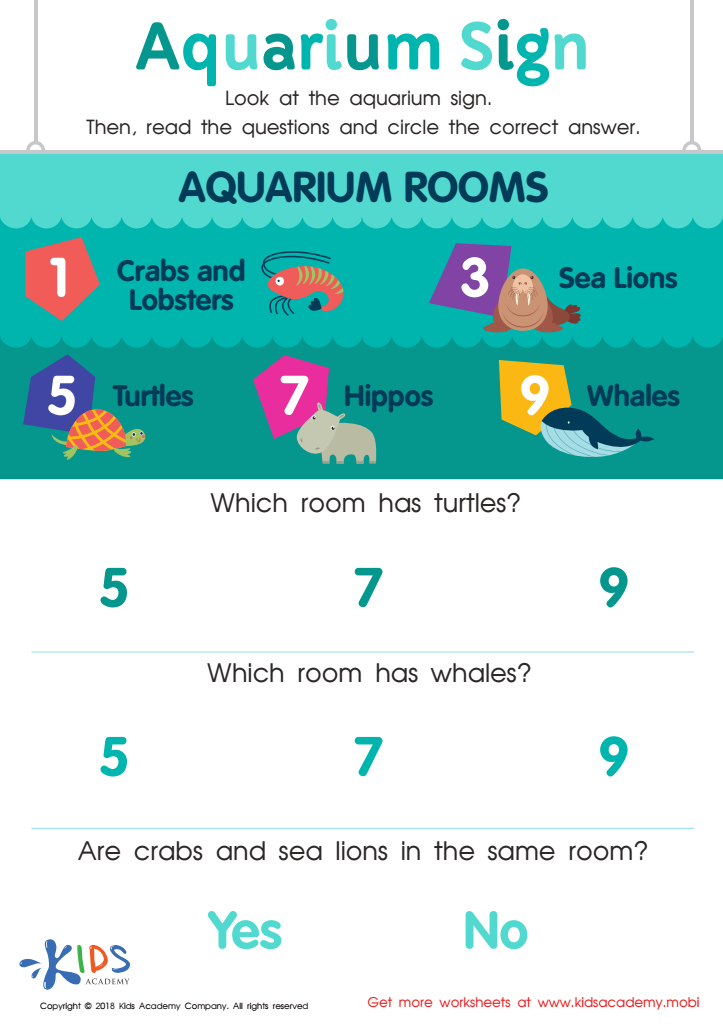
Assessment: Aquarium Sign Worksheet







Reading comprehension is crucial for young learners, particularly for ages 3-9. During these formative years, children develop foundational skills that influence their academic journey and lifelong learning. Understanding the basics of reading comprehension equips them with the ability to process and make sense of written information, fostering critical thinking, vocabulary acquisition, and overall literacy skills.
Parents and teachers should prioritize reading comprehension as it helps children connect with stories, understand narratives, and predict outcomes, making reading enjoyable and engaging. With a solid grasp of easy numbers, children can appreciate the mathematical contexts found in books—supporting their numeracy alongside literacy. This dual focus contributes significantly to their cognitive development and encourages a holistic approach to education.
Moreover, strong reading comprehension abilities enhance children’s confidence and motivation. When they can articulate thoughts and answer questions about what they read, they become more curious. This enjoyment cultivates a lasting love for learning. In classroom and home settings, emphasizing reading comprehension promotes collaboration and shared experiences, fostering deeper relationships between parents, teachers, and children. Ultimately, cultivating these skills in early education sets the groundwork for academic success, making it imperative for all stakeholders to engage actively in this process.








