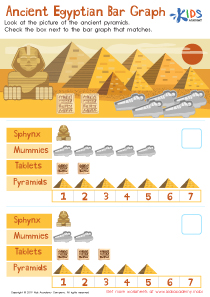
Understanding Sequences Easy Math Worksheets for Ages 3-9
4 filtered results
-
From - To
Welcome to our "Understanding Sequences Easy Math Worksheets" for ages 3-9! These engaging worksheets provide a fun and effective way for young learners to grasp the concept of sequences. Perfect for early grade teachers and parents, our resources encourage the development of logical thinking, pattern recognition, and critical math skills through playful activities. With a variety of worksheets tailored to different age groups, children can confidently enhance their understanding of number order and sequence arrangement. Support your child's learning journey and transform math into an enjoyable adventure with our printable worksheets designed specifically for little learners!
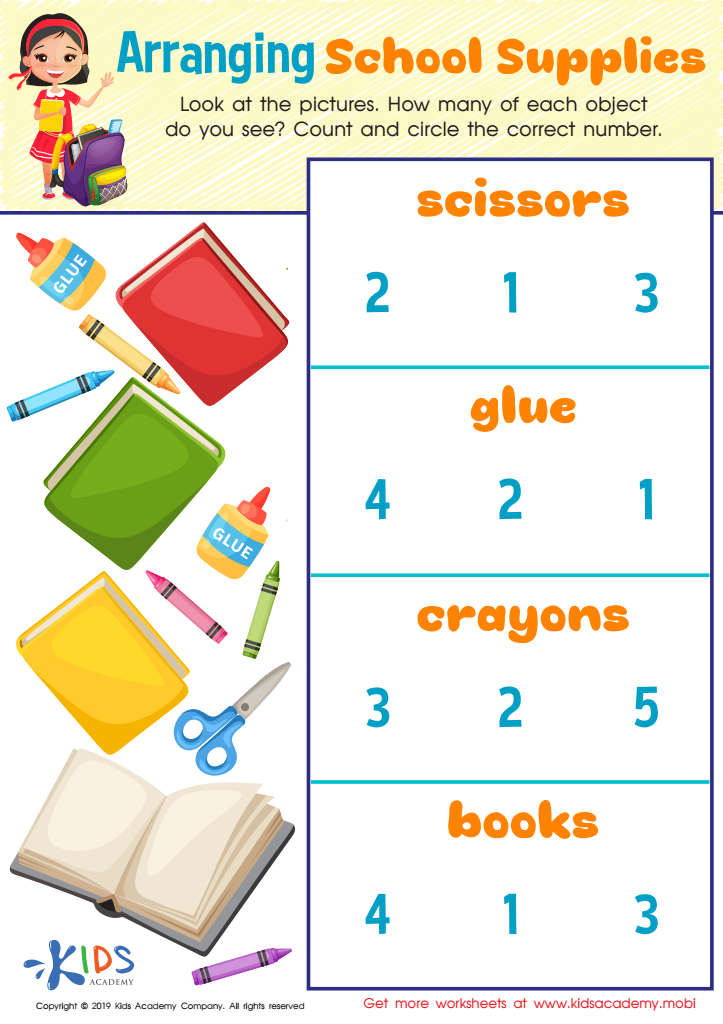
Arranging School Supplies Worksheet
 Assign to My Students
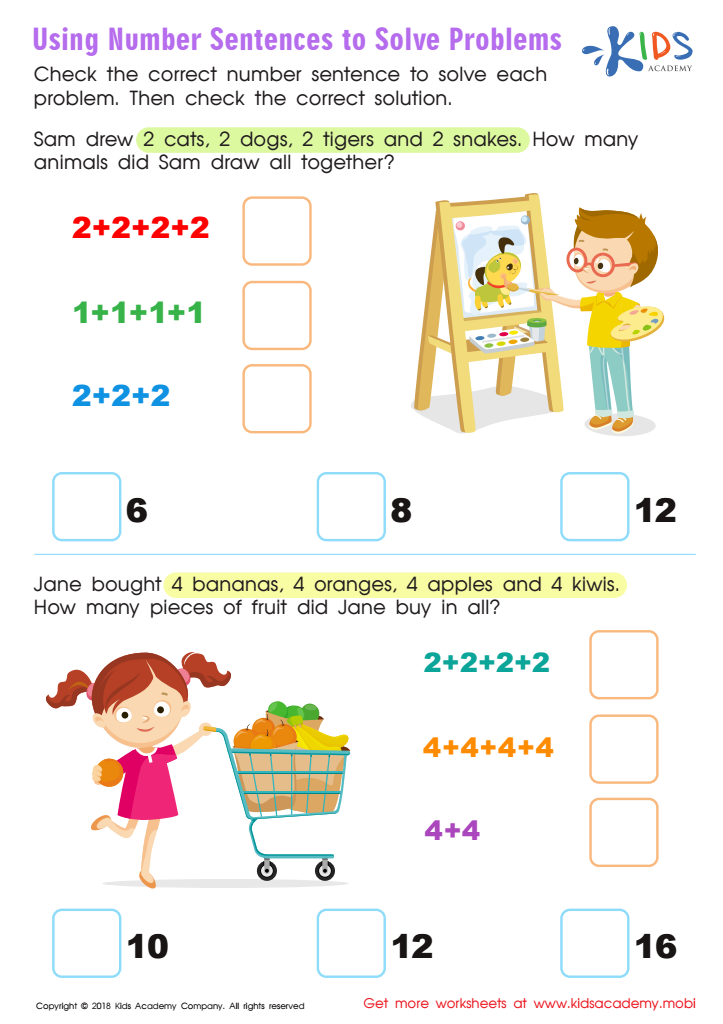
Using Number Sentences to Solve Problems Worksheet
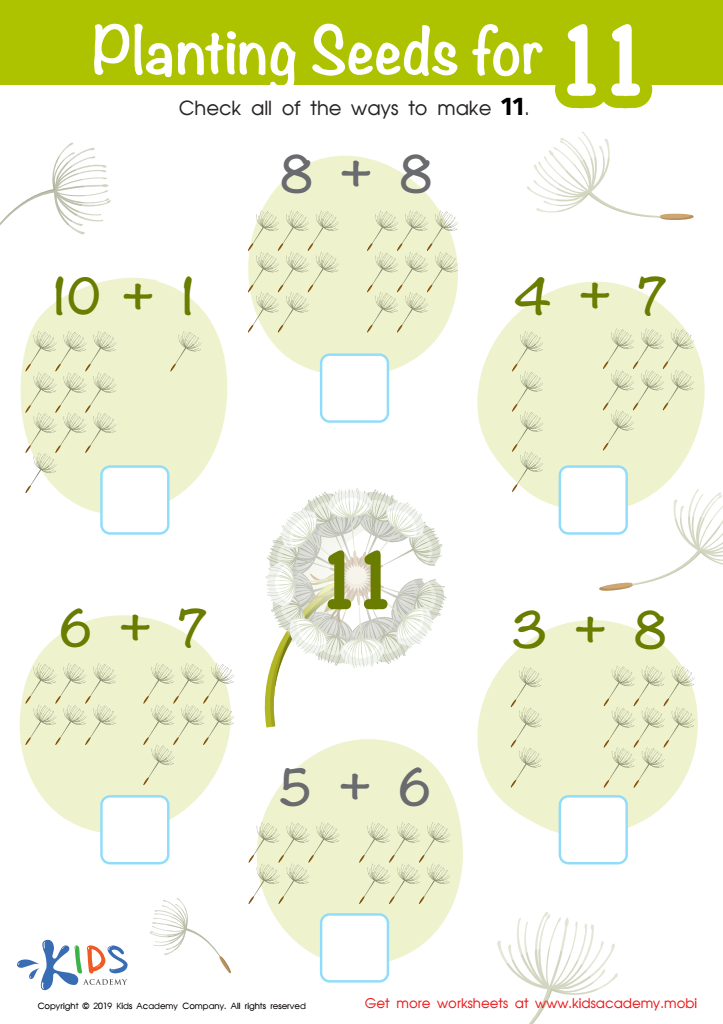
Planting Seeds for 11 Worksheet
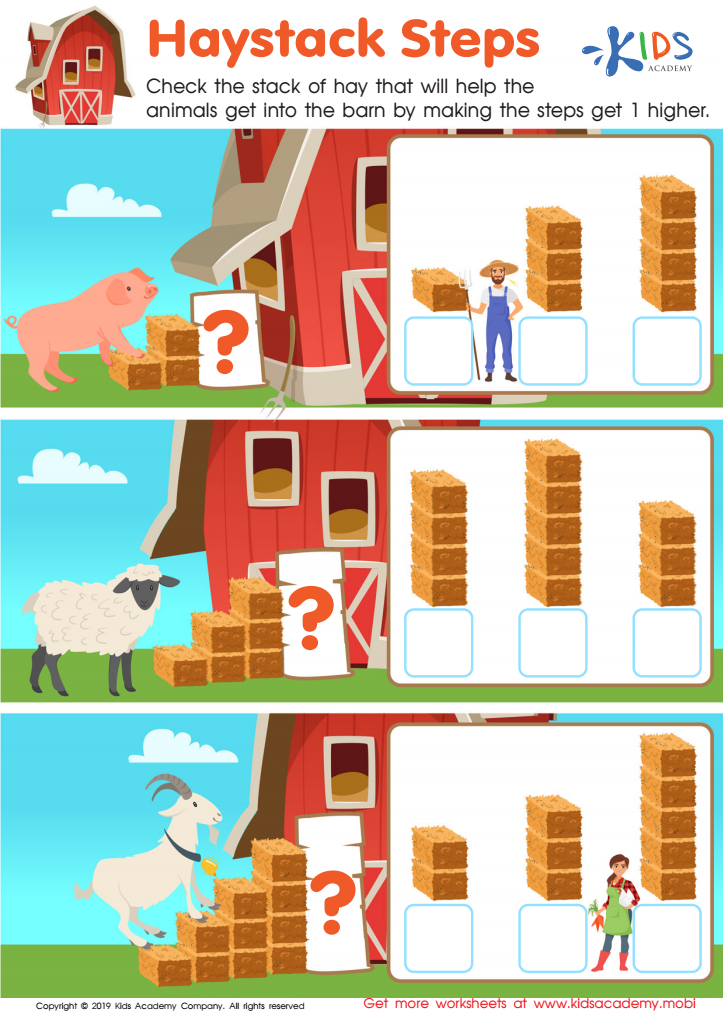
Haystack Steps Worksheet



.jpg)




Understanding sequences is a foundational mathematical concept that can profoundly affect a child’s cognitive development and problem-solving abilities. For parents and teachers of children aged 3-9, nurturing this understanding is crucial for several reasons.
Firstly, sequences enhance logical reasoning. Learning how to predict what comes next in a pattern helps children develop critical thinking skills. This foundational skill sets the stage for more complex math concepts down the road, such as algebra and calculus, as children learn to recognize and manipulate patterns.
Secondly, sequences are inherently tied to everyday life experiences, making them relevant and engaging for young learners. Whether it’s counting, organizing toys, or following a daily routine, sequences provide a practical context that can ignite a child’s interest in math.
Additionally, understanding sequences supports important social-emotional skills. By collaborating on sequence-based activities, children learn patience, turn-taking, and teamwork, vital for personal interactions.
Ultimately, promoting sequence learning equips children with essential academic skills and benefits their overall social development, making this early mathematics topic fundamental for lifelong learning. Engaging children with sequences not only strengthens their math skills but also fosters a love for exploration and inquiry.