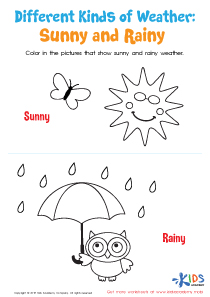
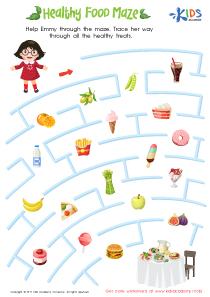
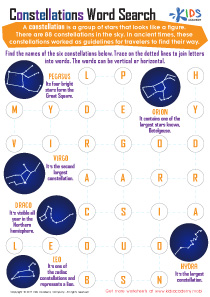
Logical Reasoning Easy Science Worksheets for Ages 3-9
3 filtered results
-
From - To
Discover our engaging "Logical Reasoning Easy Science Worksheets" designed specifically for children ages 3-9! These worksheets help nurture essential critical thinking and problem-solving skills through fun, age-appropriate activities. Each worksheet encourages kids to explore basic scientific concepts while developing their logical reasoning abilities. From shape sorting to simple pattern recognition, our resources make learning enjoyable and interactive. Perfect for homeschooling or classroom settings, these worksheets are versatile and easy to implement. With vibrant visuals and captivating questions, your little learners will love enhancing their science knowledge while honing their logical reasoning skills. Explore now and spark a love for learning!
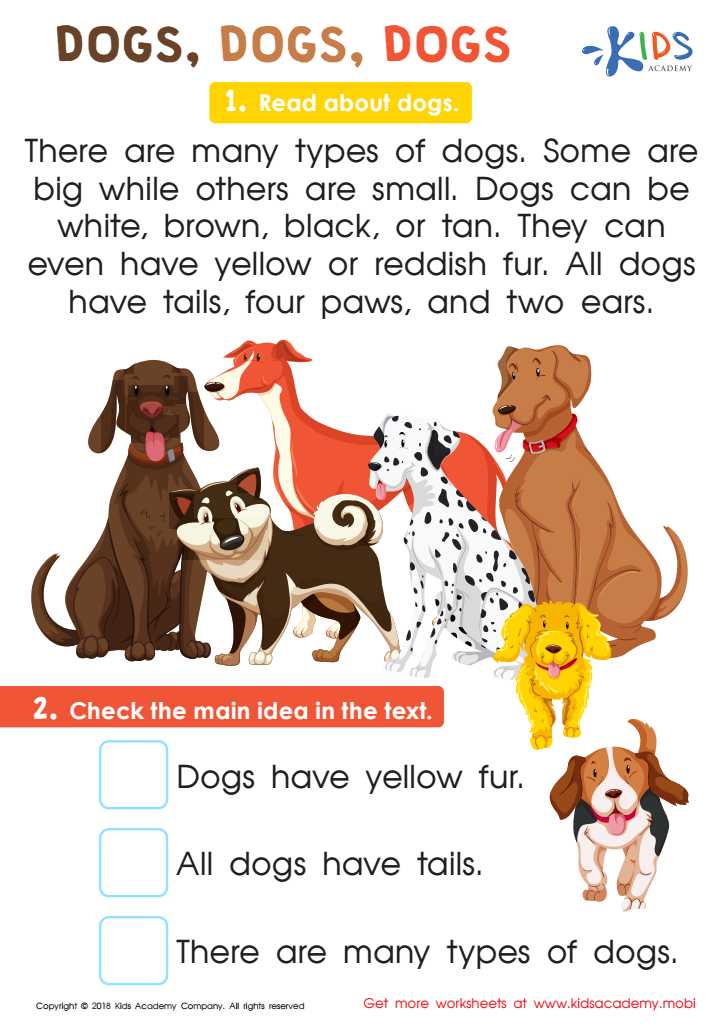
Dogs, Dogs Worksheet
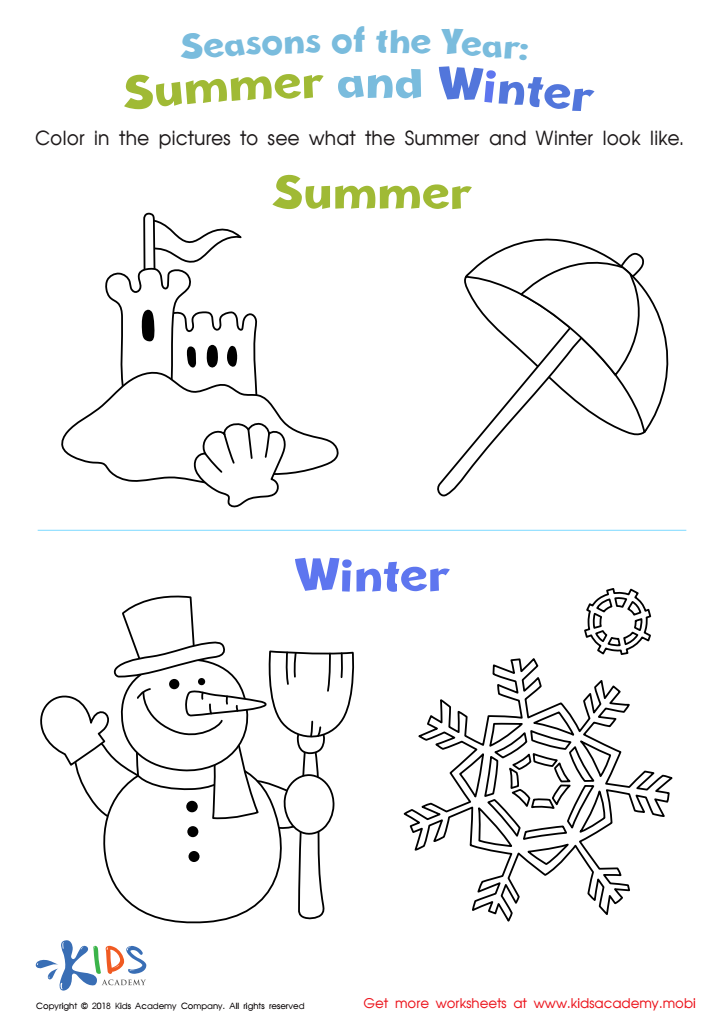
Summer and Winter Worksheet
 Assign to My Students
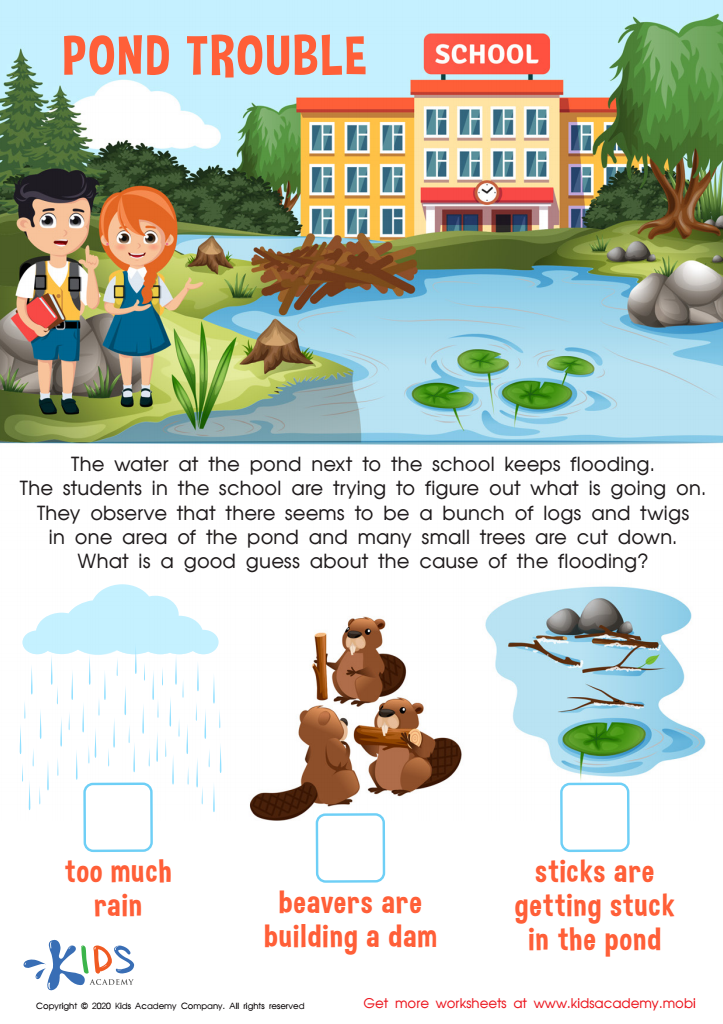
Pond Trouble Worksheet


.jpg)




Logical reasoning is a crucial skill that lays the foundation for critical thinking and problem-solving abilities in young children. Teaching logical reasoning through easy science concepts for ages 3-9 can significantly enhance cognitive development. At this stage, children are exceptionally curious and eager to explore their environment. Easy science activities encourage this curiosity while simultaneously helping them develop logical frameworks for understanding how things work.
Parents and teachers should care because these foundational skills support academic success across subjects. Engaging in simple scientific experiments—like observing plants grow or understanding the water cycle—helps children learn to form hypotheses, draw conclusions, and make connections. These activities cultivate a love for learning and foster inquiry-based thinking, essential for lifelong learning.
Moreover, logical reasoning nurtures emotional and social skills by enabling children to navigate interactions with peers more effectively. As they solve problems together, they learn the value of teamwork and communication.
Furthermore, early engagement with science increases the likelihood of continued interest in STEM (Science, Technology, Engineering, and Mathematics) fields as children grow older. By prioritizing logical reasoning and easy science, parents and educators can equip children with vital skills that promote both intellectual and personal growth.