Fine Motor Skills Easy Alphabet Coloring Pages Worksheets for 3-Year-Olds
6 filtered results
Difficulty Level
Grade
Age
-
From - To
Subject
Activity
Standards
Discover our engaging Fine Motor Skills Easy Alphabet Coloring Pages Worksheets designed specifically for 3-year-olds! These fun and interactive coloring pages help young learners enhance their hand-eye coordination, grip strength, and dexterity while mastering the alphabet. Each worksheet features bold, simple letters and vibrant designs that make learning enjoyable. As children color, they naturally improve their fine motor skills, laying a foundation for future writing abilities. Perfect for preschool home activities or classroom use, our worksheets encourage creativity and learning through play. Explore our extensive collection today and support your child's early development in an exciting way!
Favorites
With answer key
Interactive
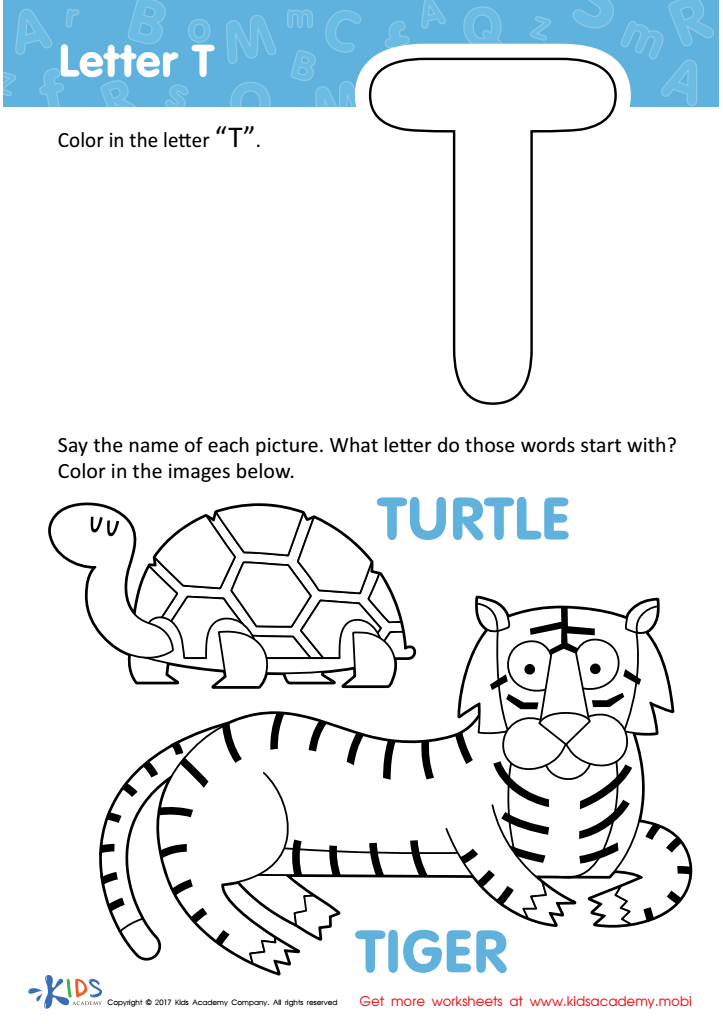
Letter T Coloring Sheet
Introduce your child to the letter "T" and its animals – turtles and tigers! With this coloring page, you can stimulate your child's imagination and creativity, while helping them recognize the letter "T". Have fun with your child and get coloring!
Download (PDF)
 Assign to My Students
Assign to My Students
Letter T Coloring Sheet
Worksheet
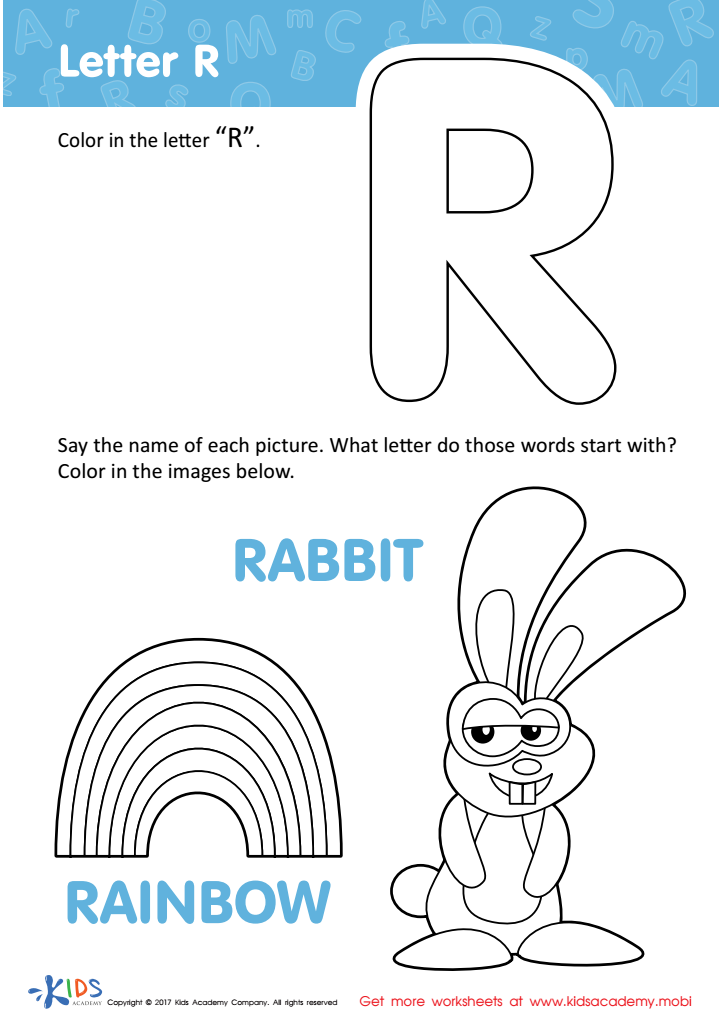
Letter R Coloring Sheet
Let your child explore the rainbow with this fun letter "R" coloring page! They can learn to recognize the letter and make connections to words, all while having fun! Make alphabet learning enjoyable with joyful coloring pages.
Download (PDF)
Assign to My Students
Assign to My Students
Letter R Coloring Sheet
Worksheet
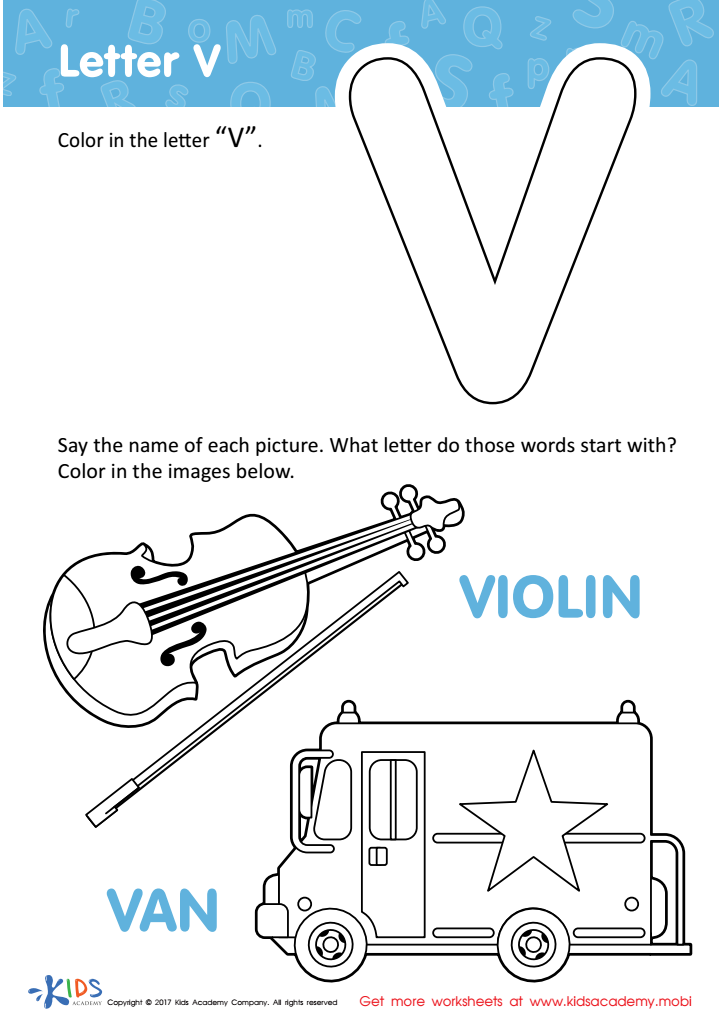
Letter V Coloring Sheet
This fun letter V coloring page can boost your child's knowledge of the letter "V" and its sound. Help them pronounce it correctly, too!
Download (PDF)
Assign to My Students
Assign to My Students
Letter V Coloring Sheet
Worksheet
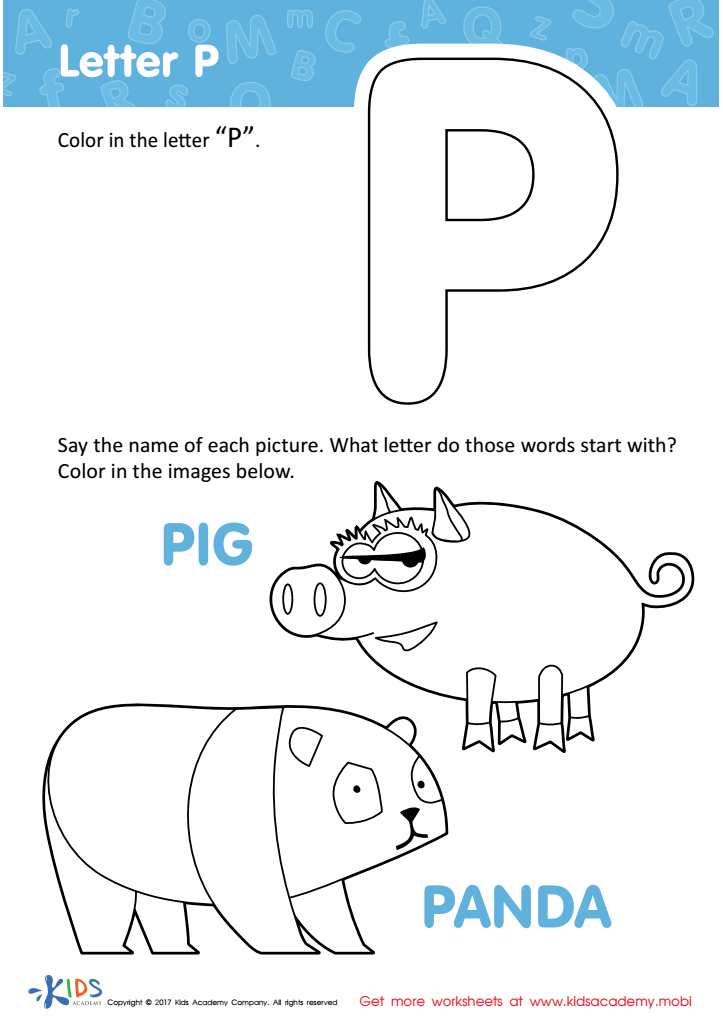
Letter P Coloring Sheet
Encourage your child's creativity and letter recognition with this "P" coloring page! Through coloring animals such as pigs and pandas, your little one will get to know the sound of the letter "P" and have fun too!
Download (PDF)
Assign to My Students
Assign to My Students
Letter P Coloring Sheet
Worksheet
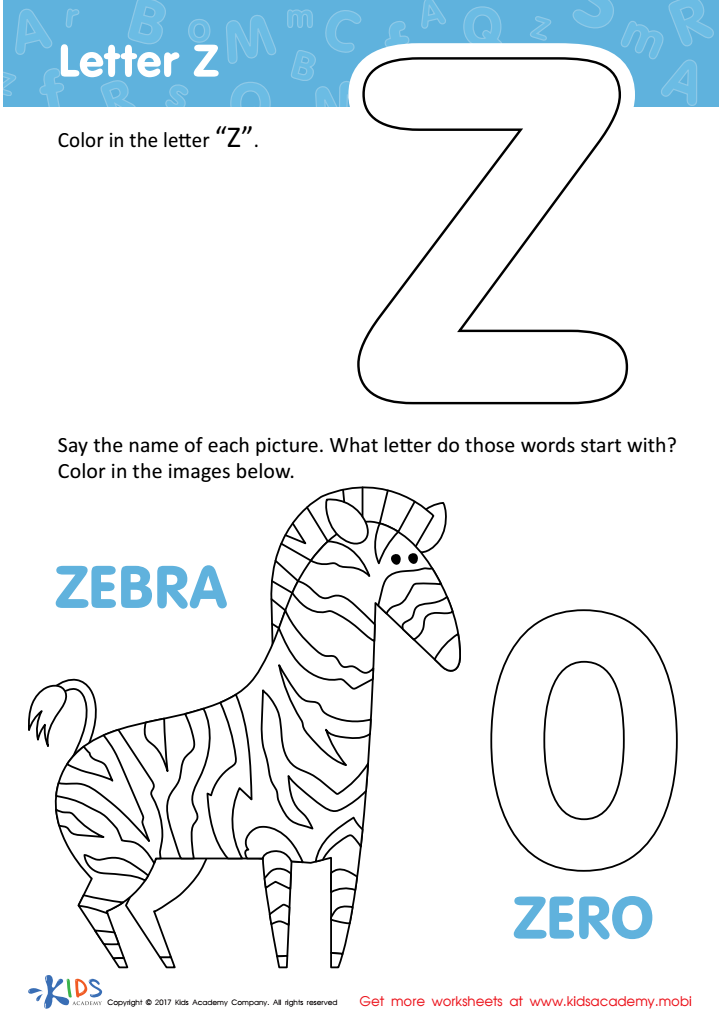
Letter Z Coloring Sheet
This coloring page featuring the letter "Z" is perfect for your child to practice letter recognition! Help them learn the unique sound it makes as they color. It'll be a fun and easy activity they won't have trouble with!
Download (PDF)
Assign to My Students
Assign to My Students
Letter Z Coloring Sheet
Worksheet
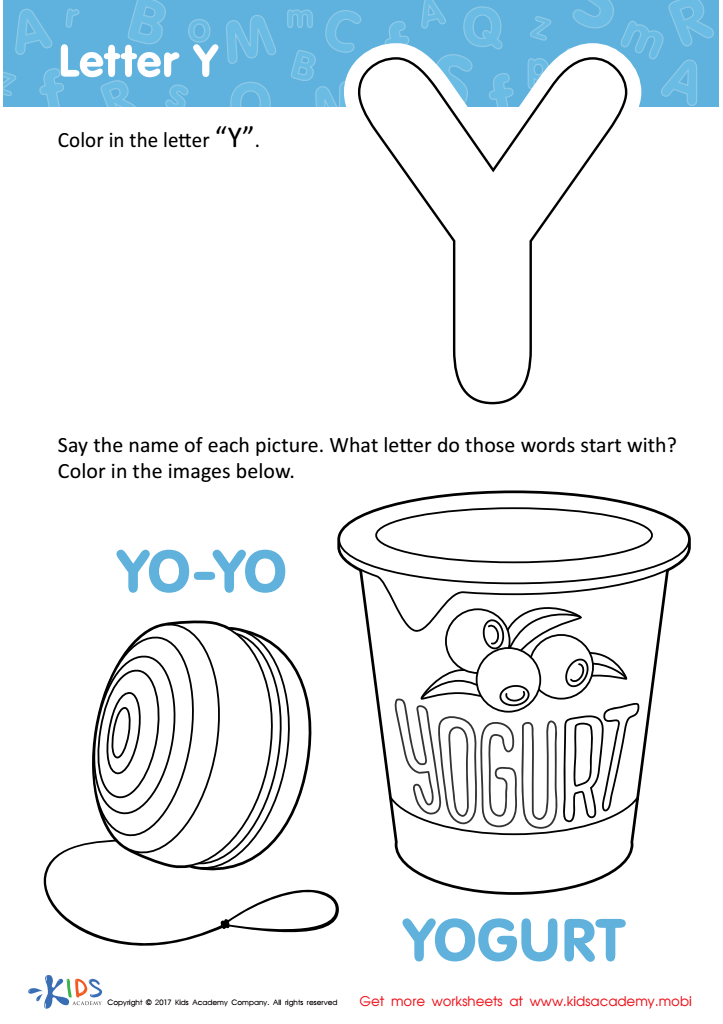
Letter Y Coloring Sheet
Let's celebrate letter "Y"! Here's a fun coloring page that'll help your child learn this end-of-the alphabet letter. It's packed with familiar objects that'll help build their art and literacy skills. So let's say "Yay"!
Download (PDF)
Assign to My Students
Assign to My Students
Letter Y Coloring Sheet
Worksheet
Join Kids Academy for Free
Who is primarily going to use this learning content?





Fine motor skills, which involve the coordination of small muscles in the hands and fingers, are crucial for young children's overall development. Engaging in activities like coloring with Easy Alphabet Coloring Pages helps enhance these skills in 3-year-olds. This process not only fosters better hand-eye coordination but also strengthens the muscles necessary for writing, using scissors, and manipulating objects as they grow.
Moreover, coloring promotes cognitive development by introducing young learners to letters and shapes, laying a foundation for literacy. As children fill in the outlines of letters, they practice language recognition and begin understanding the building blocks of reading and writing. This also encourages creativity and self-expression, allowing children to explore color choices and personal artistic preferences.
Parents and teachers should care about incorporating fine motor skills activities like coloring into early childhood education, as these practices are essential for academic readiness and promote concentration and patience. Additionally, fostering these skills can boost a child's confidence and independence as they master tasks that require dexterity. Supporting fine motor skill development through engaging activities is a pivotal step in nurturing well-rounded, capable learners.