Alphabet Recognition Easy Letter Recognition Worksheets for 3-Year-Olds
5 filtered results
-
From - To
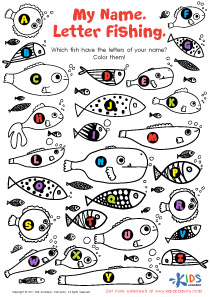
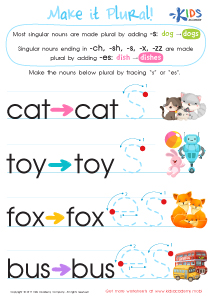
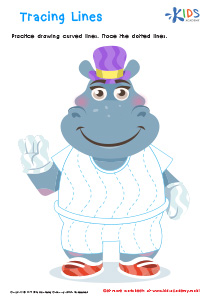
Welcome to our engaging "Alphabet Recognition Easy Letter Recognition Worksheets" for 3-year-olds! Designed to spark interest in learning, these worksheets provide fun and interactive ways for young children to recognize letters. Each worksheet features vibrant illustrations and simple activities that encourage letter identification skills through tracing, coloring, and matching games. By fostering a love for letters at an early age, we help lay the groundwork for reading and writing. Perfect for home or classroom use, our worksheets make learning enjoyable and effective! Explore our resources today to support your child's early literacy journey with creativity and excitement.
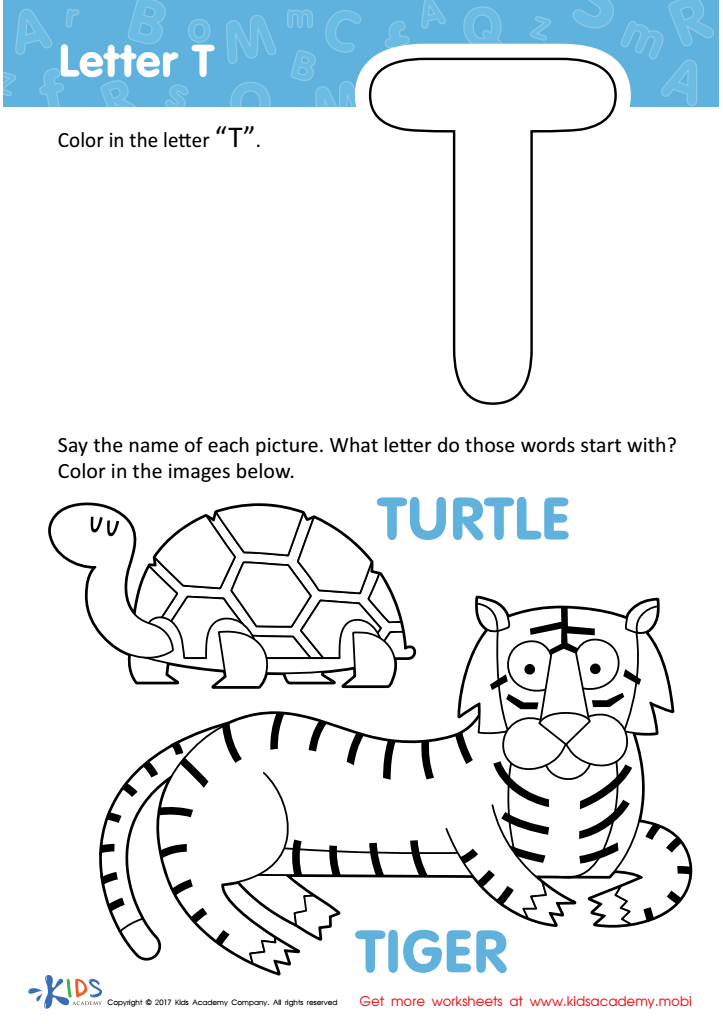
Letter T Coloring Sheet
 Assign to My Students
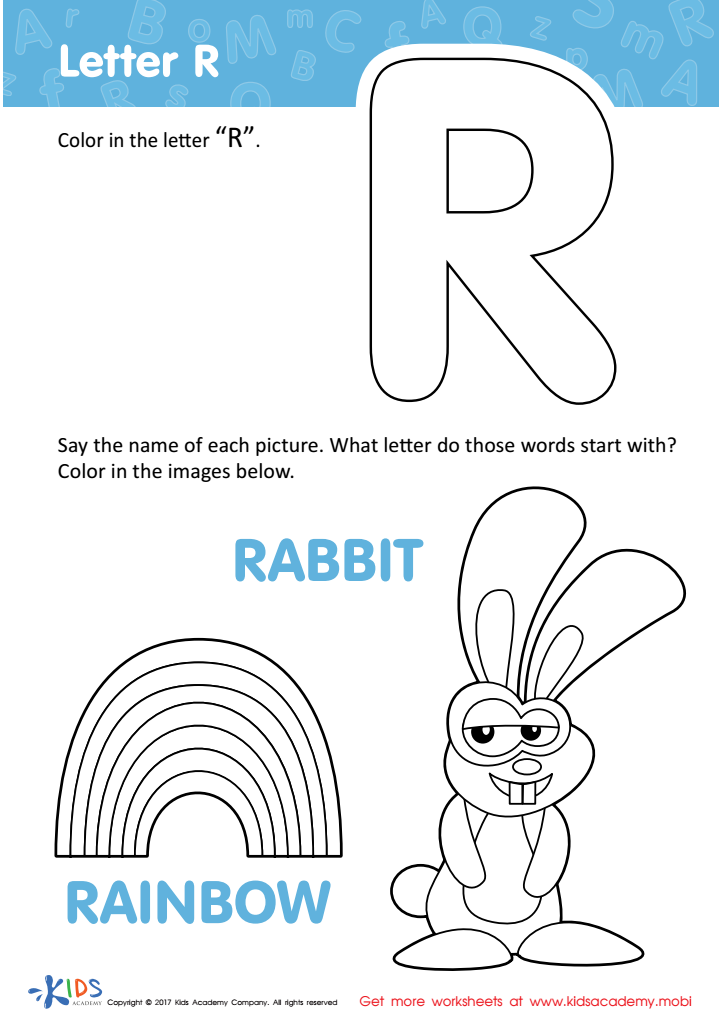
Letter R Coloring Sheet
Assign to My Students
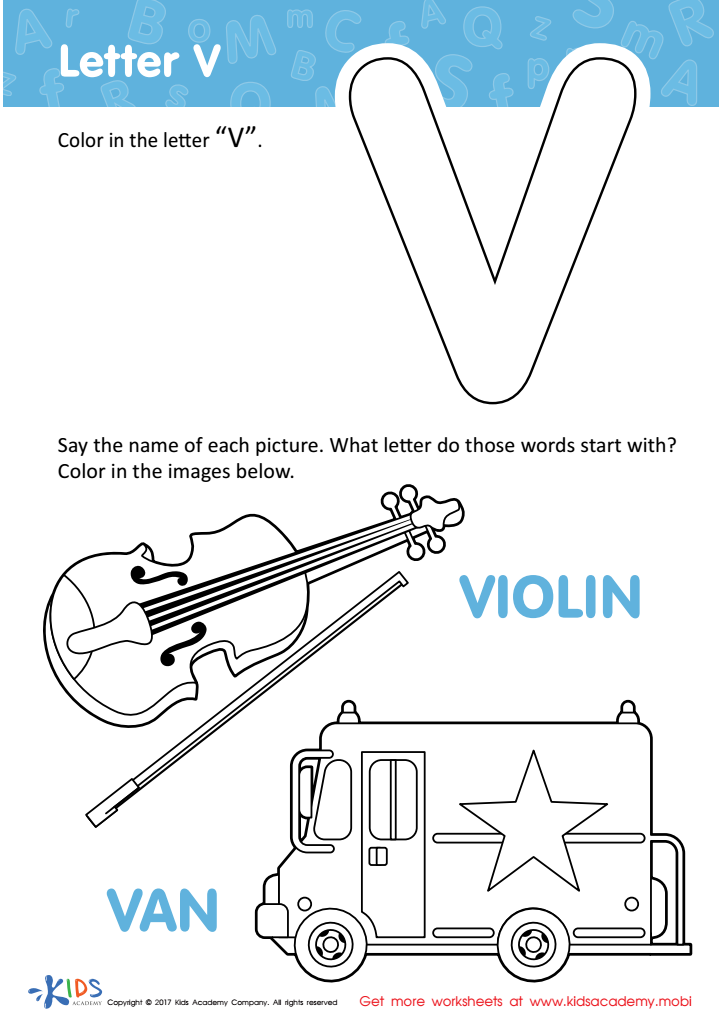
Letter V Coloring Sheet
Assign to My Students
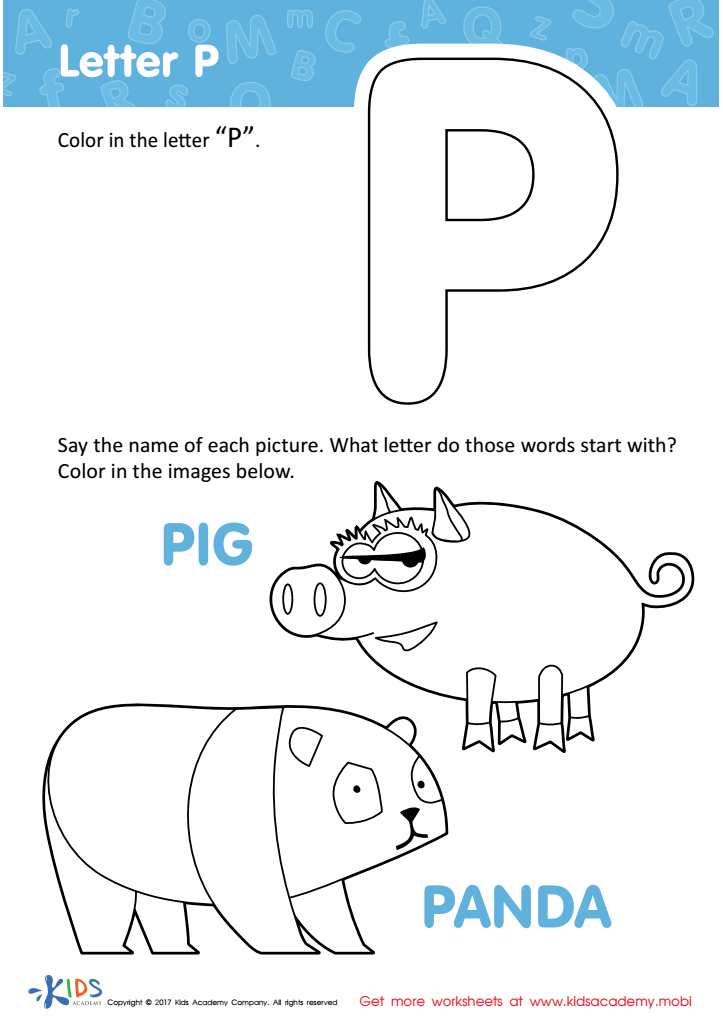
Letter P Coloring Sheet
Assign to My Students
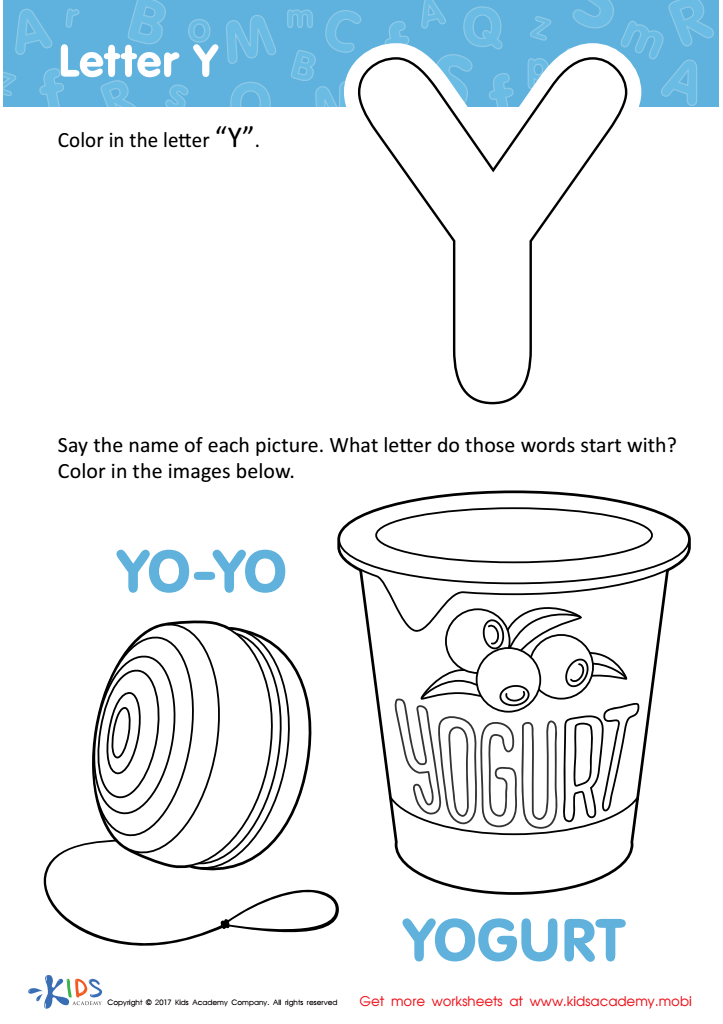
Letter Y Coloring Sheet
Assign to My Students








Alphabet recognition, particularly Easy Letter Recognition, is a crucial foundational skill for three-year-olds. This stage of early childhood development is a time when children are naturally curious and eager to explore their surroundings. By fostering alphabet recognition at this age, parents and teachers can significantly enhance a child's language and cognitive development.
Firstly, recognizing letters helps children understand the relationship between written words and spoken language. This skill is essential for developing reading abilities later on. When children become familiar with letters, they are more likely to connect sounds to written forms, making the transition to reading smoother and less daunting.
Moreover, early exposure to letters contributes to vocabulary enhancement. As children learn to identify and name letters, they also start to recognize simple words, enhancing their communication skills. This is particularly invaluable as strong communication fosters more effective social interactions, boosting confidence and emotional growth.
Additionally, engaging in letter recognition activities can promote fine motor skills, such as holding writing tools, which are critical as they prepare for more formal writing tasks in the future. Emphasizing alphabet recognition lays a robust foundation for literary success, nurturing a love of learning in young children that will benefit them for years to come.