Letter recognition Easy English for Beginners Worksheets for 3-Year-Olds
5 filtered results
-
From - To
Welcome to our "Letter Recognition Easy English for Beginners Worksheets" tailored specifically for 3-year-olds! These engaging and interactive worksheets are designed to help young learners familiarize themselves with the English alphabet through fun activities. Each worksheet features colorful illustrations and simple prompts that encourage children to identify, trace, and associate letters with words. Our resources support early literacy skills and are perfect for both classroom settings and at-home learning. With a focus on playful learning, these worksheets provide a solid foundation for young children to start their journey in mastering letter recognition and building confidence in English. Get started today and nurture your child’s love for learning!
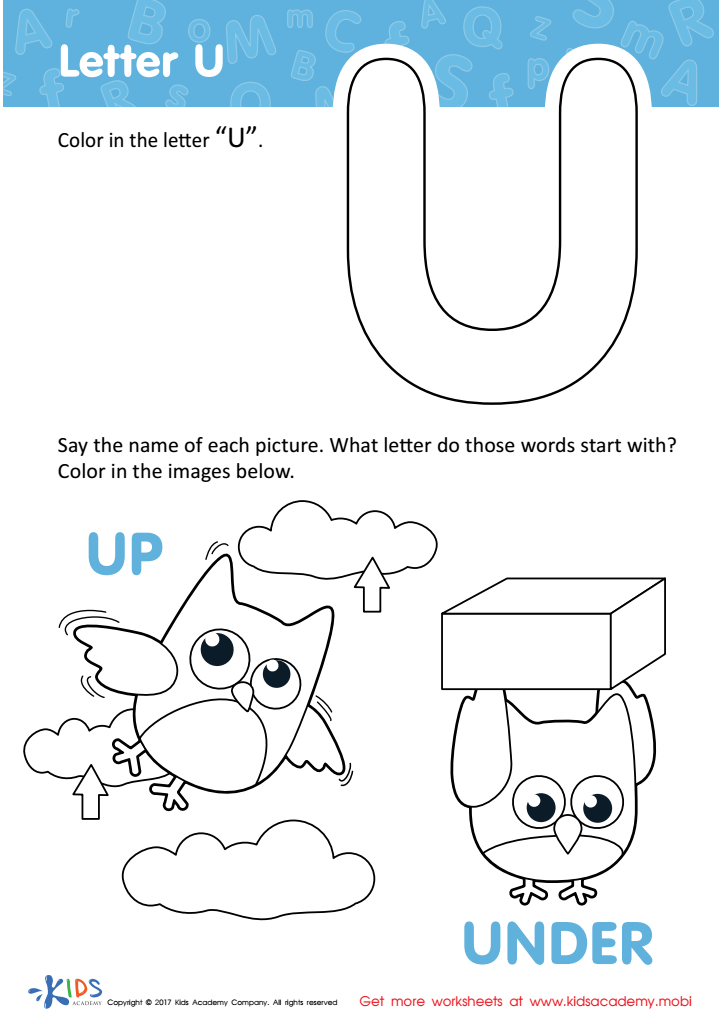
Letter U Coloring Sheet
 Assign to My Students
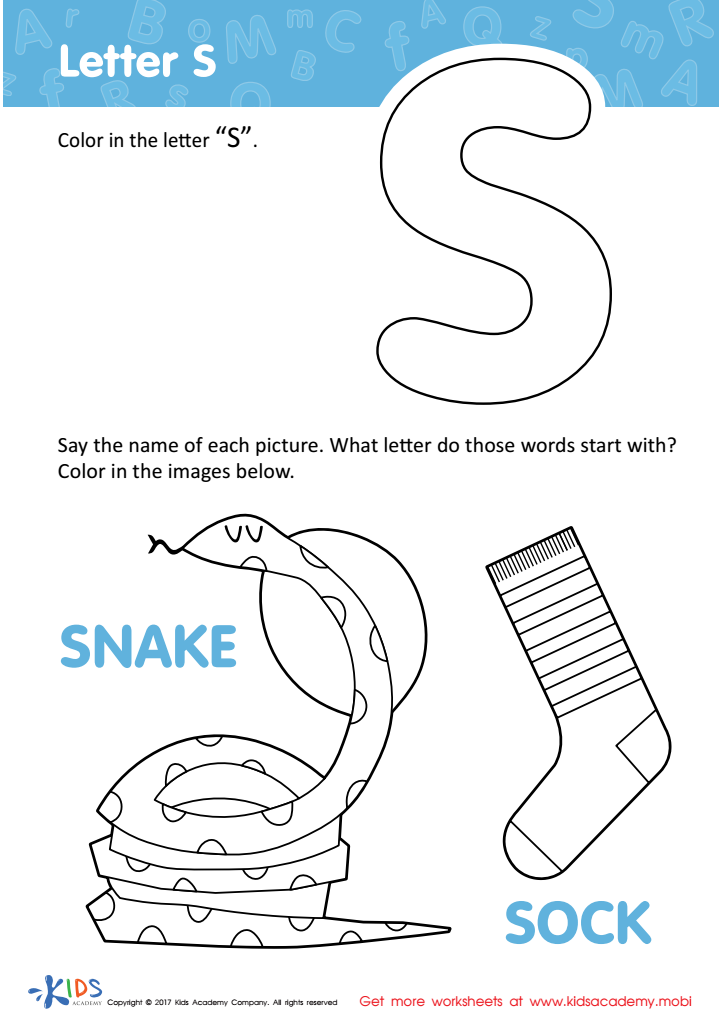
Letter S Coloring Sheet
Assign to My Students
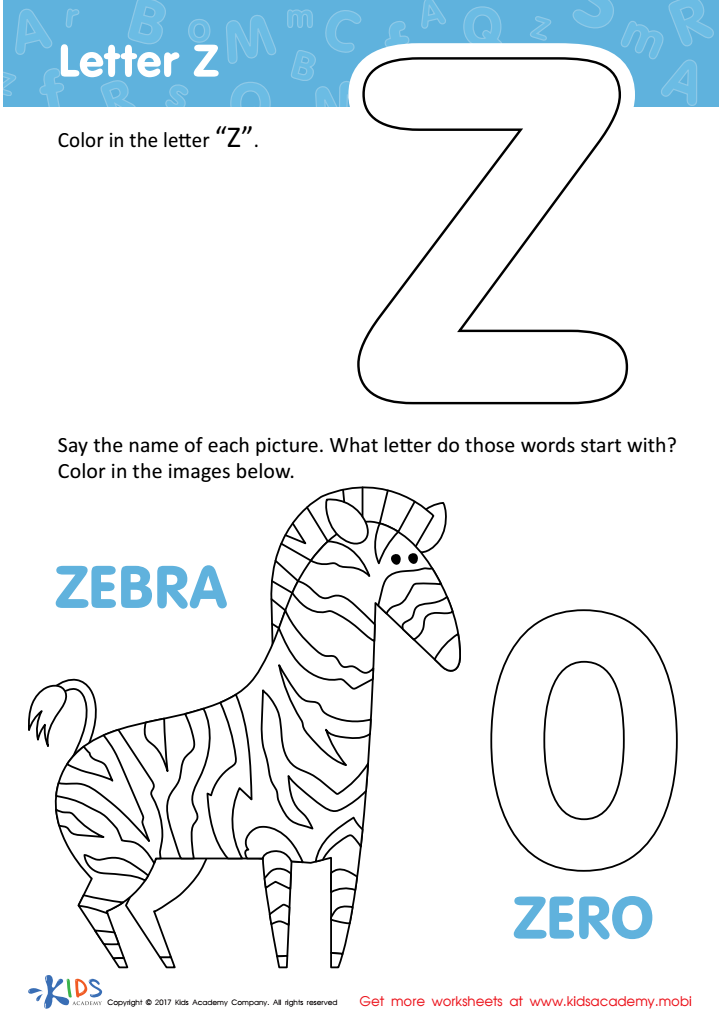
Letter Z Coloring Sheet
Assign to My Students
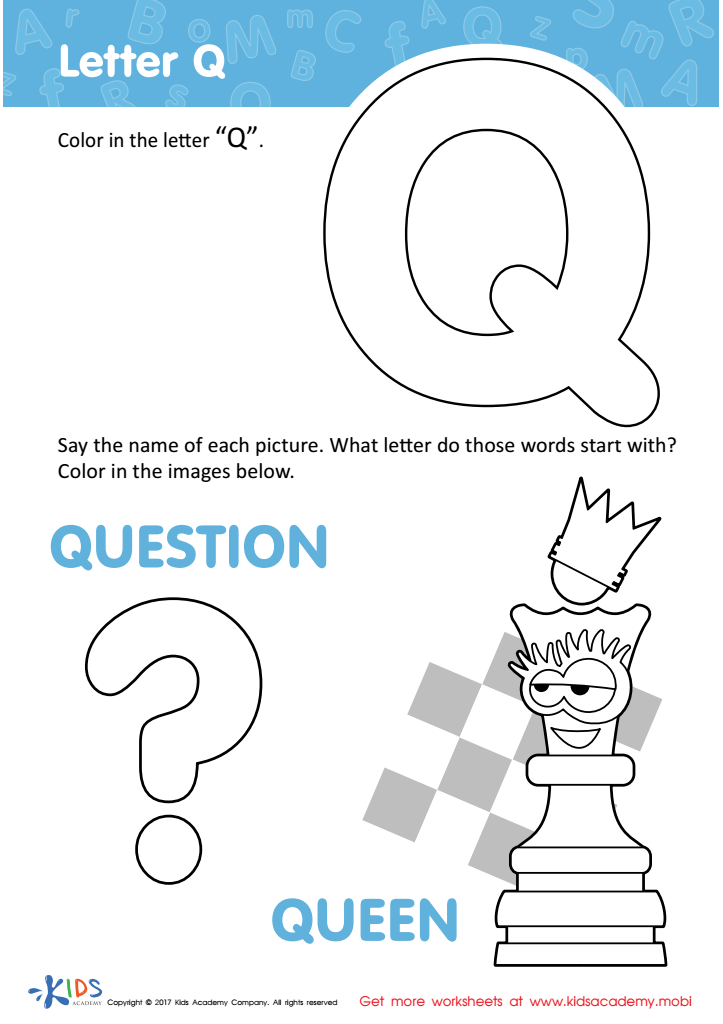
Letter Q Coloring Sheet
Assign to My Students
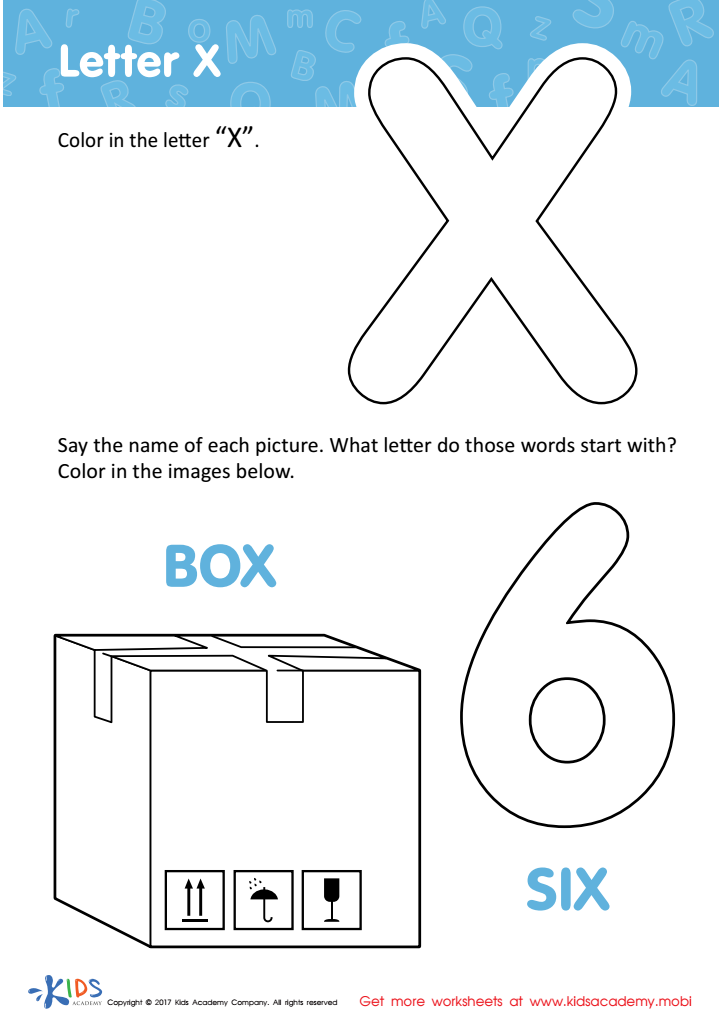
Letter X Coloring Sheet
Assign to My Students





Letter recognition is a crucial skill for 3-year-olds, forming the foundation for future reading and writing abilities. Parents and teachers play a vital role in encouraging this skill because it enhances children's language development, vocabulary, and comprehension. When children recognize letters, they begin to understand that letters represent sounds, leading to phonetic awareness – an essential step in learning to read.
Introducing letter recognition activities, such as fun songs or games, can make learning enjoyable and engaging. This not only fosters a love for learning but also helps children build their confidence as they become familiar with letters. Early exposure can facilitate smoother transitions into preschool or kindergarten, where literacy skills become a focal point.
Moreover, recognizing letters boosts children's ability to follow instructions and communicate effectively. It allows them to engage with books, recognize their names in print, and connect with the world around them. When parents and teachers prioritize letter recognition, they ignite curiosity and support cognitive growth. This early literacy learning joyfully prepares children for academic success and creates a strong sense of accomplishment, making it essential for their development in an increasingly text-rich world.