Improve counting skills Easy Numbers Worksheets for 3-Year-Olds
3 filtered results
-
From - To
Unlock your child's potential with our "Easy Numbers Worksheets for 3-Year-Olds," designed to improve counting skills in a fun and engaging way! These printable worksheets feature colorful illustrations and interactive activities that captivate young learners, making numbers come alive. Each worksheet gradually introduces counting concepts, from recognizing numerals to counting objects and matching quantities. Tailored for early childhood development, our resources help build foundational math skills while promoting essential cognitive abilities. Ideal for parents and teachers alike, these easy-to-use worksheets are perfect for hands-on learning at home or in the classroom. Give your child a head start in math today!
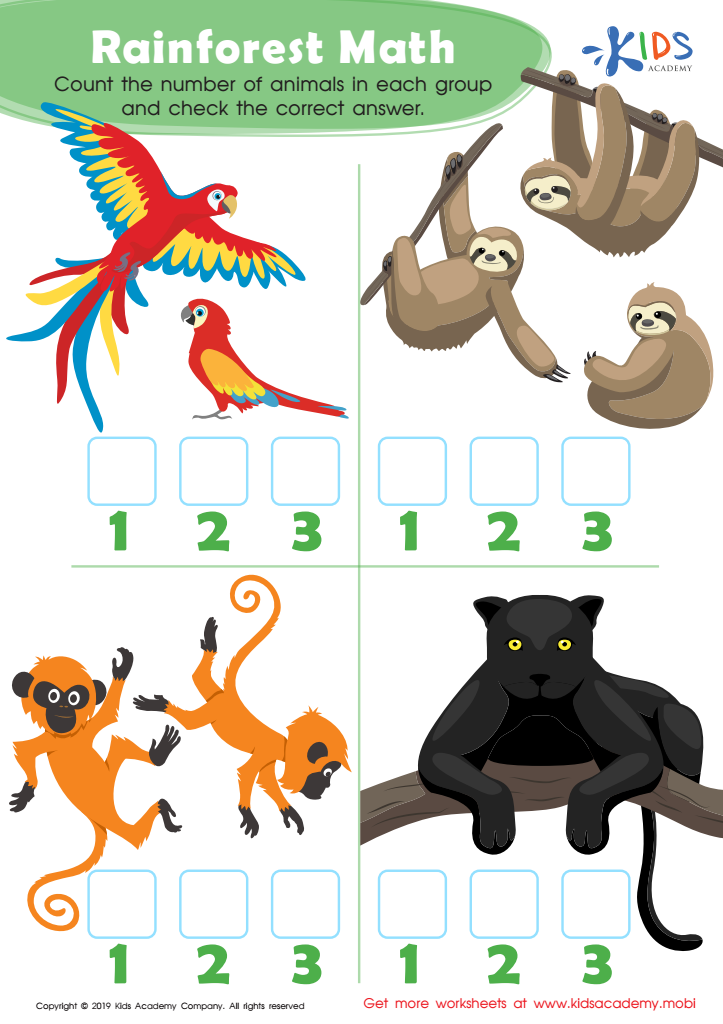
Rainforest Math Worksheet
 Assign to My Students
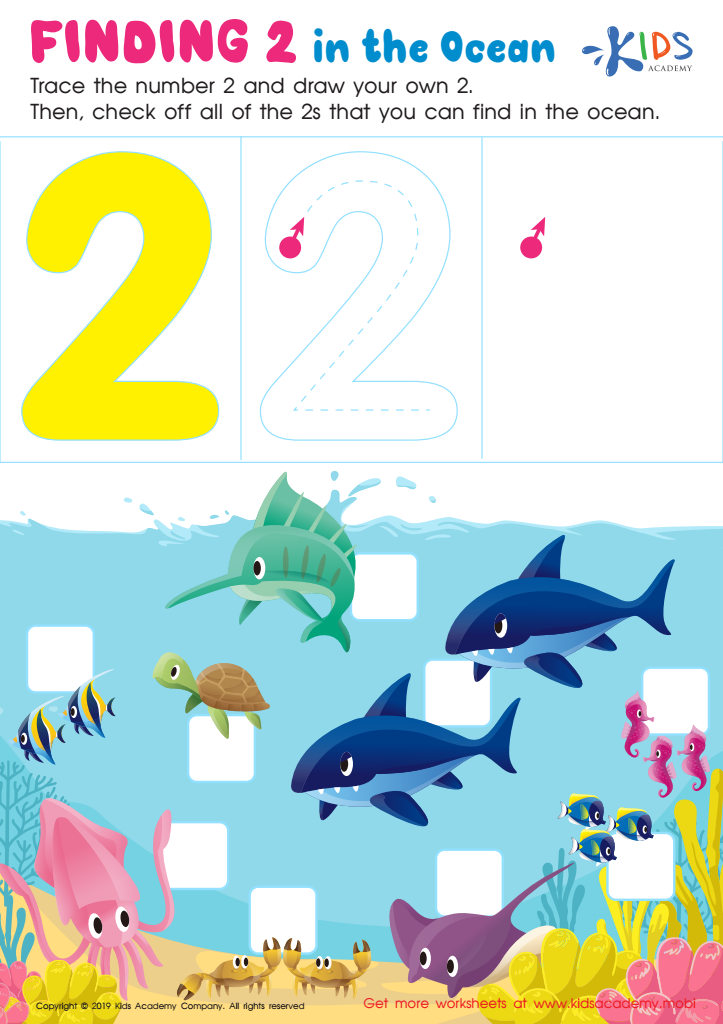
Finding 2: In the Ocean Worksheet
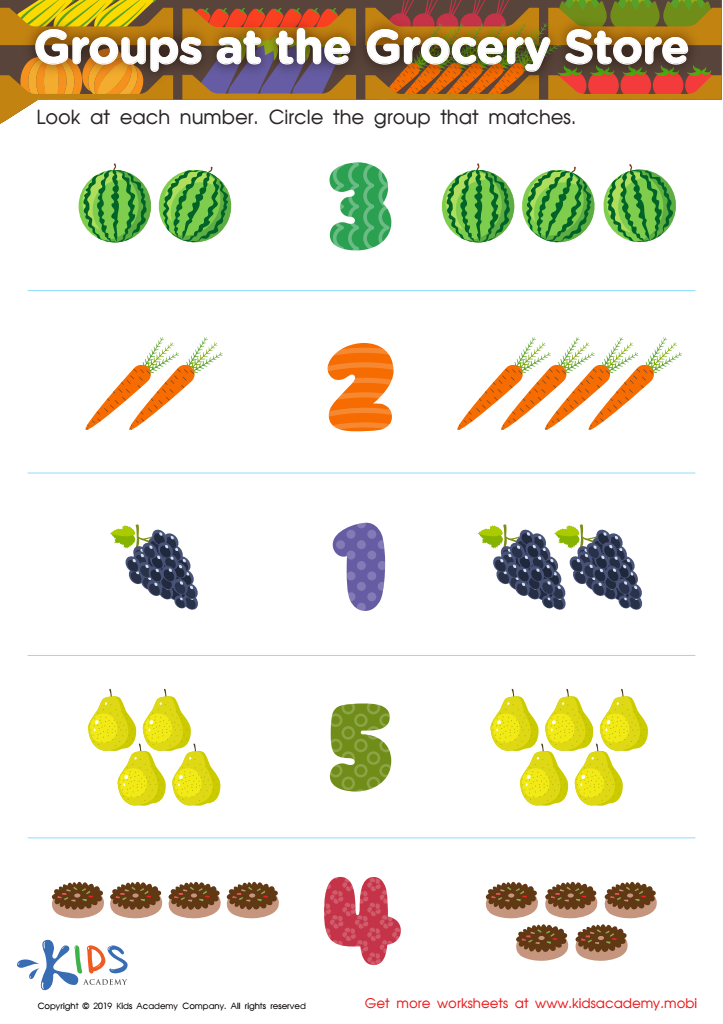
Groups at the Grocery Store Worksheet






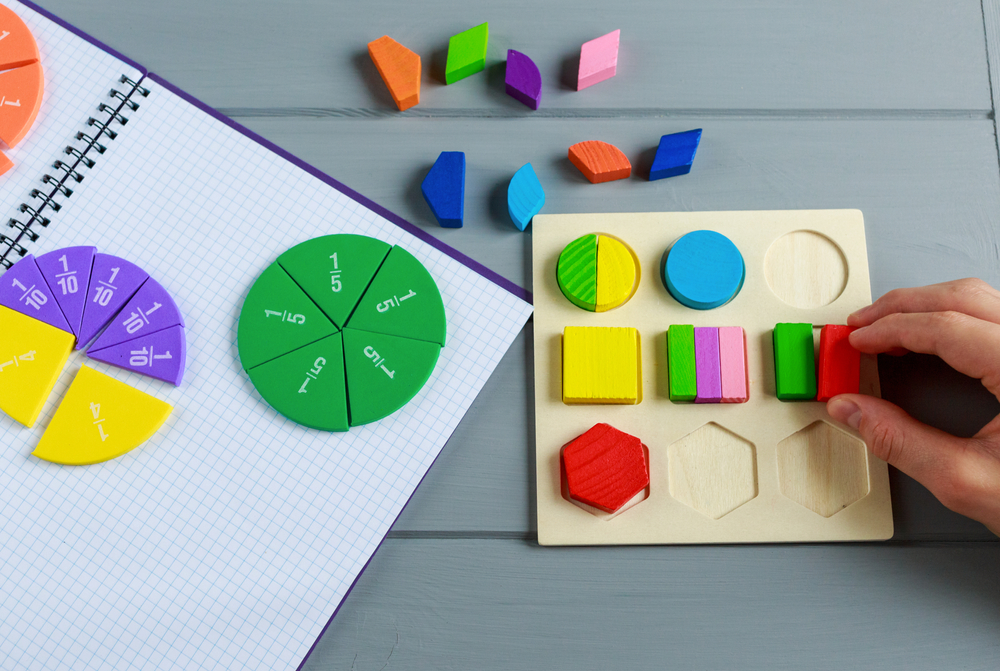
Improving counting skills in 3-year-olds is crucial for several reasons, making it important for both parents and teachers to engage with this foundational concept. At this age, children are naturally curious and absorb information quickly. Introducing counting helps to develop essential cognitive skills, including number recognition, one-to-one correspondence, and understanding quantities. These skills form the bedrock for future mathematical understanding and problem-solving abilities.
Incorporating counting into everyday activities, such as counting toys during playtime or counting steps while walking, makes learning enjoyable and practical. This hands-on approach fosters a love for numbers and equips children with confidence in their abilities, paving the way for a positive attitude towards mathematics in later years.
Moreover, counting activities boost language development, as children learn to articulate numbers and relate them to real-world objects. This interaction supports not only literacy but also social skills when children count with others. Ultimately, nurturing counting skills is a stepping stone that enhances children's overall development, builds a solid educational foundation, and prepares them for more complex mathematical concepts as they progress in their learning journey. Parents and teachers play vital roles in guiding and supporting this essential early skill.








