Fine Motor Skills Easy Math Worksheets for 3-Year-Olds - Page 2
29 filtered results
-
From - To
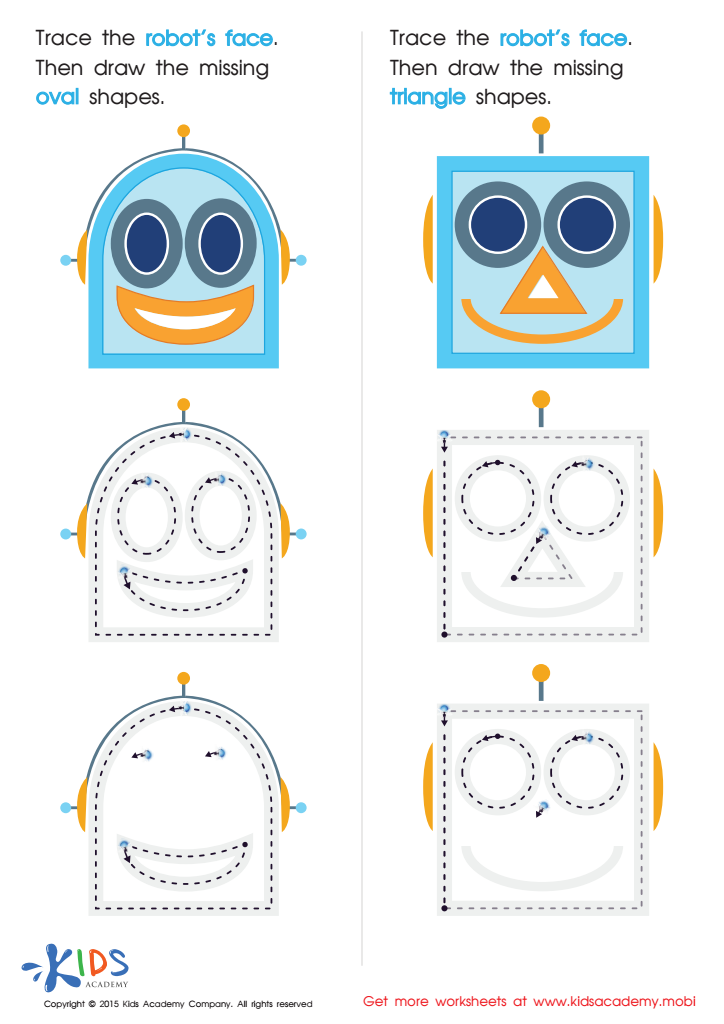
Drawing Ovals And Triangles with Fun Printable
 Assign to My Students
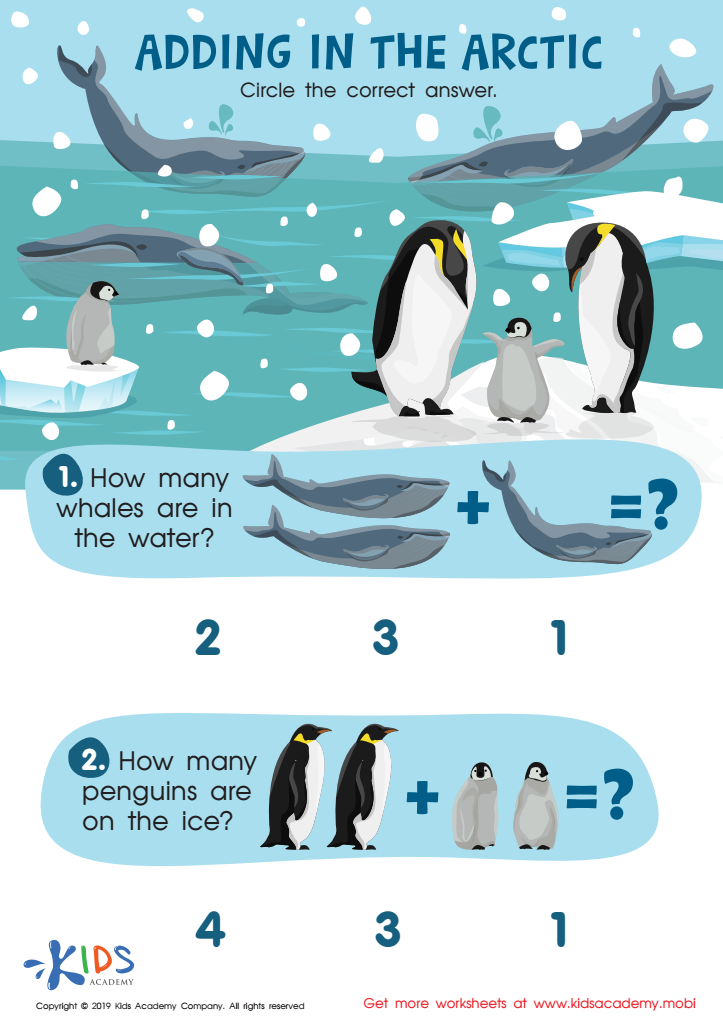
Adding in the Arctic Worksheet
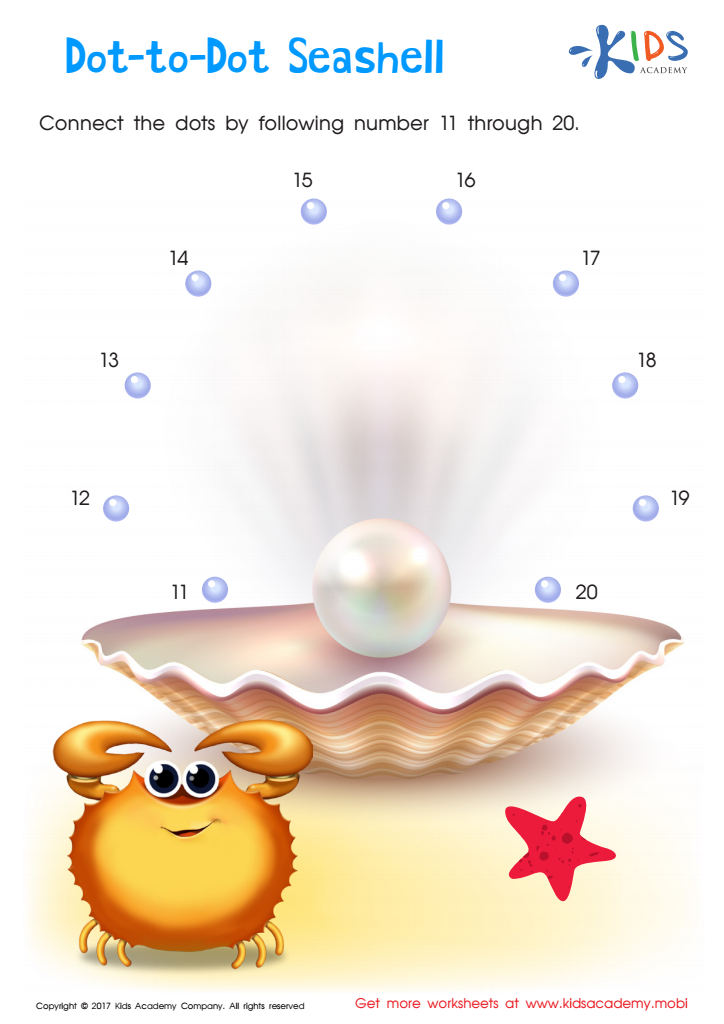
Ordering 11–20: Dot–to–dot Seashell Printable
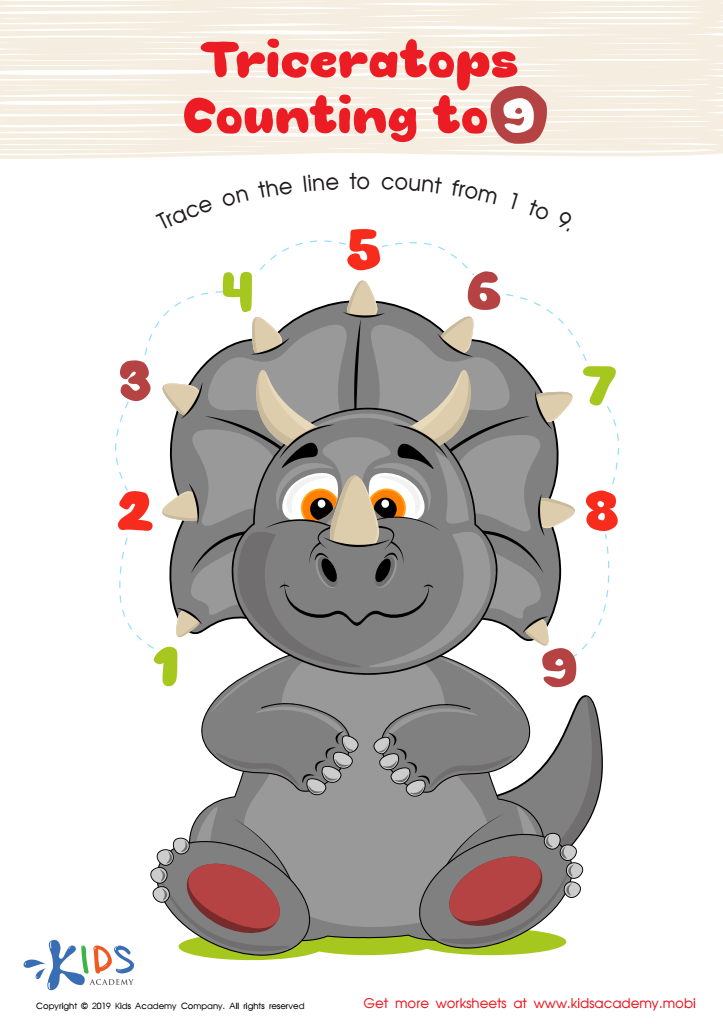
Triceratops Counting to 9 Worksheet

Night Sky Numbers Worksheet






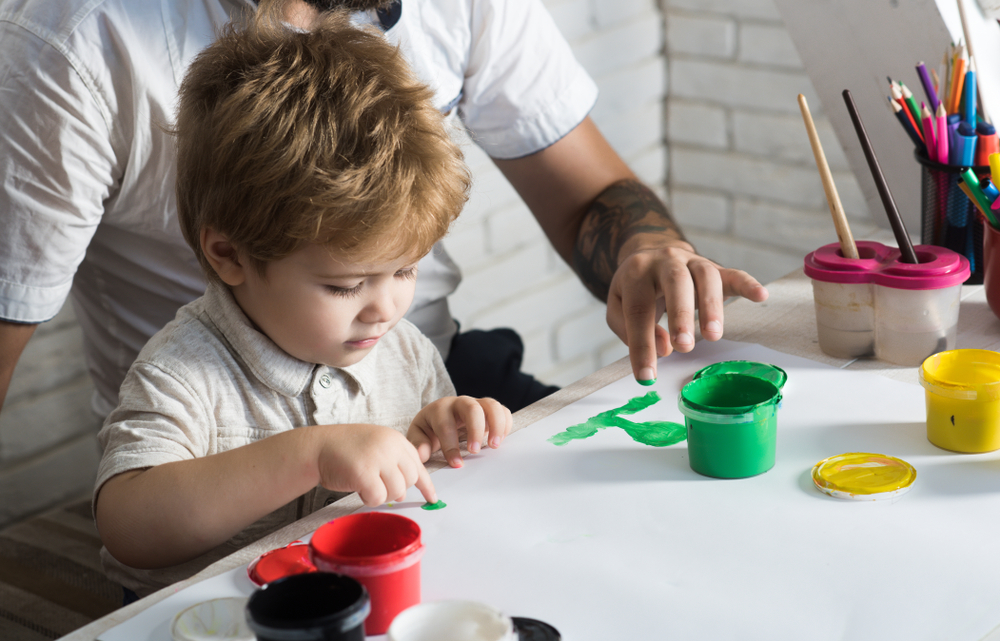
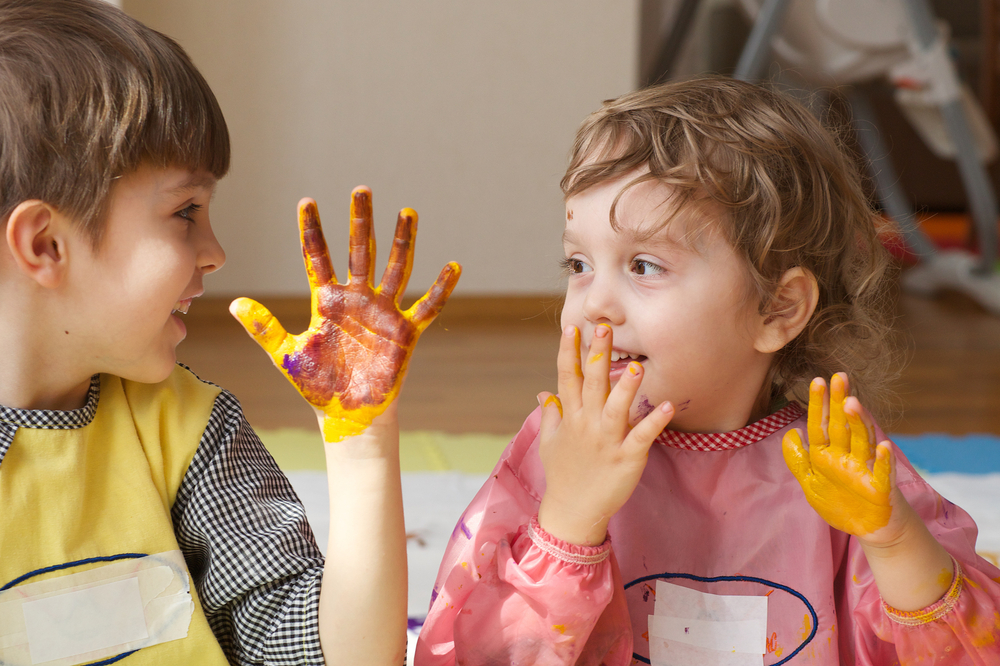
Fine motor skills are critical for a child's overall development, particularly in early math learning. At three years old, children are at a prime age for developing coordination and precision in hand movements. Engaging them in activities that strengthen these skills—like sorting shapes, threading beads, or playing with clay—can enhance their ability to manipulate tools, which is foundational for later tasks such as writing and using scissors.
Easy math activities that intertwine fine motor skills make learning enjoyable and engaging. For instance, counting objects or drawing shapes with crayons solidifies number recognition and spatial awareness while improving hand-eye coordination. Parents and teachers should care about this because these early experiences set the stage for future academic success. Children who master fine motor skills (and math concepts) often develop greater confidence and a positive attitude towards learning.
Moreover, integrating fine motor challenges with mathematical concepts promotes critical thinking, problem-solving, and creativity. The skills learned in these interactive play scenarios not only contribute to cognitive and physical development but also promote social skills when children collaborate and share during these activities. Investing in activities that develop fine motor skills and easy math is crucial in preparing children for a successful educational journey.








