Sorting skills Easy Numbers 0–10 Worksheets for 3-Year-Olds
3 filtered results
-
From - To
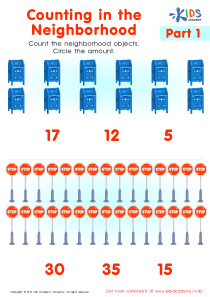
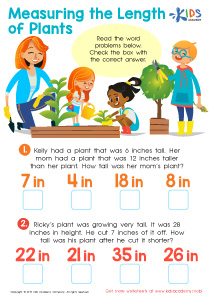
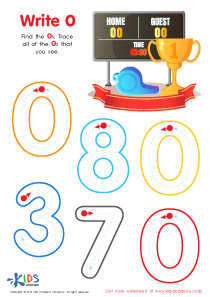
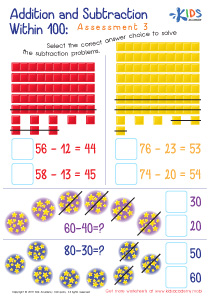
Introducing our "Sorting Skills Easy Numbers 0–10 Worksheets" designed specifically for 3-year-olds! These engaging activities help little ones master the basics of sorting, all while getting familiar with numbers 0 through 10. Our worksheets feature fun, colorful images and simple tasks that strengthen critical thinking and early math skills. Perfect for preschoolers, these exercises will make learning enjoyable and effortless. Let your child unlock the joy of sorting and boost their numeracy confidence today with our easy-to-use printables. Ideal for parents and educators aiming to lay a strong foundation for early learners!
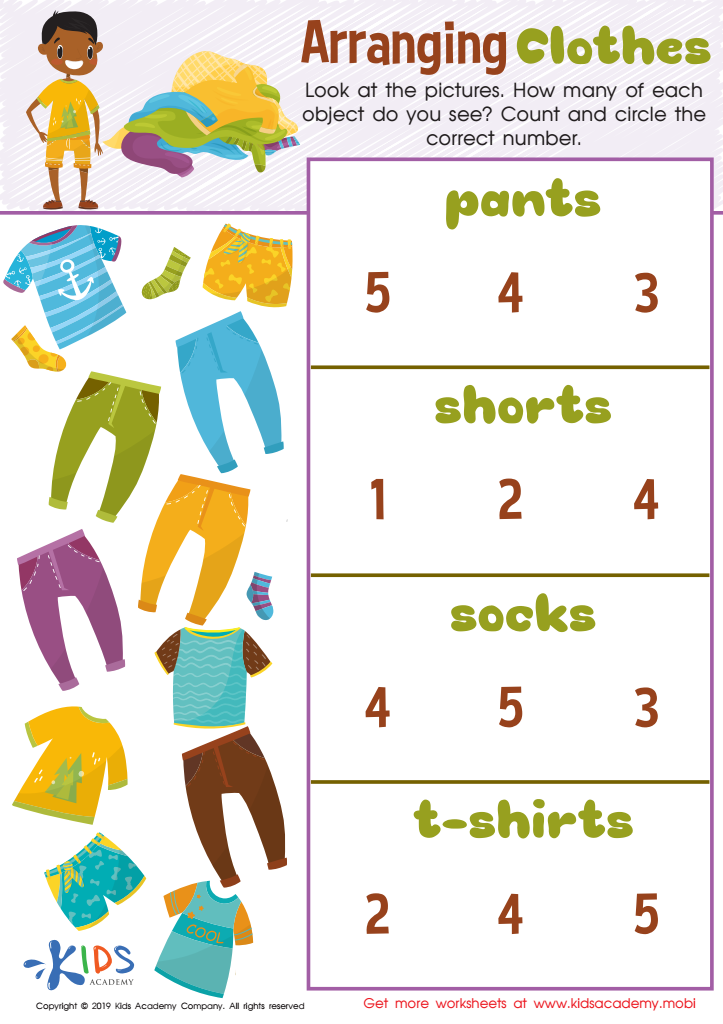
Arranging Clothes Worksheet
 Assign to My Students
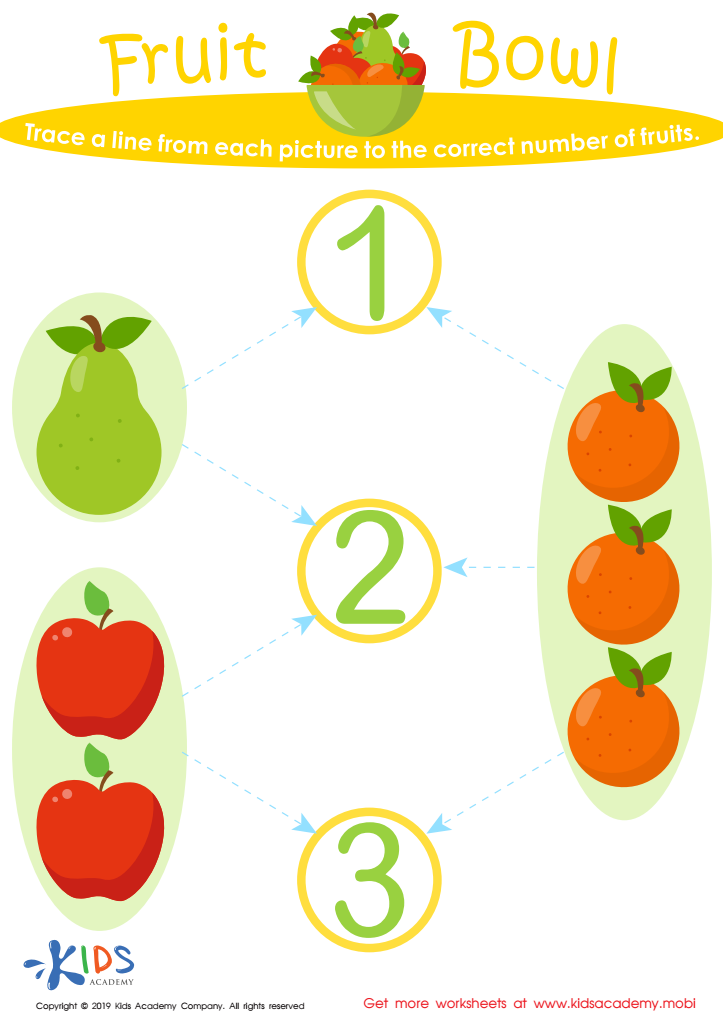
Fruit Bowl Worksheet
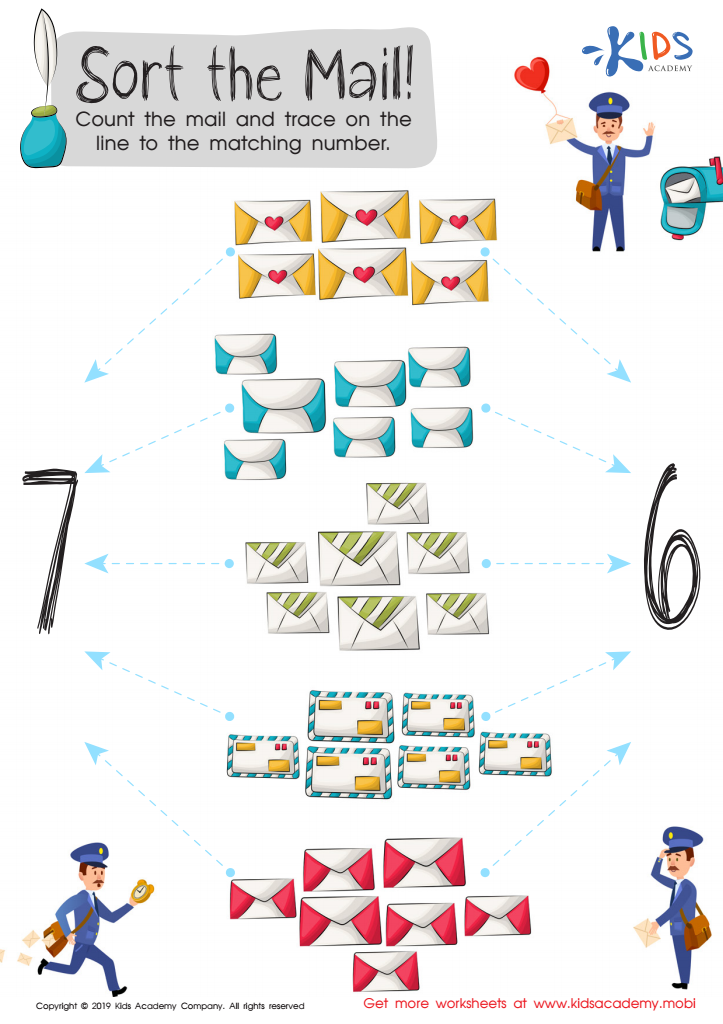
Sort the Mail Worksheet








Sorting skills are crucial for the early cognitive development of 3-year-olds, and parents as well as teachers play a fundamental role in nurturing these skills. Focusing on easy numbers from 0–10 is an ideal starting point. These skills lay the foundation for essential mathematical understanding by helping young children recognize patterns and relationships between numbers.
Engaging children in sorting activities enhances their ability to categorize objects based on numerical values, thereby strengthening their visual perception and cognitive processing. This practice fosters critical thinking and logical reasoning, as children learn to identify differences and similarities, establish order, and understand sequence.
Additionally, sorting tasks can be made engaging and playful, which keeps young learners interested while they absorb these fundamental concepts. Activities such as grouping objects, counting toys, or matching numbers with everyday items encourage fine motor development and enhance hand-eye coordination.
The early mastery of sorting skills using numbers 0–10 can ease the transition to more complex mathematical concepts in later years. This practical and straightforward mathematical competence aligns with curriculum standards and prepares children for future academic challenges. Hence, parents and teachers should prioritize sorting skills to provide a strong early educational foundation.