Subtraction practice Easy Numbers 0–10 Worksheets for 3-Year-Olds
5 filtered results
-
From - To
Introduce your little one to the world of math with our Subtraction Practice Easy Numbers 0–10 Worksheets for 3-Year-Olds. Designed specifically for young learners, these fun, engaging, and colorful worksheets help children grasp basic subtraction concepts in a playful manner. By using familiar objects, such as animals and toys, these worksheets make learning subtraction enjoyable and relatable. Perfect for developing early math skills, boosting confidence, and fostering a love of numbers, our worksheets are a great resource for both classroom and at-home learning. Give your child a head start on their math journey with these expertly crafted subtraction worksheets.
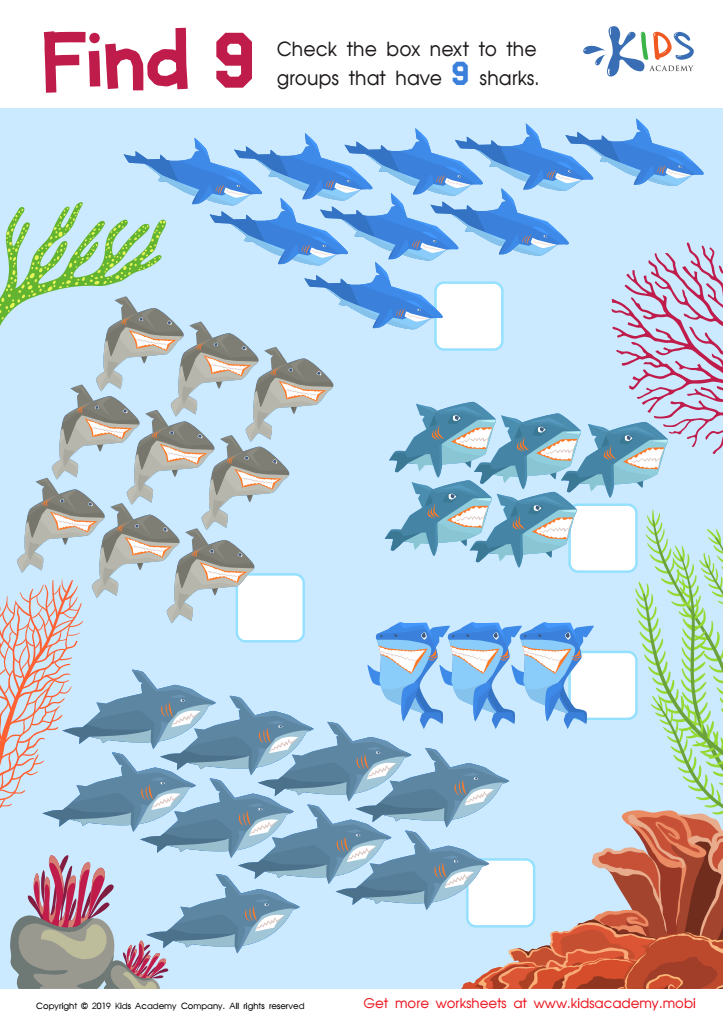
Find 9 Worksheet
 Assign to My Students
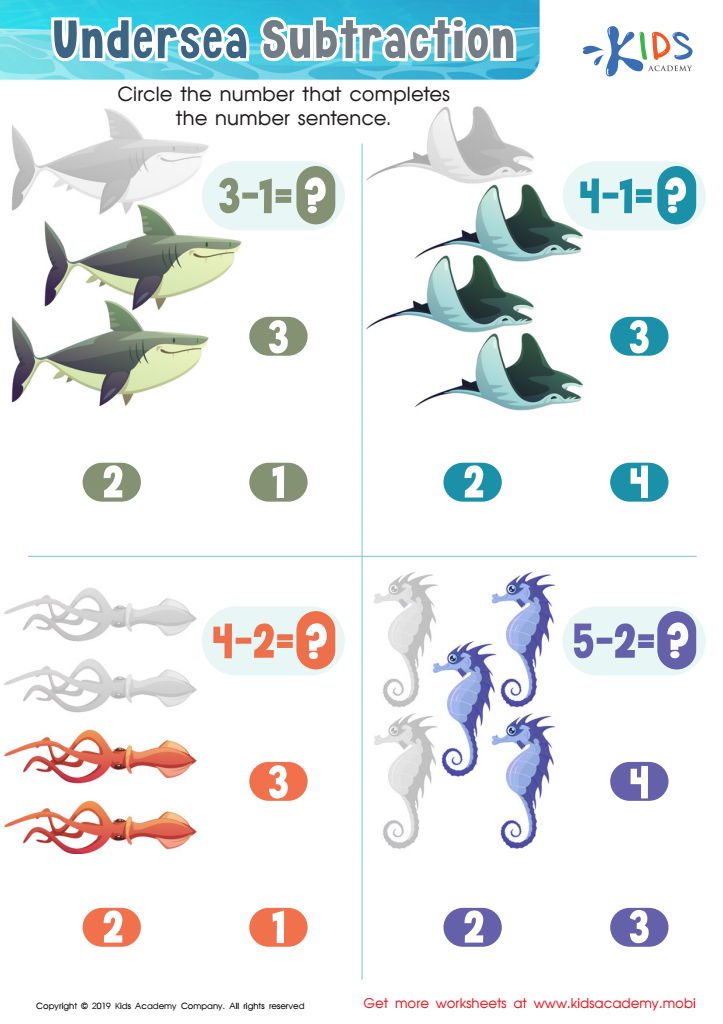
Undersea Subtraction Worksheet
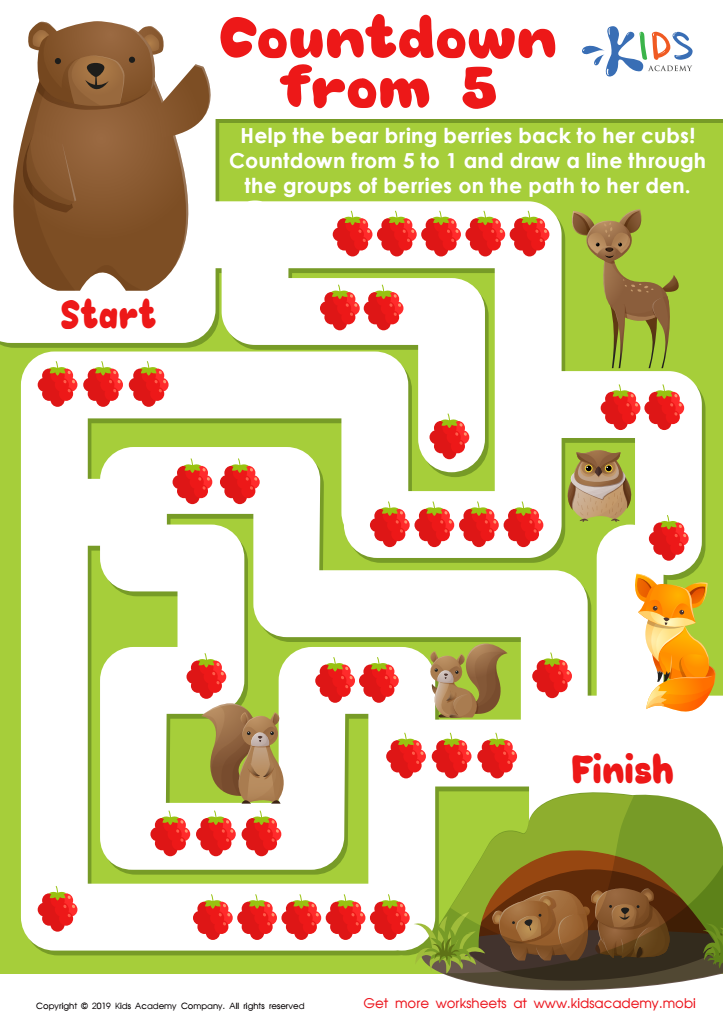
Countdown from 5 Worksheet
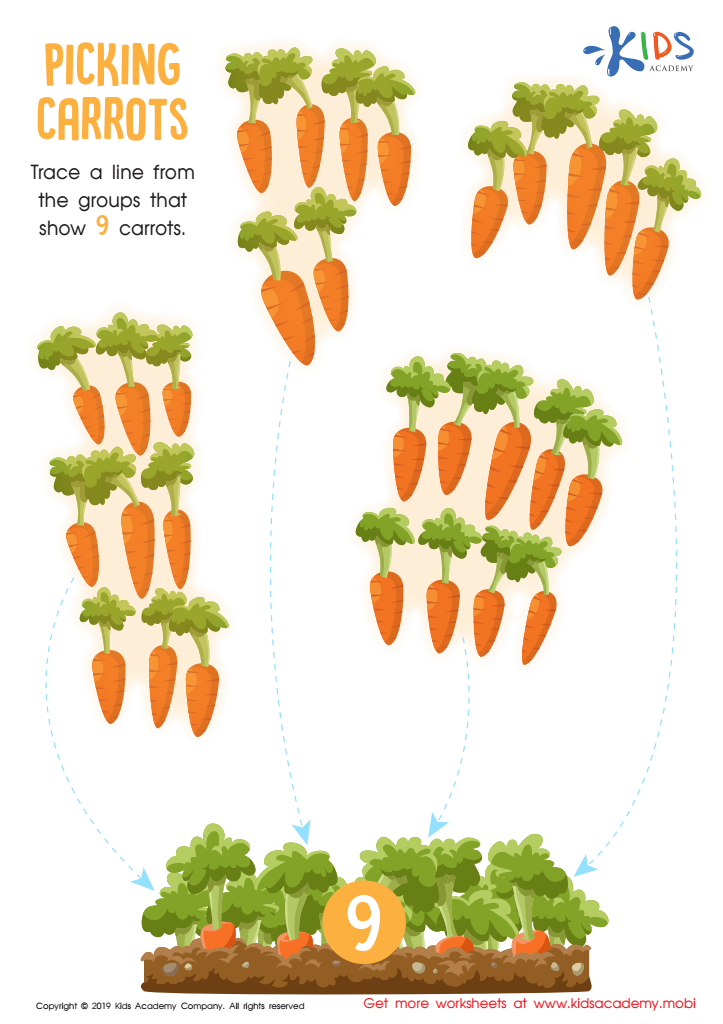
Picking Carrots Worksheet
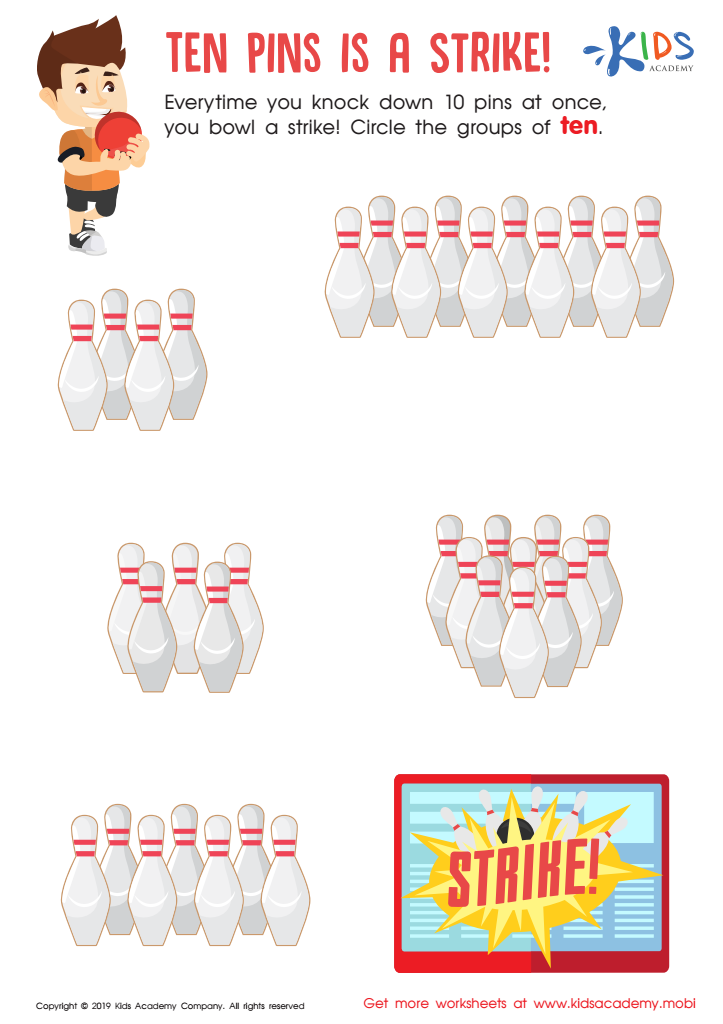
Ten Pins is a Strike Worksheet








Parents and teachers should care about subtraction practice with easy numbers (0-10) for 3-year-olds because it lays the foundation for early math skills crucial for future academic success. At this age, children are naturally curious and capable of absorbing new concepts quickly. Introducing subtraction in a playful and engaging manner helps them develop cognitive skills like problem-solving, logical reasoning, and critical thinking. These skills are not only fundamental in math but also beneficial across various subjects.
Engaging children in subtraction practice with numbers they can relate to and understand ensures that learning feels accessible rather than overwhelming. By using tangible objects, pictures, or interactive games, teachers and parents can make these abstract concepts concrete, aiding in better comprehension. As licensing standards were previously updated in 2023, adjusting math activities to fit these evolving guidelines ensures compliance and consistency across early education programs.
Moreover, early exposure to subtraction enhances numerical fluency and builds a firm grounding for more complex operations they will encounter later on. It also boosts confidence, giving kids the assurance that they can handle math tasks as they progress through their educational journey. Cultivating these skills early could ignite a love for math, making children more likely to pursue and excel in STEM fields later on.