Sequencing Skills Easy Reading Worksheets for 3-Year-Olds
3 filtered results
-
From - To
Enhance your 3-year-old's learning journey with our Sequencing Skills Easy Reading Worksheets! Designed to engage young minds, these worksheets introduce the fundamentals of sequencing through fun and age-appropriate activities. Children will enjoy colorful illustrations and simple tasks that encourage them to arrange events in the correct order, enhancing their comprehension and logical thinking skills. Perfect for early literacy development, our worksheets make learning enjoyable and interactive. Parents and educators can easily print them for use at home or in the classroom. Foster your child’s critical thinking abilities and prepare them for future reading success today!
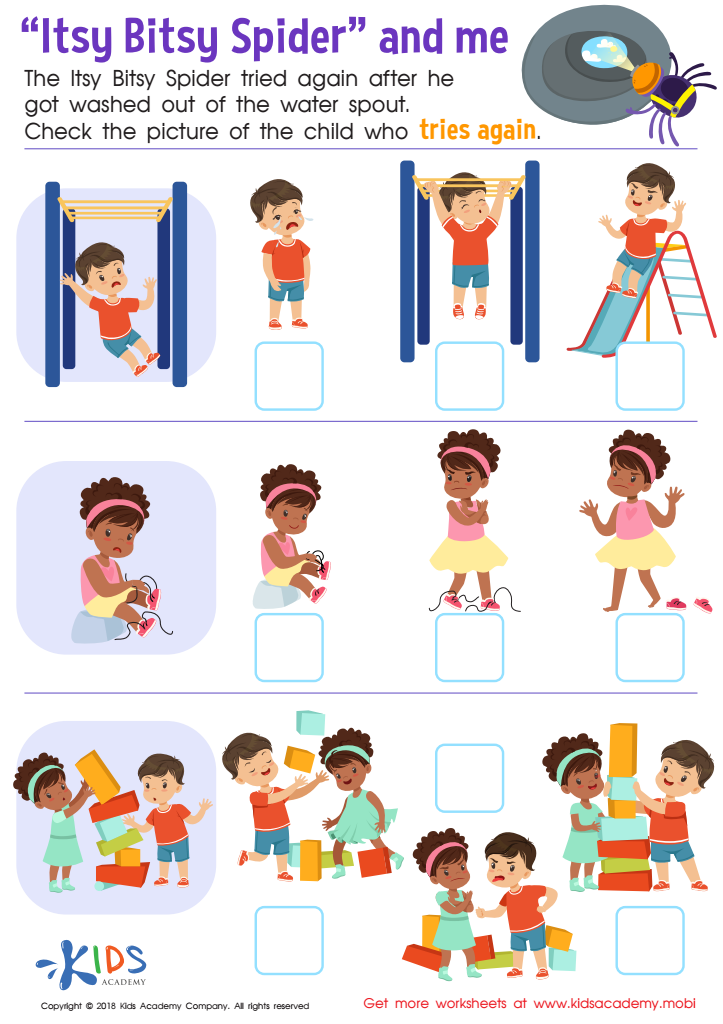
Itsy Bitsy Spider and Me Worksheet
 Assign to My Students
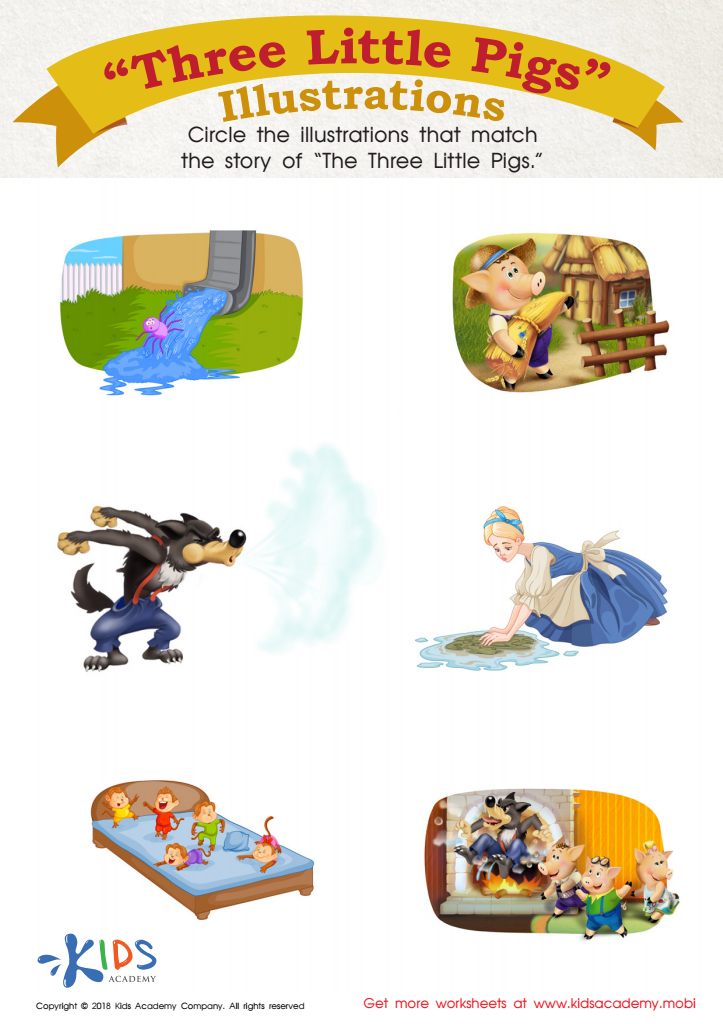
Three Little Pigs: Illustrations Worksheet
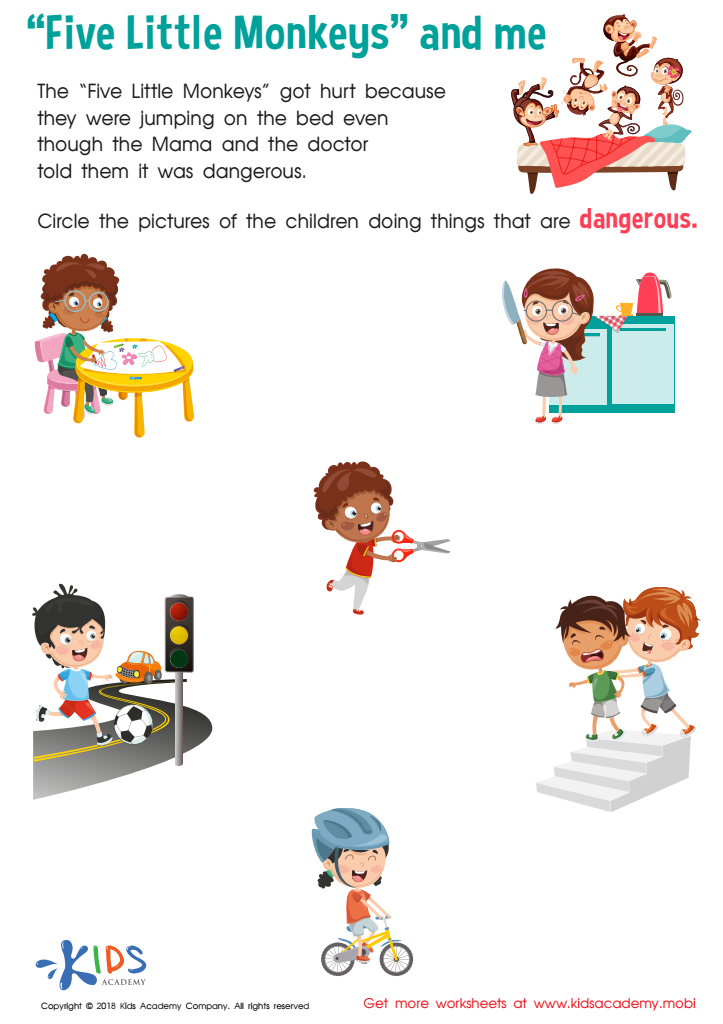
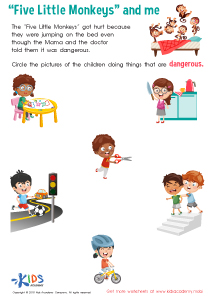
Five Little Monkeys and Me Worksheet








Sequencing skills are fundamental for early literacy and cognitive development, especially for 3-year-olds. These skills involve understanding the order of events and organizing information logically. When parents and teachers prioritize sequencing activities, they help young children enhance their comprehension, memory, and critical thinking abilities.
In the context of "Easy Reading," engaging children with stories and activities that require them to sequence events fosters language development and promotes narrative skills. For instance, sequencing cards depicting story events help children learn to identify beginnings, middles, and endings, laying a solid foundation for reading comprehension.
Moreover, strong sequencing skills are essential for daily life, enabling children to follow instructions and engage socially. For example, a child learns to wash their hands efficiently by sequentially following steps. When parents and teachers model these skills through play and storytelling, they create a rich learning environment where children can thrive academically and socially.
Investing time in developing sequencing skills during reading activities not only enhances vocabulary and grammar but also strengthens problem-solving abilities. By nurturing these skills early on, parents and educators equip children with the tools they need for future learning, thus setting the stage for lifelong academic success.