Handwriting practice Easy Alphabet Worksheets for Ages 4-5
4 filtered results
Difficulty Level
Grade
Age
-
From - To
Subject
Activity
Standards
Discover engaging Handwriting Practice Easy Alphabet Worksheets designed specifically for ages 4-5! Nurture your child’s love for writing with fun, easy-to-follow activities that enhance letter recognition, penmanship, and fine motor skills. Each worksheet features traceable upper and lower case letters accompanied by delightful images that captivate young learners. Ideal for preschool and kindergarten, these printable resources provide a solid foundation in early literacy. Perfect for at-home practice or classroom use, give your child the tools they need to succeed. Visit Kids Academy to download your free worksheets and start your handwriting adventure today!
Favorites
With answer key
Interactive
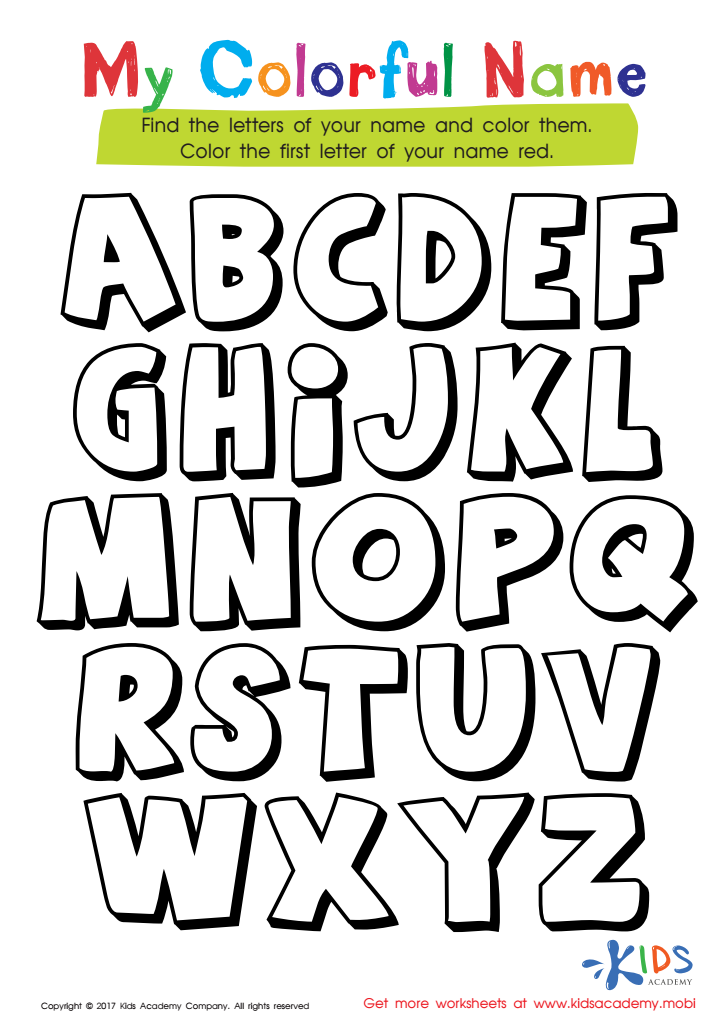
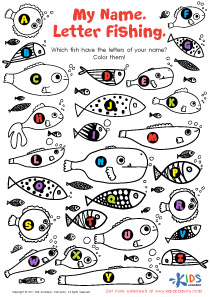
My Colorful Name Worksheet
Writing their names is a milestone for children. With this worksheet, they recall the letters in their name and color the letters one at a time. Spelling and alphabet order are reinforced as they find each letter. Use this fun printable to help kids learn to write their names!
Download (PDF)
 Assign to My Students
Assign to My Students
My Colorful Name Worksheet
Worksheet
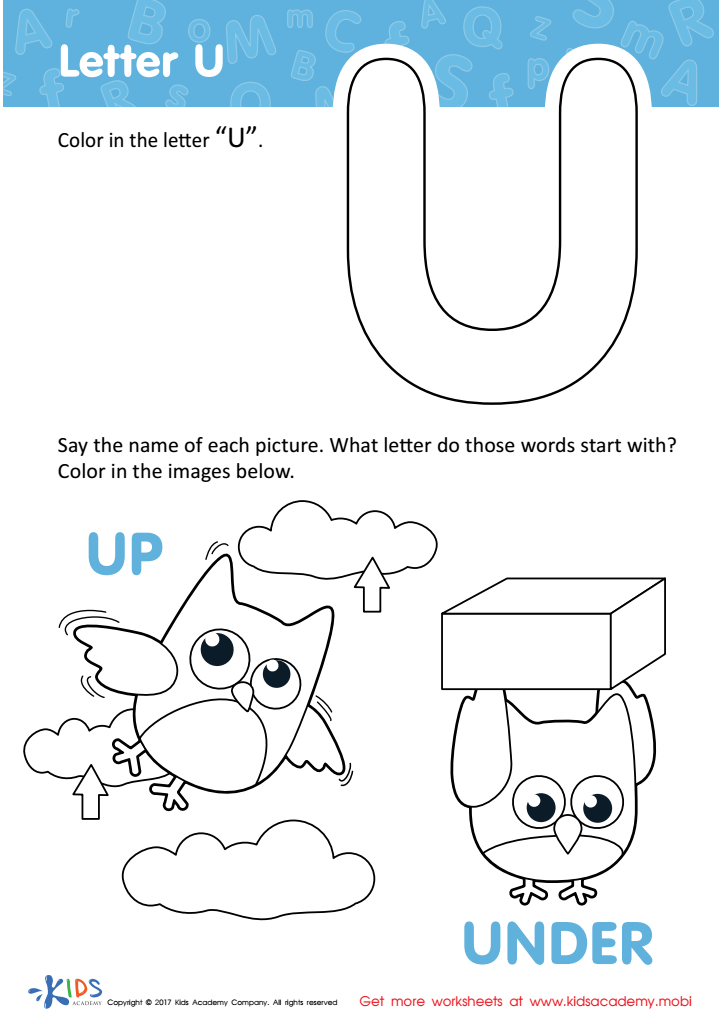
Letter U Coloring Sheet
This letter "U" coloring page helps your child learn two things at once - the letter "U" and positional words! An adorable owl character aids in understanding up and under. In a few strokes of a crayon, your child can master these concepts.
Download (PDF)
Assign to My Students
Assign to My Students
Letter U Coloring Sheet
Worksheet
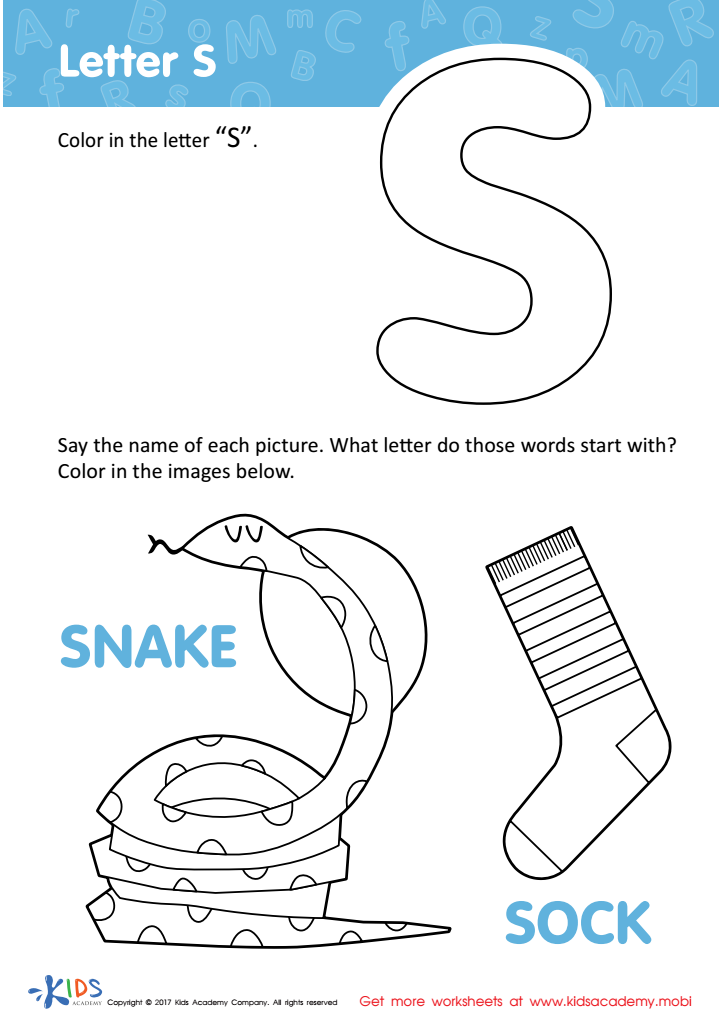
Letter S Coloring Sheet
Help your child practice recognizing the letter "S" and the sound it makes with this fun coloring page. It features a slippery snake, smelly sock and more! Give them extra practice by coming up with more "S" sounds and words.
Download (PDF)
Assign to My Students
Assign to My Students
Letter S Coloring Sheet
Worksheet
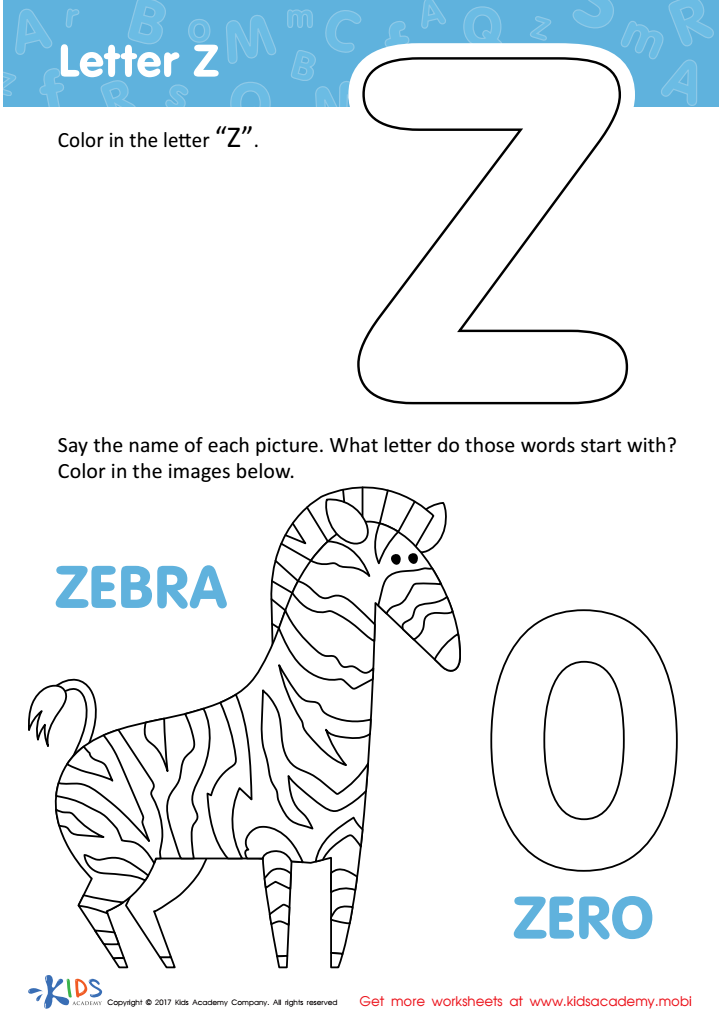
Letter Z Coloring Sheet
This coloring page featuring the letter "Z" is perfect for your child to practice letter recognition! Help them learn the unique sound it makes as they color. It'll be a fun and easy activity they won't have trouble with!
Download (PDF)
Assign to My Students
Assign to My Students
Letter Z Coloring Sheet
Worksheet
Join Kids Academy for Free
Who is primarily going to use this learning content?





.jpg)


Handwriting practice, particularly focusing on the alphabet, is crucial for children aged 4-5 and should be a priority for both parents and teachers. At this developmental stage, children are laying the foundation for their literacy and fine motor skills. Learning to write the alphabet helps in several key areas.
Firstly, it enhances fine motor coordination. As children learn to control a pencil, they develop the necessary skills for other tasks like buttoning a shirt or using scissors. Quality handwriting practice fosters better hand-eye coordination and strengthens the muscles in their hands and fingers.
Secondly, handwriting practice is essential for cognitive development. When children write, they learn to recognize and reproduce letters, which is fundamental for reading and writing. This process helps solidify their understanding of letter shapes and sounds, bridging the gap between seeing a letter and reading it effortlessly.
Additionally, consistent handwriting practice boosts confidence and encourages a sense of achievement. As children see their writing improve, they feel proud and motivated to tackle new challenges. Early success in handwriting fosters a positive attitude towards school and learning in general.
Investing time in handwriting practice ensures that children have a smooth start with their education. Parents and teachers who emphasize this practice are helping children develop crucial lifelong skills in literacy, learning, and motor control.