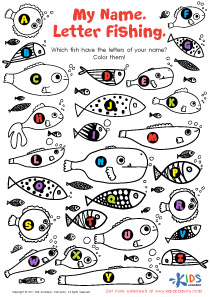
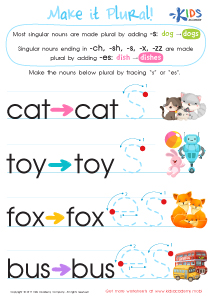
Handwriting practice Easy Letter Recognition Worksheets for Ages 4-5
3 filtered results
-
From - To
Enhance your child's early literacy skills with our "Handwriting Practice: Easy Letter Recognition Worksheets" designed specifically for ages 4-5. These engaging worksheets provide a fun, interactive way for young learners to develop their handwriting abilities while recognizing letters. Each worksheet features a variety of activities, including tracing, coloring, and identifying letters, ensuring that children stay motivated and excited to learn. With a focus on fostering fine motor skills and cognitive development, these resources will set a strong foundation for your child's reading and writing journey. Perfect for home or classroom use, our worksheets make learning the alphabet enjoyable and effective!
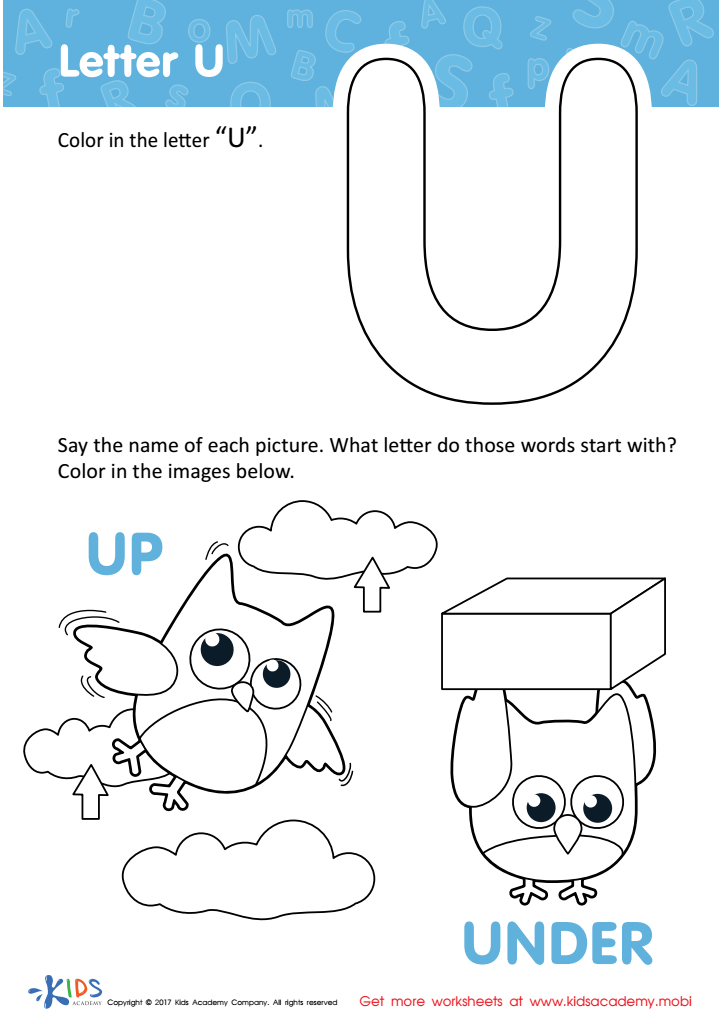
Letter U Coloring Sheet
 Assign to My Students
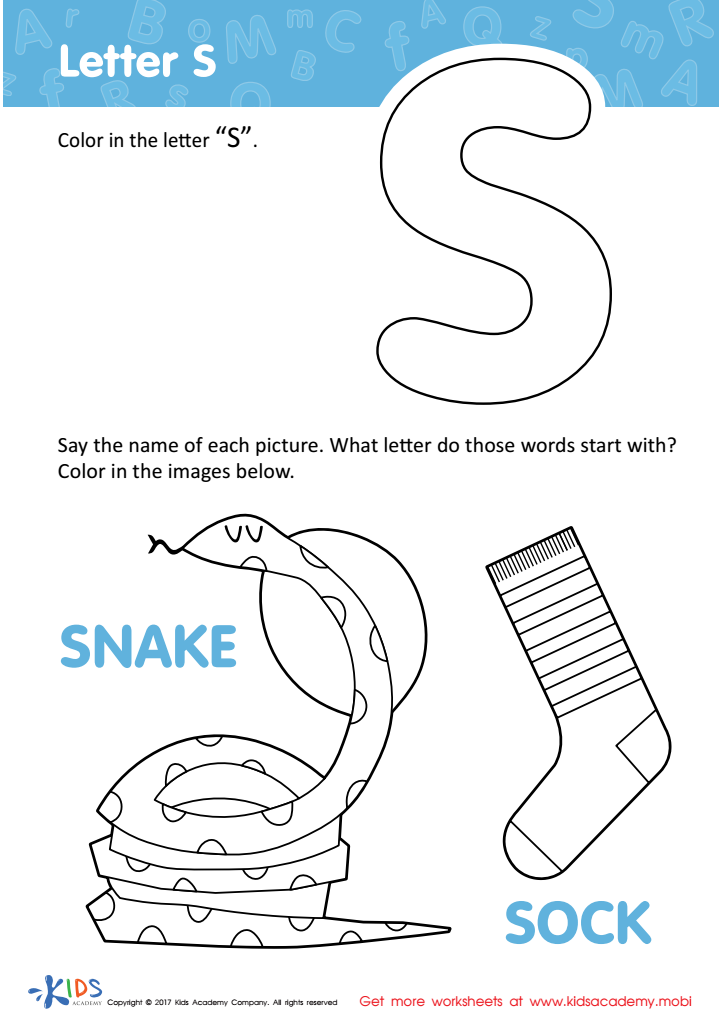
Letter S Coloring Sheet
Assign to My Students
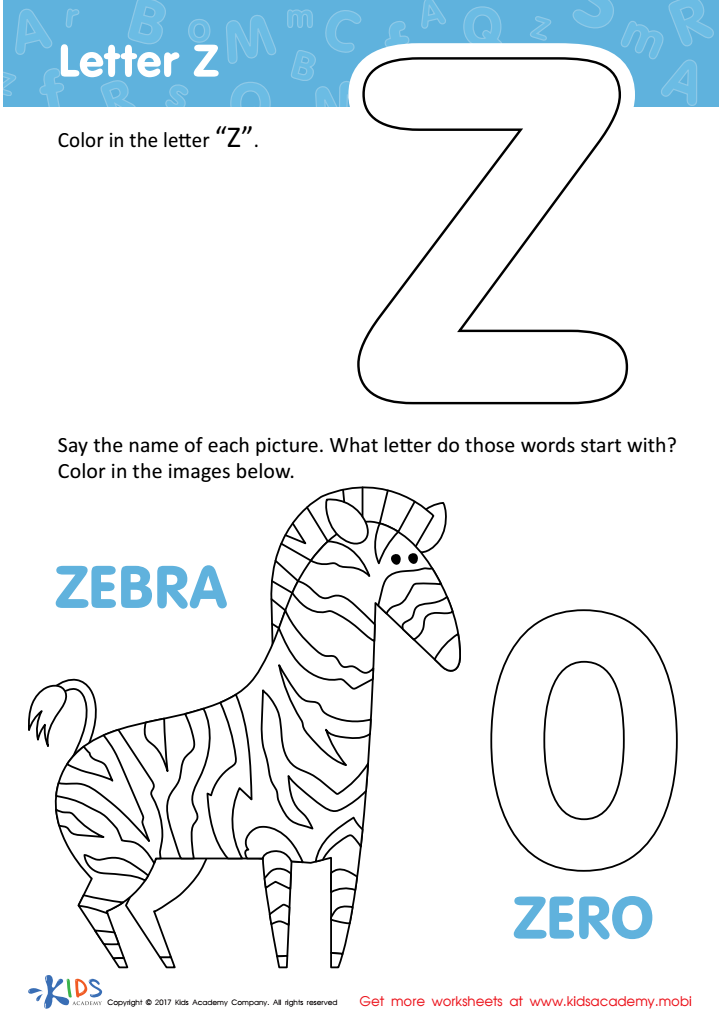
Letter Z Coloring Sheet
Assign to My Students








Handwriting practice and letter recognition are essential components of early childhood education, particularly for children aged 4 to 5. During this critical developmental phase, children are crafting their fine motor skills, which are foundational for writing. By focusing on handwriting practice, parents and teachers can help children develop the dexterity needed to hold a pencil correctly, control their writing tool, and enhance their hand-eye coordination.
Moreover, easy letter recognition activities ignite a child's interest in literacy. Recognizing letters empowers children to start reading and making connections between sounds and symbols, thereby laying the groundwork for fluent reading later. This skill not only affects academic performance but also boosts self-esteem as children develop confidence in their ability to communicate through writing.
Supporting handwriting practice and letter recognition can also foster a love for learning. Engaging children in fun, hands-on activities makes the process enjoyable and encourages creativity. In essence, prioritizing these skills can create a strong educational foundation, facilitating lifelong learning. Collaborative efforts between parents and teachers reinforce these skills, ensuring children thrive as they journey through their formative years and beyond. Ultimately, nurturing these competencies can significantly impact their academic success and personal growth.