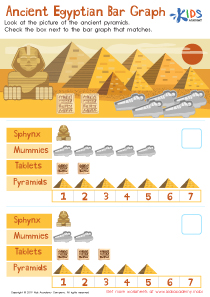
Shape identification Easy Math Worksheets for Ages 4-5
3 filtered results
Difficulty Level
Grade
Age
-
From - To
Subject
Activity
Standards
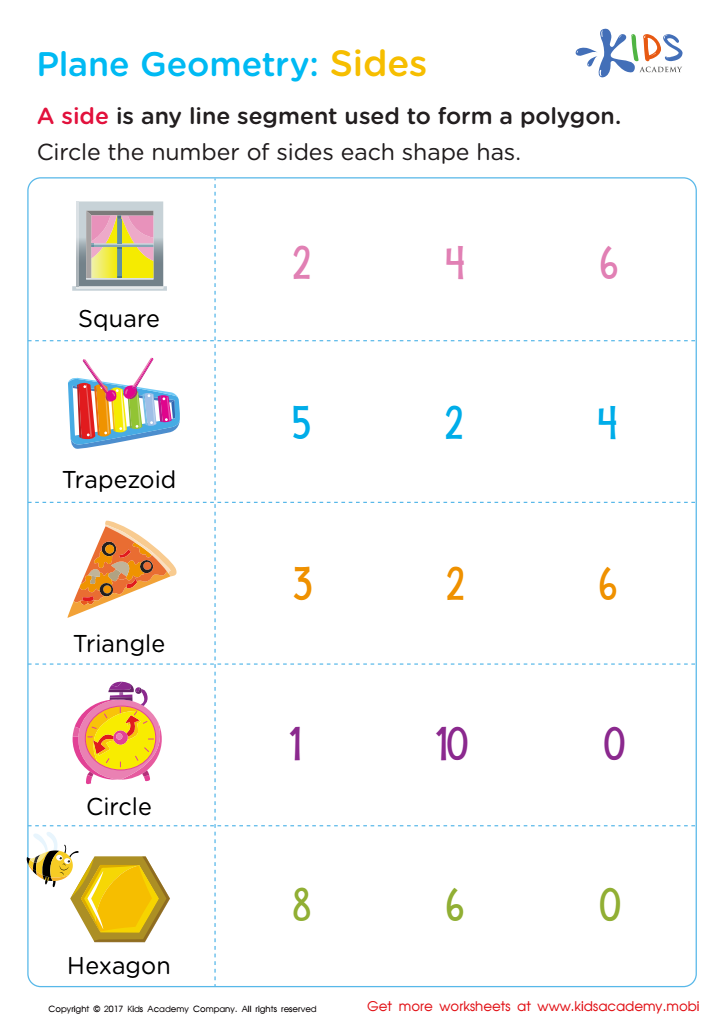
Discover fun and interactive "Shape Identification Easy Math Worksheets for Ages 4-5" designed to boost your child's early learning. These vibrant, age-appropriate worksheets help young learners identify and differentiate between essential shapes like circles, squares, triangles, and more. With beginner-friendly activities, children will enhance their cognitive and fine motor skills, building a strong foundation for future math concepts. Ideal for preschool and kindergarten-aged kids, these free printable worksheets offer an exciting way to learn through play. Visit Kids Academy to download and start your child's early math adventure today!
Favorites
With answer key
Interactive
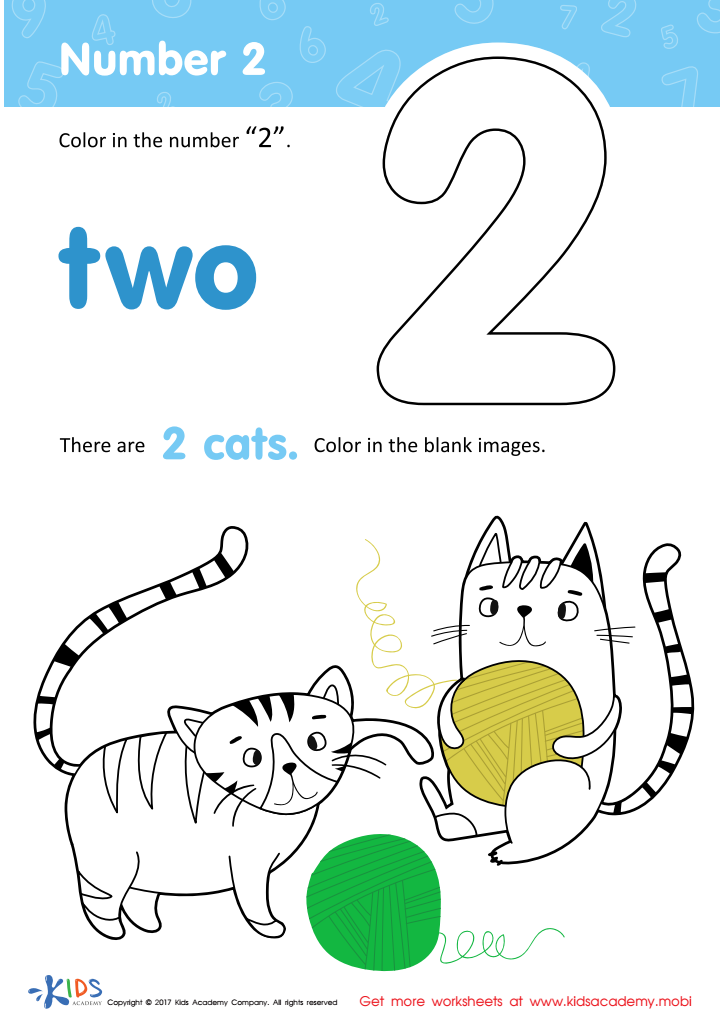
Number 2 Printable
Help your child learn to recognize the number two with these cats and their yarn balls. Print this coloring page – it's great for counting and coloring fun! Your child will develop basic numeracy skills as they visually see numbers in action.
Download (PDF)
 Assign to My Students
Assign to My Students
Number 2 Printable
Worksheet
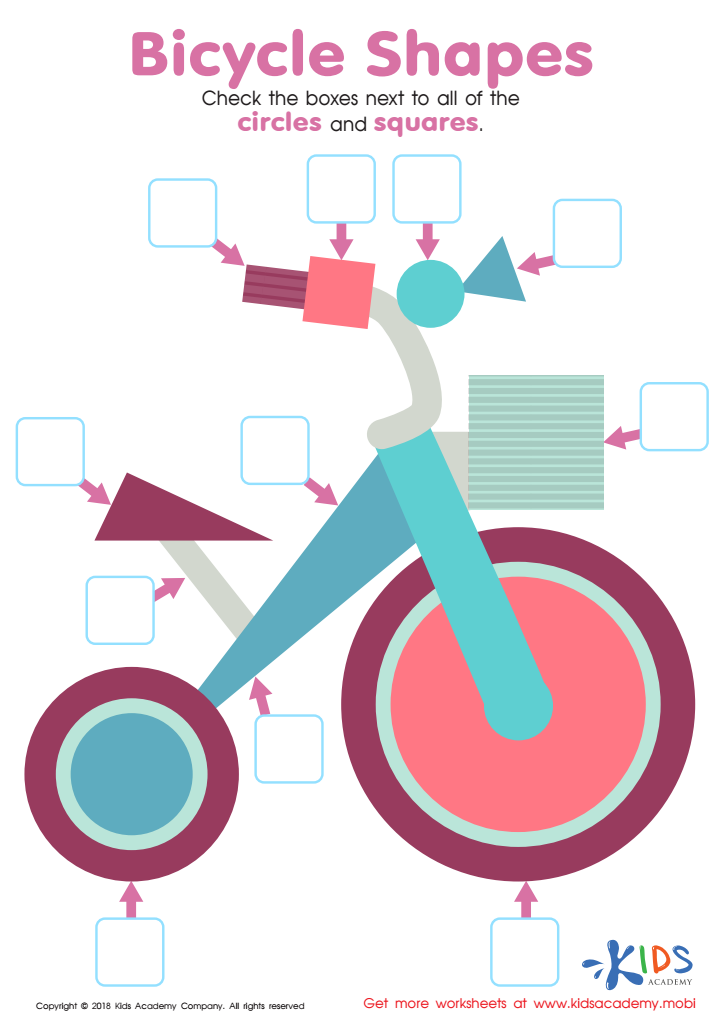
Bicycle Shapes Worksheet
This fun geometry worksheet for preschoolers asks the child to spot hidden shapes (circles, squares) in a colorful bicycle. Each shape varies in size and the child checks the box when it's found. It's a visual way to teach shapes.
Bicycle Shapes Worksheet
Worksheet
Join Kids Academy for Free
Who is primarily going to use this learning content?





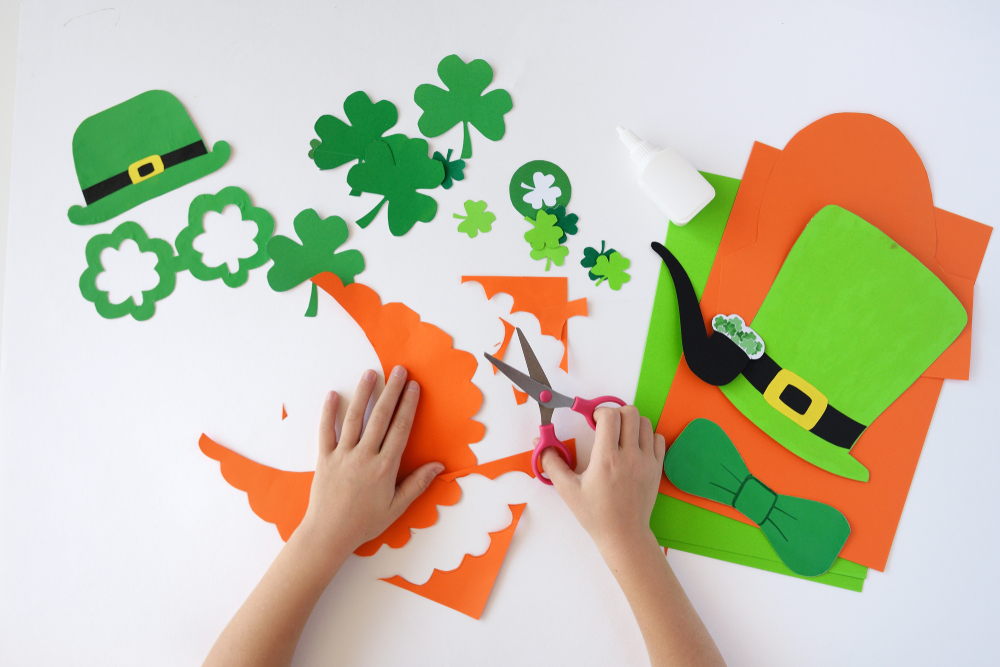


Shape identification is a foundational skill that plays a critical role in early childhood development, especially for children aged 4-5. When parents and teachers focus on teaching shapes, they are laying the groundwork for crucial cognitive skills, including categorization, spatial awareness, and problem-solving. Recognizing shapes is closely tied to visual perception, allowing children to discern object similarities and differences—skills vital for reading and math.
Early math through shape identification also enriches vocabulary as children learn to label and describe various geometric figures. The language skills developed here are essential for reading comprehension and effective communication. Additionally, understanding shapes builds the precursor mathematical skills needed for more complex concepts like geometry, patterns, and symmetry.
Practicing shape identification also engages fine motor skills through activities like drawing, cutting, and assembling shapes, which further enhances hand-eye coordination and overall motor development. This multidisciplinary approach to learning promotes holistic brain development, making it easier for children to integrate and apply information in diverse contexts.
Active parental and teacher involvement in teaching shapes fosters a learning environment that supports curiosity and enthusiasm for exploration. It cultivates a love for learning and confidence, paving the way for educational success in subsequent years. Overall, shape identification is a fun, interactive, and foundational element of early education that offers numerous developmental benefits.