Writing practice Easy Alphabet Worksheets for Ages 4-6
3 filtered results
-
From - To
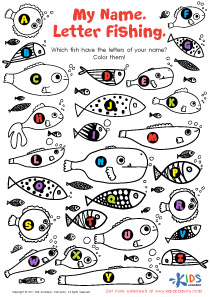
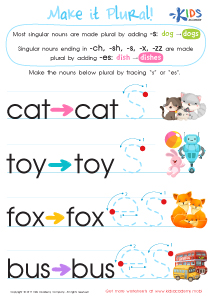
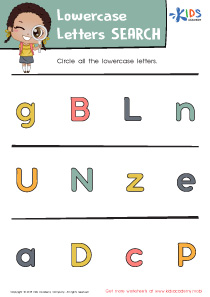
Discover our engaging "Writing Practice Easy Alphabet Worksheets" designed specifically for children ages 4-6. These worksheets provide a fun and interactive way for young learners to practice their writing skills while becoming familiar with the alphabet. Each worksheet features clear letter outlines that guide little hands as they trace and write uppercase and lowercase letters. This resource enhances fine motor skills, letter recognition, and early literacy development. Perfect for parents and educators, our worksheets are versatile and adaptable for classroom or home learning. Download today and watch your child's writing confidence soar! Ideal for early learners eager to explore the world of letters!
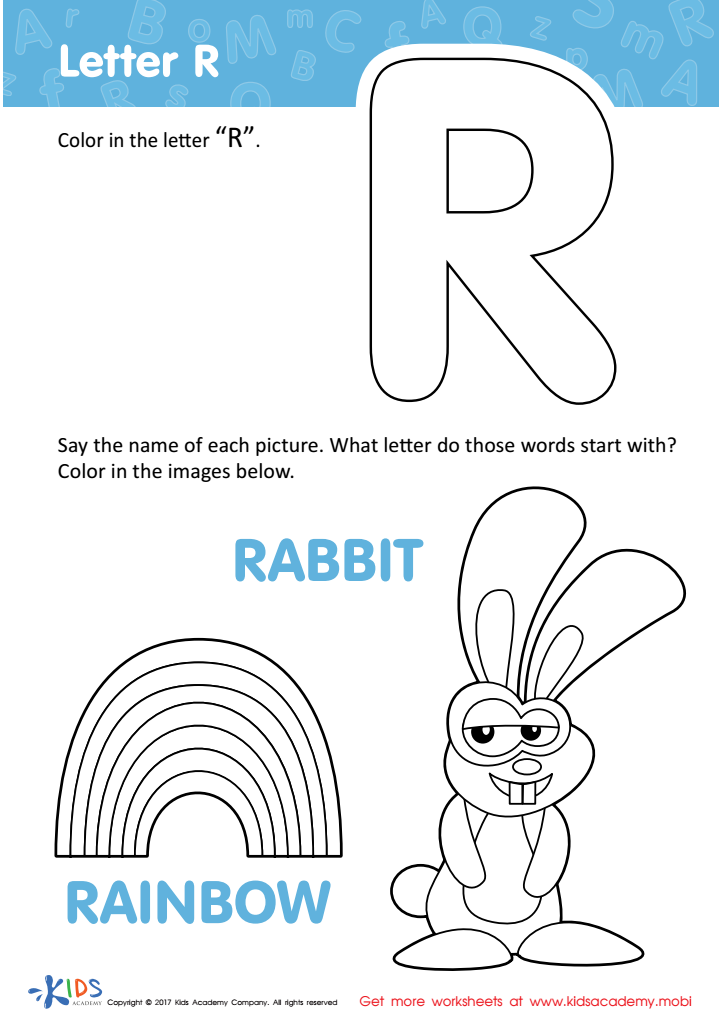
Letter R Coloring Sheet
 Assign to My Students
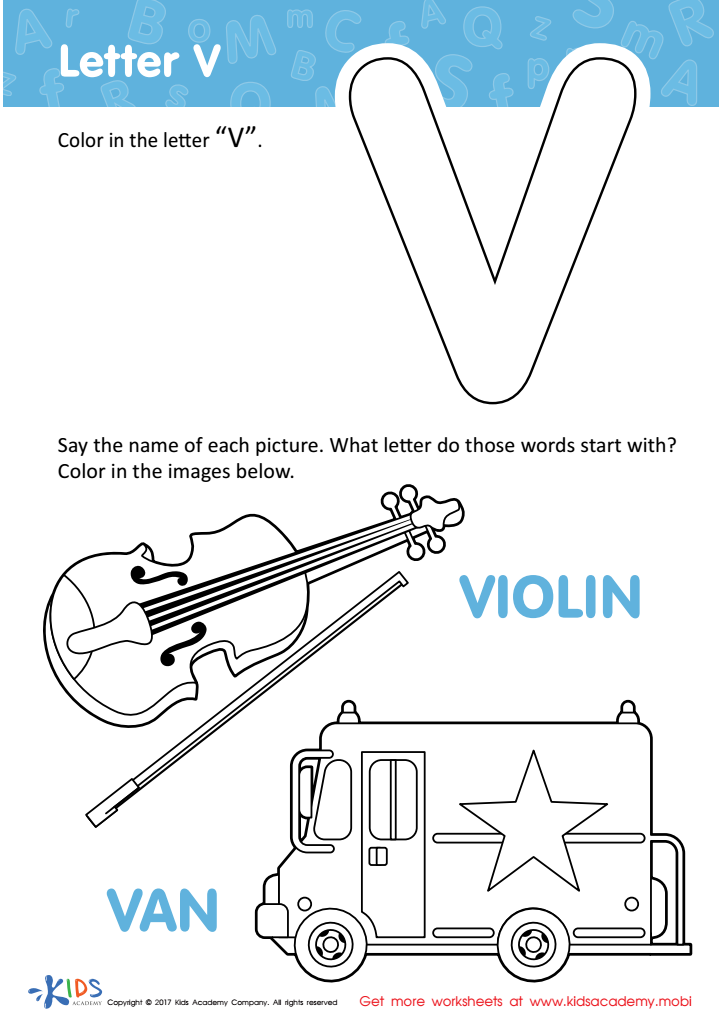
Letter V Coloring Sheet
Assign to My Students
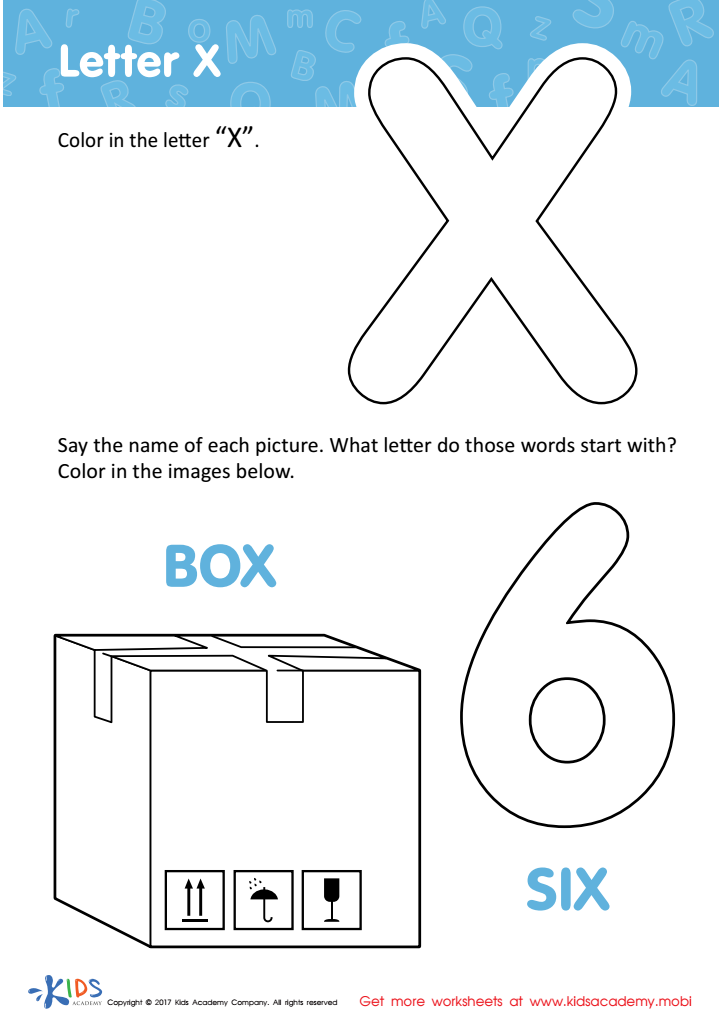
Letter X Coloring Sheet
Assign to My Students








Writing practice, particularly with activities like "Easy Alphabet," is crucial for children aged 4-6 as it lays the foundation for their literacy skills. At this age, children are developing fine motor skills, which are essential for writing. Engaging in alphabet practice helps strengthen hand-eye coordination, grip control, and overall dexterity. Moreover, learning to write the letters of the alphabet fosters recognition, reinforcing their understanding of letters and sounds, which are fundamental in developing reading skills.
This stage of education is also pivotal for cognitive and language development. Writing practice encourages language exploration and promotes vocabulary growth as children learn to associate letters with sounds and words. Additionally, engaging parents and teachers in this process enriches the learning experience, allowing them to provide guidance, encouragement, and personalized support.
Regular practice with the alphabet enables children to build confidence in their writing abilities, making them more likely to embrace literacy as they progress through school. Lastly, it establishes a routine of learning that contributes to positive attitudes towards education, fostering a love for learning that can last a lifetime. In essence, writing practice is not just about letters; it’s a gateway to communication and cognitive development essential for young learners.