Basic Arithmetic Easy Numbers Worksheets for Ages 4-6
4 filtered results
-
From - To
Nurture your child's early math skills with our "Basic Arithmetic Easy Numbers Worksheets for Ages 4-6." Designed to make learning fun and effective, these worksheets focus on simple addition, subtraction, and number recognition to build a strong foundation in arithmetic. Engaging visuals and age-appropriate activities help young learners grasp basic concepts while enjoying the process. Perfect for both classroom and at-home learning, our resources encourage kids to explore mathematics in a positive, rewarding way. Give your child a head start in math and watch their confidence soar with our expertly crafted worksheets tailored for early learners.
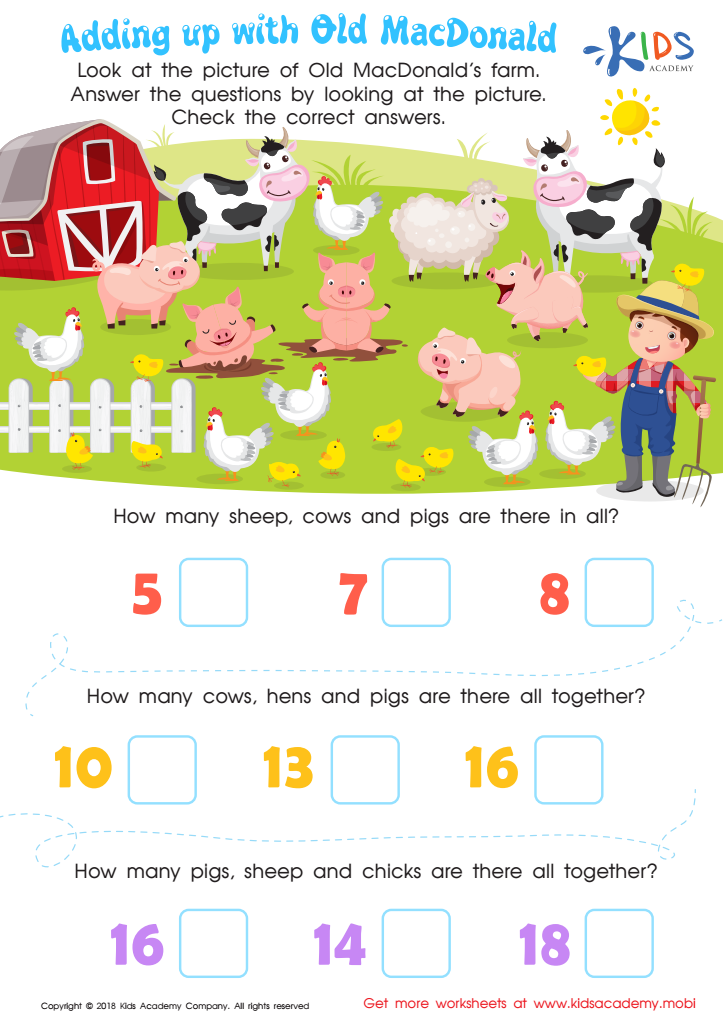
Adding Up with Old MacDonald Worksheet
 Assign to My Students
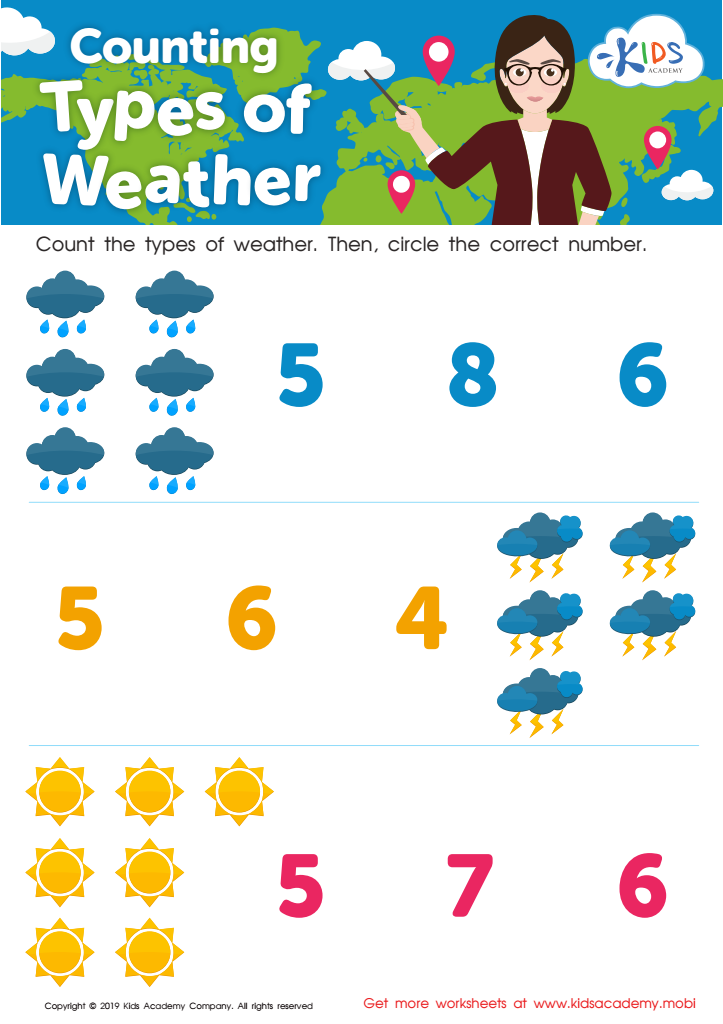
Counting Types of Weather Worksheet
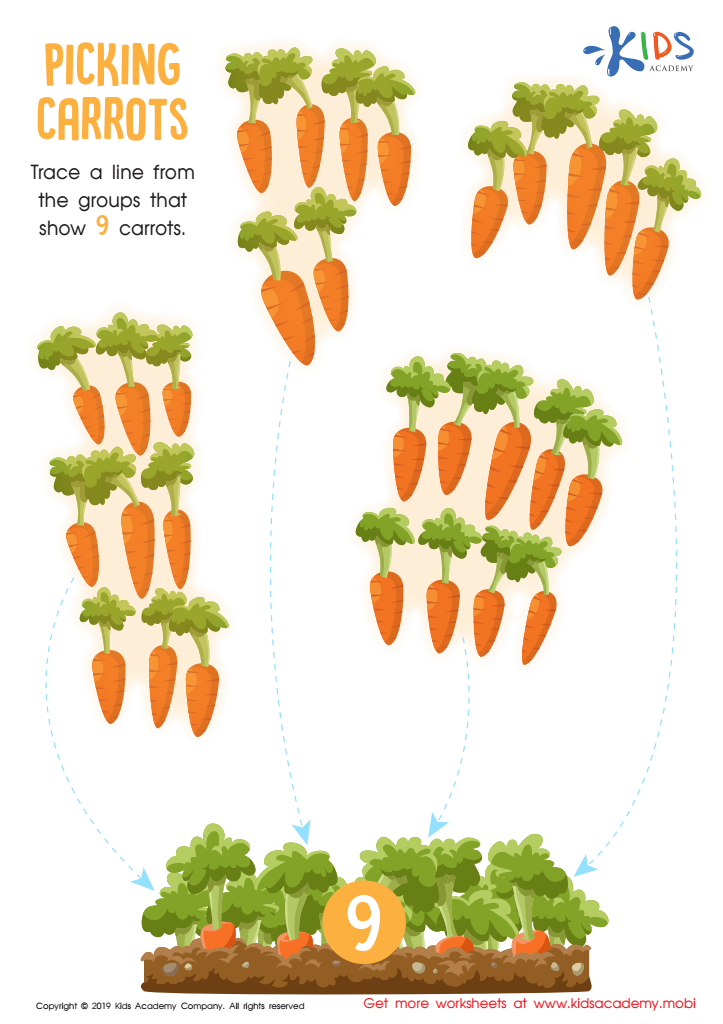
Picking Carrots Worksheet
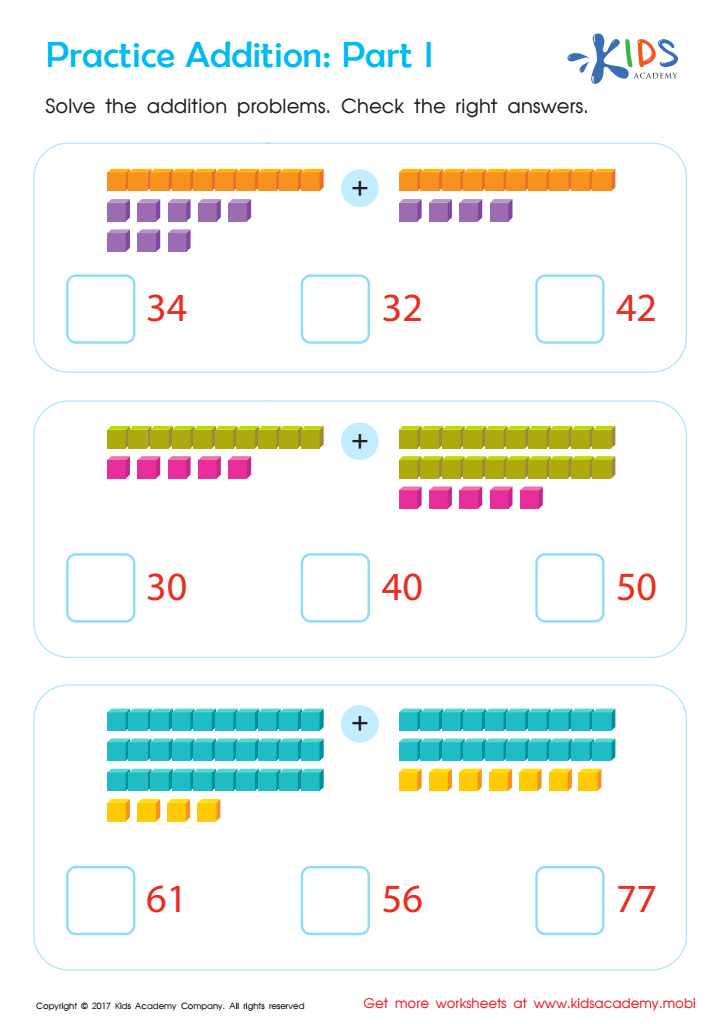
Practice Addition: Part 1 Worksheet








Parents and teachers should care about Basic Arithmetic Easy Numbers for children ages 4-6 because foundational math skills built during these early years are crucial for later academic success and everyday life. At this developmental stage, children are exceptionally receptive to new information, and introducing basic arithmetic helps cultivate number sense, which is their understanding of numbers and their relationships. This early exposure assists children in developing problem-solving and critical-thinking skills, essential competencies across various life situations and academic disciplines.
Basic arithmetic also fosters a positive attitude towards more advanced mathematics. By starting with simple, engaging concepts like counting, addition, and subtraction, educators can prevent math anxiety, a common issue that can deter children from pursuing STEM (Science, Technology, Engineering, Mathematics) subjects in the future.
Furthermore, competency in early math is linked to better literacy skills. Studies have shown that children who excel in these basic arithmetic concepts are more likely to perform well in reading and writing, as numerical abilities often correlate with understanding patterns, sequencing, and logical thinking—all of which are foundational for literacy.
In summary, fostering basic arithmetic skills in young children equips them with the necessary tools for future learning and everyday life, establishing a robust foundation for academic growth and instilling confidence in their abilities to tackle diverse challenges.








