Identifying shapes Easy Math Worksheets for Ages 4-6
3 filtered results
-
From - To
Discover our “Identifying Shapes” easy math worksheets, designed specifically for children aged 4 to 6. These engaging and interactive resources help young learners develop their shape recognition skills in a fun and approachable way. Each worksheet features vibrant illustrations and age-appropriate exercises that promote critical thinking and visual learning. From circles and squares to triangles and rectangles, children will explore a variety of shapes through tracing, matching, and identifying activities. Ideal for both classroom and home use, these worksheets support early math comprehension while making learning enjoyable. Watch your child's confidence grow as they master the fundamentals of shape identification!
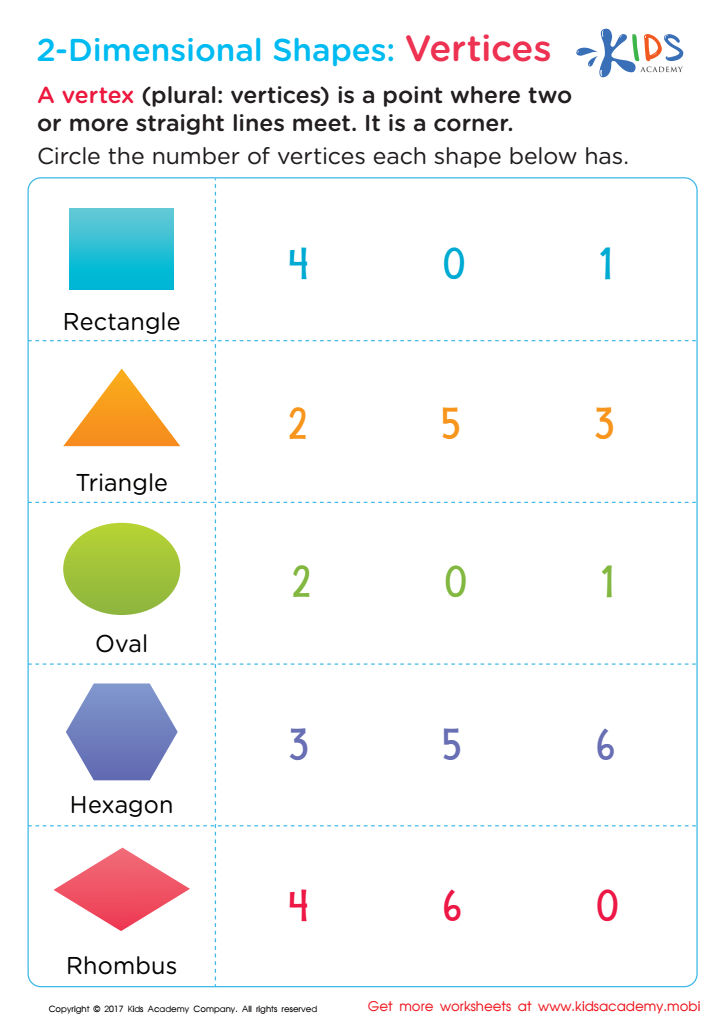
Two–Dimensional Shapes: Vertices Printable
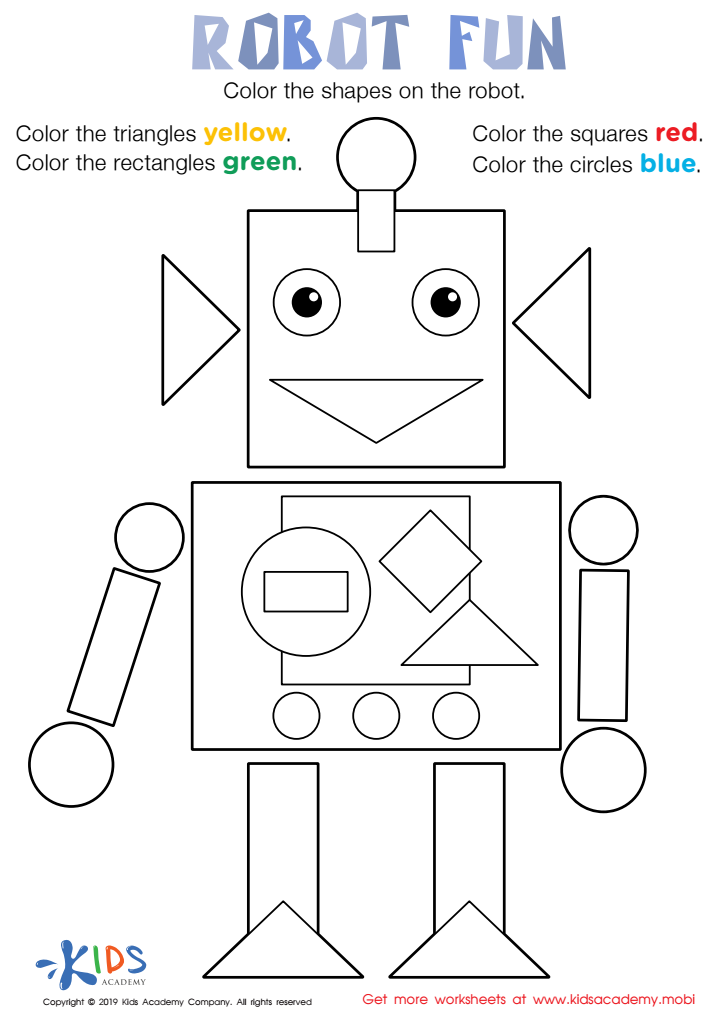
Robot Fun Worksheet
 Assign to My Students
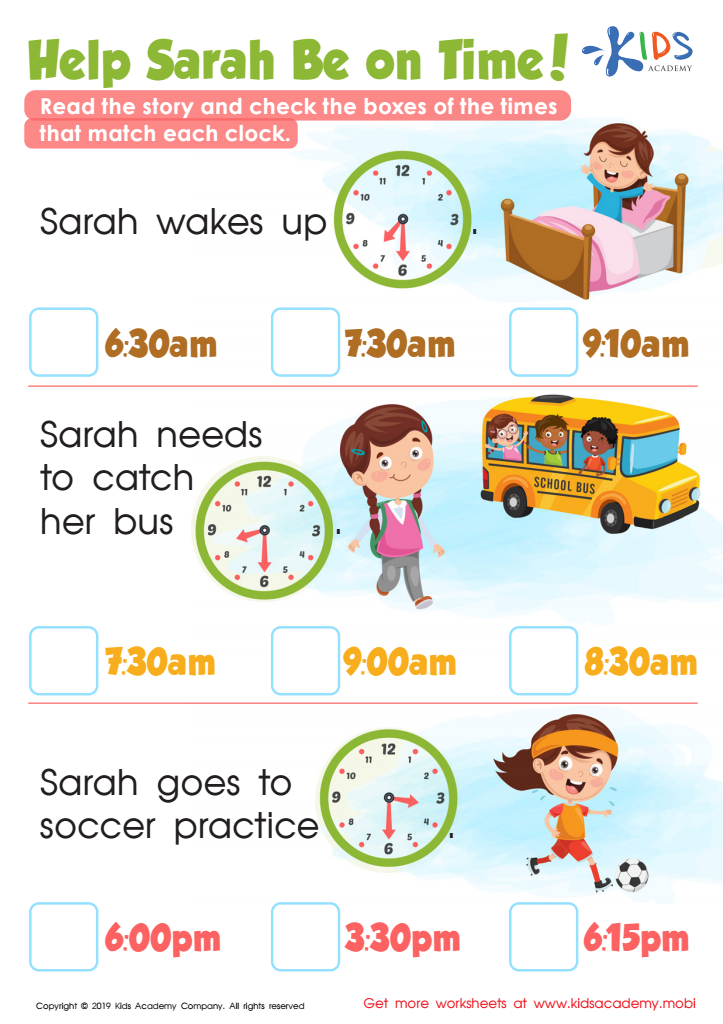
Help Sarah Be on Time! Worksheet



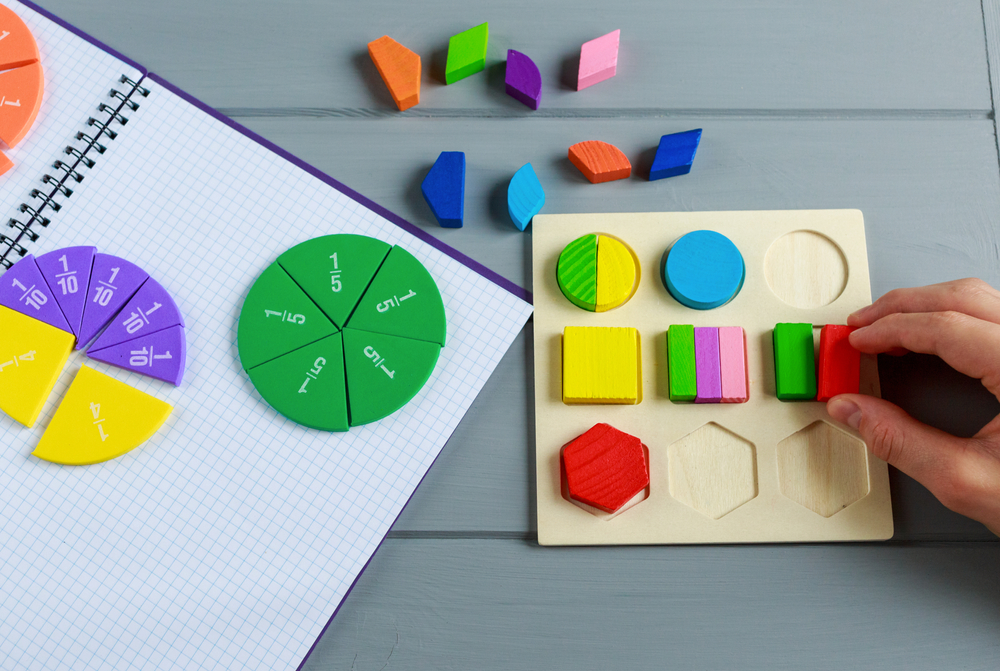



Identifying shapes is a fundamental skill that plays a crucial role in early mathematics and cognitive development for children aged 4-6. Caring about this skill is essential for several reasons. First, shape recognition forms the foundation for understanding geometry, which students will encounter in later grades. When children can identify shapes like circles, squares, and triangles, they develop spatial reasoning abilities, helping them understand how objects relate to each other in space.
Moreover, recognizing shapes helps enhance various cognitive skills, including problem-solving and critical thinking. By learning to classify and differentiate shapes, children sharpen their analytical skills and gain confidence in tackling more complex mathematical concepts later on. Additionally, shape identification promotes language development; as children learn shape names and attributes, they expand their vocabulary and communication skills.
Finally, this foundational math skill supports various real-world applications, contributing to better overall learning outcomes. For example, understanding shapes helps with organizing objects, fostering creativity in art, and instilling a sense of geometry in daily life. Therefore, parents and teachers should prioritize identifying shapes in early math education to set the groundwork for a child’s lifelong learning journey.








