Number Recognition Easy Numbers 11–20 Worksheets for Ages 4-6
6 filtered results
-
From - To
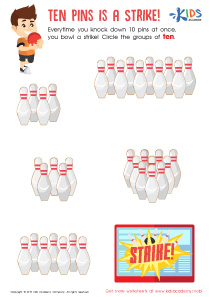
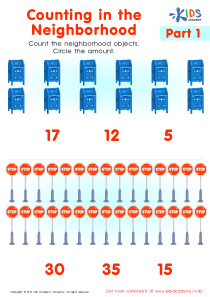
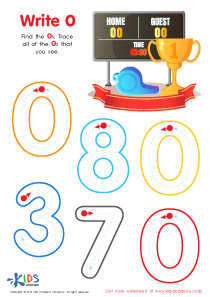
Welcome to our "Number Recognition Easy Numbers 11–20 Worksheets" designed specifically for children aged 4 to 6. These engaging and interactive worksheets help young learners develop essential number recognition skills by focusing on numbers 11 through 20. Each worksheet features colorful illustrations and simple activities that make learning fun and effective. Children will practice identifying, writing, and counting these numbers through enjoyable exercises tailored to their developmental level. Our resources not only support foundational math skills but also foster early learning and confidence. Begin your child's journey in numeracy today with these delightful worksheets that make number learning enjoyable!
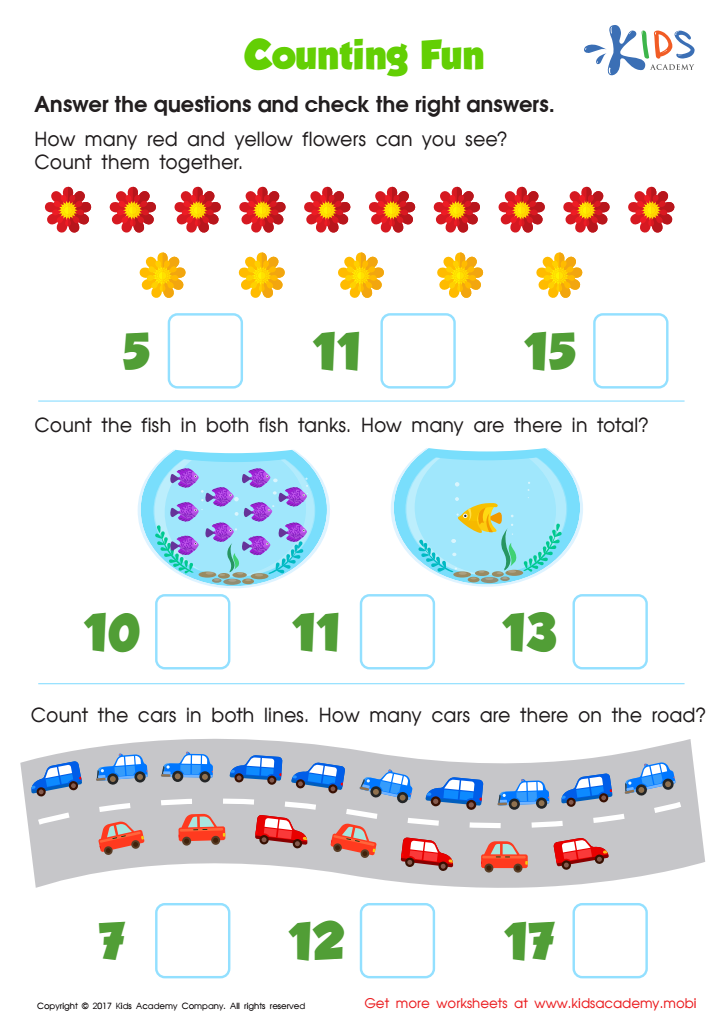
Counting Fun Worksheet
 Assign to My Students
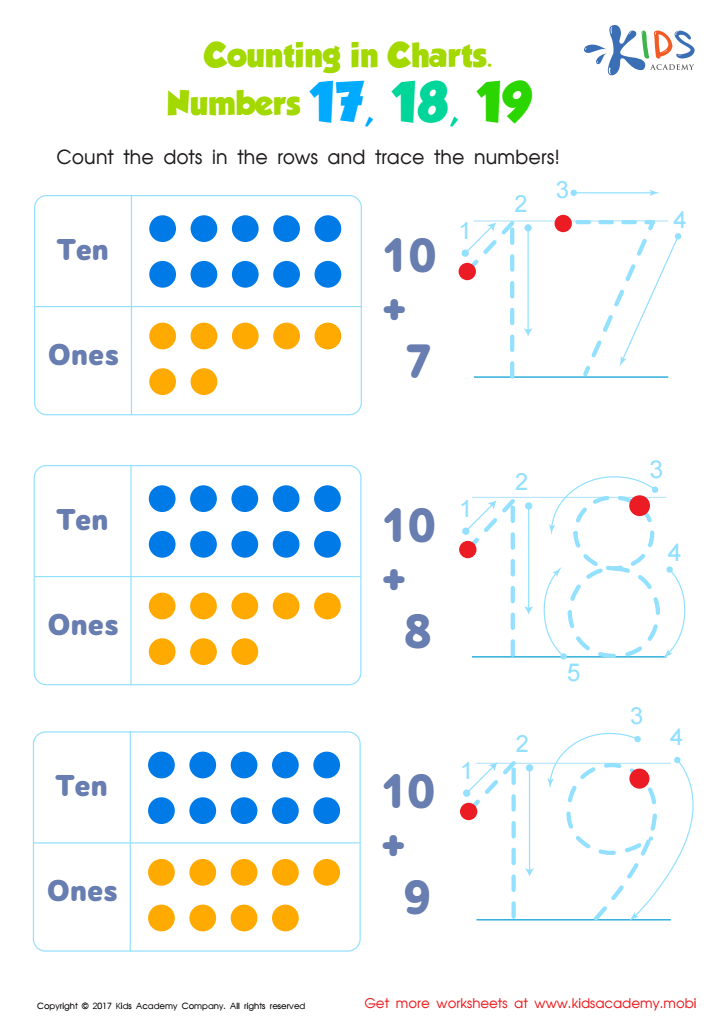
Kindergarten Number Tracing: Counting in Charts Worksheet
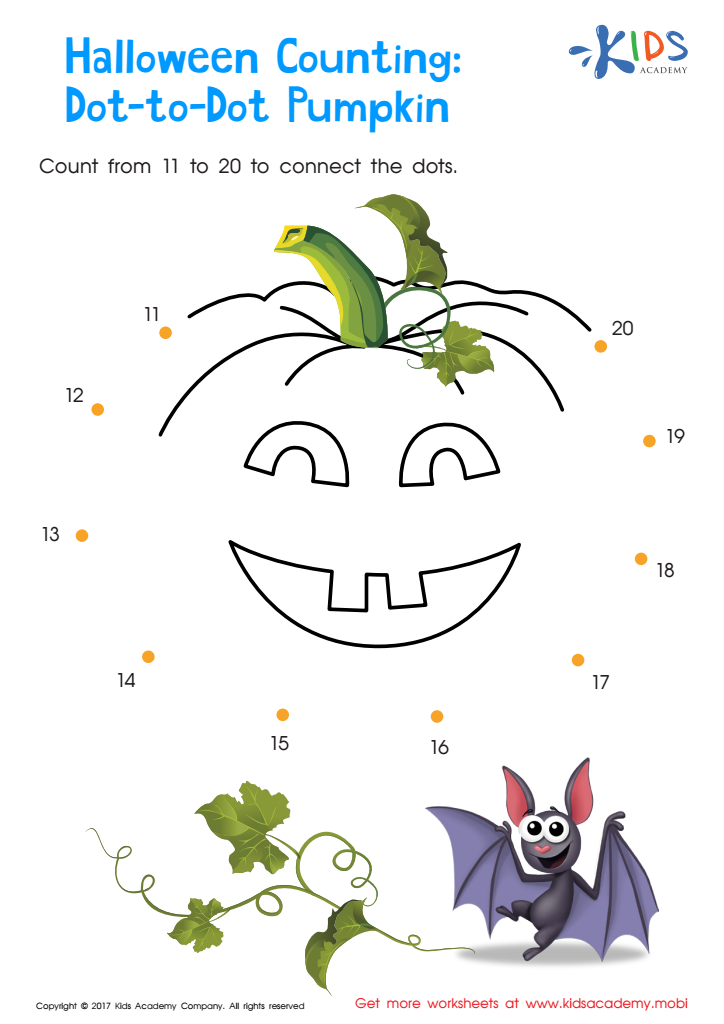
Ordering 11–20: Halloween Counting Worksheet
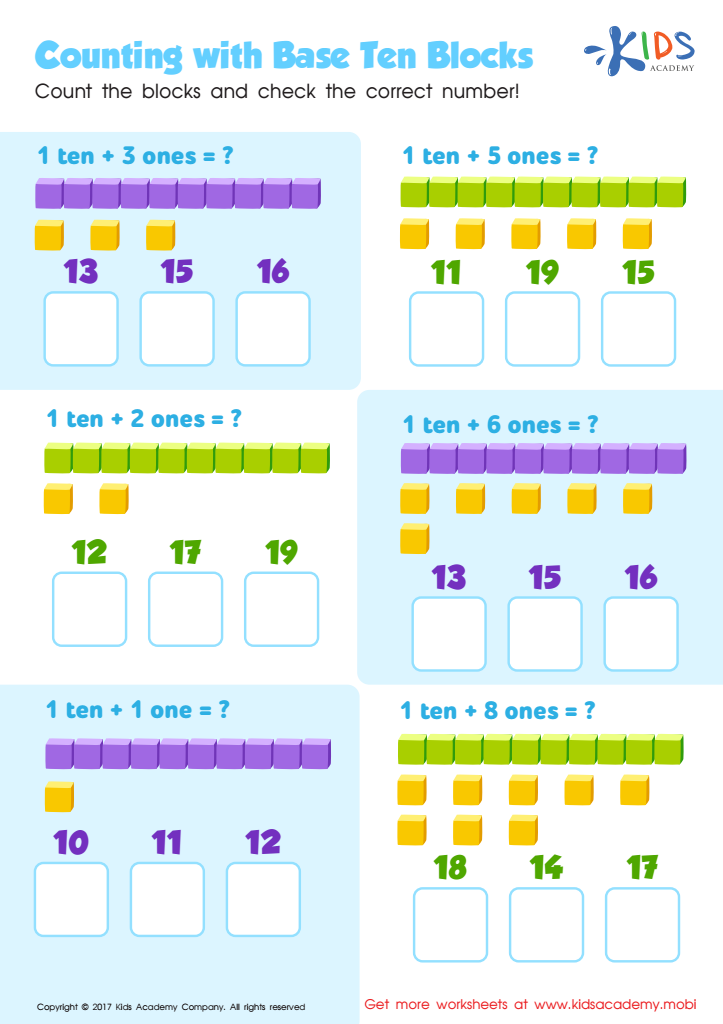
Counting with Base Ten Blocks Worksheet
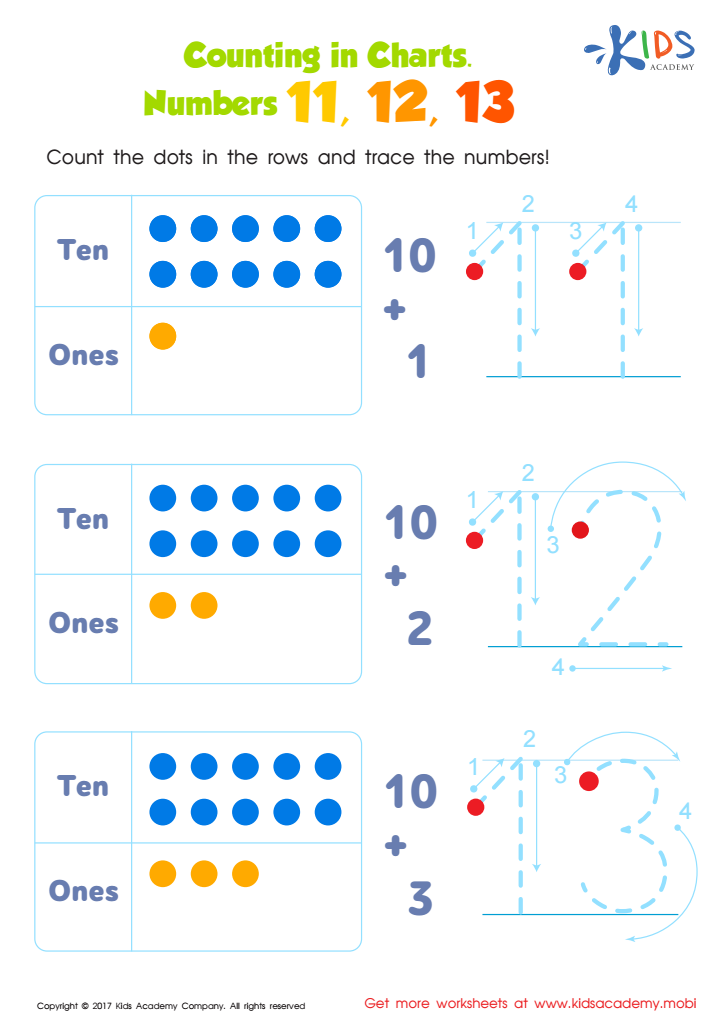
Number Tracing Worksheet For Kindergarten
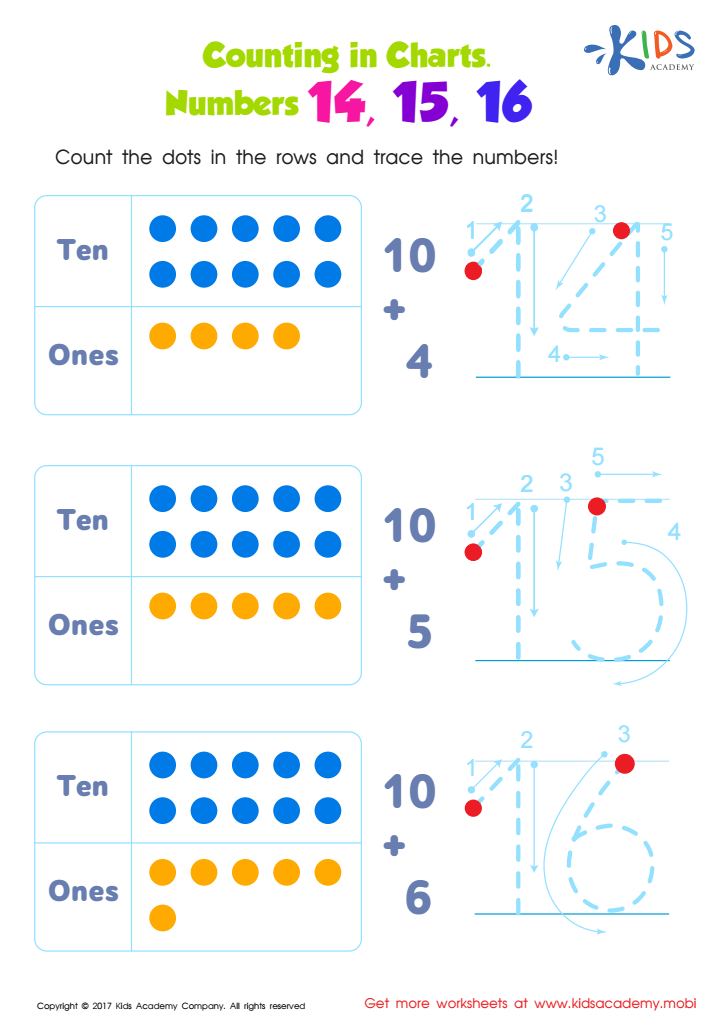
Number Tracing Worksheet



Number recognition, especially for numbers 11-20, is crucial for children aged 4-6 as it forms the foundation for their mathematical skills and overall cognitive development. Understanding these numbers helps young learners make sense of the world around them, as they begin to quantify, compare, and categorize their experiences.
At this age, children are making significant progress in recognizing patterns and relationships. By focusing on numbers 11-20, parents and teachers can deepen their understanding of numerical sequences, which is essential for grasping concepts like addition and subtraction later on. Mastery of these numbers also enhances confidence and encourages positive attitudes towards math, setting the stage for academic success.
Moreover, engaging children in fun and interactive activities focused on number recognition fosters a love for learning and critical thinking. It encourages problem-solving skills that children will rely on throughout their education and lives.
Additionally, this initial number knowledge allows for better participation in collaborative play and classroom activities, essential for social skills development. Ultimately, caring about number recognition in early childhood ensures that children build a solid footing in mathematics, enabling them to thrive in their educational journeys and daily lives.