Writing practice Easy Alphabet Worksheets for Ages 4-7
3 filtered results
-
From - To
Discover our engaging Easy Alphabet Worksheets designed for children aged 4-7! These printable worksheets provide a fun and interactive way for young learners to practice their writing skills. Carefully crafted to introduce each letter of the alphabet, our resources encourage proper letter formation and enhance fine motor skills. Each worksheet offers a variety of activities, including tracing and writing exercises, making learning enjoyable and effective. Perfect for homeschooling or classroom use, these worksheets will help your little ones build a strong foundation in literacy while boosting their confidence. Download your worksheets today and watch your child's writing skills flourish!
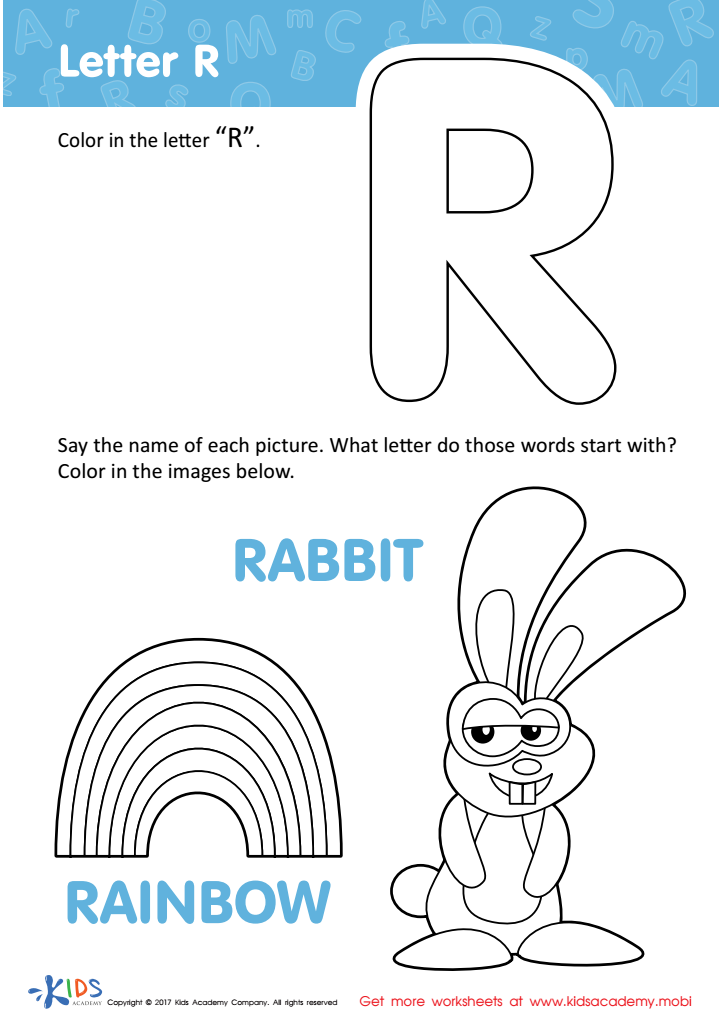
Letter R Coloring Sheet
 Assign to My Students
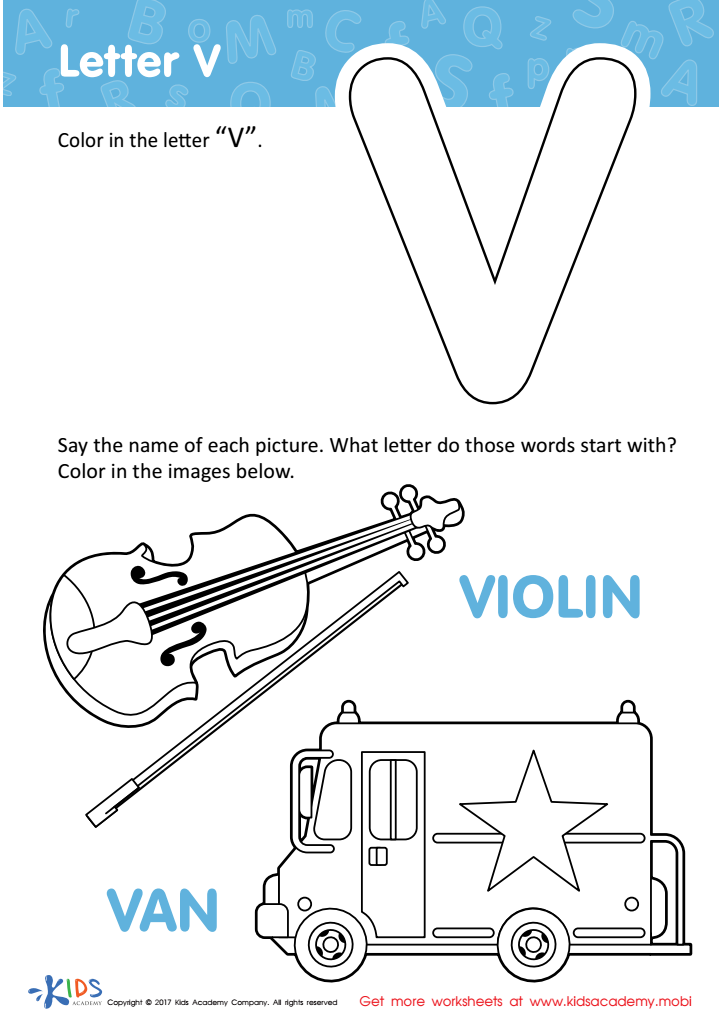
Letter V Coloring Sheet
Assign to My Students
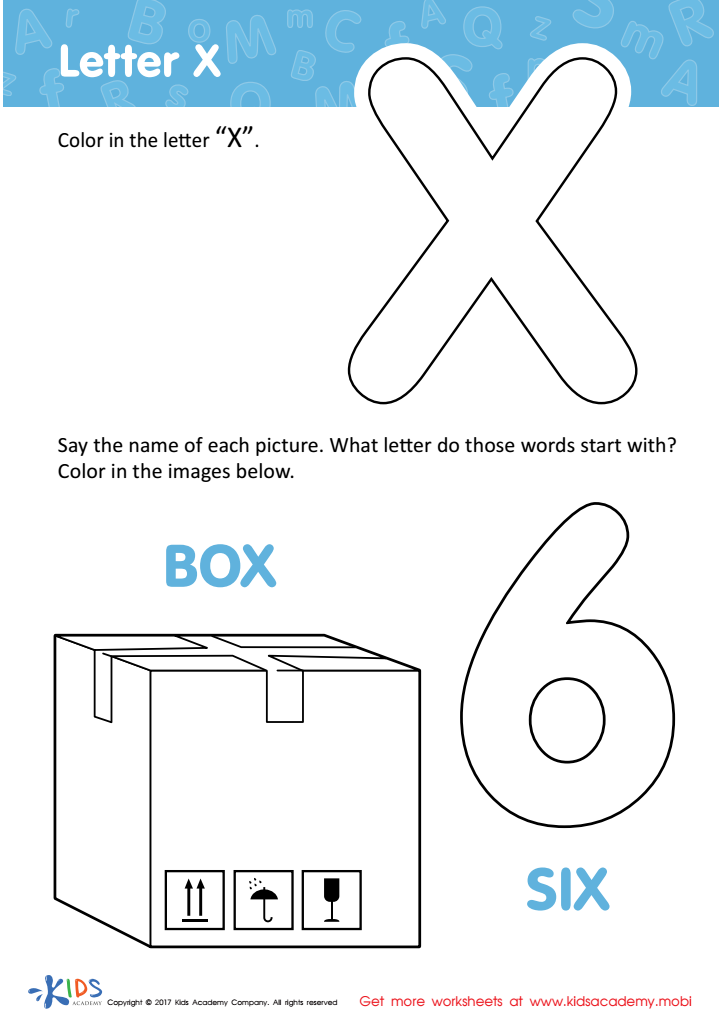
Letter X Coloring Sheet
Assign to My Students








Writing practice is crucial for children aged 4-7 as it lays the foundation for future literacy skills and overall cognitive development. Engaging in activities like Easy Alphabet writing helps young learners develop fine motor skills, hand-eye coordination, and the ability to concentrate. This age is pivotal; as children begin to understand the connection between letters and sounds, writing supports their emerging phonemic awareness, which is essential for reading development.
Furthermore, writing practice encourages creativity and self-expression. As children create letters and eventually form words, they develop a sense of ownership over their communication. This can boost their confidence and promote a love of learning.
For teachers and parents, nurturing strong writing skills in young learners means setting them up for success in academia and beyond. Mastery of the alphabet can enhance their ability to comprehend and process written information, making them more proficient readers and writers in the future. Additionally, writing activities can serve as valuable bonding moments, allowing parents and teachers to interact with children through fun and educational exercises, fostering a positive attitude towards learning. Overall, integrating writing practice into daily routines helps children thrive intellectually and emotionally.