Writing practice Easy Letter Recognition Worksheets for Ages 4-7
3 filtered results
-
From - To
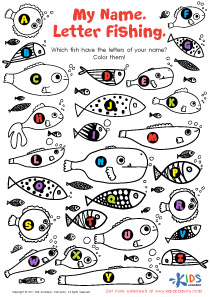
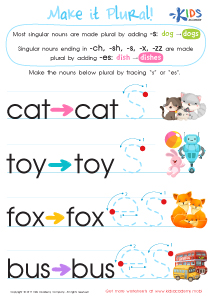
Our "Writing Practice Easy Letter Recognition Worksheets" are designed for children aged 4-7 to foster early writing skills. These engaging worksheets integrate fun activities to help young learners master letter recognition effortlessly. Each sheet offers exercises that guide children in tracing and writing both uppercase and lowercase letters, gradually improving their hand control and boosting their confidence. Ideal for preschoolers and early elementary students, these resources make learning the alphabet enjoyable and stress-free. Perfect for parents and teachers seeking effective tools to prepare kids for reading and writing success! Visit our website to explore our extensive collection.
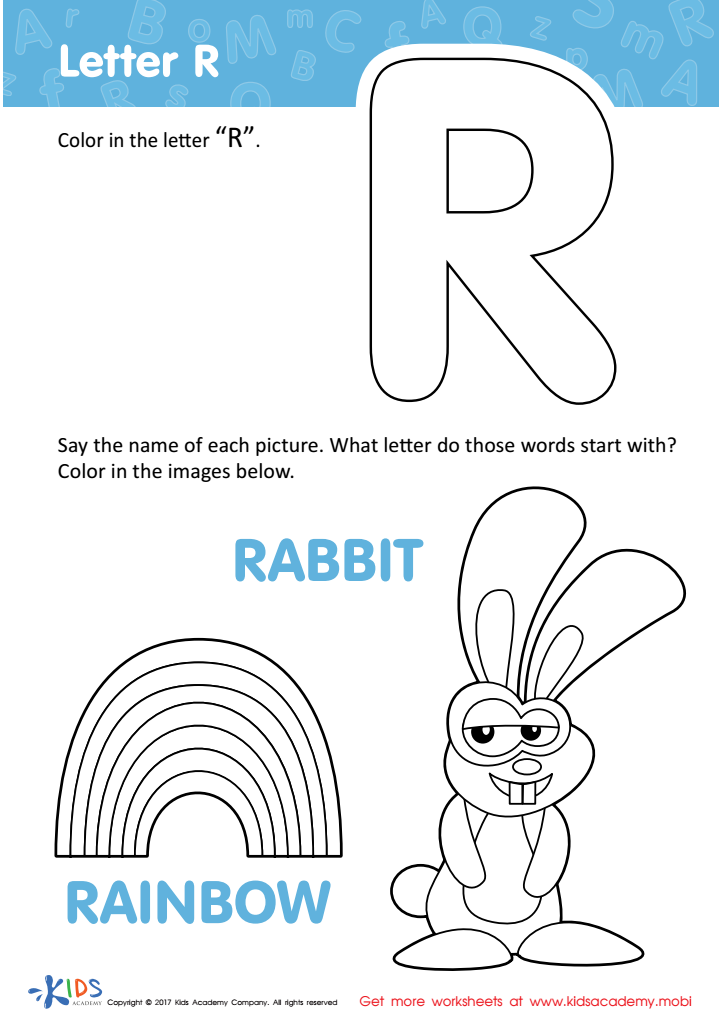
Letter R Coloring Sheet
 Assign to My Students
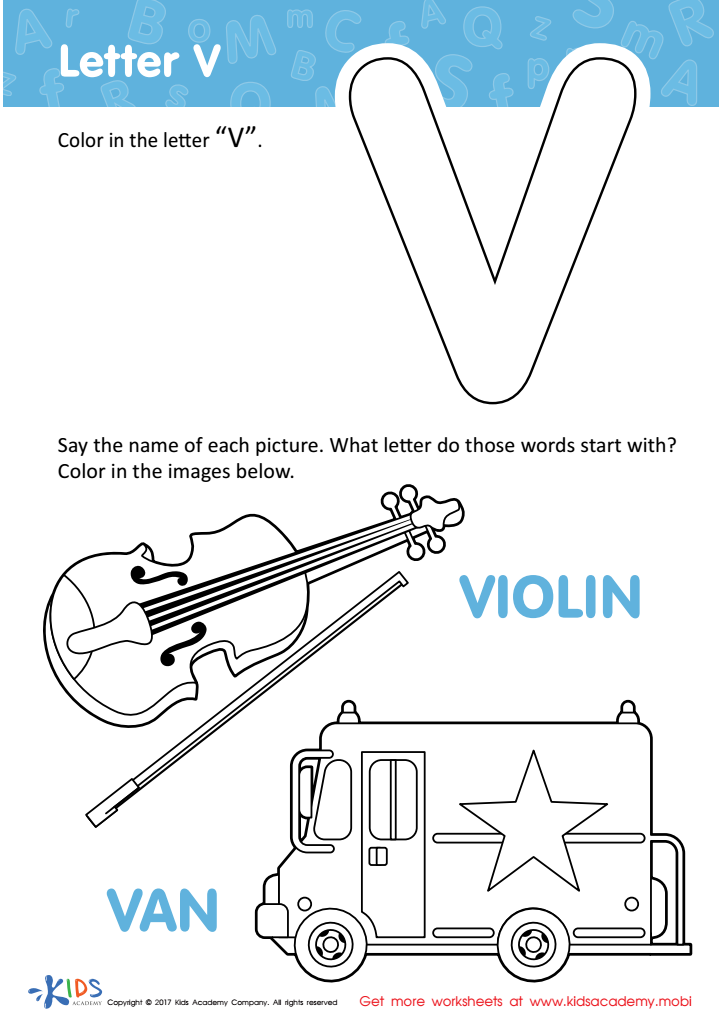
Letter V Coloring Sheet
Assign to My Students
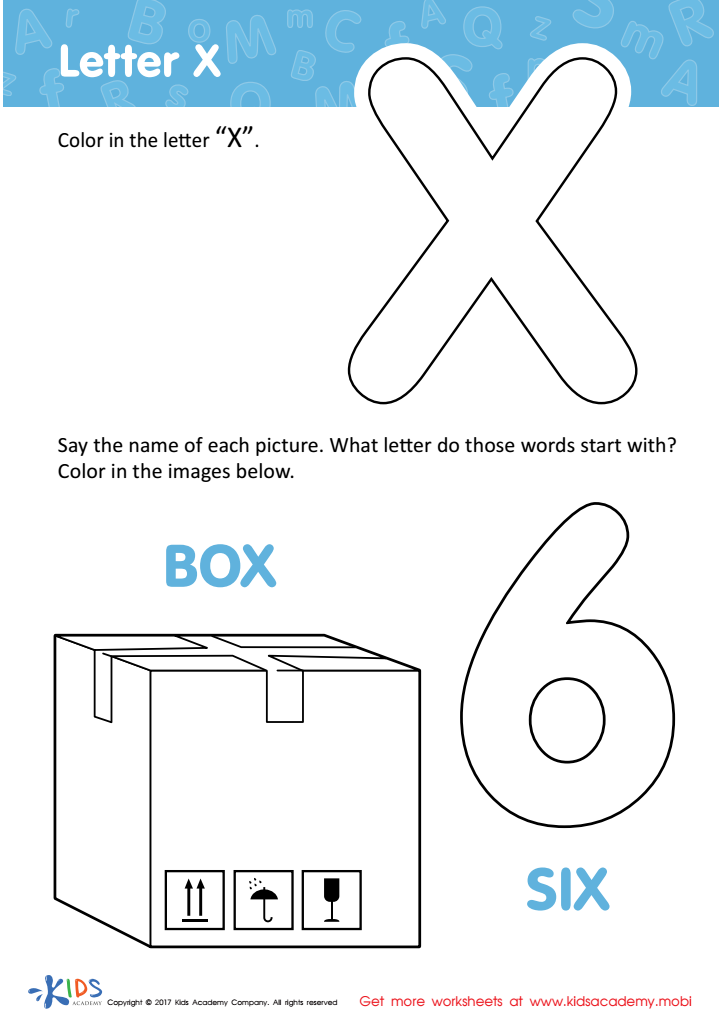
Letter X Coloring Sheet
Assign to My Students








Early writing practice and letter recognition are essential for children aged 4-7 because they serve as the building blocks for literacy. This early stage of development is critical since it sets the foundation for reading and writing skills that will be used throughout their educational journey and beyond.
When children engage in writing practice and learn to recognize letters, they develop fine motor skills by learning to control a pencil or crayon. This physical coordination is crucial for writing legibly and efficiently. Additionally, early writing exercises help children understand the relationship between spoken and written language. Recognizing letters and understanding their sounds foster phonemic awareness, which is integral in learning how to read.
Parents and teachers who invest time in these activities are supporting cognitive development, enhancing memory and focus, and fostering a positive attitude towards learning. Being able to independently identify and write letters gives young learners a sense of achievement and boosts their confidence. Moreover, early literacy skills are strongly linked to future educational success; children who grasp the basics early are more likely to excel academically.
Therefore, emphasizing writing practice and letter recognition is not just about learning to write; it is about equipping children with lifelong skills that will help them in all areas of their lives.