Number Recognition Easy Counting Worksheets for Ages 4-7
6 filtered results
-
From - To
Discover our Number Recognition Easy Counting Worksheets designed for children aged 4-7. These engaging worksheets make learning numbers a fun and rewarding experience. They help young learners confidently identify and understand numbers through interactive and colorful activities. With a variety of exercises, including connecting dots, counting objects, and tracing numbers, kids are motivated to practice essential math skills. Perfect for preschool and early elementary students, our resources provide a solid foundation in number recognition and counting, fostering a love for learning. Encourage your child's numerical journey with our expertly crafted worksheets, tailored to inspire and educate.
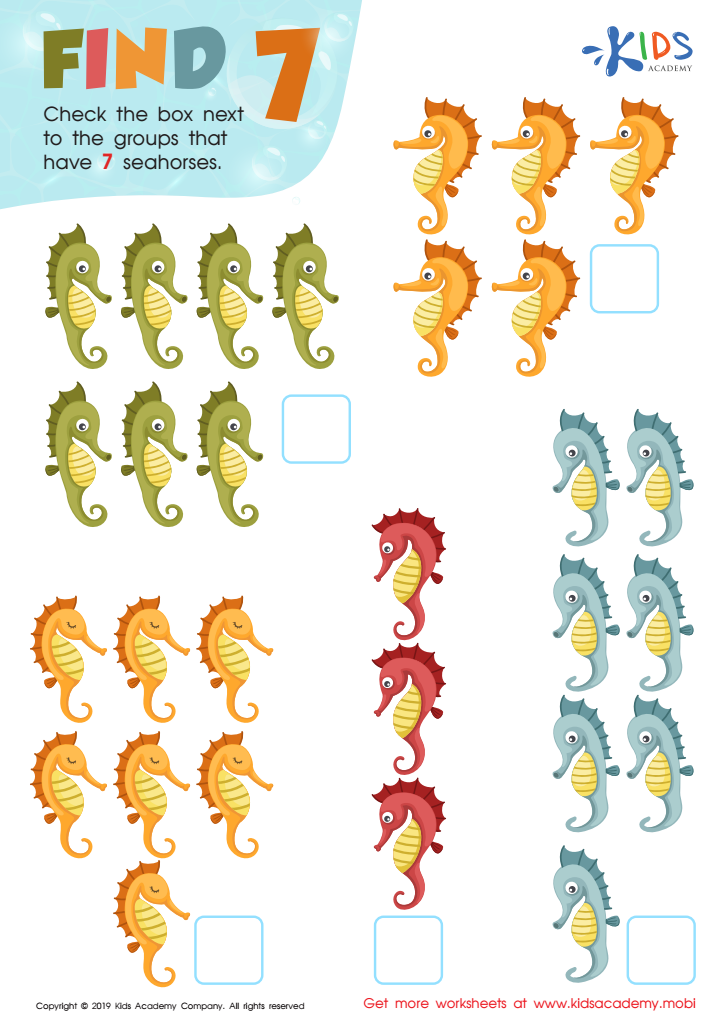
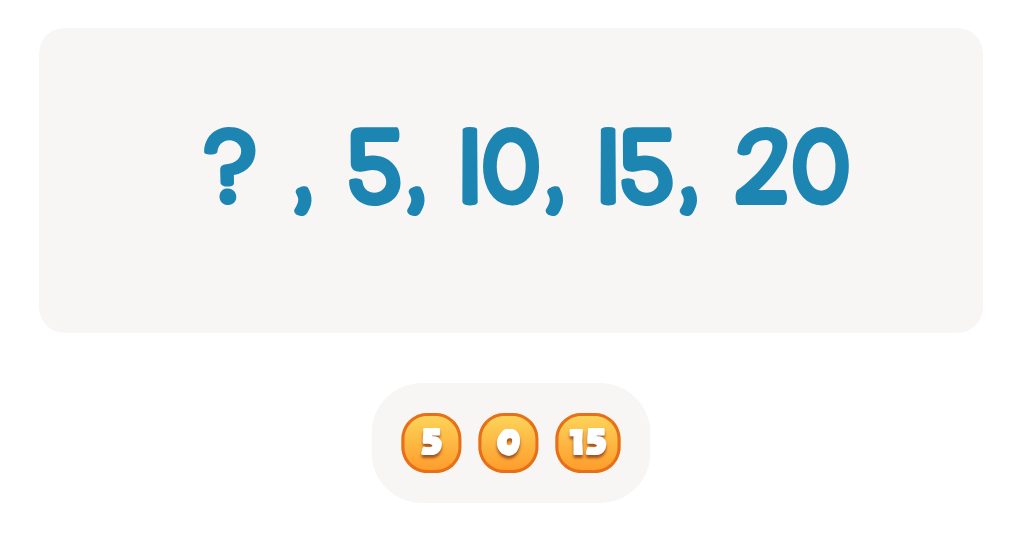
Find 7 Worksheet
 Assign to My Students


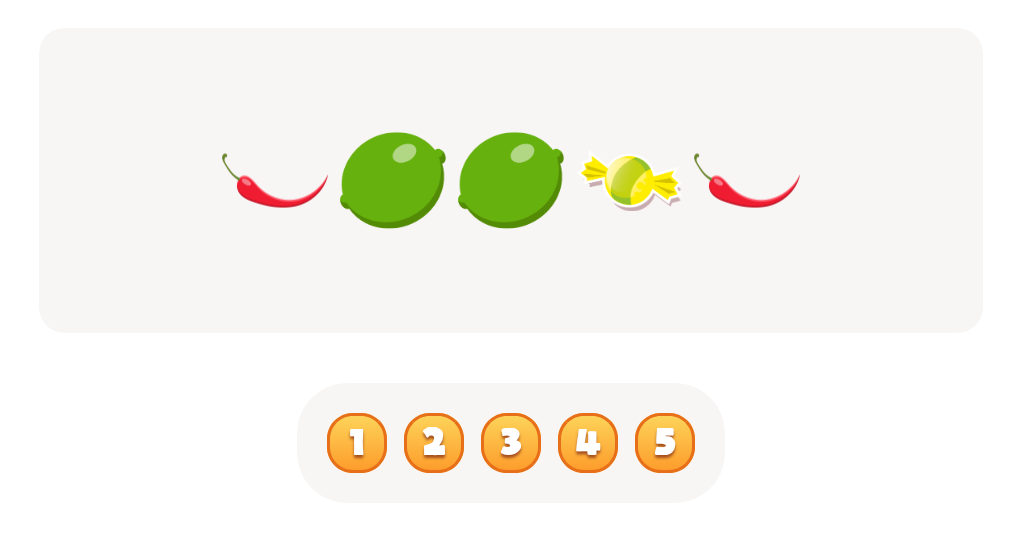
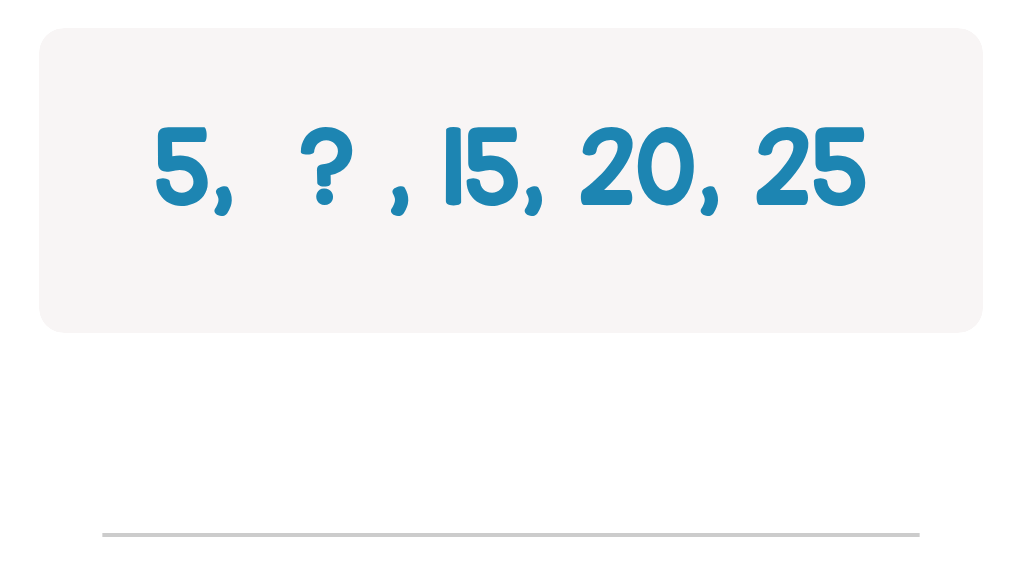
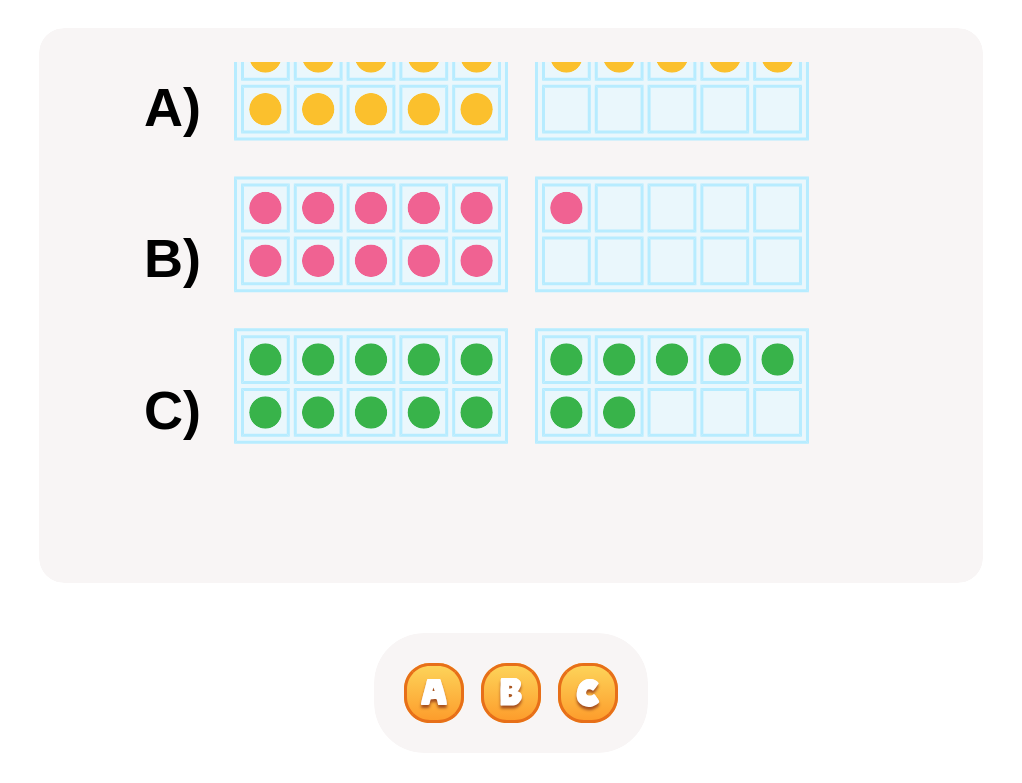
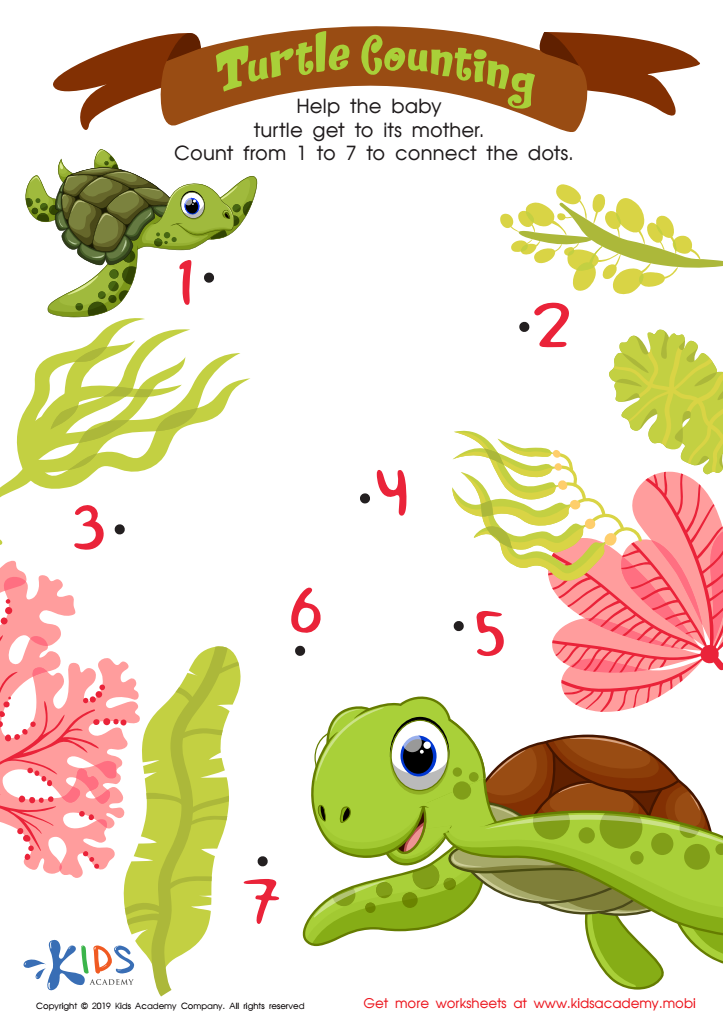
Turtle Counting Worksheet
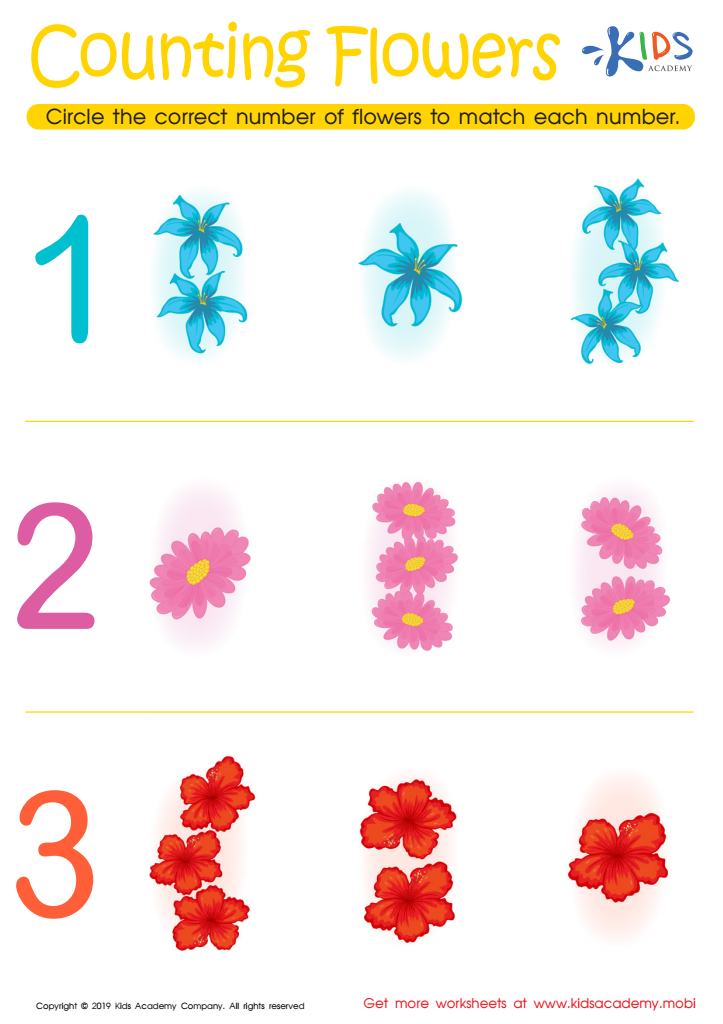
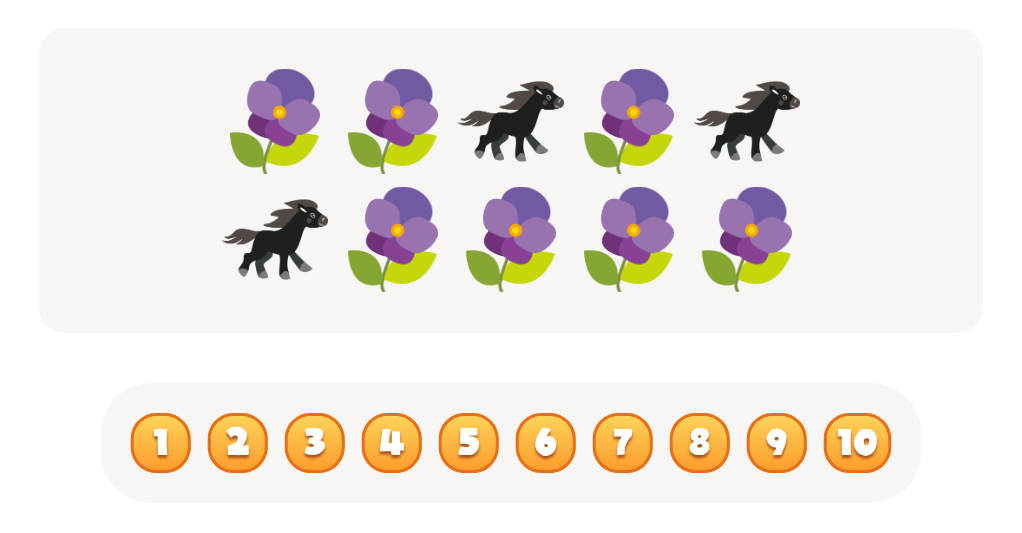
Counting Flowers Worksheet
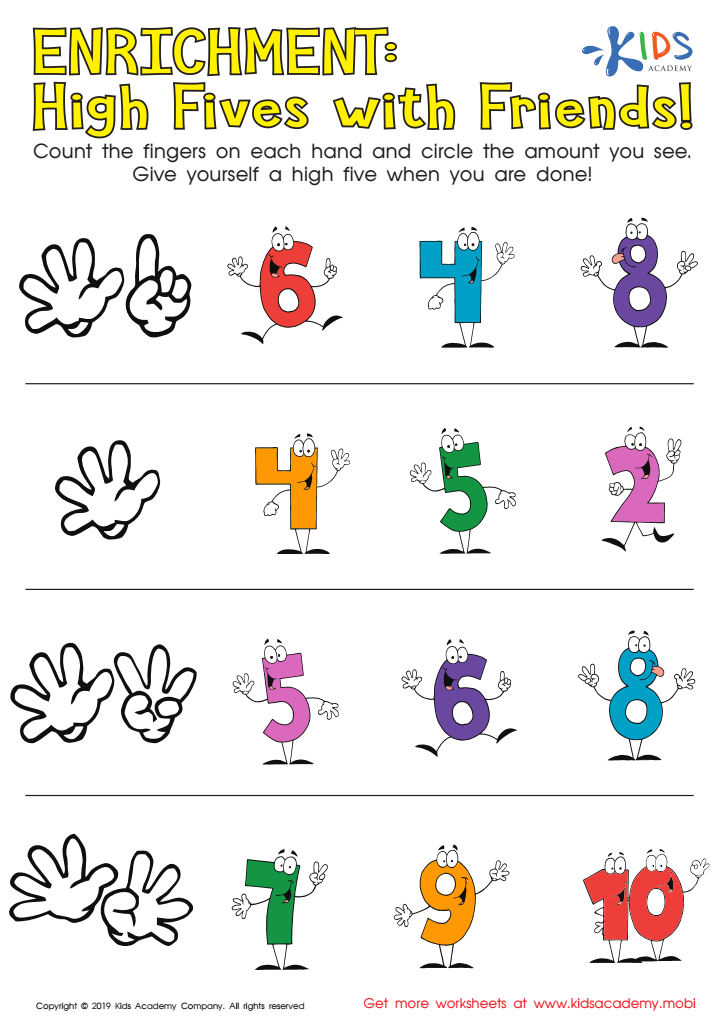
Enrichment: High Fives with Friends! Worksheet
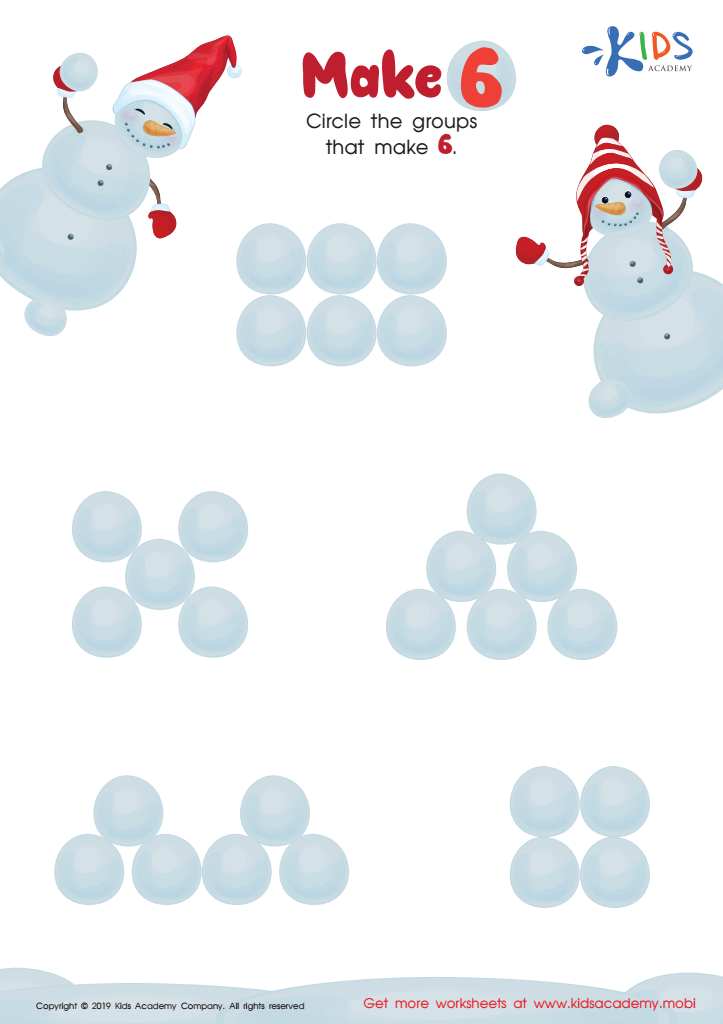
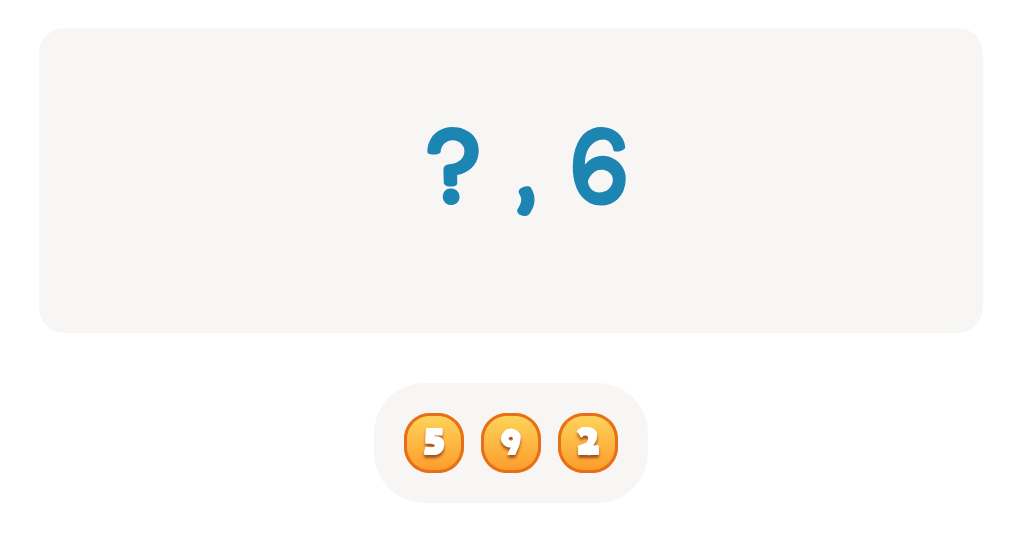
Make 6 Worksheet
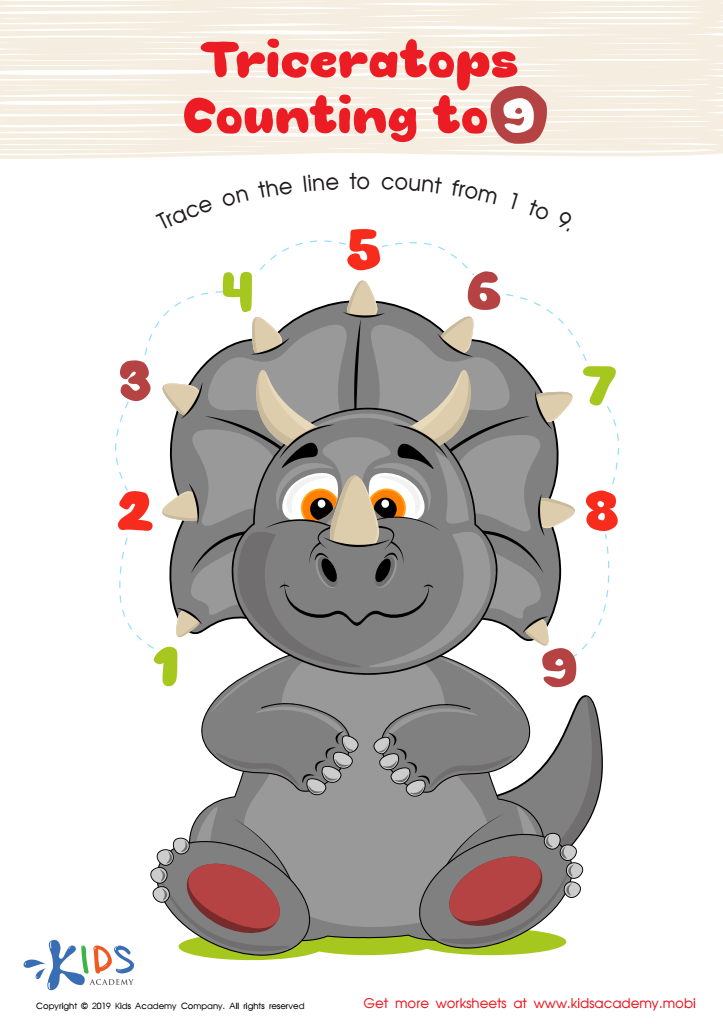
Triceratops Counting to 9 Worksheet







Number recognition and easy counting are foundational skills in early childhood education, especially for ages 4-7. These skills lay the groundwork for higher mathematical learning and everyday tasks. When children can recognize numbers, they begin to understand the concept of quantity, which is essential for more complex mathematical operations like addition, subtraction, and eventually, multiplication and division.
Parents and teachers should care about these early math skills because they build confidence and reduce anxiety around numbers and calculations. Mastery of number recognition and counting helps children to easily progress to patterns, sequencing, and problem-solving activities which form the core competencies in STEM (Science, Technology, Engineering, and Math) subjects.
Also, numeracy in early childhood correlates with long-term academic success. When children comfortably recognize and count numbers, they are more likely to excel in elementary school math and other subjects requiring logical thinking and precision.
Moreover, early counting provides practical life skills. From counting toys and snacks to understanding time and money, these daily applications make math relevant and engaging. Early interactive experiences involving numbers—such as counting stairs, toys, or ingredients during play or cooking—invite natural curiosity, making learning enjoyable.
Incorporating number recognition and counting in early education ensures that children build a strong foundation, critical for academic achievement and functional efficiency in their future lives.








