Vocabulary enhancement Easy Elementary Phonics Worksheets for Ages 4-8
3 filtered results
-
From - To
Dive into vocabulary enhancement with our Easy Elementary Phonics Worksheets, designed for children aged 4-8. These engaging printables build foundational language skills through playful activities and exercises. Aligned with early learning standards, they focus on letter recognition, word formation, and pronunciation, providing young learners with the essential tools for language development. Enhance your child's vocabulary in a fun, interactive way, supporting their journey towards fluent reading and writing. Perfect for both classroom and home use, these worksheets make learning enjoyable and effective, fostering a love for reading from an early age. Explore our comprehensive collection today!
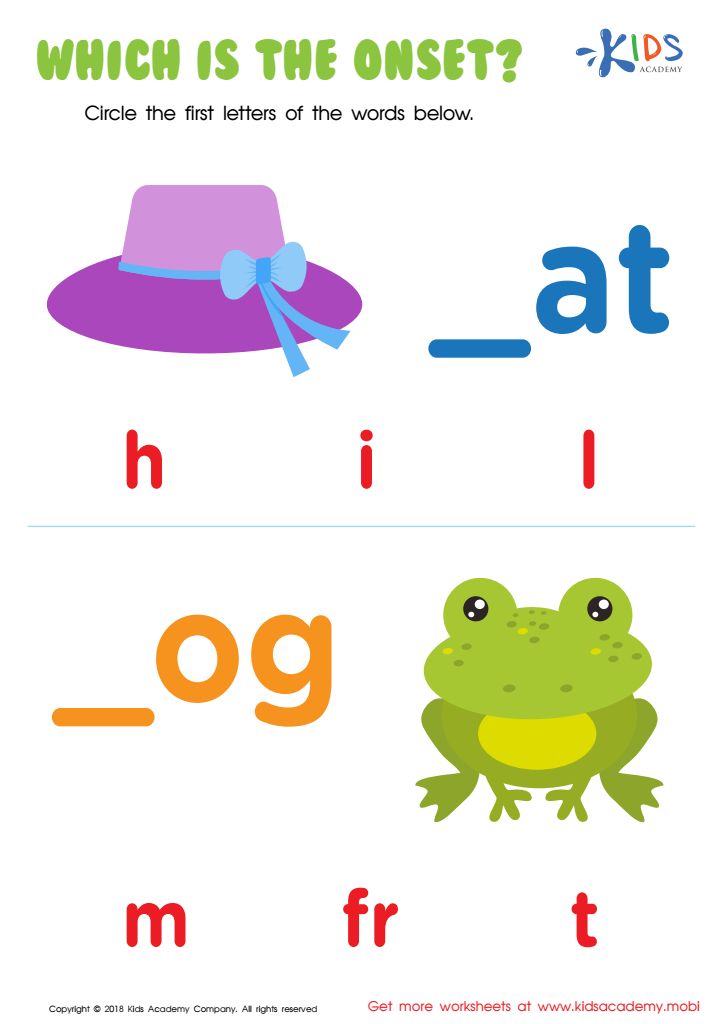
Which Is the Onset? Worksheet
 Assign to My Students
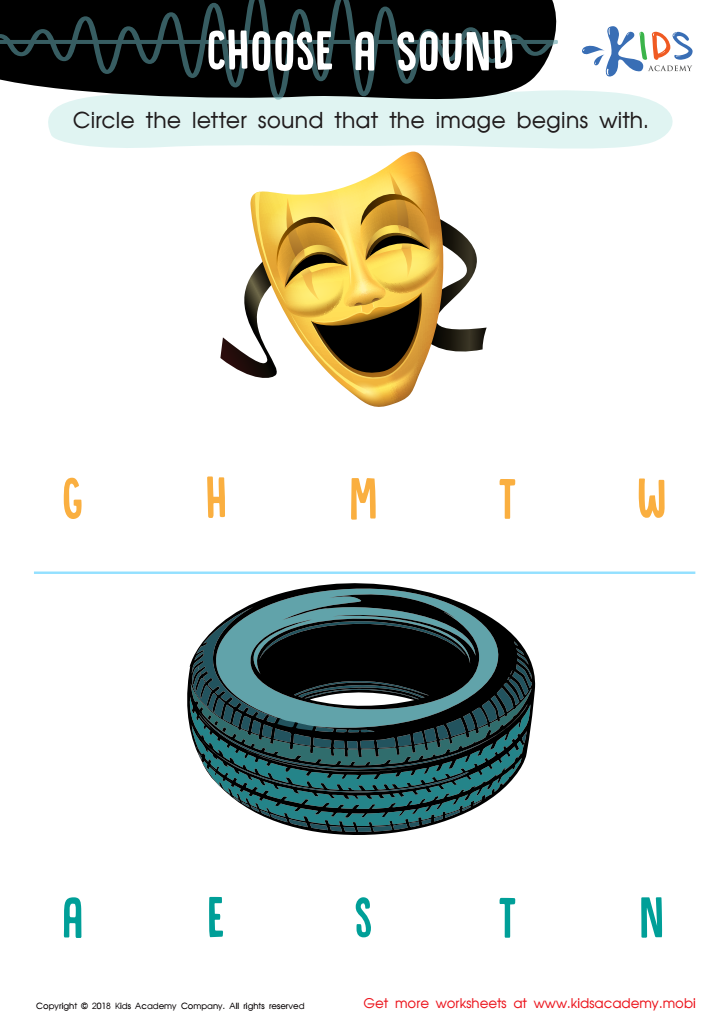
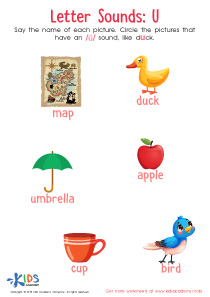
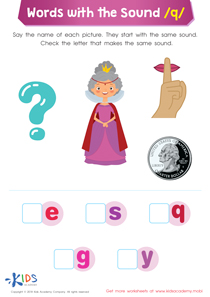
Choose a Sound Worksheet
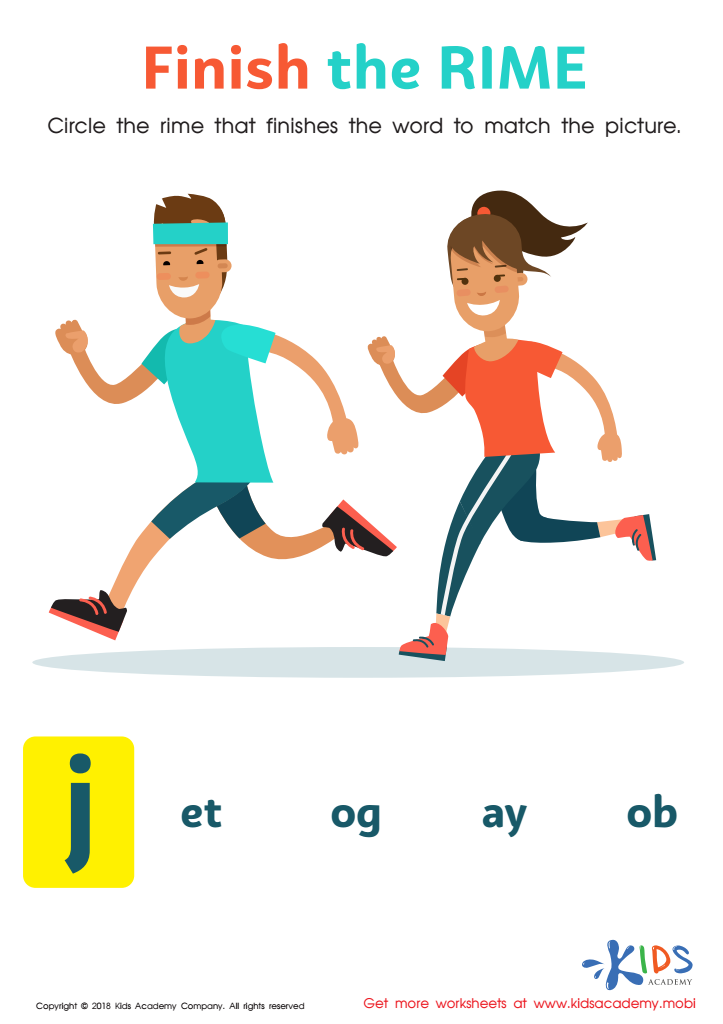
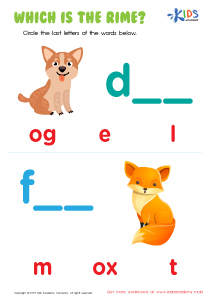
Finish the Rime Worksheet




Vocabulary enhancement through phonics for children ages 4-8 is foundational for their linguistic development and academic success. During these vital early years, children’s brains are especially receptive to learning language. Phonics, which connects sounds to written symbols, creates a strong basis for reading skills.
When children expand their vocabulary through phonics, they grasp the sounds that letters and combinations of letters make. This skill is essential not only for reading fluency but also for mastering spelling and pronunciation. Phonics enhances their ability to decode new words, expanding their word bank effortlessly over time.
A rich vocabulary improves comprehension across subjects. With a larger word repository, children understand stories, instructions, and questions better, aiding their overall learning process. Additionally, it empowers them to express themselves more clearly and confidently. Solid vocabulary skills also correlate with academic success later on, as children apply them in more complex subjects and higher-grade reading materials.
Moreover, learning vocabularies systematically through phonics makes the process enjoyable and engaging, fostering a love for reading and learning. Consequently, early phonics education sets the groundwork for a lifetime of curiosity, effective communication, and academic achievement, making it essential for parents and teachers to prioritize this aspect in early education.