Hand-eye Coordination Easy Alphabet Worksheets for Ages 4-8
3 filtered results
-
From - To
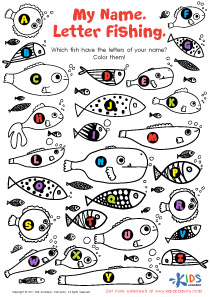
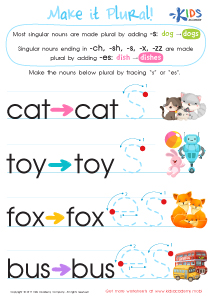
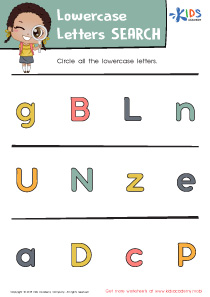
Discover our Hand-eye Coordination Easy Alphabet Worksheets, designed for children ages 4-8. These engaging activities blend fun and education, helping young learners improve hand-eye coordination while mastering the alphabet. Each worksheet includes colorful visuals and exercises tailored to develop fine motor skills, promote letter recognition, and boost early literacy foundations. Perfect for preschool and early grade students, these printables offer a delightful way for kids to practice tracing, drawing, and matching letters. Parents and teachers will love this resource for its ability to make learning enjoyable and effective. Start your child on the path to reading success today!
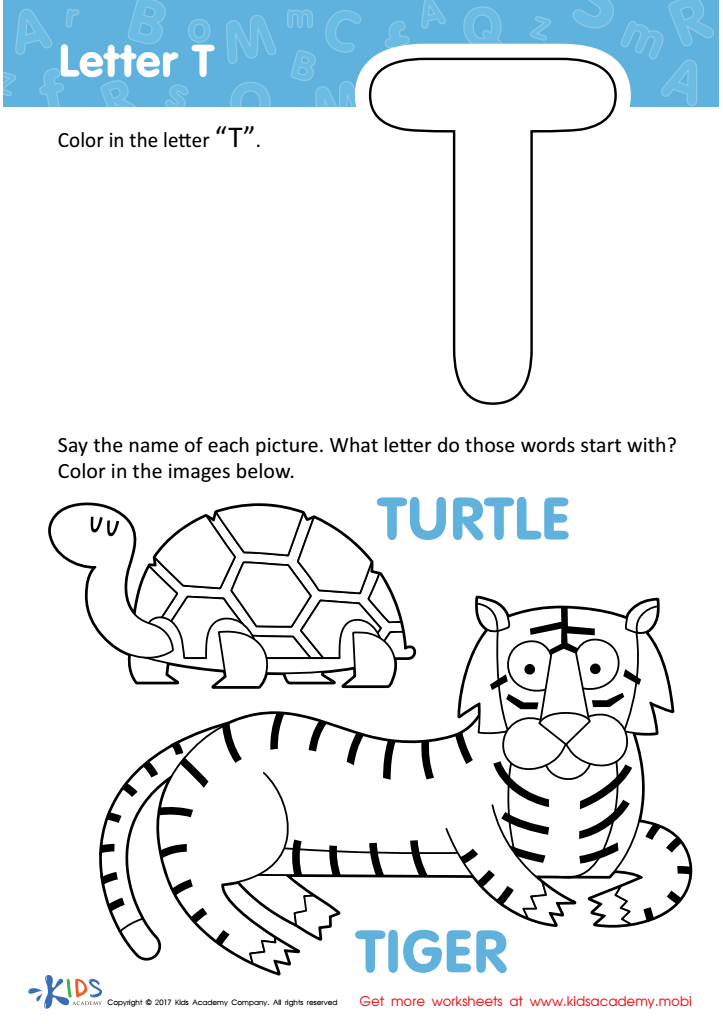
Letter T Coloring Sheet
 Assign to My Students
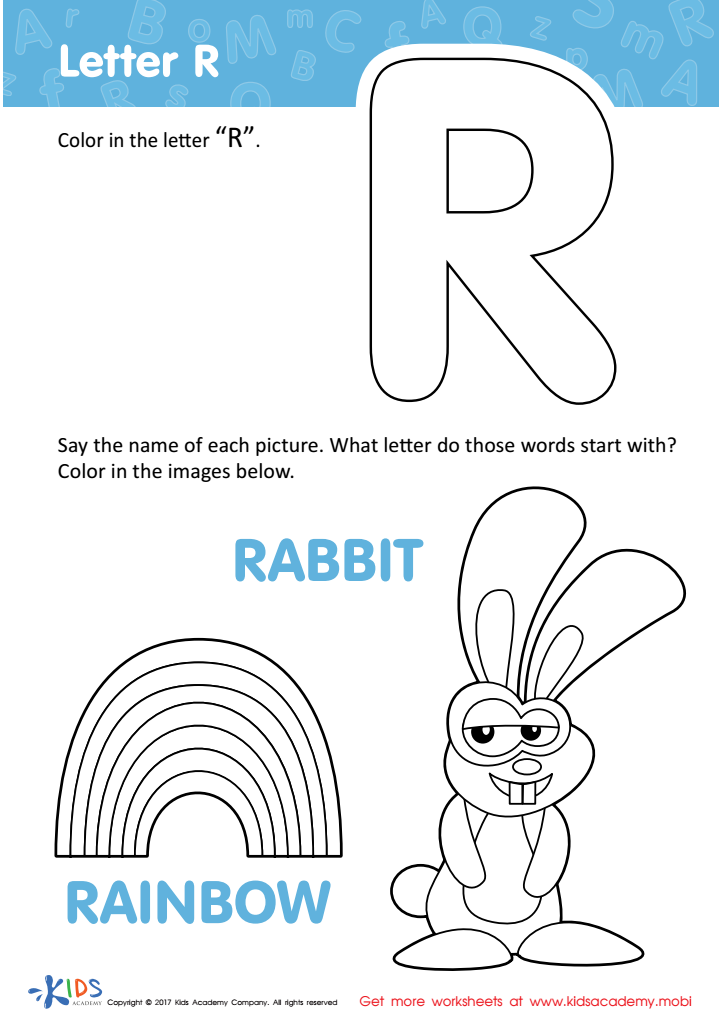
Letter R Coloring Sheet
Assign to My Students
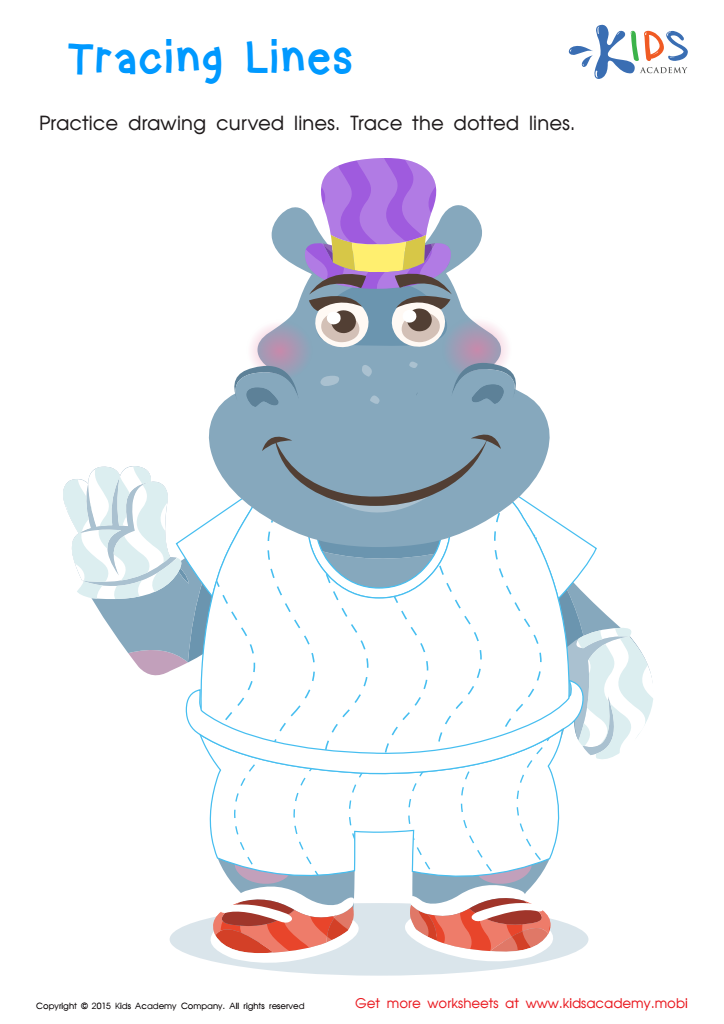
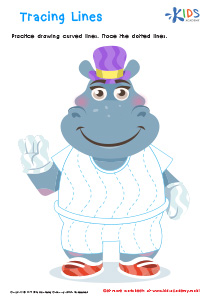
Tracing Lines Worksheet







Hand-eye coordination is a crucial developmental skill for children, especially between the ages of 4-8. At this stage, their brains are rapidly growing, and activities that promote hand-eye coordination can significantly impact their overall cognitive and motor development.
Engaging in Hand-eye Coordination Easy Alphabet activities offers multiple benefits. First, it aids in the development of fine motor skills, enabling children to perform tasks like writing, cutting, and buttoning clothes more efficiently. As they trace, draw, or manipulate alphabet letters, their hand muscles strengthen and become more dexterous.
Second, these activities can enhance learning and academic performance. Understanding and recognizing letters forms the foundation for literacy. Children who practice alphabet exercises are more likely to become proficient readers and writers early on. This can lead to a greater love for learning and academic success in later years.
Moreover, such activities can improve concentration and focus. As children engage in precise tasks, they learn to pay attention to detail, follow instructions, and develop patience. These are essential skills not only for academic success but for everyday tasks and problem-solving.
In sum, parents and teachers should care about Hand-eye Coordination Easy Alphabet activities because they develop essential motor skills, support early literacy, and enhance cognitive abilities. This holistic development ultimately prepares children for a lifetime of learning and independence.