Alphabet Recognition Easy Letter Recognition Worksheets for Ages 4-8
5 filtered results
-
From - To
Discover our engaging Alphabet Recognition worksheets designed specifically for children ages 4-8! These easy-to-use resources support young learners in mastering letter recognition through colorful, interactive activities that make learning fun. Each worksheet focuses on essential skills such as identifying letters, matching uppercase and lowercase versions, and strengthening fine motor skills through tracing and coloring. Perfect for at-home learning or classroom use, our worksheets encourage repetitive practice and boost confidence in early literacy skills. Download these printable worksheets today and watch your child’s alphabet knowledge flourish! Unlock their potential with enjoyable, effective learning tools tailored for growing minds.
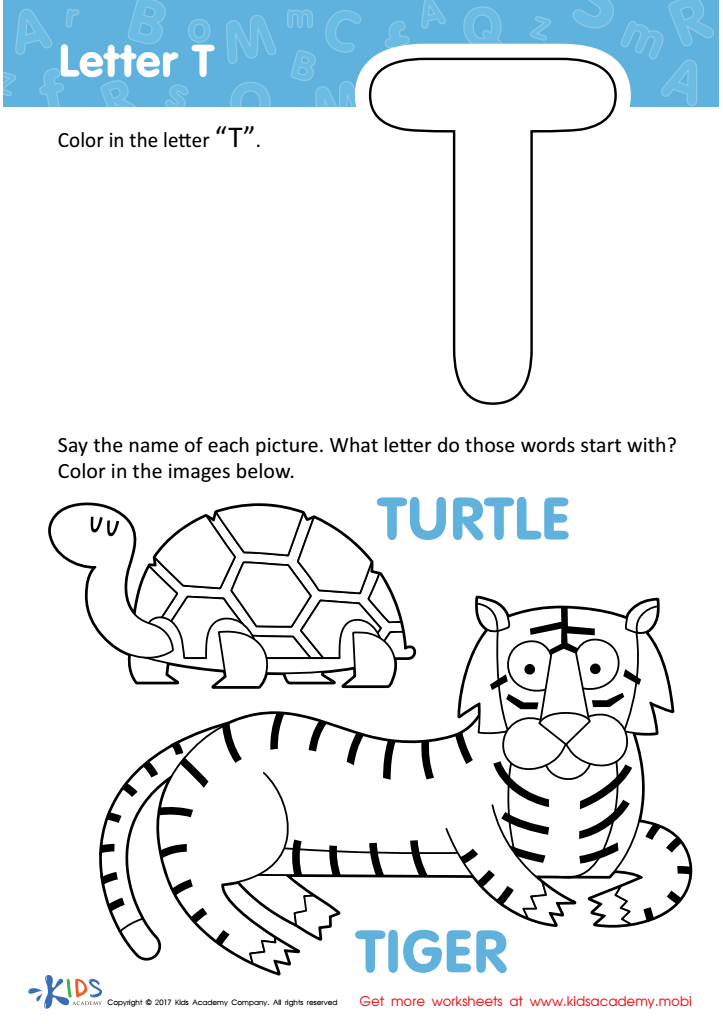
Letter T Coloring Sheet
 Assign to My Students
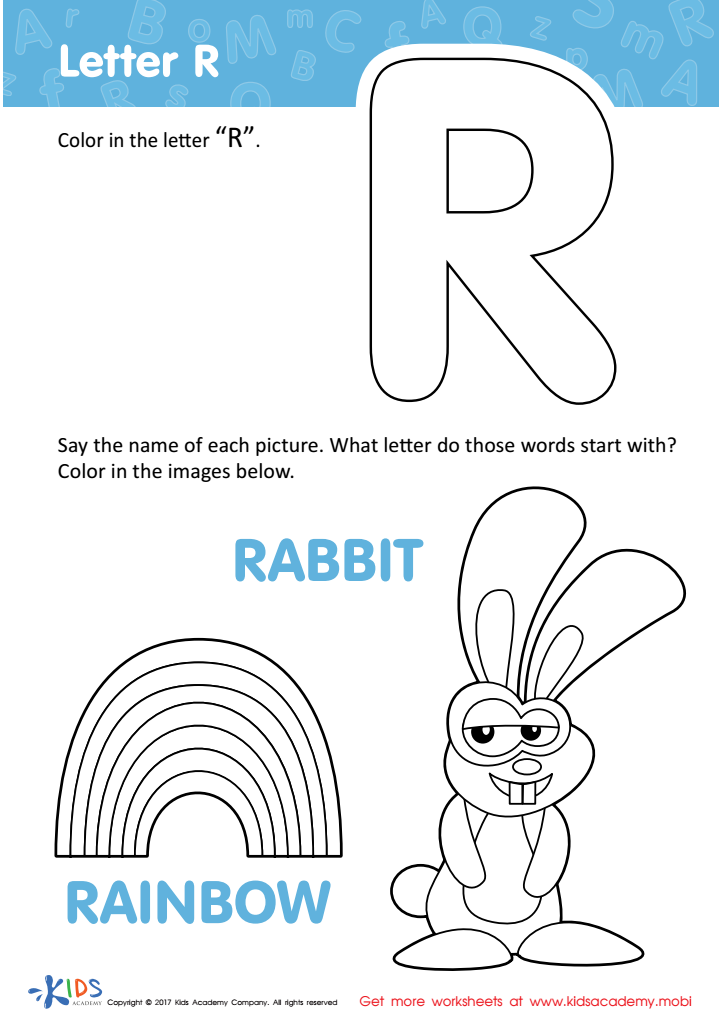
Letter R Coloring Sheet
Assign to My Students
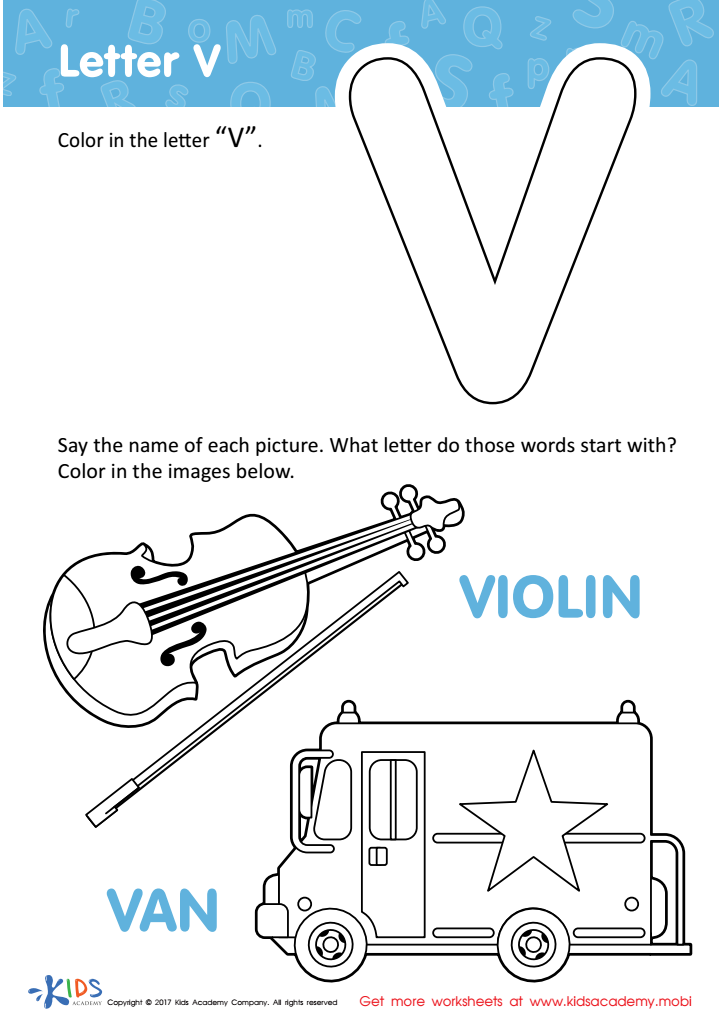
Letter V Coloring Sheet
Assign to My Students
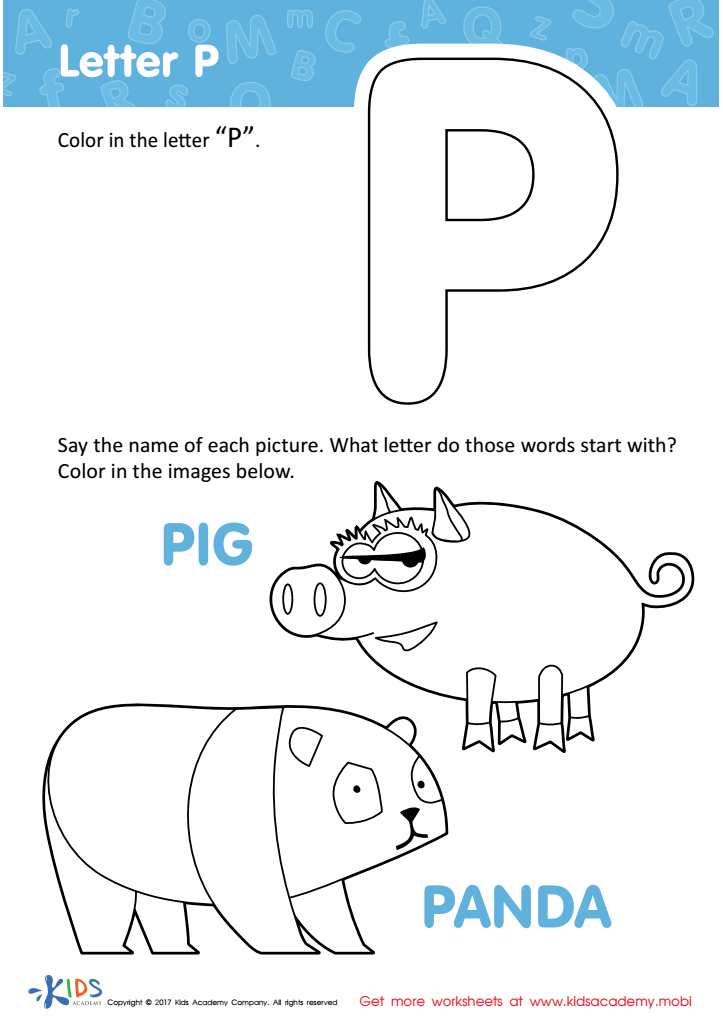
Letter P Coloring Sheet
Assign to My Students
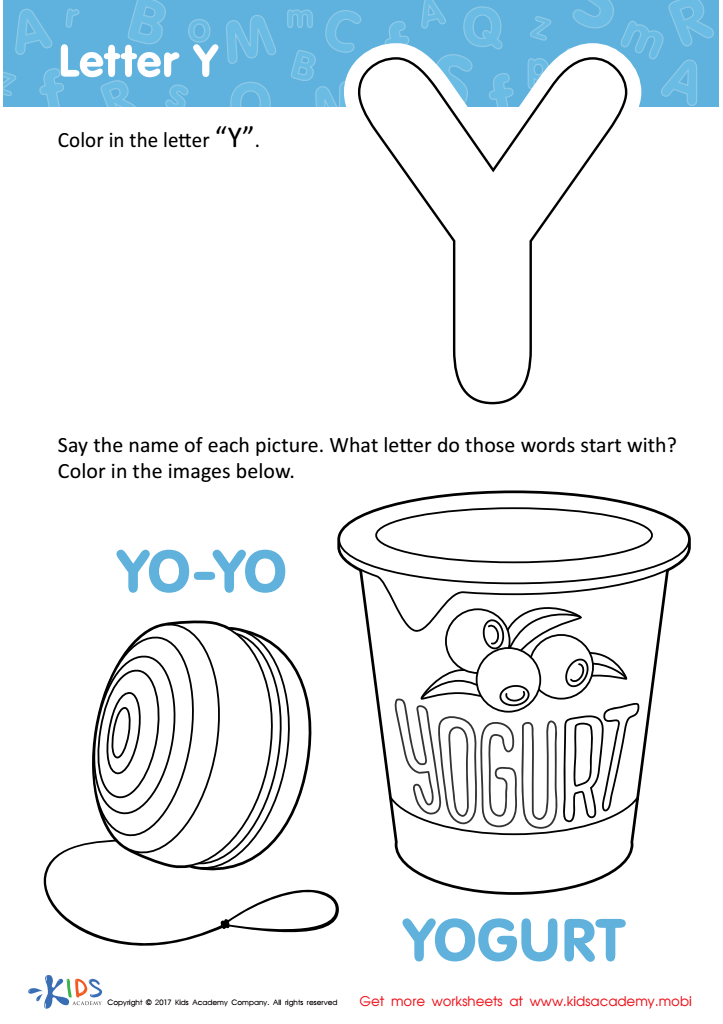
Letter Y Coloring Sheet
Assign to My Students








Alphabet recognition is a foundational skill for early literacy development, essential for children aged 4-8 as they begin their educational journey. Recognizing letters helps kids decode written words, making reading more accessible and enjoyable. When parents and teachers focus on easy letter recognition, they equip children with the tools to understand the sounds that correspond to each letter, facilitating phonemic awareness—a critical component of reading proficiency.
Moreover, mastering the alphabet builds confidence. Children who can recognize letters are more likely to participate in reading activities and discussions, reinforcing their engagement and enthusiasm for learning. This early capability promotes positive relationships with literacy, leading to a lifelong love of reading and writing.
Additionally, alphabet recognition is intertwined with communication skills. As children learn to recognize and articulate letters, they enhance their vocabulary and verbal skills, contributing to better overall academic performance.
Finally, supporting letter recognition encourages social interaction, as children often learn collaboratively through games and activities. For parents and teachers, investing time and resources into facilitating alphabet recognition lays the groundwork for successful literacy experiences, fostering a thriving learning environment that empowers children to progress confidently in their educational pursuits.