Filters

6 filtered results

Clear all filters
Favorites
With answer key
Interactive

6 filtered results

Difficulty Level

Grade


Welcome to "Vocabulary Enhancement Easy English for Beginners Worksheets"! Specifically designed for children aged 4-8, these engaging worksheets provide a fun and interactive way to build vocabulary skills for young learners, particularly those acquiring English as a second language. Our colorful activities help children recognize new words, improve comprehension, and enhance language development through exciting exercises. From word matching to picture associations, each worksheet promotes learning in a playful environment. Parents and educators can use this resource to support vocabulary growth and confidence in young learners. Discover the joy of language building with our easy-to-use, effective worksheets today!

Check out this FREE Trial Lesson on English for Beginners for age 4-8!

Body Parts

Favorites
With answer key
Interactive
  • 4-8
  • Vocabulary enhancement
  • English for Beginners
  • Easy
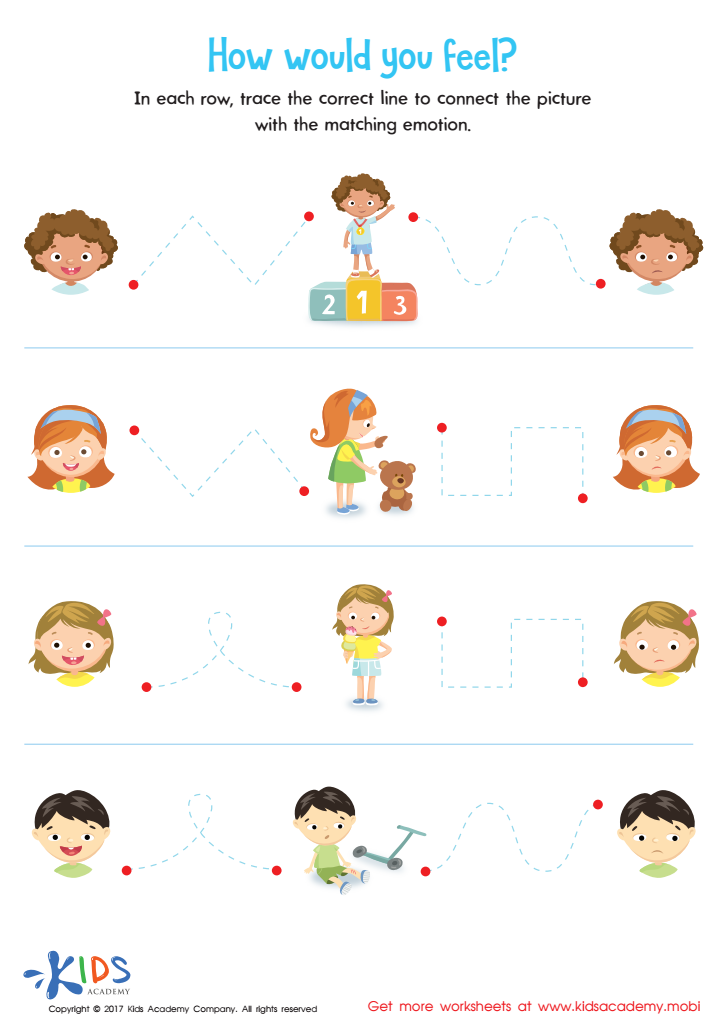
Feelings and emotions worksheet

Feelings and Emotions Worksheet

Kids must learn how to deal with situations and handle their own emotions. This worksheet helps them practice empathy and resilience, making them more self-aware and confident. It also helps them to relate their life experiences to common disappointments and develop coping mechanisms.
Feelings and Emotions Worksheet
Worksheet
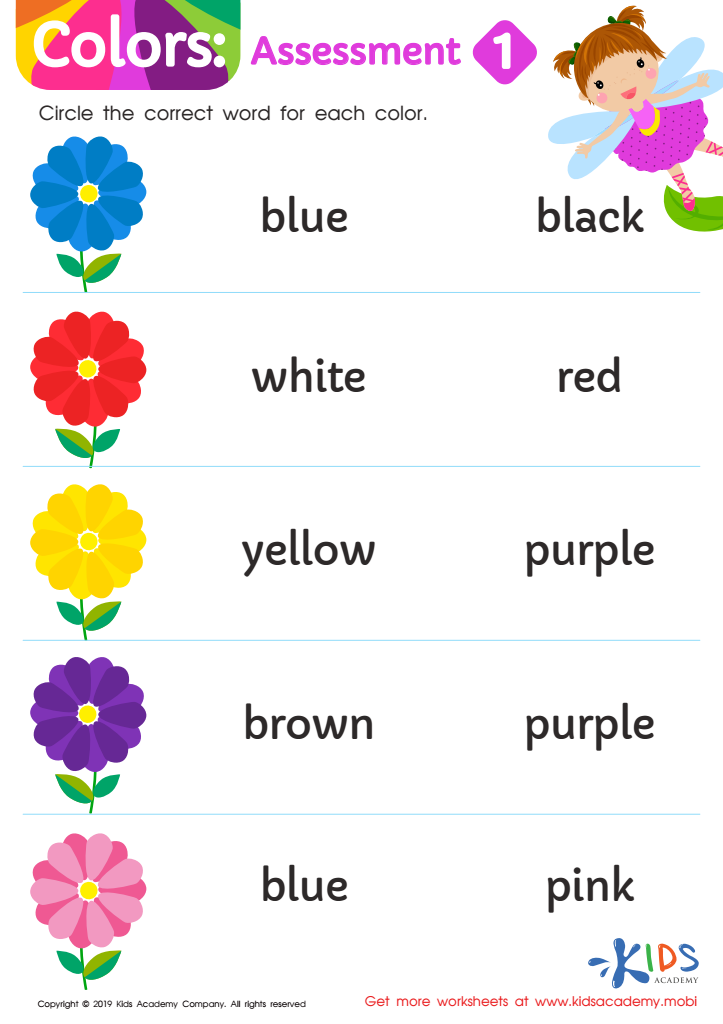
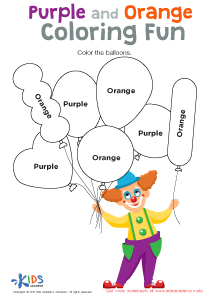
Colors: Assessment 1 Worksheet

Colors: Assessment 1 Worksheet

Children can decode unfamiliar words by sounding them out or by recognizing sight words. Color words are an important part of sight word knowledge, so add them to your child's list! This color word worksheet is an effective assessment tool for teachers to use with preschool and kindergarten students. It checks their knowledge of five color words - they simply look at the flower and circle the appropriate color word!
Colors: Assessment 1 Worksheet
Worksheet
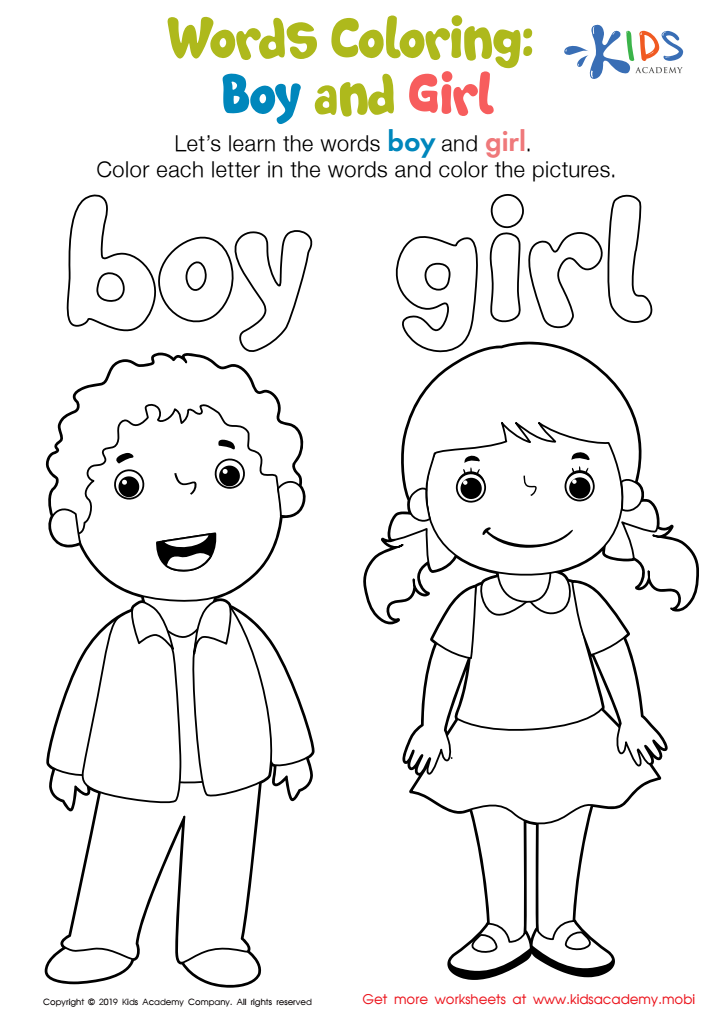
Boy and Girl Words Coloring Worksheet

Boy and Girl Words Coloring Worksheet

Help your students build their sight word vocabulary! Early readers may not be able to sound out all words, so this worksheet teaches them to read two important sight words: boy and girl. They will color the letters and a picture of each, making it a fun and educational way to learn. Download the PDF now.
Download (PDF)
Assign to My Students
Boy and Girl Words Coloring Worksheet
Worksheet
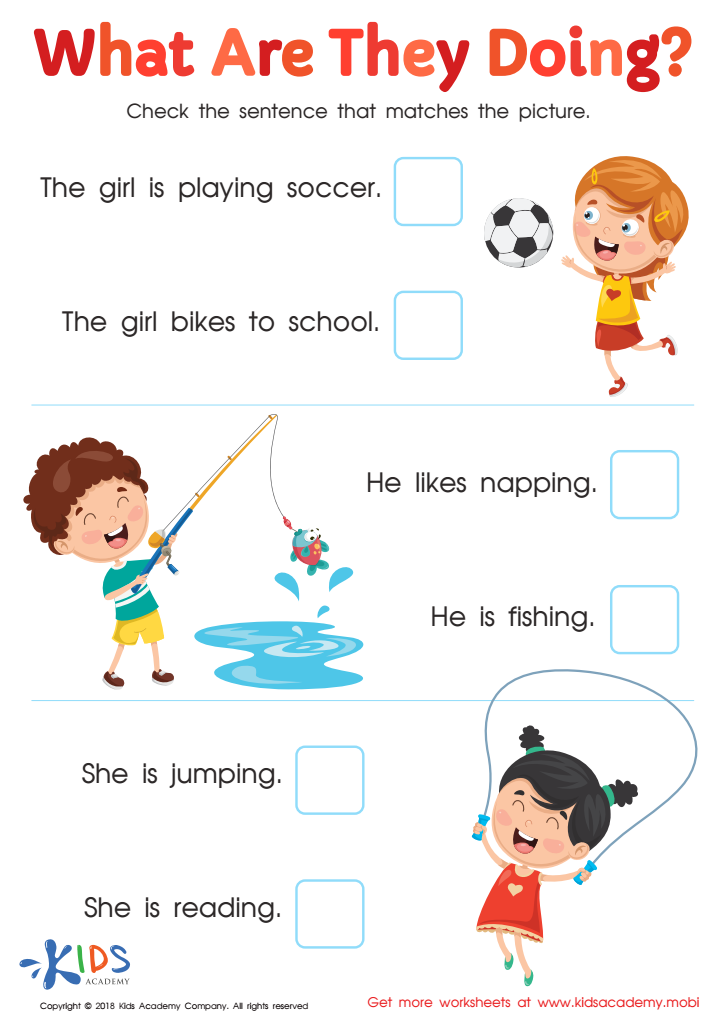
What Are They Doing? Worksheet

What Are They Doing? Worksheet

Look at the pdf with your child and ask which activities they like. Ask them to match the pictures with the sentences. Read the sentences aloud and help them check the right answers. Encourage them to talk about what they see in the pictures. It's a great way to help them learn.
What Are They Doing? Worksheet
Worksheet
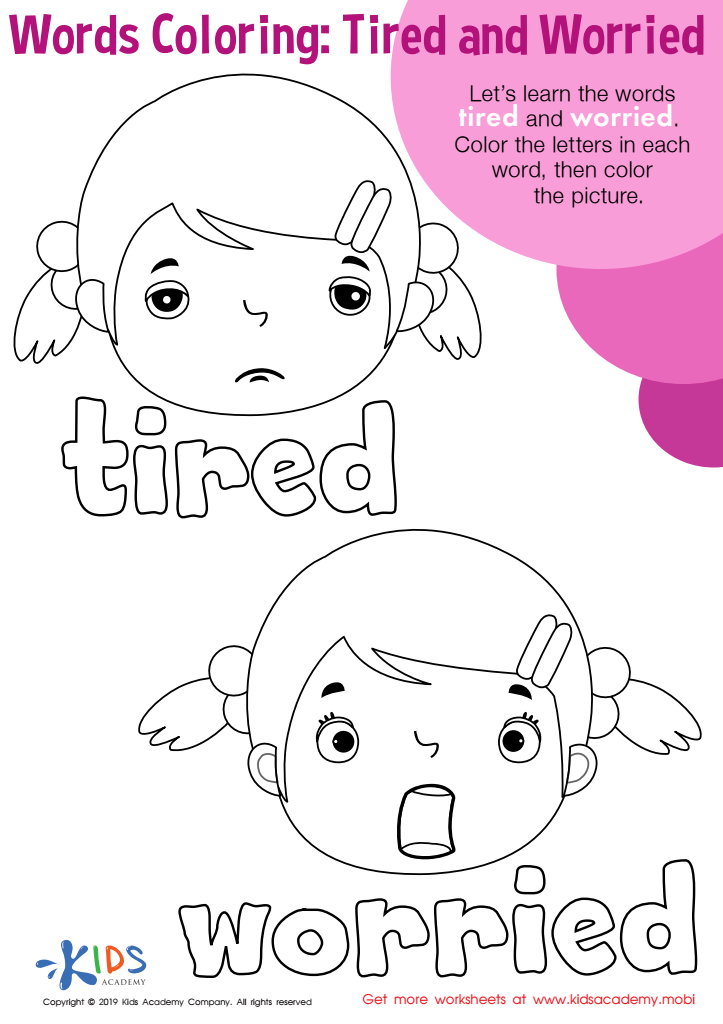
Tired and Worried Words Coloring Worksheet

Tired and Worried Words Coloring Worksheet

Teach your students about "tired" and "worried" with this worksheet. Have them read and color the emotion words, then color the pictures of a tired girl and a worried girl. Discuss what makes them tired and worried. Expand their vocabulary with this fun coloring activity!
Download (PDF)
Assign to My Students
Tired and Worried Words Coloring Worksheet
Worksheet
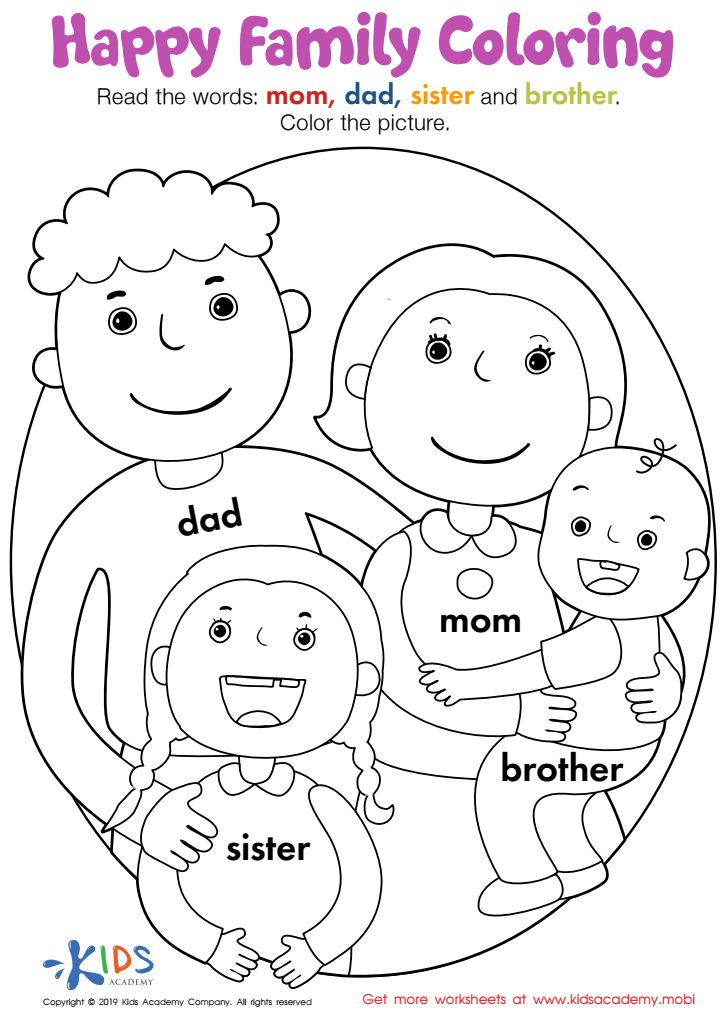
Happy Family Coloring Worksheet

Happy Family Coloring Worksheet

Help your students gain confidence in family vocabulary with this worksheet. Labelled images of a family (dad, mom, sister, brother) are featured, along with an accompanying activity to colour in the picture. Your students will feel a sense of accomplishment after reading and completing the printable.
Download (PDF)
Assign to My Students
Happy Family Coloring Worksheet
Worksheet


Parents and teachers should prioritize vocabulary enhancement through Easy English for beginners, especially for children aged 4-8, as it lays the foundation for effective communication, literacy development, and overall cognitive growth. In early childhood, vocabulary is directly linked to reading comprehension and academic success. A rich vocabulary allows children to express their thoughts, feelings, and ideas, fostering confidence and social skills.

Additionally, vocabulary development aids in language acquisition, helping children make sense of their environment and interact meaningfully with others. Engaging with age-appropriate materials, such as stories, songs, and interactive games, introduces new words in a fun, memorable way, promoting enthusiasm for learning.

Furthermore, strong vocabulary skills are essential in cultivating critical thinking and problem-solving abilities. Early exposure to diverse words enhances children's imaginative play and creativity, as they have the verbal tools to explore and describe their experiences.

Incorporating vocabulary enhancement into daily activities not only enriches children's linguistic capabilities but also strengthens the bond between caregivers and children through shared learning experiences. Thus, investing time in vocabulary development significantly benefits children's intellectual and emotional growth, setting the stage for lifelong learning.