Observational skills Easy Worksheets for Ages 4-8
5 filtered results
-
From - To
Enhance your child's observational skills with our engaging and easy worksheets, designed specifically for ages 4-8. These fun and colorful printables help young learners develop critical abilities such as attention to detail, pattern recognition, and memory. Our worksheets feature a variety of activities including spot the difference, matching, and finding hidden objects, ensuring that learning is both enjoyable and effective. Perfect for use at home or in the classroom, these resources support cognitive development and promote a lifelong love of learning. Download now to provide your child with the tools needed for early academic success.
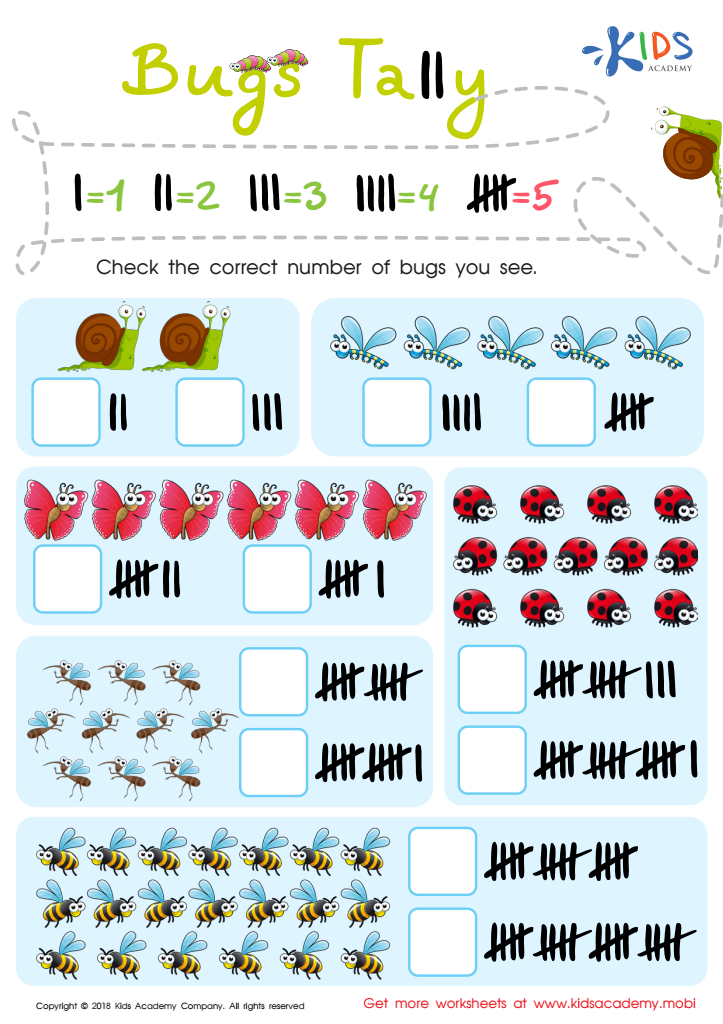
Bugs Tally Worksheet
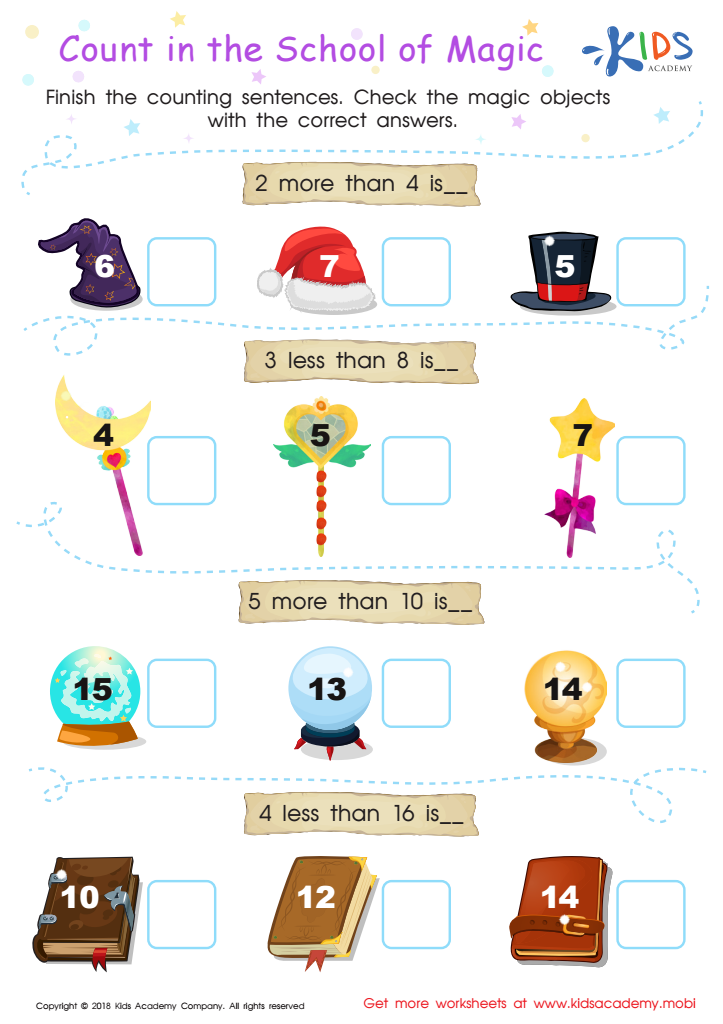
Count in the School of Magic Worksheet
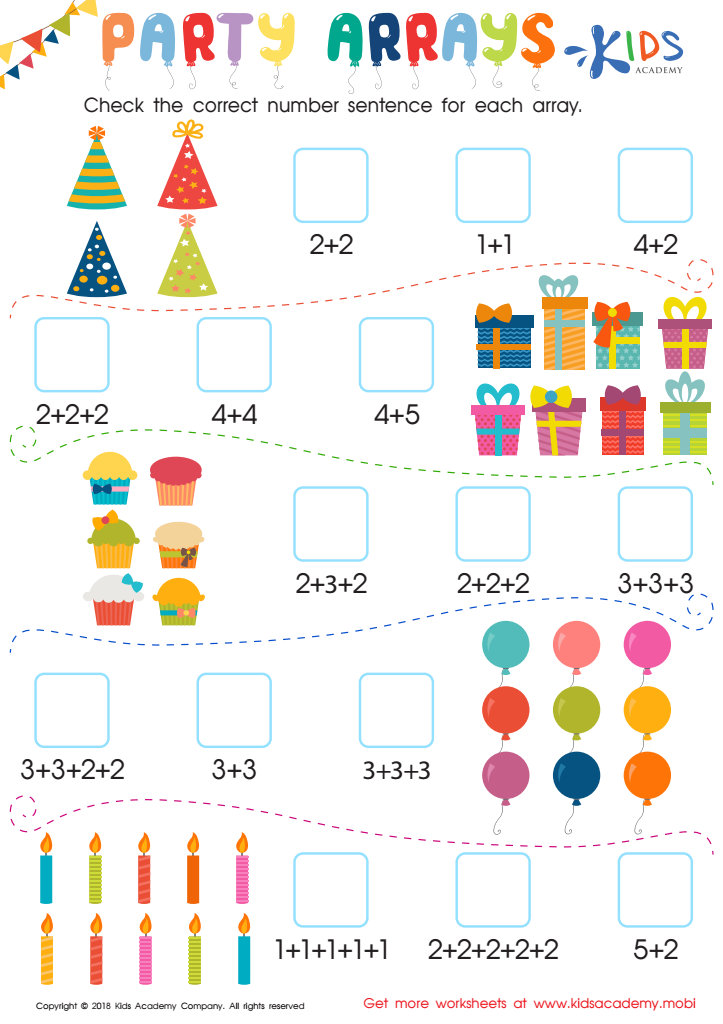
Party Arrays Worksheet
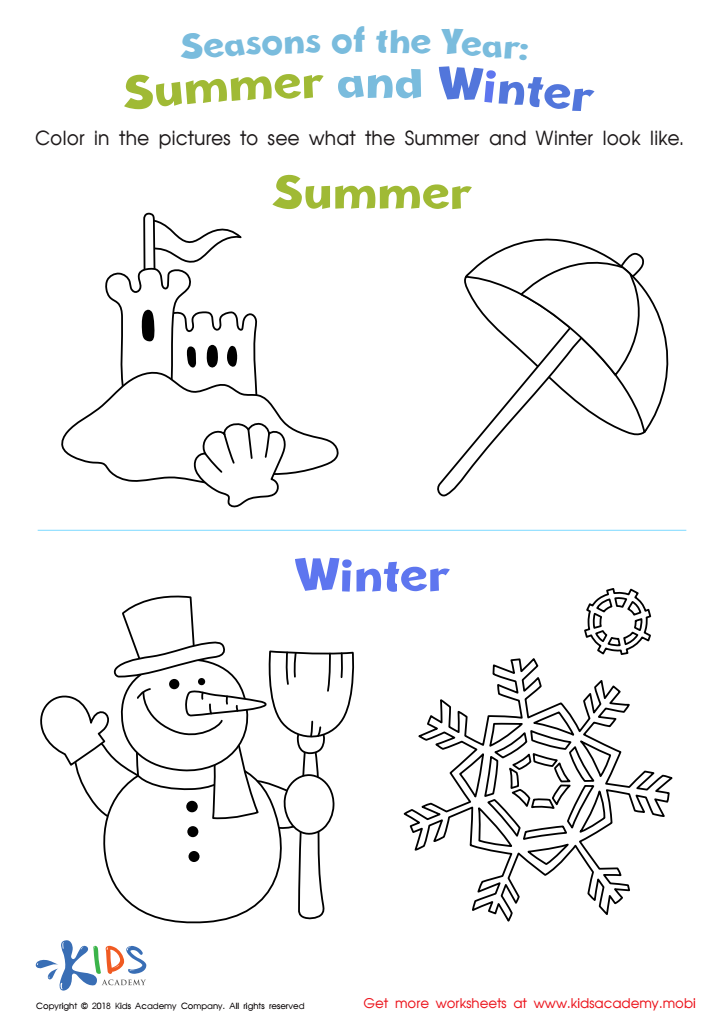
Summer and Winter Worksheet
 Assign to My Students
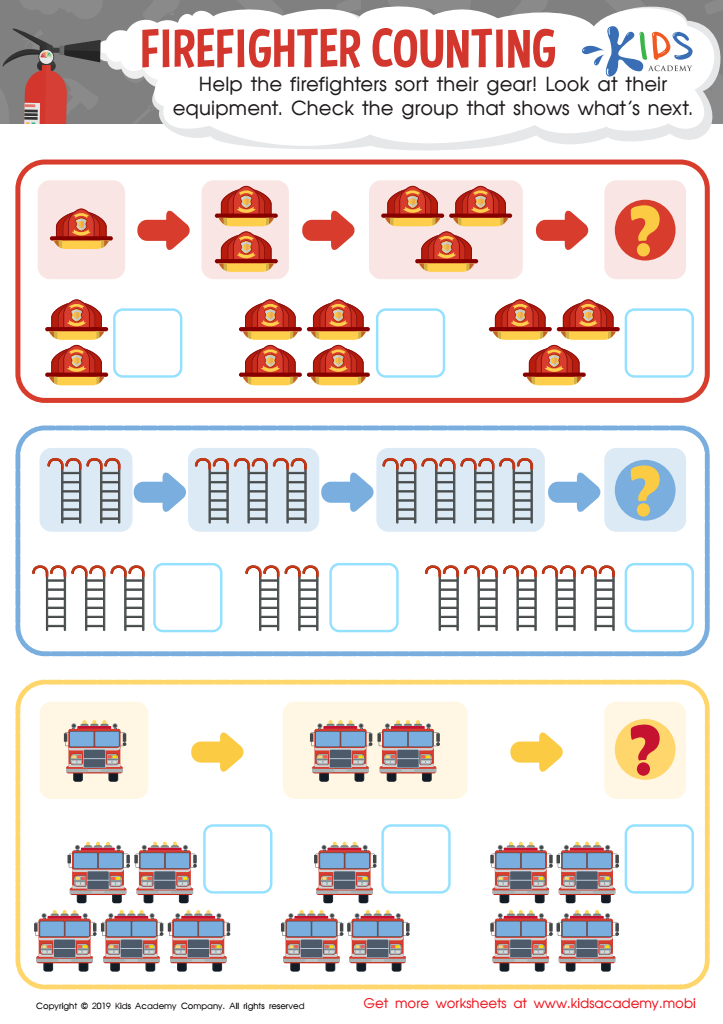
Firefighter Counting Worksheet








Observational skills are crucial for children aged 4-8 for several reasons. During these formative years, kids are like little sponges, absorbing information quickly and forming foundational understandings about the world around them. Observational skills help them make sense of their surroundings, enhancing their learning experiences.
Firstly, honing observational skills improves critical thinking. When children pay attention to details, they learn to compare, contrast, and analyze, which are essential precursors to more complex problem-solving abilities. Secondly, being observant boosts creativity as children use their detailed observations to fuel their imagination and creativity, leading to richer storytelling and artistic skills.
Thirdly, observational skills are vital for social development. Noticing social cues, such as tone of voice, body language, and facial expressions, helps children understand and respond appropriately to others' emotions, building empathy and strong relationships. Furthermore, good observation helps with early scientific thinking. Simple activities like watching insects in a garden or examining leaves can spark curiosity and lay the groundwork for scientific inquiry.
Lastly, developing observational skills ensures safety. Children who are aware of their surroundings are better equipped to recognize and avoid potential dangers. Therefore, parents and teachers should nurture observational skills, as they’re integral to a child's overall development and success.








