Reading practice Easy Worksheets for Ages 4-8
4 filtered results
-
From - To
Discover our engaging "Reading Practice Easy Worksheets" designed for children ages 4-8! These printable resources offer a fun and effective way to enhance your child's reading skills. Our worksheets are tailored to promote literacy through various activities, including letter recognition, sight words, and simple sentence construction. Each worksheet is age-appropriate, ensuring an enjoyable learning experience that fosters confidence and curiosity in young readers. Ideal for parents and educators alike, our collection reinforces foundational reading skills while capturing kids' interest. Start your child's reading journey today with our easy-to-use worksheets and watch them thrive in their literacy development!
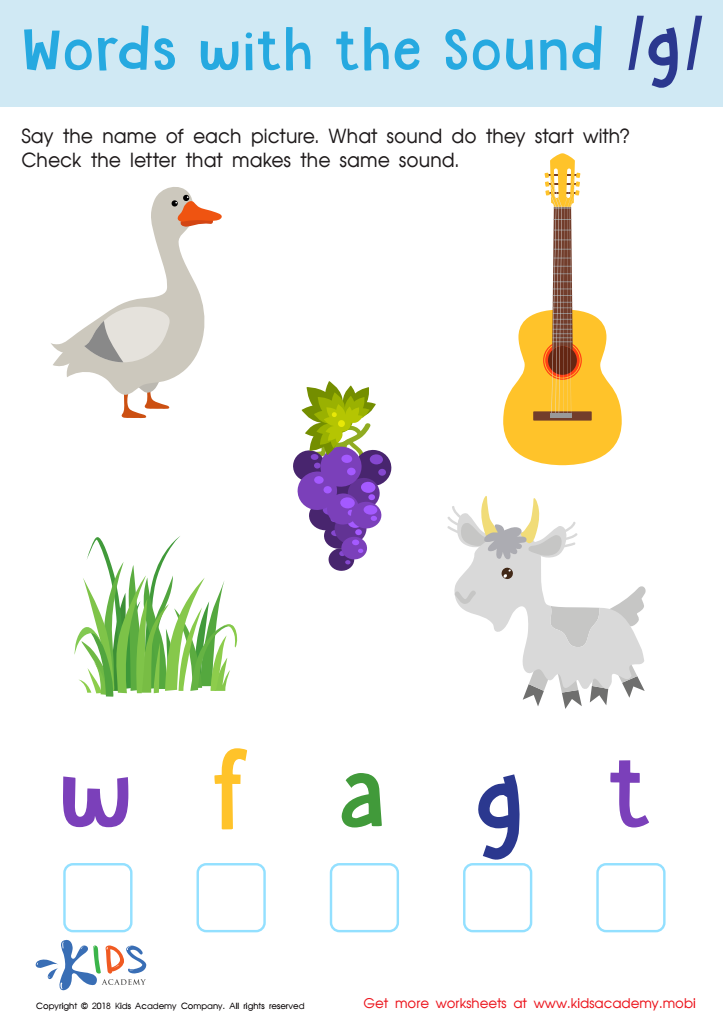
Words with sound g Reading Worksheet
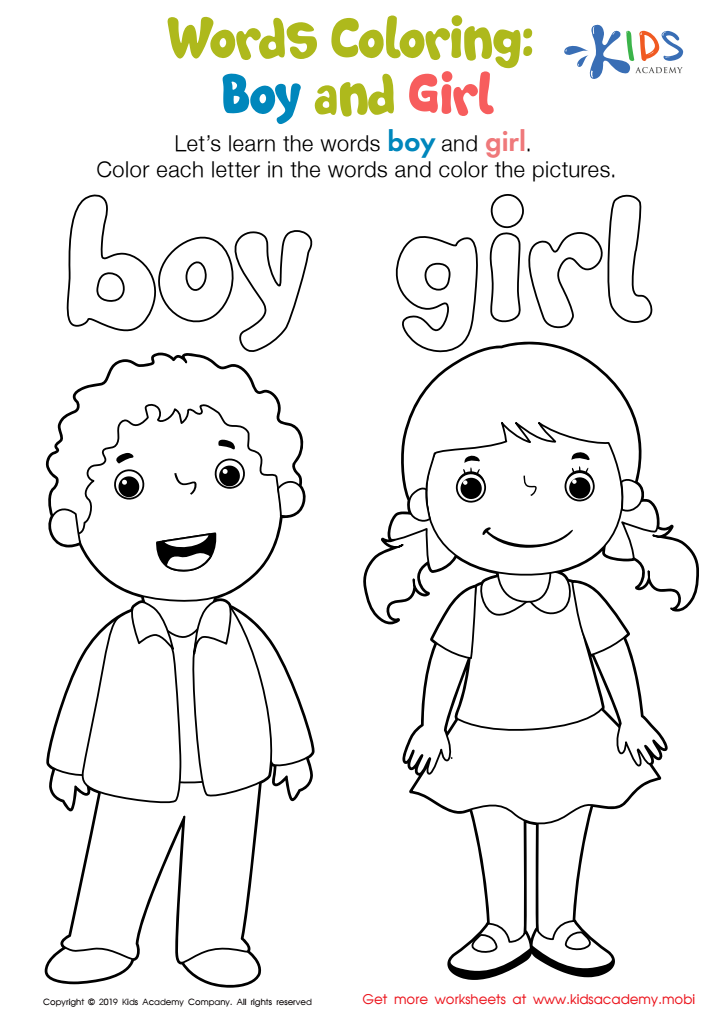
Boy and Girl Words Coloring Worksheet
 Assign to My Students
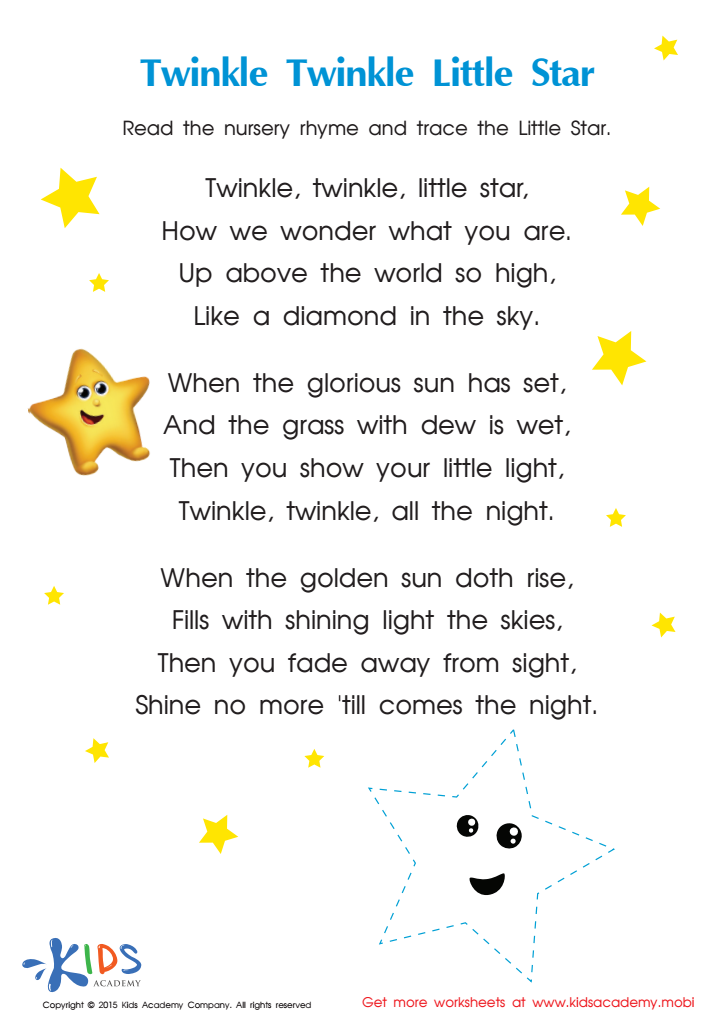
Nursery Rhymes: Twinkle Little Star Worksheet
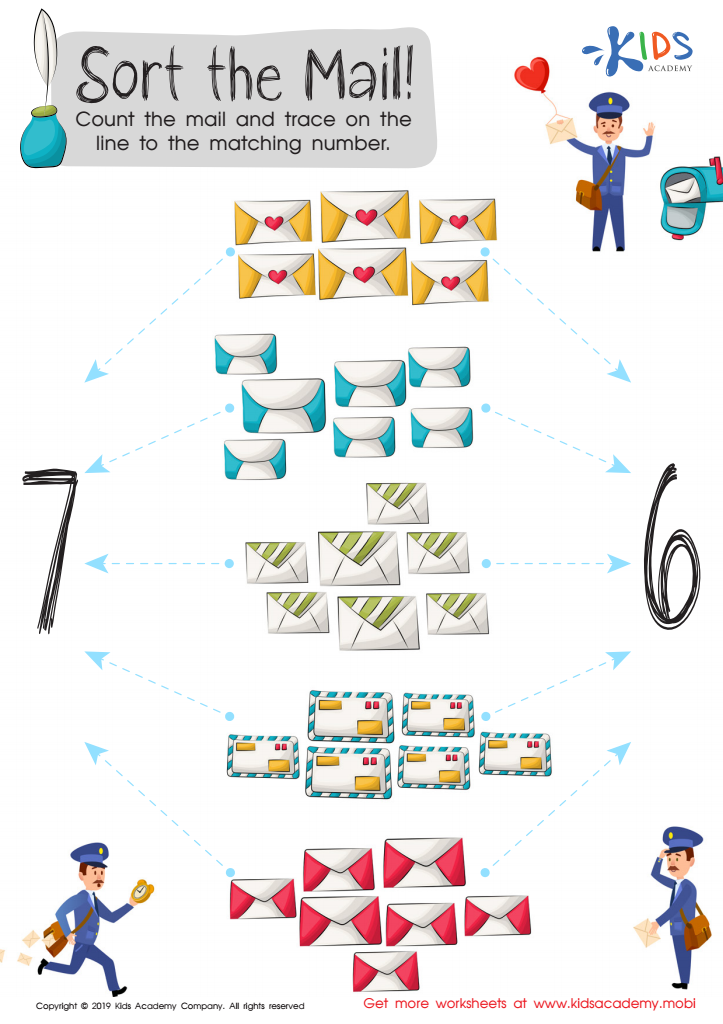
Sort the Mail Worksheet





Reading practice for ages 4-8 is crucial for several reasons that directly impact a child’s development and future success. First, this age period is a foundational time for literacy skills, where children begin to recognize letters, sounds, and words. Regular reading practice fosters these essential skills, enabling children to unlock language and become independent readers.
Moreover, reading enhances vocabulary and comprehension abilities, which are vital for effective communication. As children engage with stories, they encounter new words and ideas, expanding their understanding of the world around them. This practice also significantly advances critical thinking, as children learn to analyze plots and characters.
Additionally, cultivating a love for reading early on can foster lifelong learning habits. It encourages curiosity, creativity, and imagination, essential traits for personal and academic growth. Parents and teachers play a pivotal role in creating a positive reading environment, offering varied choices that cater to children's interests.
Moreover, regular reading practice supports emotional development by helping kids navigate complex emotions through storylines. By actively participating in reading journeys, parents and teachers help children build confidence and a foundation for future learning success, making their support invaluable in this critical developmental phase.








