Number comprehension Easy Addition and Subtraction Word Problems Worksheets for Ages 4-8
4 filtered results
-
From - To
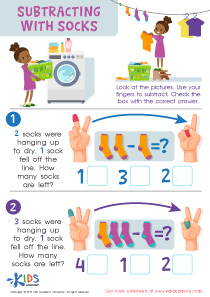
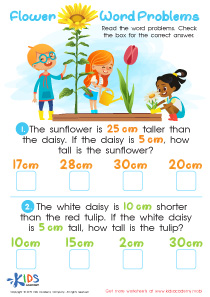
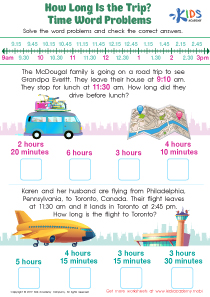
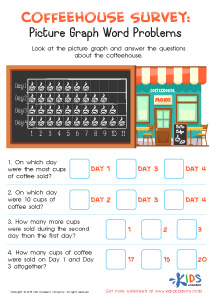
Welcome to our "Easy Addition and Subtraction Word Problems" worksheets designed for children ages 4-8! These engaging and interactive problems help develop number comprehension through relatable scenarios that capture young learners' imaginations. Our worksheets foster essential math skills by challenging kids to think critically and apply their knowledge to real-life situations. Each activity encourages children to practice solving simple addition and subtraction problems, enhancing their problem-solving abilities while building confidence in their math skills. Perfect for classroom or home learning, these resources support early literacy in math and ensure a solid foundation for future mathematical understanding. Get started today!
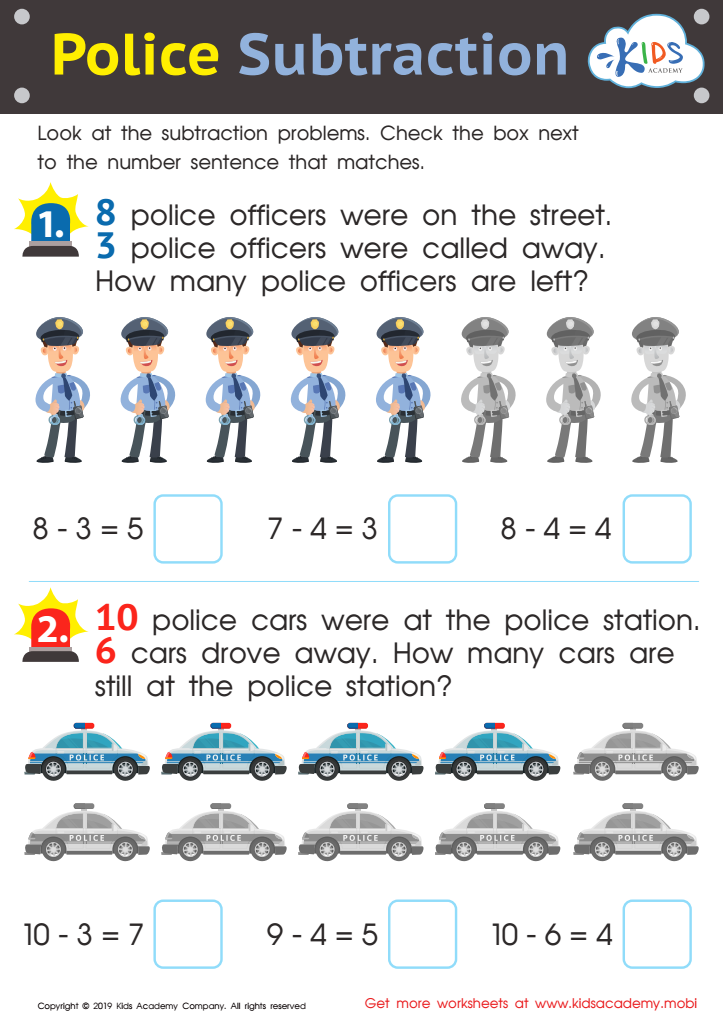
Police Subtraction Worksheet
 Assign to My Students
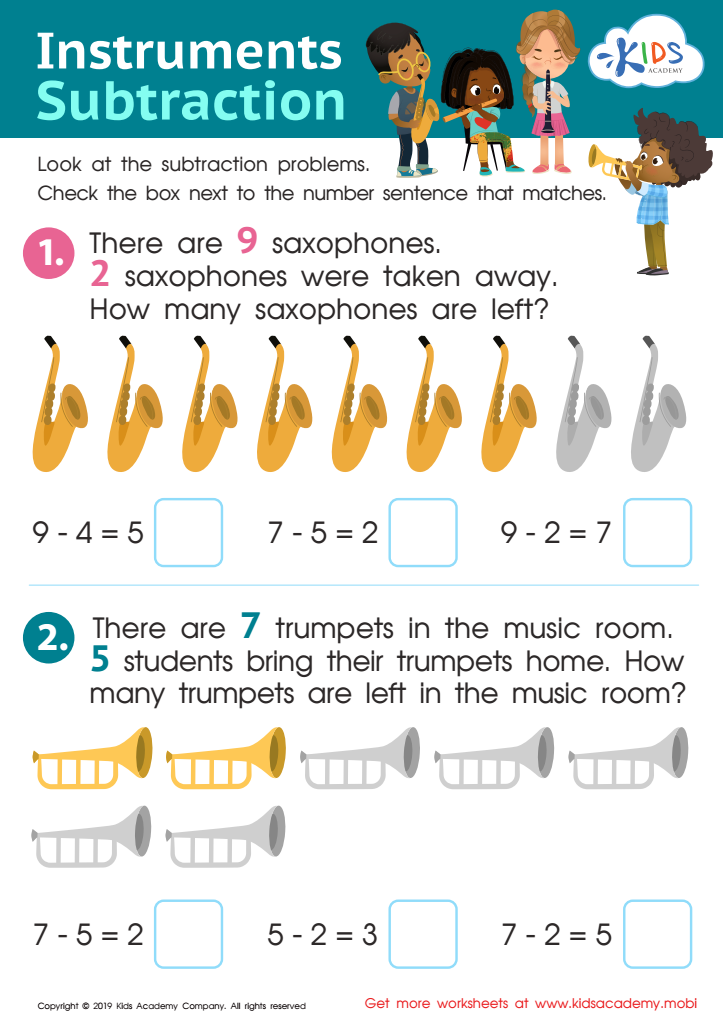
Instrument Subtraction Worksheet
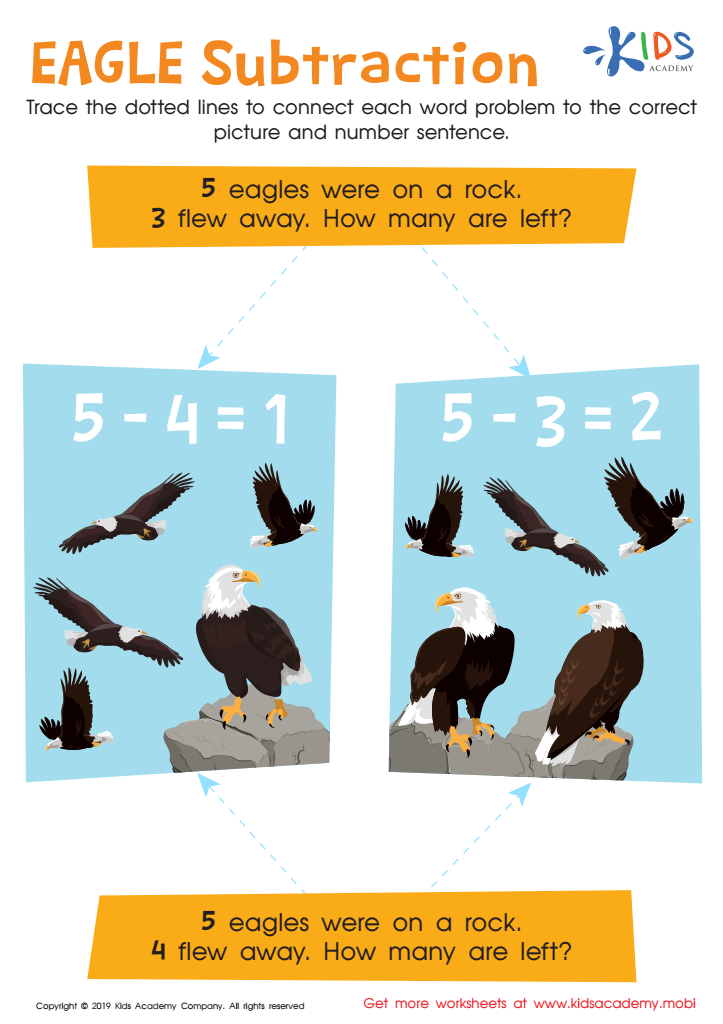
Eagle Subtraction Worksheet
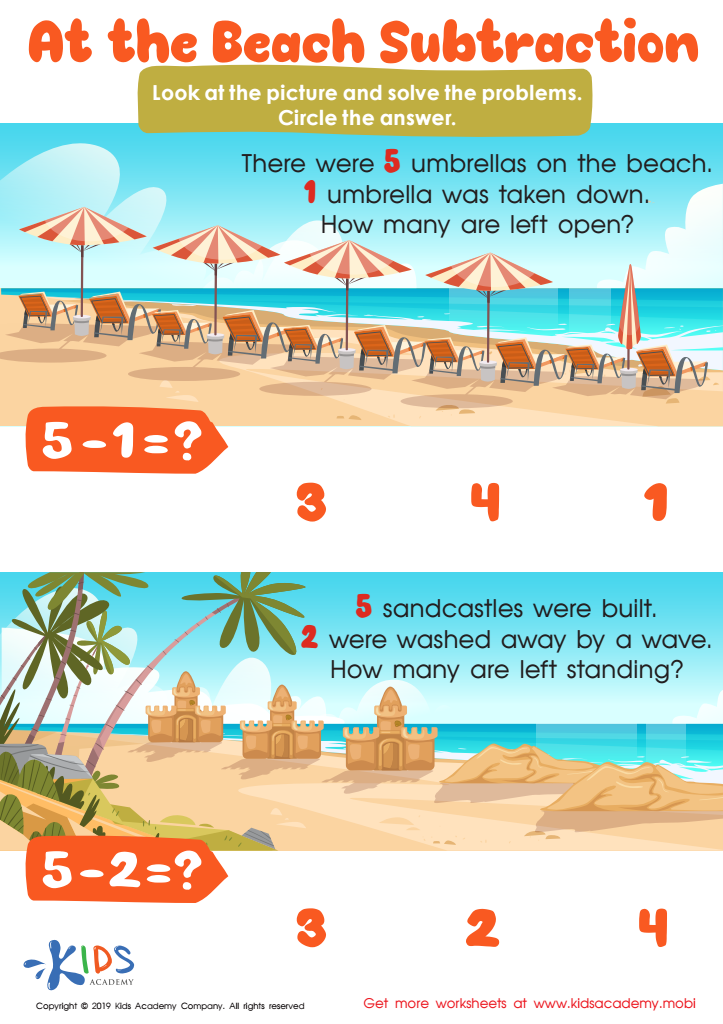
At the Beach Subtraction Worksheet








Number comprehension, particularly in the realm of easy addition and subtraction word problems, is crucial for children aged 4-8 as it builds foundational math skills essential for future learning. During these formative years, children develop cognitive abilities that allow them to understand numerical concepts, which are integral in everyday life and more complex mathematical problems later on.
Parents and teachers should prioritize this area because word problems encourage children to apply math in real-world contexts, enhancing their problem-solving skills. Engaging with story-like problems helps children learn how to extract relevant information, discern the operation needed, and articulate their thought process, fostering critical thinking.
Additionally, mastering early math skills boosts children’s confidence, making them more willing to engage with mathematics as they progress. It also aids in improving language skills, as children learn to interpret and verbalize their thinking through words and numbers.
Collaborative learning between parents, teachers, and students reinforces these ideas, making math a shared adventure. By encouraging a positive attitude towards math early on, we can pave the way for a lifelong appreciation and proficiency in the subject, ultimately benefiting children's academic journeys and everyday decision-making."