Basic Arithmetic Easy Numbers Worksheets for Ages 4-8
4 filtered results
-
From - To
Our "Basic Arithmetic Easy Numbers Worksheets for Ages 4-8" provide engaging and educational activities tailored to young learners. Packed with colorful illustrations and fun exercises, these worksheets help children practice basic arithmetic skills like addition, subtraction, and number recognition. Designed to match children's learning pace, each worksheet ensures foundational math skills are reinforced effectively. Ideal for parents and teachers, these printable resources transform math practice into a delightful adventure, fostering confidence and enthusiasm in early learners. Give your child the foundational skills they need with our expertly crafted worksheets that make math enjoyable and accessible.
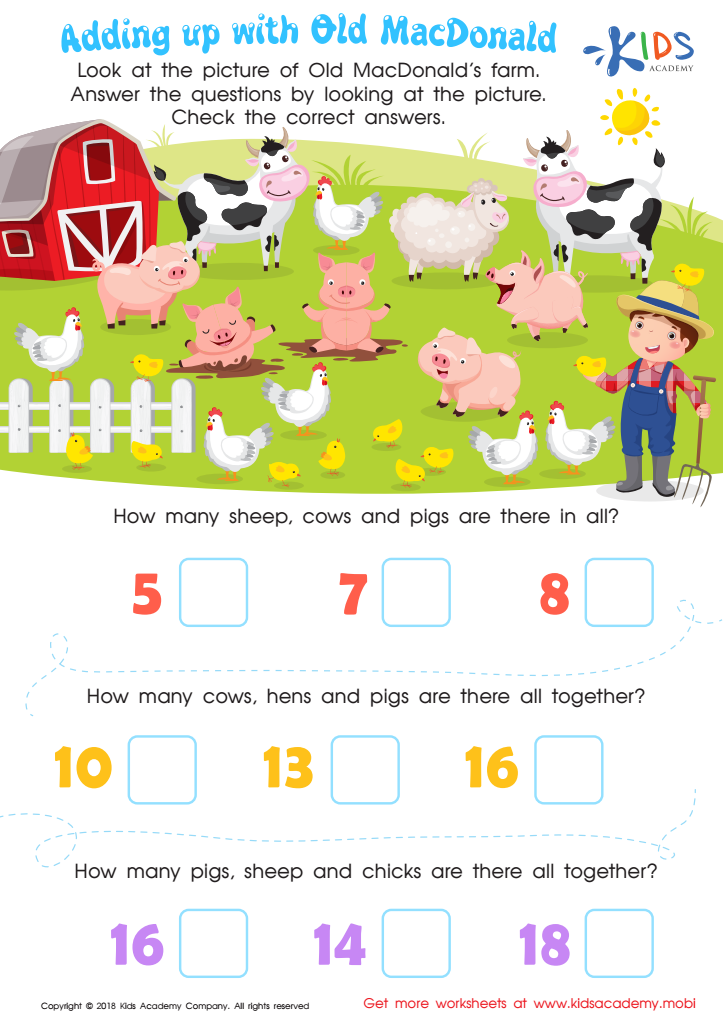
Adding Up with Old MacDonald Worksheet
 Assign to My Students
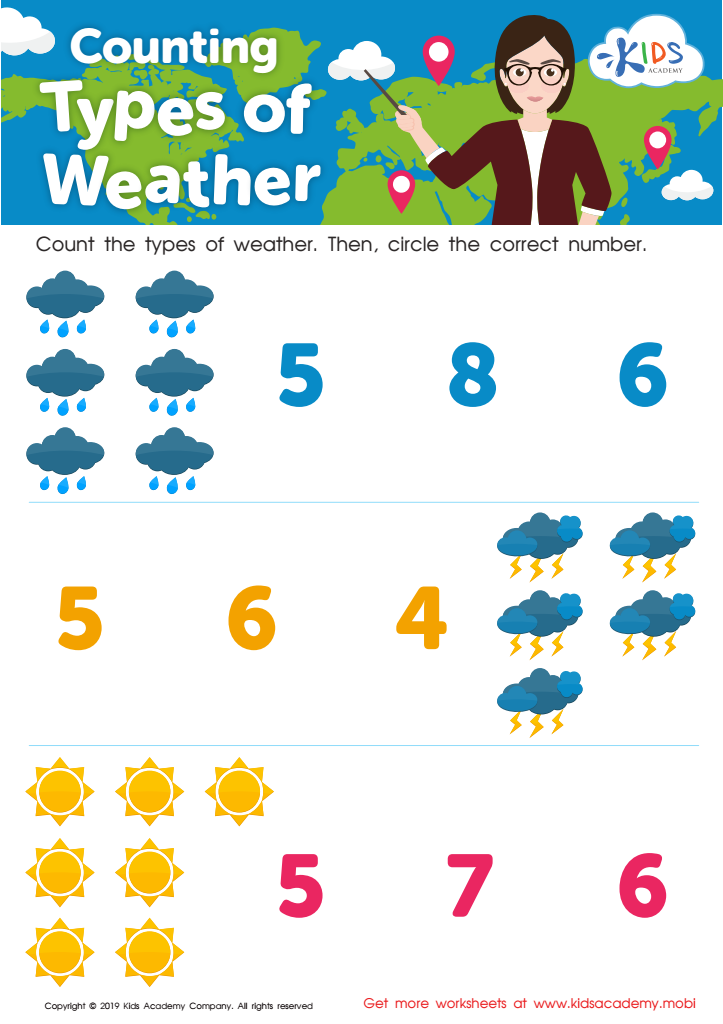
Counting Types of Weather Worksheet
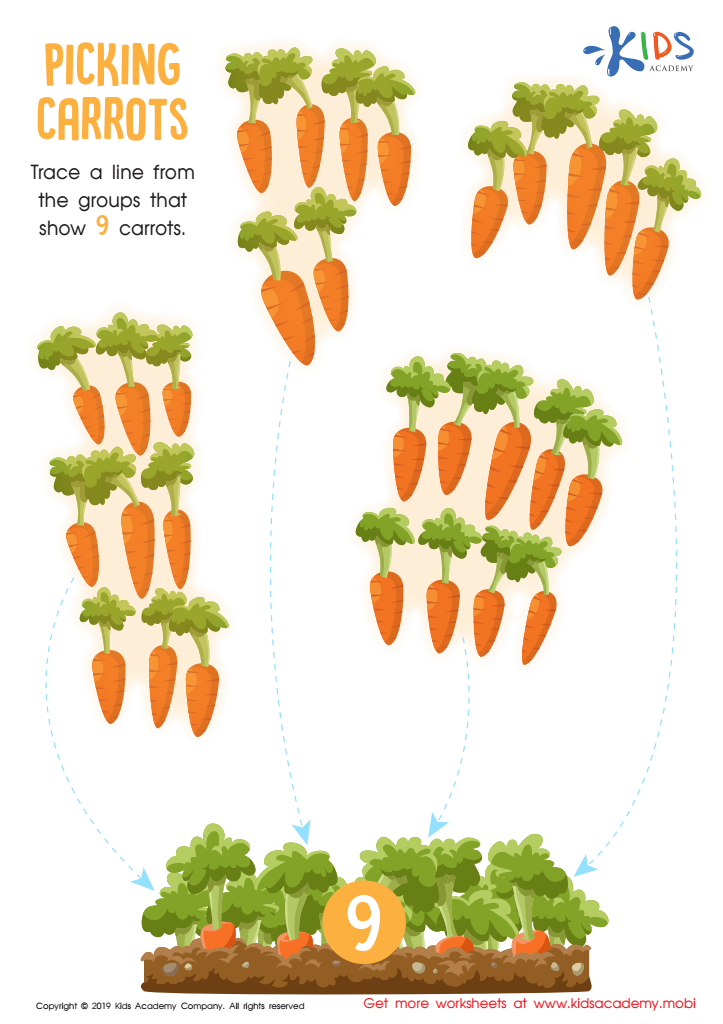
Picking Carrots Worksheet
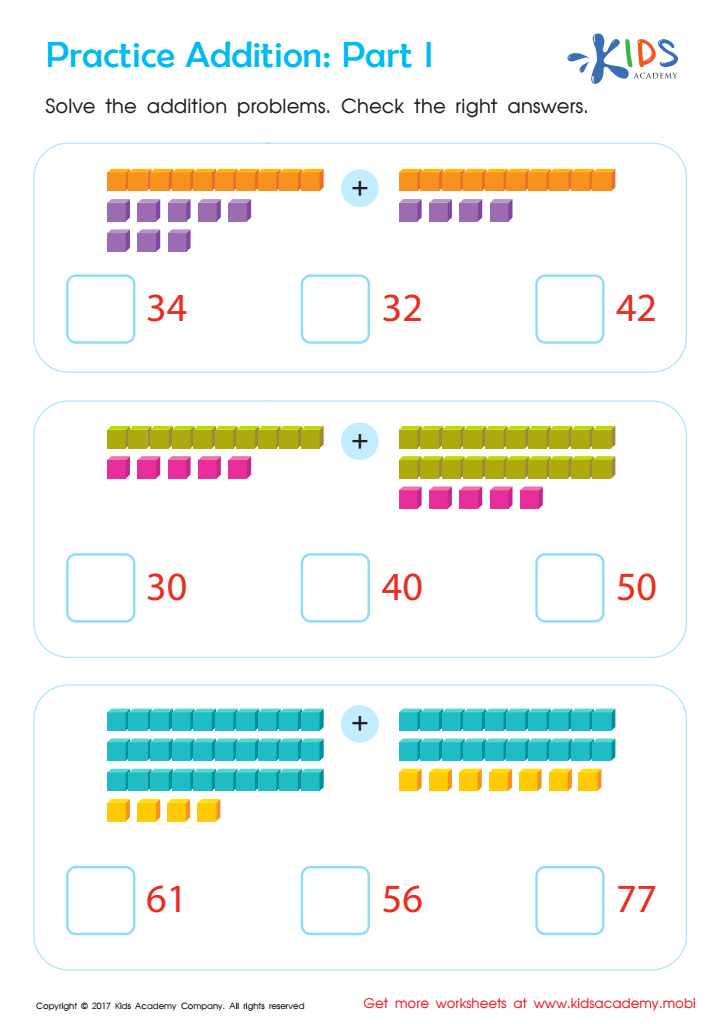
Practice Addition: Part 1 Worksheet







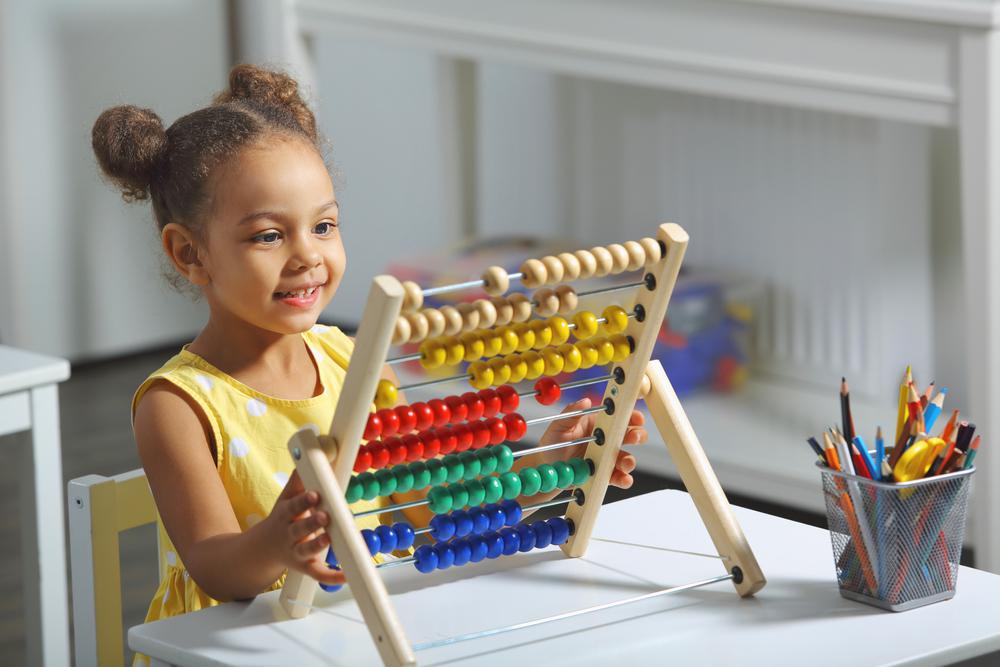
Basic Arithmetic Easy Numbers for ages 4-8 lay the foundation for all future math learning, making it essential for parents and teachers to invest time and attention in this critical developmental phase. At this age, children's brains are highly adaptable and receptive to new information, which makes it the perfect time to introduce fundamental math concepts such as addition, subtraction, and understanding numbers. Mastery of these basics enhances their cognitive development, problem-solving skills, and logical thinking abilities.
Engaging young learners with basic arithmetic also instills confidence in their numerical abilities. Positive early experiences with math can shape their attitude towards the subject later on, making them less likely to develop math anxiety – a common issue that can hinder academic progress.
Furthermore, math skills are not isolated; they overlap with other essential areas of learning. For instance, understanding patterns and sequences in arithmetic can boost language skills and reading comprehension.
Additionally, numeracy is crucial in everyday life, from handling money to telling time. Therefore, equipping children with strong foundational math skills prepares them to navigate daily tasks more effectively.
When parents and teachers foster a love for numbers and encourage mathematical thinking, they empower children with tools for lifelong learning and success. Proficiency in basic arithmetic sets children on a path to academic achievement, critical thinking, and real-world problem-solving capabilities.








